_1762508637542.webp)
Melissa Officinalis Extract Quality Standards for Global Buyers
Aug 20, 2026
When sourcing premium botanical ingredients, understanding quality benchmarks becomes essential. Melissa Officinalis Extract, commonly known as lemon balm extract, requires rigorous evaluation to ensure consistency, safety, and efficacy across formulations. Global buyers navigating today's complex supply chains must prioritize verified active ingredient content, transparent traceability, and compliance with international standards. This guide addresses the core quality dimensions that procurement managers and technical formulators should examine when selecting a reliable lemon balm extract supplier, helping your brand deliver products that meet both regulatory requirements and customer expectations.


Understanding Melissa Officinalis Extract Quality Standards
Quality in plant products is more than just how they look or how much they cost; it also includes the chemicals they contain, how they were sourced, and how they were made. The botanical source of Melissa Officinalis Extract is Melissa officinalis L., which is picked from controlled environments where the phytochemical profiles are directly affected by the soil quality, cultivation methods, and harvest timing.
Defining Quality Parameters in Herbal Extracts
The amount of active compounds is what quality assessment is based on. Our Melissa Officinalis Extract needs to have between 1% and 10% rosmarinic acid and between 2% and 5% flavones. This is based on HPLC and UV tests. These analytical methods give accurate readings that are backed up by batch-level paperwork. This makes sure that every package has the potency that was claimed. Rosmarinic acid is the main bioactive marker; it protects cells from oxidative stress and provides antioxidant support. This polyphenolic substance is easily absorbed by the body's digestive system, which makes it very useful for making food supplements that help with stress relief and brain health. As an added bonus, the flavonoid part increases the antioxidant power of the product, making it work better overall.
International Regulatory Frameworks and Certifications
Compliance certifications are real proof of how well a product is made and how safe it is. ISO9001 is for quality management systems, FSSC22000 for food safety, and HACCP for hazard analysis protocols. These certifications show that work settings, handling of raw materials, and keeping things clean are controlled in a planned way. Religious food labels like KOSHER and HALAL make it easier for brands that cater to certain groups of people to get into new markets. Registration with the FDA adds to the proof that current good manufacturing practices are being followed, which directly addresses the compliance issues that quality assurance managers often have. By proving that suppliers follow widely known standards instead of just area ones, these credentials lower the risk of buying things. Compliance with USP and EP monographs ensures that extracted chemicals meet pharmacopeial standards for identity, strength, quality, and purity. When suppliers give procurement teams batch-specific certificates of analysis that reference these standards, they can be sure that the product will be the same across multiple orders and production runs.
Comprehensive Analysis of Quality Dimensions for Global Buyers
Defining quality involves a lot of interconnected factors that affect how well Melissa Officinalis Extract works in end applications. By understanding these factors, you can choose a seller wisely and make the formulation work better.
Geographic Provenance and Cultivation Practices
Where Melissa officinalis comes from has a big effect on its phytochemical makeup. Traditionally, European cultivars have higher levels of rosmarinic acid than Asian cultivars grown in some areas, but improvements in farming science have made these differences smaller. Working with good planting bases gives you precise control over the varieties you choose, the composition of the soil, and when you harvest them. This gets rid of the changes in raw material quality that make batch consistency hard to achieve. Organic approval means that the crops were grown without using synthetic fertilizers or pesticides, which lowers the risk of leftover contaminants. This approval is especially important for cosmetics and medicines, where strict cleanliness standards are still in place. Controlled growing conditions also allow DNA barcoding verification, which proves the identity of the plants and finds any tampering before they are processed.
Extraction Technology and Processing Methods
The method of extraction has a direct effect on both the safety profile and the bioactive retention. We only use pure water or edible ethanol in our natural extraction process. We don't use any solvents based on petroleum, which leave behind dangerous residues. This method doesn't use solvents, so the color stays pure, and it dissolves quickly, which is important for beverage and nutraceutical uses. Traditional ethanol extraction is a cost-effective and scalable method that works well for ratio extracts, where concentration shows the amount of raw material used instead of standardized active content. Even though it costs more, supercritical CO2 extraction produces better profiles that are more stable and don't break down as quickly when heated. The goal specifications, end-use requirements, and budget factors determine which way to use. Standardized extracts guarantee certain amounts of rosmarinic acid, even if the raw materials are different. This is done by carefully mixing the ingredients and checking the results with an analysis tool. This standardization is very important for brands that focus on research and development (R&D), new formulations, and clinical proof. Reproducible bioactive levels make sure that products work the way they're supposed to.
Certifications and Traceability Measures
In addition to manufacturing certifications, being open about where your products come from builds trust. We use batch numbers to keep track of each step of the production process and connect finished goods to their source farms. This way, we can track everything from choosing the seeds to packaging them. This paperwork helps with regulatory audits and meets consumer demands for ethical sourcing. Brands that want to reach people who care about the environment like to have Fair Trade and non-GMO labels. These credentials show that you care about social issues and the environment, which are values that are becoming more important in B2B buying decisions. Blockchain technology is now used in more advanced traceability systems. It creates permanent records that prove validity and supply chain stability.
Benchmarking Melissa Officinalis Extract: Comparison and Supplier Selection
For strategic Melissa Officinalis Extract supplier selection, it's important to know how lemon balm extract stacks up against other botanicals and to think about practical buying issues.
Comparing Lemon Balm to Alternative Botanicals
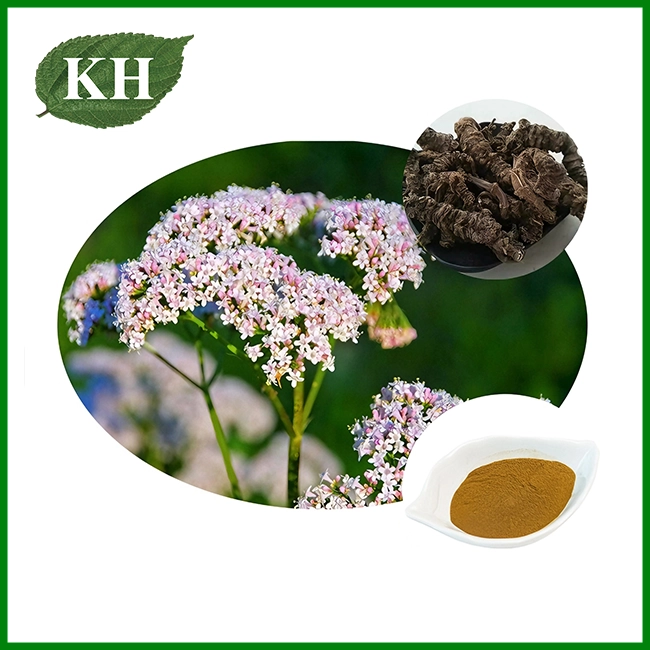
Lemon balm extract is better than valerian root extract in many ways, even though they are both used in stress-release products. The smell of valerian comes from isovaleric acid breaking down, which is a sign of authenticity but can be hard to formulate. Lemon balm, on the other hand, has a pleasant, slightly sweet smell that works well for consumer products. This sensory profile makes it easier for people to accept functional drinks, gummies, and skin treatments. When it comes to brain support, lemon balm extracts are better than chamomile extracts. This makes them better for nootropic formulations. The rosmarinic acid content helps keep your mind clear without making you sleepy, so you can use it during the day, which you can't do with valerian. Knowing these differences helps the people who make products choose plants that are right for their health claims and target audience.
Extract Forms: Powder Versus Liquid Considerations
Powder extracts last longer on the shelf and are easier to ship, which is especially helpful for foreign shipping. Our fine brown to brownish-yellow powder has particles that are always between 80 and 100 mesh, which means they mix quickly in formulations. The low wetness level (below 5%) stops the growth of microbes and caking while the product is being stored. Liquid extracts are useful for some manufacturing processes, but they need to be stored at controlled temperatures and don't last as long. They work well for small-batch production where it can be hard to handle powdered ingredients. Most medium-sized to large manufacturers prefer powder types because they can be used in capsules, tablets, and drinks, and they are easier to carry than liquid concentrates.
Supplier Selection Criteria and Vetting Processes
Suppliers you can trust will have clear pricing models that reflect the quality of their efforts. When prices are unusually low, it's likely that the quality has been lowered through fraud, using low-quality ingredients, or not following proper testing procedures. Buyers need to ask for specific price breaks that take into account things like licenses, testing frequency, and systems for keeping track of goods. Minimum order amounts have a big effect on small businesses that are looking for trusted suppliers. Our MOQ policy is flexible enough to allow sample orders and small kilogram trial quantities before making full commercial commitments. This lowers the financial risk while we qualify suppliers. Commercial orders start at 25 kg and are packed in sealed drums that keep the product's quality while it's being sent by courier, air, or sea. Lead times have a direct effect on planning production and keeping track of inventory. The ability to quickly ship standard specs from ready stock within three to five business days meets the needs of product development cycles for fast sample delivery. Custom formulations with specific amounts or functions show that there is a technical relationship possibility beyond just providing ingredients. Supplier checks make sure that licenses are based on real practices and not just paperwork. During facility visits, quality assurance managers should look at the lab's capabilities, the records of how the analytical equipment is calibrated, and the sample processes. When direct visits are not possible, third-party audit reports provide extra proof.
Practical Guidelines for Global Buyers: Ensuring Quality and Reliable Sourcing
Systematic Melissa Officinalis Extract quality verification protects the integrity of the formulation and the reputation of the brand while reducing disruptions in the supply chain.
Validating Quality Through Documentation and Testing
As the main way to check the quality of something, certificates of analysis are used to record how well the factors that were tested met the requirements. Identification of plants, tests for active compounds using HPLC, counts of microbes, heavy metal screens, pesticide residue testing, and physical traits like bulk density and moisture content should all be part of a full COA. Each batch should have its own unique lot number so that everything can be tracked. Testing by a third-party lab adds extra steps of verification that testing by an internal provider can't. Accredited laboratories do independent tests that confirm the stated specifications and find any hidden adulterants. How often you have regular testing depends on how long you've been working with the seller. New suppliers require testing for every shipment, while long-term partners with a history of good quality may allow less frequent testing plans.HPLC fingerprinting is a more advanced way to prove who you are by checking chromatographic profiles against standards. This method finds plant substitutions or synthetic chemical additions that basic percentage tests might miss. DNA barcoding proves the species identity, which is especially useful since there are similar Melissa species on the market that have different phytochemical profiles.
Supply Chain Management and Storage Protocols
Secure logistics keep the quality of the extract while it's being shipped by using the right packaging and keeping an eye on the environment. Two plastic bags inside fiber drums keep out light and moisture, which can both break down the rosmarinic acid content. Temperature-controlled shipping keeps ocean freight from getting too hot while it's traveling through tropical areas. For storage purposes, places must be cool, dry, and below 25°C, with a relative humidity of less than 50%. Because botanical extracts are hygroscopic, they need to be stored in airtight containers that keep moisture from being absorbed and causing caking and the growth of microbes. Oxygen is pushed out of the package by nitrogen washing, which increases the shelf life by reducing oxidative decay. Cross-contact with allergens should be covered in contamination control plans, especially in places that handle a lot of different plant types. Formulation purity is guaranteed by specialized processing tools or careful cleaning validation between production runs. Documentation of cleaning procedures and data from monitoring the environment show that contamination control works.
Regulatory Compliance Across Product Categories
In the US, dietary supplement applications must follow FDA rules about how to make them, what they say on the label, and how they make structure-function claims. Our extracts meet these standards because they are made and tested according to GMP-approved procedures that ensure their identification, purity, strength, and make-up, as required by 21 CFR Part 111. Different types of cosmetics need different safety tests according to the FDA and international cosmetic rules. Lemon balm extract can be used in skin care because it calms and reduces inflammation. However, it needs to be listed correctly in the product's ingredients and work with the storage system, so technical help is needed during recipe development. For these specific needs, our application laboratory helps with stability tests and gives tips on compounding. Adding functional drinks to existing drinks can be hard because of problems with solubility, pH stability, and taste matching. The extract dissolves easily in water and keeps its bioactivity across pH levels from 3.0 to 7.0, so it can be used in acidic drinks without separating. But because of how they combine with other functional ingredients, the formulation needs to be optimized, which is something our expert team can help with by creating custom ratios.
Future Trends and Quality Improvements in Melissa Officinalis Extract Sourcing
Quality standards and buying strategies for Melissa Officinalis Extract are always changing because of new developments in critical science and changing market needs.
Advanced Analytical Methods and Authentication
As HPLC technology improves, it becomes possible to profile phytochemicals in more detail than just using primary marker compounds. Multidimensional chromatography breaks down complicated plant mixtures into their individual parts, showing any contamination or extraction flaws that would not be seen with regular testing. Automation in sample preparation and analysis cuts down on mistakes made by people and speeds up testing programs that need to process a lot of samples.DNA barcoding has moved from being used for study to being used for regular quality control, providing clear botanical authentication. This DNA testing can find species replacement even in processed extracts where it's not possible to tell what they are by looking at them. As the cost of sequencing goes down, genetic testing will probably become standard in the steps used to qualify suppliers. Monitoring systems that are run by AI look at production data in real time and find quality problems before they affect finished goods. Changes in small patterns in extraction parameters, analytical results, or environmental conditions can be picked up by machine learning algorithms and used to predict quality problems. These forecasting abilities improve batch regularity and cut down on waste caused by production that doesn't meet specifications.
Sustainability and Ethical Sourcing Priorities
The growing demand for certified organic products from businesses is a reflection of what consumers want and how regulations are changing in European markets. The requirements for getting an organic certification keep growing. They are now including measures to protect biodiversity and the health of ecosystems, as well as limits on pesticides. When suppliers put money into regenerative farming methods, they put themselves in a good situation because sustainability factors are used to make purchasing choices. As more brands commit to climate goals, being clear about their carbon footprints becomes more important. Choosing between messenger, air, and ocean freight as a mode of transportation has big effects on the environment that buyers who care about sustainability can now measure. When quality and supply allow it, people start to prefer local sources of food, which cuts down on transportation routes and the pollution they cause. More and more, both regulators and customers are looking closely at how supply chains use ethical labor practices. Fair Trade certification and social checks of suppliers make sure that workers are treated fairly and that they are working in good circumstances. Traceability systems based on blockchain make it possible to see not only direct sources but also farming groups. This makes it possible to check social responsibility claims.
Building Strategic Supplier Partnerships
Long-term ties with suppliers give you a competitive edge through better prices, faster service when supplies are low, and working together to create new products. Strategic relationships focus on mutual growth, technical teamwork, and quality improvement projects instead of transactional buying that only looks at unit cost. Regular quality checks make sure that what buyers want and what suppliers can do are always in line with each other. Reviewing analytical data, process improvements, and market trends together leads to continuous improvement instead of solving problems as they come up. Supplier scorecards that keep track of quality measurements, shipping performance, and responsiveness make it possible to evaluate partnerships in an objective way. To adapt to changing regulatory environments, suppliers need to have strong quality systems that can adapt to new needs. Monitoring changes in regulations in key areas ahead of time lets companies follow the rules without having to change them after the fact. As foreign standards become more similar and enforcement steps up, suppliers who show they are smart about regulations and can quickly change become valuable assets.
Conclusion
To meet Melissa Officinalis Extract quality standards, you need to carefully check the botanical identity, the extraction process, the analytical results, and the supplier's credentials. Understanding how the standards for the active compound, the need to follow regulations, and real supply chain issues all work together is key to successful procurement. Global buyers can make sure that their products are of high quality and stand out from the competition by choosing suppliers that can show they can track their products from the time they are grown to the time they are packed, keep up with internationally recognized certifications, and offer technical support beyond just providing ingredients. As analytical identification, sustainability standards, and regulatory convergence change, strategic supplier partnerships based on openness, technical skill, and a shared dedication to excellence will be rewarded.

FAQ
What distinguishes ratio extracts from standardized Melissa Officinalis Extract specifications?
Ratio extracts show concentration based on the weight of the raw materials used in the process. For example, 10:1 means that 10 kg of plant material made 1 kg of Melissa Officinalis Extract. Standardized extracts guarantee certain amounts of active compounds, like 5% rosmarinic acid, no matter how different the beginning material is. Standardization ensures consistent amounts of bioactive substances, which are needed for formulation performance that can be repeated and for clinical support. This makes it the best choice for uses that need to make exact claims about efficacy. Ratio extracts are cheaper for uses where the total presence of the plant is more important than the exact concentration of the compound.
How does extraction methodology affect product safety and bioavailability?
Using pure water or edible ethanol for natural extraction gets rid of the problems that come with using solvents that are based on petroleum. This makes sure that the safety profiles are good enough for cosmetics and dietary supplements. Ethanol extraction is a good way to get both water-loving and fat-loving compounds. It makes full phytochemical profiles with the right amount of rosmarinic acid and flavonoids. Supercritical CO2 extraction keeps heat-sensitive molecules from breaking down, which makes them more bioavailable. Our methods that don't use solvents make sure that the ingredients dissolve quickly and are absorbed well by the body, which maximizes the release of bioactives in finished products.
What storage conditions prevent quality degradation during warehousing?
Keeping the temperature below 25°C and the relative humidity below 50% stops the absorption of water that leads to caking and the growth of microbes. Light- and airtight-proof packing in double plastic bags inside fiber drums keeps rosmarinic acid and flavonoid compounds from breaking down due to oxidation. Oxygen is pushed out of the package by nitrogen washing, which extends the shelf life by stopping oxidation. The fine powder's natural color, properties, and ability to mix quickly are important for manufacturing efficiency across a wide range of application formats. Proper storage keeps these things intact.
Partner with KH for Premium Melissa Officinalis Extract Supply
KH can help you with your Melissa Officinalis Extract formulation problems because they have more than 25 years of experience working with botanical ingredients. They can give you lemon balm extract that meets the strictest quality standards. Our full-circle tracking method checks the quality of our products from choosing the seeds to delivering them to you, making sure that your products always have the right amount of rosmarinic acid and are pure. We take the guesswork out of foreign botanical buying by having ready-to-ship stock, low minimum order quantities (MOQs) that allow for sample orders, and full certifications such as ISO9001, FSSC22000, KOSHER, and HALAL. Talk to our technical team at info@kingherbs.com about your specific formulation needs and find out why leading supplement companies choose KH as their Melissa Officinalis Extract supplier.
References
1. Shakeri, A., Sahebkar, A., & Javadi, B. (2016). Melissa officinalis L. – A review of its traditional uses, phytochemistry, and pharmacology. Journal of Ethnopharmacology, 188, 204-228.
2. European Pharmacopoeia Commission. (2019). Melissa leaf dry extract. European Pharmacopoeia, 10th Edition, Monograph 1447.
3. Petersen, M., & Simmonds, M.S. (2003). Rosmarinic acid. Phytochemistry, 62(2), 121-125.
4. United States Pharmacopeia. (2021). Botanical Extracts – General Information and Requirements. USP-NF General Chapter 565.
5. World Health Organization. (2002). WHO Monographs on Selected Medicinal Plants, Volume 2. Geneva: World Health Organization Press.
6. Kennedy, D.O., & Wightman, E.L. (2011). Herbal extracts and phytochemicals: plant secondary metabolites and the enhancement of human brain function. Advances in Nutrition, 2(1), 32-50.
Send Inquiry
Related Industry Knowledge
- How to Source Premium Strawberry Leaf Extract in Bulk?
- How Is Apple Extract Powder Produced and Standardized?
- Bamboo Leaf Extract Extraction Technology Explained for Buyers
- What is ivy extract used for?
- Bamboo Leaf Extract in Skincare: Understanding
- Can Dill Seed Extract Help Relieve Abdominal Cramping?
- How Dill Seed Extract Supports Detox and Cleansing
- Rhizoma Coptidis Powder: Top Ways to Maximize Its Benefits
- How Valerian Root Extract Powder Enhances Deep Restful Sleep?
- What Makes Olive Extract Powder a Potent Antioxidant Ingredient?