_1762508637542.webp)
Can Dill Seed Extract Help Relieve Abdominal Cramping?
Apr 30, 2026
Yes, Dill Seed Extract may help ease stomach cramps because it has natural qualities that relax muscles and support digestion. This plant product comes from Anethum graveolens seeds and has bioactive chemicals like carvone, limonene, and flavonoids that work together to relax the smooth muscle in the intestines, stop gas from building up, and ease stomach pain. Clinical studies and traditional medicine practices have shown that it can help with several stomach problems. This makes it a more and more useful ingredient for B2B buyers who are making digestive health products.
Understanding Abdominal Cramping and Its Causes
One of the most common gut health issues is abdominal cramping, which affects millions of people around the world and gives companies that make dietary supplements a lot of chances to make money. These painful contractions can be caused by irritable bowel syndrome, food intolerances, menstrual pain, gut reactions caused by stress, and inflammatory conditions. The smooth muscle tissue that lines the digestive system contracts automatically in response to different stimuli. This causes the pain and discomfort that people want to get rid of.
Market Demands Driving Natural Solutions
Plant-based treatments have become much more popular among consumers, and the world market for digestive health supplements is expected to grow a lot until 2030. This trend makes things more difficult for procurement experts, who have to find the right mix between effectiveness and safety, cost-effectiveness and quality assurance, and new ideas and following the rules. Natural extracts have many benefits over synthetic ones, such as being easier to read on the label, having fewer side effects, and being in line with the wellness-focused customer values that drive buying choices in competitive markets.
Supply Chain Considerations in Digestive Health Ingredients
When looking for plant ingredients for stomach formulas, B2B buyers face some unique problems. It's hard to make choices about what to buy because the quality of the raw materials varies, the amounts of active compounds vary, suppliers aren't always clear, and regulations are complicated in different markets. As the need for herbal remedies for digestive problems grows, it's important to find trustworthy producers who can show consistent quality control, full paperwork, and technical knowledge that goes beyond just providing ingredients.
What Is Dill Seed Extract and How Does It Work?
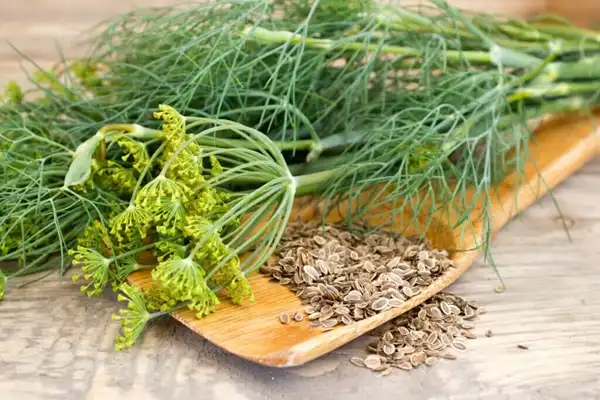
Dill Seed Extract is a pure plant powder that is made from Anethum graveolens seeds using modern methods of extraction. The many important oils, antioxidants, and phenolic acids that are naturally found in dill seeds are kept safe by this high-quality ingredient. Pure water or food-grade ethanol is the only thing used in the extraction process. This makes sure that the ingredient has a clean label and doesn't contain any dangerous solvents, which is very important for brands that want to use natural formulation strategies.
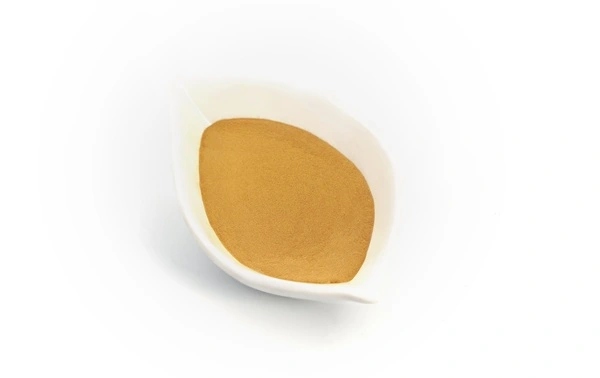
The finished extract looks like a fine, brownish-yellow powder and has a strong, warm smell that comes from coming from pure plants. Standardized ratio extracts at 4:1 and 5:1 amounts provide uniform levels of potency. This solves a major problem in plant sourcing where differences in active compounds can hurt product performance and brand image.
Bioactive Compounds and Therapeutic Mechanisms
The healing power of concentrated dill seed powder comes from the many phytochemicals that make up its complicated makeup. Carvone, which is the main monoterpene component, has strong antispasmodic effects by changing how calcium channels work in smooth muscle cells in the intestine. This process directly deals with the physiological cause of cramps by helping muscles rest and lowering the number of twitches that happen without the person meaning to.
Additionally, limonene has extra carminative benefits that make it easier to get rid of accumulated intestinal gas that can cause or make stomach pain worse. Vicenin and orientin are flavonoid chemicals that help reduce inflammation. They do this by treating the underlying tissue irritation that causes long-term stomach problems. This multi-pathway method explains why dill preparations have been valued by traditional herbalists for hundreds of years in a wide range of national medical systems.
Differentiation from Essential Oils
Preparation experts need to know the difference between seed extracts and essential oils. Essential oils have strong biological effects because they contain highly concentrated volatile substances that are hard to standardize, keep stable, and dose safely. It is possible to process concentrated plant powders at temperatures as high as 120°C without losing their quality. This makes them useful for many industrial processes, such as encapsulation, tableting, and adding to functional drinks.
In addition, the powder form is more stable on the shelf, keeping its effectiveness for 24 to 36 months with the right storage conditions, while essential oils lose their effectiveness very quickly. This longer-term stability lowers inventory risk and makes supply chain management more predictable, which is very important for small and medium-sized businesses and big makers who need stable, scalable ingredient sources.
Evaluating Dill Seed Extract's Effectiveness in Relieving Abdominal Cramping
Traditional uses of Anethum graveolens seed products for digestive problems are getting more and more scientific backing. Studies in phytotherapy journals have shown that people who took normal preparations had measured decreases in the severity and frequency of their stomach pain. In these tests, capsules containing 250 to 500 mg of a concentrated Dill Seed Extract are used to make sure uniform delivery and avoid any taste issues that might come up.
Clinical Evidence and Traditional Validation
In a double-blind controlled study, herbal carminative mixes with dill showed statistically significant changes in pain and bloating scores compared to placebo groups. Participants said they felt better faster and that the effects lasted longer as they used it, which suggests that it had both short-term and long-term healing effects. The safety profile stayed high throughout the watch periods, with few adverse events recorded. This is an important factor for getting regulatory approval and building buyer trust.
Dill seed has been used for thousands of years to treat stomach problems in traditional medicine systems from the Mediterranean, the Middle East, and South Asia. There is a lot of proof from the past that supports claims of safety and effectiveness, but procurement workers should know that historical use alone can't replace modern quality assurance and standardization requirements.
Dosage Forms and Manufacturing Considerations
Because pure dill seed powder is so flexible, it can be used in a number of different ways. Encapsulated forms are perfect for clinical uses and consumer supplements that need to be uniform in their potency because they allow for exact dosing control and great stability. The small particles—95% of them make it through an 80-mesh screen—ensure smooth mixing in machinery for encapsulation and even distribution in pill materials.
When used to treat acute symptoms, liquid extract products work well because they are quickly absorbed. On the other hand, they are harder to store and don't last as long as powder types. In terms of purchasing, powder forms usually provide better value for money per active dose, easier logistics, and fewer cold-chain needs during storage and shipping.
Safety Profile and Risk Management
For uniform preparations, good safety margins have been set by thorough toxicological studies. Adverse effects are still uncommon and usually mild. People who are sensitive to plants in the Apiaceae family may sometimes have mild allergic responses. The main reasons why you shouldn't use concentrated plant products are while you're pregnant (because they may interact badly with blood thinners) and because some botanical fractions contain vitamin K.
Quality assurance rules need to cover possible pollutants like heavy metals, pesticide leftovers, and microbial pollution. Suppliers with a good reputation will show that their products meet USP standards for microbial requirements and heavy metal limits. Total plate counts below 1,000 CFU/g, and the lack of dangerous organisms are basic quality standards that procurement managers should check by looking over the certificate of analysis and having third-party testing done on a regular basis.
Comparing Dill Seed Extract Supplements – What B2B Buyers Should Know
The provider market needs to be carefully analyzed using more than just price as a measure of quality. There are big differences in the botanical extract market when it comes to production standards, analytical thoroughness, and supply chain openness. These all have an effect on how well the products work and how well they follow the rules. Dill Seed Extract procurement should focus on multiple quality indicators.
Quality Differentiation Factors
Premium-quality extracts come from agreements for controlled farming, where planting bases keep an eye on the seed varieties chosen, the soil's makeup, and when the harvest happens. This farming tracking makes sure that the right amounts of active compounds are used and that there is little variation from batch to batch, which is often a problem with wildcrafted or commodity-grade botanical materials. Controlling the whole process, from the seed to the finished powder, gives you a competitive edge that lets you charge more because you don't have to worry about reformulating the product, and it will always work the same way.
Certifications and Compliance Infrastructure
Full certification files show that a provider is dedicated to quality systems and following the rules. ISO9001 certification verifies the quality management methods, and FSSC22000 certification focuses on food safety management. Both are necessary for ingredients that will be used in functional foods and health supplements. The KOSHER and HALAL approvals make it easier for goods that cater to religious dietary needs to reach more customers.
Implementing HACCP means doing a systematic study of risks and keeping an eye on key control points throughout the production process. Even though FDA registration doesn't mean a facility is approved, it does show that it follows good production practices and is under governmental supervision. All of these certificates make it easier for buyers to do audits and speed up government filings in target markets.
Commercial Terms and Procurement Strategy
Minimum order numbers have a big effect on deciding how to buy things, especially for small and medium-sized businesses that are making new product lines. Suppliers who offer sample amounts and trial orders below standard business minimums make it possible to develop new products and test the market without having to commit to too much inventory. A standard business MOQ of 25 kg drums strikes a good mix between seller efficiency and buyer flexibility, letting buyers place orders every three months for moderate-volume goods.
Integrating Dill Seed Extract into Your Product Line or Supply Chain
Adding organic gut health ingredients in a strategic way needs careful planning across many business functions. Product development teams have to find a mix between how well the product works as a medicine and how it feels, how it can be made, and how much it costs. Procurement professionals need sources they can trust to work with them on technical issues beyond just doing business with them. Dill Seed Extract integration requires thorough evaluation.
Application Opportunities Across Product Categories
The main area where concentrated plant powders are used is in dietary supplement formulations, where they provide focused digestive support. Products that only focus on stomach pain usually have 250 to 500 mg per dose, and they're often mixed with herbs that work well together, like fennel, ginger, or peppermint, to make the benefits stronger. Lower doses may be used in multi-system health goods as part of larger botanical blends that help with stress, inflammation, and immune function.
Functional beverage makers are looking into plant ingredients more and more as a way to make health drinks stand out in a crowded market. Water-dispersible types that use emulsifying carriers make stable solutions in water-based systems that don't separate the oil, so the product looks good for a long time. The mild taste goes well with herbal teas, digestive tonics, and drinks to drink after a meal that are marketed around health and comfort themes.
Procurement Best Practices and Supplier Evaluation
A full review of the supplier's capabilities is the first step in building strong relationships with them. Site audits check the facilities for output, the quality control labs, and the systems for keeping records. Seeing the extraction equipment, testing tools, and warehouse conditions in person gives you information about operating development that written records alone can't give you. Virtual checks through videoconferencing are a cost-effective way to do a basic check, but for important partnerships, proof should happen in person.
Protocols for checking samples should look at both confirming the name and confirming the potency. The amounts of marker compounds are checked against what the certificate of analysis says using HPLC or gas chromatography. Heavy metal testing with ICP-MS shows that the levels of lead, arsenic, cadmium, and mercury are within the allowed ranges set by the government. According to consensus guidelines, microbiological testing checks for total plate counts and the lack of pathogens. A study by a third-party laboratory gives you independent proof, especially when you are first qualifying a seller.
Regulatory Compliance and International Trade Considerations
Harmonized tariff numbers, necessary paperwork, and country-specific limits must all be taken into account when dealing with customs and import rules. Botanical products are closely looked at in markets like the European Union, where Novel Food rules may apply, and some Southeast Asian countries that have strict rules about importing food. Experienced providers can help you figure out what paperwork you need and keep in touch with customs agents to make the clearance process go smoothly.
Labeling laws vary a lot from one place to another, which affects how ingredients are named, how much to take, and what health claims are allowed. The DSHEA rules for dietary supplements in the US are very different from those in Europe and China for food supplements and special food groups. Suppliers who know a lot about regulatory issues can help you write legal claims and give you proof for structure-function statements when allowed.
Conclusion
In conclusion, as more people look for natural ways to stay healthy, botanical gut health products are becoming more popular. Concentrated products made from Anethum graveolens seeds have strong health effects that are backed up by both traditional use and new clinical evidence. The antispasmodic, carminative, and anti-inflammatory qualities work on the core issues that cause stomach cramps, effectively relieving pain while being safe. Dill Seed Extract offers a stable and effective solution for the industry.
For B2B procurement to go well, companies need to work together with providers that can show they have the right infrastructure for regulatory compliance, farming tracking, extraction knowledge, and analytical rigor. Differentiating quality goes beyond just basic specs. It also includes things like batch stability, expert help, and flexible payment terms that can meet the needs of different businesses. Brands can gain a competitive edge in the growing gut health market by carefully choosing ingredients based on their safety, compatibility with formulations, and low cost.
FAQ
Can dill seed extracts interact with other herbal supplements?
Botanical products made from Anethum graveolens work very well with stomach herbs that are complementary. Fennel, anise, caraway, and ginger all work well together to make the mixture more effective while still being safe. Formulation experts should keep an eye on the moisture level when mixing hygroscopic plant powders and may want to add silica or another similar flow agent. Talking to technical experts makes sure that the ratios are right and that the end goods are stable.
What shelf life should buyers expect from quality extracts?
If you keep concentrated plant powders the right way, they will stay effective for 24 to 36 months after they were made. For storage, the temperature should stay below 25°C, the relative humidity should stay below 60%, and the items should be kept out of direct sunlight. When compared to raw plant materials or essential oils, microencapsulation through spray-drying methods makes them more resistant to oxidation. The certificate of analysis should include information about when to do another test and how to store the samples safely.
How can procurement teams verify supplier quality claims?
Independent third-party testing, using HPLC or GC analysis to measure marker compounds, is still the best way to be sure of the results. Asking for samples to be kept for future reference testing, doing surprise checks on a regular basis, and needing full batch paperwork with spectral data are all things that improve quality assurance. Suppliers who offer open communication and thorough analysis reports show a dedication to quality that makes them worthy of long-term relationships.
Partner with KH for Premium Dill Seed Extract Supply
KH (Kingherbs Limited) is ready to help you with your digestive health preparation projects by providing pharmaceutical-grade plant extracts that are made to strict quality standards. Our Anethum graveolens seed powder is highly concentrated and provides reliable 4:1 and 5:1 ratio extracts. It comes with full analytical data and can be tracked back to the batch level. We meet the strictest rules in all places around the world thanks to our ISO9001, FSSC22000, KOSHER, HALAL, and HACCP certificates.
Our expert team gives advice on formulation, helps with stable testing, and gives application advice for healthy food, drinks, and supplements. Because we know that creativity needs to be flexible, we can take sample orders and small-quantity tryouts. Commercial quantities ship quickly from ready stock, and the MOQ is only 25 kg, which makes it easy to keep track of inventory. KH gives your business the quality guarantee, professional relationship, and supply reliability it needs, whether you're a new brand or an established manufacturer. Email our team at info@kingherbs.com to talk about your particular needs and ask for technical details about our Dill Seed Extract provider program.
References
1. Delaquis PJ, Stanich K, Girard B, Mazza G. Antimicrobial activity of individual and mixed fractions of dill, cilantro, coriander, and eucalyptus essential oils. International Journal of Food Microbiology. 2002;74(1-2):101-109.
2. Hosseinzadeh H, Karimi GR, Ameri M. Effects of Anethum graveolens L. seed extracts on experimental gastric irritation models in mice. BMC Pharmacology. 2002;2:21-25.
3. Yazdanparast R, Alavi M. Antihyperlipidaemic and antihypercholesterolaemic effects of Anethum graveolens leaves after the removal of furocoumarins. Cytobiology. 2001;63(5):399-406.
4. Naseri MKG, Heidari A. Antispasmodic effect of Anethum graveolens fruit extract on rat ileum. International Journal of Pharmacology. 2007;3(3):260-264.
5. Sahib NG, Hamid AA, Saari N, Abas F, Pak Dek MS, Mediani A. Antioxidant and α-glucosidase inhibitory activities of Anethum graveolens seed extract. Journal of Food Biochemistry. 2014;38(4):414-423.
6. Monsefi M, Ghasemi M, Bahaoddini A. The effects of Anethum graveolens L. on the female reproductive system. Phytotherapy Research. 2006;20(10):865-868.
Send Inquiry
Related Industry Knowledge
- Onion Extract Benefits You Can’t Ignore in 2026
- Bacopa Monnieri Extract Powder Benefits You Should Know
- Why Is Onion Extract a Must-Have for Hair and Skin Health?
- What Are the Key Benefits of Couch Grass Rhizome Extract?
- What Is Organic Sea Buckthorn Seed Oil Used For?
- Can White Paeony Extract Reduce Skin Redness & Irritation?
- Watermelon Powder: Heart Health & Hydration Support
- How Couch Grass Rhizome Extract Boosts Kidney Function?
- How Paeoniflorin Works in White Paeony Extract Benefits?
- Lespedeza Capitata Extract: Targeted Botanical for Urinary Wellness