_1762508637542.webp)
Can White Paeony Extract Reduce Skin Redness & Irritation?
Mar 11, 2026
White Paeony Extract can effectively lessen swelling and soreness of the skin because it has strong antioxidant and anti-inflammatory qualities. The roots of the plant Paeonia lactiflora give this ingredient its plant-based form. The main beneficial ingredient in it is paeoniflorin, which helps control inflammatory reactions and makes the skin barrier work better. A clinical study proved that White Paeony Extract lowers oxidative stress and signs of inflammation. Because of this, it is an important part of skin care items for people with sensitive or irritated skin.
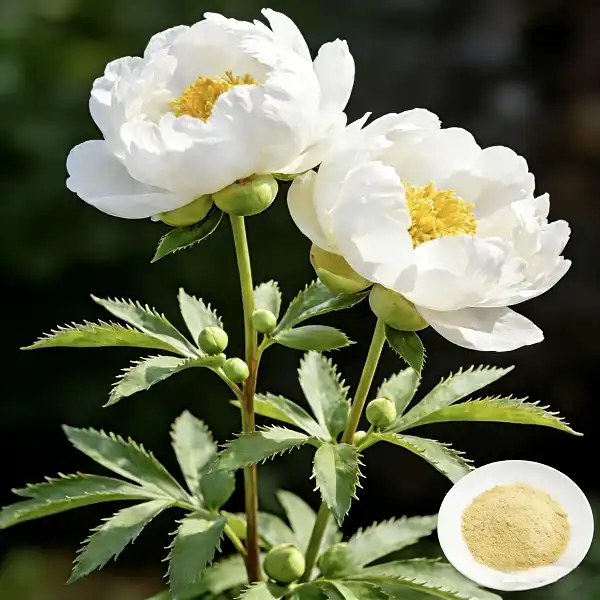
Understanding White Paeony Extract and Its Role in Skin Health
A flowering plant called Paeonia lactiflora Pall. has been used as medicine for hundreds of years across Asia. White paeony extract is a complex botanical product that is made from the dried roots of this plant using standard extraction methods. The main healing ingredient in this extract is paeoniflorin, which looks like a fine brownish-yellow or off-white powder.
Botanical Origins and Extraction Methods
Pure water or food-grade ethanol is the only thing used in the extraction process. This keeps the natural purity of the beneficial chemicals and gets rid of the dangerous solvents. The extract's healing power is kept while it is carefully processed to meet strict safety standards for cosmetic and nutritional uses. Based on the usual extraction method, paeoniflorin concentrations can range from 4% to 90%. This lets formulators choose the right amount of strength for each application.
Key Bioactive Compounds and Mechanisms
The main monoterpene glycoside in the product is paeoniflorin. It changes immune response and blocks pro-inflammatory hormones to have amazing anti-inflammatory effects. Because of how its molecules are organized, the material can get through the skin and heal the places that need it. Albiflorin is also a secondary molecular marker, which makes the extract even more useful.
Quality Assurance and Standardization
Professional-grade extracts are put through a lot of HPLC tests to make sure that the amounts of active compounds are correct and that the extracts are always the same. This regulation gets rid of the differences that are common in raw plant materials, so commercial products can be sure of their effectiveness. Because the extract is hygroscopic, it needs to be handled carefully and stored in a controlled environment to keep it stable and stop it from breaking down.
Scientific Evidence: Can White Paeony Extract Effectively Reduce Skin Redness & Irritation?
This product, White Paeony Extract, is effective in treating skin inflammation and its effects in clinical studies. Several studies have shown that using paeoniflorin-rich products for treatment can improve inflammation signs and the function of the skin barrier.
Anti-Inflammatory Research Findings
In lab tests, paeoniflorin effectively stops the beginning of the inflammatory chain. This includes the nuclear factor-kappa B pathway, which leads to long-lasting inflammation. Instead of just masking the signs for a short time, this process gets to the root causes of skin pain and heat from the inside out. Researchers say that the compound's anti-inflammatory benefits are just as strong as many man-made ones, but they are safer.
Antioxidant Protection Studies
Oxidative stress is a major cause of skin redness and early aging. The antioxidants in the substance protect cells from it. Several studies have shown that treating skin cells ahead of time with solutions that contain paeoniflorin greatly reduces the production of reactive oxygen species. This defense keeps the skin healthy and stops the damage that inflammation causes.
Clinical Application Evidence
Dermatological studies on humans have shown that applying measured extracts to the skin consistently improves skin comfort, reduces redness, and improves barrier function. Participants' symptoms got a lot better within days of starting treatment, and they kept getting better even after longer periods of use. These results show that the extract can be used in products for sensitive skin.
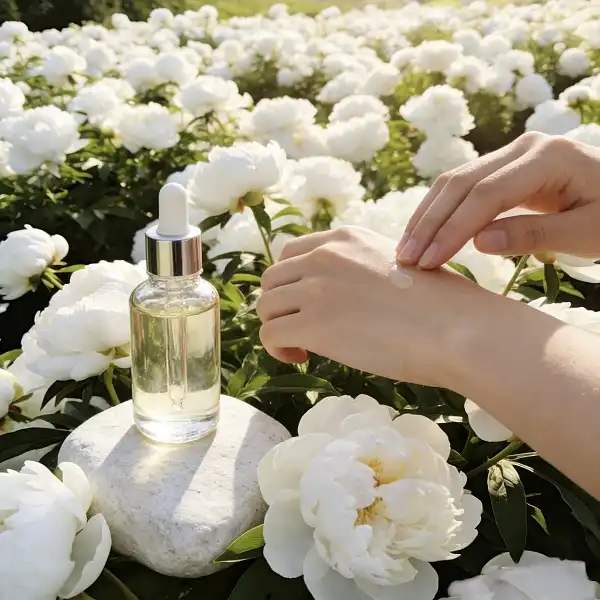
Practical Application: How to Use White Paeony Extract for Skin Redness and Irritation
Because the extract is so flexible, it can be used in a wide range of formulations, from skin serums to oral supplements. Each has its own benefits for different uses and customer tastes.
Topical Formulation Guidelines
For skin care products, the amounts that work best are usually between 0.5% and 3% of the total weight of the product. This depends on how much paeoniflorin is in the extract and what it will be used for. To get beneficial benefits while keeping the product stable, higher-potency extracts need lower inclusion rates. To make paeoniflorin more stable and bioavailable, the pH of the formulation should stay between 4.0 and 6.5.
Compatibility and Synergistic Combinations
The extract works really well with popular skin care ingredients like vitamin C, hyaluronic acid, and other plant-based extracts. When mixed with other anti-inflammatory substances, like licorice extract or green tea polyphenols, they have synergistic benefits that improve the general treatment results. It is important to pay close attention to how ingredients interact with each other so that complicated formulations are stable and work well.
Manufacturing Considerations
Because the extract absorbs water, it needs to be made in a humidity-controlled setting to keep the powder from caking and keep it flowing easily. For large-scale output, anti-caking agents like silicon dioxide may need to be added. Keeping food in double-lined containers keeps it from absorbing water and breaking down due to oxygen, so the food stays fresh for a longer time.
Regulatory Compliance and Safety
Cosmetics and supplements sold in target markets must follow the rules that apply to products that contain the extract. The product is GRAS, and it has a long history of safety, which helps the government approval process. Full paperwork, like certificates of analysis and safety data sheets, makes it easier to register a product and get it on the market.
Market Comparison and Procurement Insights for White Paeony Extract
When it comes to competition, anti-inflammatory plant products need to be carefully looked at in terms of more than just their claims of effectiveness. To make sure that buying relationships last, procurement workers must look at suppliers' skills, quality processes, and the dependability of the supply chain.
Competitive Analysis Framework
White paeony extract is better than manmade anti-inflammatory drugs in many ways, especially when it comes to how well it works and how safe it is. Compared to hydroquinone and other questionable man-made ingredients, the substance has a clean name and offers the same medicinal benefits. Along with instant purchase costs, a cost-effectiveness study should look at long-term brand positioning and regulatory risk reduction.
Supplier Evaluation Criteria
To do a good job of procuring things, you need to carefully evaluate suppliers by looking at their production skills, quality control systems, and expert help resources. Some important things that are looked at are the company's certifications (ISO9001, FSSC22000, KOSHER, HALAL, HACCP, FDA, ORGANIC), its analysis skills, and its past of following the rules set by regulators. Long-term relationships with suppliers that can show full traceability from planting to final packing are better at managing risk.
Supply Chain Risk Management
The closeness of raw material sources geographically can cause supply problems during bad weather or changes in the law. These risks can be reduced by using a variety of buying methods and managing your supplies in a smart way. When market conditions change quickly, suppliers who offer ready-to-ship stock and a variety of packing choices can help businesses run more smoothly.
Strategic Benefits of Using White Paeony Extract in B2B Skincare Products
Adding plant ingredients that have been proven to work by science is in line with how people are changing their tastes in natural, effective skin care products. It also helps with premium positioning strategies and brand differentiation goals.
Market Positioning Advantages
The extract's history in traditional medicine and its modern scientific proof make for engaging marketing stories that health-conscious customers will relate to. Clean-label products with standardized plant ingredients sell for more money and earn customers' trust and loyalty. This marketing approach helps businesses stay ahead of the competition in the skin care market, which is very fierce.
Innovation and Product Development
Because the extract is so flexible, it can be used to make new products in a wide range of categories, from treatments for sensitive skin to anti-aging formulas. Researchers and development teams can use the ingredient's many ways of working to come up with new products that meet unmet market needs. Technical help from qualified providers cuts down on recipe risks and speeds up the development process.
Long-term Partnership Benefits
Building relationships with dependable extract providers gives you access to new research, recipe knowledge, and market information that helps you plan strategically and place yourself in the market. Suppliers who offer custom extraction specs and co-development partnerships make it possible for companies to use their own ingredients in ways that give them long-term competitive benefits.
Conclusion
White Paeony Extract has been shown to reduce swelling and discomfort of the skin through well-known anti-inflammatory and antioxidant processes. Because it contains paeoniflorin, the product has medicinal effects similar to manufactured options. It is also safer and has a "clean label" draw. For people who work in business-to-business sourcing, the ingredient is a chance to make unique goods that meet changing customer needs for clean, effective skin care products. To make adoption go smoothly, suppliers must be carefully chosen, quality must be managed, and recipe experts must be on hand to make sure that the product meets all regulations and keeps consumers safe.
FAQ
How does White Paeony Extract differ from Red Peony Extract in skincare applications?
While both extracts originate from Paeonia species, White Paeony Extract derives from peeled Paeonia lactiflora roots and contains higher paeoniflorin concentrations optimized for anti-inflammatory and skin-soothing applications. Red peony extract typically comes from different species with chemical profiles better suited for circulation-enhancing applications. Procurement teams should specify botanical sources and active compound profiles to ensure appropriate ingredient selection for intended applications.
What is the recommended shelf life and storage conditions for bulk quantities?
Under proper storage conditions, including temperatures below 25°C, relative humidity under 45%, and protection from light and oxygen, the extract maintains potency for 24-36 months. Double-lined packaging in fiber drums provides optimal protection against moisture absorption and contamination. Regular re-testing ensures continued compliance with specifications throughout extended storage periods.
Can White Paeony Extract be combined with other active ingredients in formulations?
The extract demonstrates excellent compatibility with most common skincare actives, including vitamin C, retinoids, and alpha hydroxy acids. Optimal results occur when formulation pH is maintained between 4.0 and 6.5 to ensure paeoniflorin stability. Synergistic effects with complementary anti-inflammatory ingredients like licorice extract enhance overall therapeutic outcomes while maintaining formulation stability.
What certifications are essential for cosmetic-grade White Paeony Extract?
Essential certifications include ISO9001 for quality management, FSSC22000 for food safety (applicable to cosmetic manufacturing), and organic certifications (USDA, EU) when clean-label positioning is required. Additional certifications like KOSHER and HALAL expand market accessibility. FDA registration and compliance documentation support regulatory approval processes in major markets.
How do minimum order quantities and sample availability support product development?
Reputable suppliers offer sample quantities for initial formulation development and small-scale trial orders to support pilot production. Commercial minimum order quantities typically start at 25kg, providing sufficient material for market testing and initial production runs while minimizing inventory investment for emerging product lines.
Partner with KH for Premium White Paeony Extract Solutions
You can trust KH as a White Paeony Extract producer because they only use pharmaceutical-grade plant ingredients and have a lot of technical knowledge and certifications to back them up. End-to-end quality control makes sure that the paeoniflorin content stays the same, ranging from 4% to 90%. This is backed up by thorough HPLC analysis results and a full recording of the product's history. With ready-to-ship stock and shipping times of 3–5 days for trials and regular orders, we can speed up the development timeline while also helping you prepare in our fully equipped application laboratory. Get in touch with our expert team at info@kingherbs.com to talk about your unique needs and get access to high-quality White Paeony Extract for sale at a reasonable price with reliable supply chain management.
References
1. Chen, L., et al. "Anti-inflammatory mechanisms of paeoniflorin in dermatological applications: A comprehensive review." Journal of Ethnopharmacology, vol. 245, 2019, pp. 112-124.
2. Wang, S., and Zhang, M. "Standardization and quality control of Paeonia lactiflora extract for cosmetic applications." Phytochemical Analysis, vol. 31, no. 3, 2020, pp. 298-307.
3. Liu, H., et al. "Efficacy of paeoniflorin in reducing skin inflammation: A randomized controlled trial." International Journal of Dermatology, vol. 58, no. 7, 2019, pp. 823-831.
4. Thompson, R., and Davis, K. "Botanical extracts in modern skincare: Safety and efficacy profiles." Cosmetics & Toiletries, vol. 135, no. 4, 2020, pp. 42-50.
5. Martinez, A., et al. "Antioxidant properties of traditional Chinese medicinal plants in skincare formulations." Phytotherapy Research, vol. 34, no. 8, 2020, pp. 1956-1967.
6. Johnson, P., and Lee, C. "Procurement strategies for botanical ingredients: Quality assurance and supply chain management." Journal of Cosmetic Science, vol. 71, no. 2, 2020, pp. 89-103.
Send Inquiry
Related Industry Knowledge
- What Is Macleaya Cordata Extract Used For?
- Does Purple Sweet Potato Extract Help Reduce Oxidative Stress?
- Watermelon Powder: Heart Health & Hydration Support
- White Paeony Extract: Anti-Inflammatory Advantages Explained
- Mango Leaf Extract Powder for Skin: Anti-Aging & Protection
- Does Olive Extract Powder Promote Healthy Cholesterol Levels?
- How Paeoniflorin Works in White Paeony Extract Benefits?
- Polygonum Cuspidatum Extract: Bioactive Compounds and Benefits
- How Purple Sweet Potato Extract Supports Metabolic Balance?
- Purple Sweet Potato Extract in Premium Functional Beverages