_1762508637542.webp)
Does Purple Sweet Potato Extract Help Reduce Oxidative Stress?
Mar 3, 2026
Purple Sweet Potato Extract does help lower oxidative stress because it has a lot of anthocyanins, mostly cyanidin and peonidin derivatives. Strong free radical scavenging skills show that these bioactive compounds can neutralise harmful oxidative species that damage cells. According to research, purple sweet potato anthocyanins are better at fighting free radicals than many other antioxidants. This makes the extract a valuable ingredient for companies making products to manage oxidative stress in nutraceutical, functional food, and cosmetic uses.
Understanding Oxidative Stress and the Role of Antioxidants
Oxidative stress is a major problem in both human health and the production of goods. It happens when dangerous free radicals overwhelm the body's natural defences. Damage to cells, faster ageing, and less stable products in many businesses are all caused by this imbalance. To make effective products that deal with these underlying problems, pharmaceutical companies, nutraceutical manufacturers, and cosmetic formulators need to understand how oxidative stress works. Free radicals are unstable molecules with unpaired electrons that steal electrons from healthy cells, proteins, and DNA structures to stay stable. This process damages cells in a chain reaction that affects everything from the health of your skin to the way your heart works. Antioxidants help these unstable molecules by giving them electrons. This cancels out their harmful potential and stops the chain reaction that is causing damage.
Natural Antioxidant Systems and Their Industrial Applications
Superoxide dismutase, catalase, and glutathione peroxidase are some of the antioxidant enzymes that your body makes naturally. These enzymes work together to fight oxidative damage. But environmental factors like pollution, UV radiation, and processed foods can weaken these natural defences, so there is a need for extra antioxidant support. Businesses are aware of this need and are looking for natural antioxidant ingredients that can improve product formulations while also meeting clean-label requirements. In this case, purple sweet potato anthocyanins are special because they have natural colouring qualities and useful properties that man-made alternatives can't match.
The Science Behind Antioxidant Efficacy
Standardised tests, such as ORAC (Oxygen Radical Absorbance Capacity) and DPPH (2,2-diphenyl-1-picrylhydrazyl) studies, are used to measure how well antioxidants work. These methods measure how well an ingredient can fight certain kinds of free radicals, which helps makers make decisions about formulations based on data. Multiple tests show that purple sweet potato extract regularly has high antioxidant scores, which supports its use in high-performance applications.
The Antioxidant Properties of Purple Sweet Potato Extract
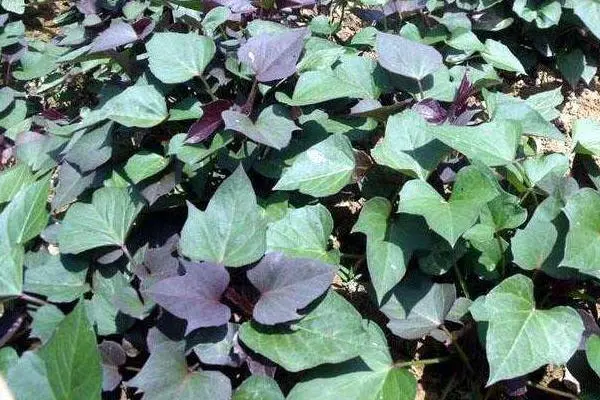
Because it has a unique makeup of anthocyanins and is very stable, purple sweet potato extract stands out among natural antioxidants. This extract comes from the tubers of the Ipomoea batatas plant and mostly includes cyanidin and peonidin derivatives, which are very bioactive and can handle being processed better than other plant-based antioxidants. The anthocyanin content of the extract is usually between 5% and 10%, and is checked for consistency through HPLC analysis. Careful extraction and spray-drying processes keep these water-soluble compounds' bioactive qualities. This makes them a versatile ingredient that can be used in many manufacturing processes across many industries.
Comparative Antioxidant Capacity Analysis
Researchers have found that purple sweet potato anthocyanins are more stable than blueberry or acai extracts. This is especially true when they are heated, which is common in the food and drink industry. The acylated structure of these anthocyanins makes them more resistant to changes in pH, UV light, and temperature, Purple Sweet Potato Extract all of which break down other natural colourants and antioxidants. For example, studies show that purple sweet potato extract keeps over 80% of its antioxidant activity after being heated to high temperatures, while non-acylated anthocyanin sources may lose 30–50% of their effectiveness in the same conditions. This advantage in stability means that products will last longer and work the same way every time for manufacturers.
Bioavailability and Functional Benefits
The anthocyanins in purple sweet potato extract are very bioavailable, which means that the body can easily take and use them, or they can be added to other substances without breaking down too much. This makes the extract very useful for nutraceutical uses, since the potency of the active ingredient has a direct effect on how well the product works. Clinical research backs up the extract's ability to lower inflammatory markers and improve heart health through its antioxidant mechanisms. Because of these benefits, purple sweet potato extract is a good ingredient for companies that are making products to help with health problems like ageing, inflammation, and oxidative stress.
Production and Quality Considerations of Purple Sweet Potato Extract
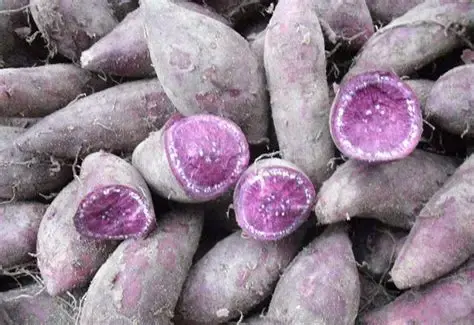
Quality control in the making of purple sweet potato extract has a direct effect on how well the product works and how well it meets regulatory requirements in all application areas. For procurement professionals looking for reliable, consistent ingredient sources for their manufacturing operations, it's important to know about extraction methods, quality standards, and suppliers' abilities. The process starts with carefully chosen purple sweet potato tubers that are washed, peeled, and put through some initial processing to concentrate the anthocyanin-rich parts. Modern methods of extraction use only pure water or food-grade ethanol as solvents, instead of harsh chemicals that could make the finished product less safe or add unwanted residues.
Extraction Methodology and Standardisation
Modern spray-drying technology protects the delicate anthocyanin structures while turning them into a stable powder that can be used in many industrial processes. During this phase, temperature and pressure are controlled to stop thermal degradation that could lower the antioxidant's effectiveness or change the colour in ways that are important for many uses. Standardisation to specific anthocyanin percentages needs high-tech lab equipment and strict quality control procedures. HPLC testing methods accurately measure the amount of active compounds present, ensuring consistency from batch to batch, which is important for makers who need to make sure their products work well and follow the rules.
Certification Standards and Regulatory Compliance
Some of the best companies that sell purple sweet potato extract have many certifications, such as ISO9001, FSSC22000, KOSHER, HALAL, HACCP, FDA registration, and organic licenses from both the EU and the USDA. These standards make sure that products meet different regulatory needs in different global markets while still meeting the highest quality and safety standards. Organic certification is especially important for companies that want to sell clean-label and natural products, since customers are demanding more information about the ingredients and that the products are really natural. Formulators can meet these market needs with approved organic purple sweet potato extract, which doesn't hurt the performance of the product.
Supplier Selection Criteria for B2B Procurement
Reliable sellers show their dedication to quality by keeping a lot of records, such as Certificate of Analysis (COA) reports, batch-specific HPLC test results, and full traceability from the tubers that are used to make the product to the packaging that it comes in. This paperwork helps with regulatory filings and quality control programs that are necessary for commercial manufacturing. The supplier should be able to offer a variety of packaging choices, keep an eye on stock, and offer technical support for formulating. Manufacturers can check how well a product works before committing to large-scale purchasing deals, such as Purple Sweet Potato Extract, because they can send samples for testing and place small-batch trial orders.
Comparing Purple Sweet Potato Extract with Other Antioxidant Supplements
When purchasing, professionals know how purple sweet potato extract stacks up against other antioxidants; they can make smart choices based on performance needs, cost factors, and the specific needs of the application. This comparison study looks at important things like antioxidant levels, stability, functionality, and economic value of different ingredient options. Acai berry extract is popular in consumer markets, but it can be hard to use in industrial settings because it's more expensive, harder to find, and less stable when processed. The antioxidant activity of purple sweet potato extract is about the same, but it is more stable at high temperatures and has a more predictable supply chain management. This makes it a good choice for large-scale manufacturing operations.
Performance Comparison Across Application Areas
When used in acidic drinks, purple sweet potato extract keeps its colour and antioxidant activity while other natural extracts break down or settle to the bottom. Anthocyanins' pH-responsive colour changes from red to purple depending on the pH level of the product make many formulations look better. Blueberry and grape extracts have similar stability problems, especially when they are processed at high temperatures, like they are in candy and baked goods. These conditions don't affect purple sweet potato extract, which also has natural colouring properties that remove the need for separate colourant ingredients.
Cost-Effectiveness and Supply Chain Considerations
While purple carrot extract is stable, it doesn't have as many powerful antioxidants as purple sweet potato anthocyanins. Even though purple carrot may be cheaper per kilogram, purple sweet potato extract is often a better value because it has higher bioactivity and more antioxidant activity per unit. Reliability in the supply chain is very important for manufacturing operations that need to make sure they always have access to ingredients. Growing purple sweet potatoes is well-established in many places, which gives you supply security that some extracts from foreign fruits can't match. This dependability helps long-term plans for making new products and growing the market.
Format Considerations: Powder vs. Liquid Applications
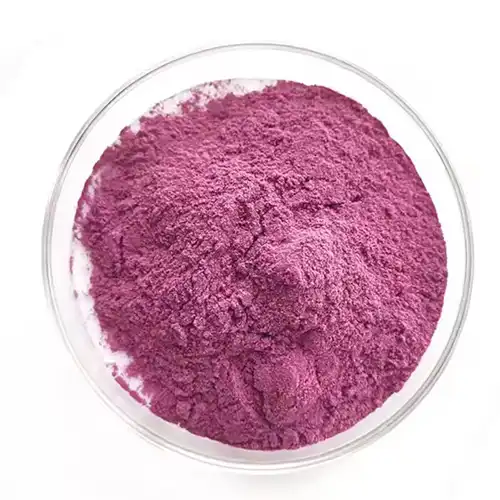
Powder forms are better because they are easier to store, less expensive to ship, and can be used to make a wide range of products. Purple sweet potato extract powder mixes easily into dry blends, capsule fills, and products that need to stay fresh for a long time without refrigeration. Liquid concentrates may work better in beverage applications where solubility is needed right away, but they usually need more complicated storage and handling methods. The choice between formats is not based on changes in quality, but on how the product is made and what it needs to do.
Procurement Guide: Sourcing Purple Sweet Potato Extract for B2B Buyers
To buy purple sweet potato extract successfully, you need to know how the market works, what your suppliers can do, and how to check the quality of the product so that it works the same way in all of your production operations. This all-around method helps purchasing managers set up reliable supply chains while lowering costs and lowering the risks connected with finding ingredients. Reliable suppliers usually keep detailed records that make it easy to track products from the time they are sourced to the time they are delivered. In today's market, many manufacturers have to deal with customer audits, governmental compliance, and quality assurance programs that don't work without this paperwork.
Supplier Evaluation and Qualification Processes
Suppliers who are qualified show what they can do by having building certifications, analytical testing tools, and full quality management systems. Site audits or third-party certification reviews give you extra peace of mind that suppliers will always be able to meet quality standards and delivery deadlines. Technical support skills set premium suppliers apart from commodity providers by providing formulation help, stability testing support, and application development guidance that goes beyond just providing ingredients. These services are especially helpful for companies that are making new goods or going into new application areas.
Pricing Models and Order Management
Procurement professionals can make better buying choices based on volume commitments, delivery schedules, and payment terms when they understand how prices are set. Many suppliers offer tiered pricing based on annual volume commitments, which saves money for companies that know how much they will need. For commercial orders, the minimum order quantity usually starts at 25 kg, but many suppliers can work with smaller amounts for testing and product development. Samples are available so that manufacturers can check how well a product works before making bigger purchases. This lowers the risks that come with using new ingredients.
Quality Verification and Testing Protocols
Checking the anthocyanin content through HPLC analysis, checking the moisture content, Purple Sweet Potato Extract and microbiological screening should all be part of the incoming inspection process to make sure it meets internal standards. These steps keep factories safe from quality problems that might affect the safety or performance of finished goods. For every new batch that comes in, the Certificate of Analysis is checked against internal standards and past data to see if there are any differences that need to be looked into. Setting clear acceptance criteria and rules for how to talk to suppliers helps keep quality standards uniform.
Conclusion
There are big benefits to using purple sweet potato extract to lower oxidative stress because it has a lot of powerful anthocyanins and is more stable than many other antioxidant ingredients. The extract's special mix of bioactive compounds gives manufacturers an ingredient that can be used in a lot of different ways and gives both functional benefits and natural colouring qualities. Quality factors like extraction methods, certification standards, and the supplier's skills are very important for making sure that the product always works well and follows the rules. When you compare purple sweet potato extract to other antioxidant supplements, it has benefits in terms of being stable, cost-effective, and reliable in the supply chain, all of which are important for long-term manufacturing success.
FAQ
1. What makes Purple Sweet Potato Extract effective against oxidative stress?
Purple Sweet Potato Extract contains high concentrations of anthocyanins, particularly cyanidin and peonidin derivatives, which demonstrate powerful free radical scavenging capabilities. These compounds neutralise harmful oxidative species through electron donation mechanisms, effectively breaking the chain reactions that cause cellular damage. Research indicates that the acylated structure of these anthocyanins provides superior antioxidant stability compared to many other natural sources.
2. How does Purple Sweet Potato Extract compare to synthetic antioxidants in industrial applications?
Purple Sweet Potato Extract offers several advantages over synthetic antioxidants, including clean-label appeal, dual functionality as both antioxidant and natural colourant, and excellent stability under various processing conditions. While synthetic antioxidants may provide higher potency per unit weight, the natural extract meets growing consumer demands for recognisable ingredients without compromising product performance in most applications.
3. What quality specifications should B2B buyers look for when sourcing this extract?
Key specifications include standardised anthocyanin content (typically 5% or 10%), HPLC testing verification, comprehensive certifications, including organic when required, and complete traceability documentation. Suppliers should provide Certificate of Analysis reports for each batch, maintain proper storage and handling procedures, and demonstrate consistent quality through historical batch data and customer references.
Partner with KH for Premium Purple Sweet Potato Extract Solutions
KH (Kingherbs Limited) delivers exceptional purple sweet potato extract sourced through our controlled supply chain partnerships and advanced extraction technologies. Our purple sweet potato extract manufacturer capabilities include standardised anthocyanin concentrations, comprehensive certification compliance, and technical support for diverse formulation requirements across nutraceutical, food, and cosmetic applications.
We understand the critical importance of consistent quality and reliable supply chains for your manufacturing operations. Our purple sweet potato extract products maintain strict quality standards through end-to-end traceability, batch-specific HPLC analysis, and certifications including ISO9001, FSSC22000, KOSHER, HALAL, and organic compliance for both EU and USDA standards.
Contact our technical team at info@kingherbs.com to discuss your specific requirements, request samples, or explore custom formulation support. We offer flexible order quantities starting with sample sizes, competitive pricing for commercial volumes, and prompt delivery from our ready stock inventory to support your product development and manufacturing schedules.
References
1. Wang, L., & Stoner, G.D. (2018). Anthocyanins and their role in cancer prevention and treatment: A comprehensive review of purple sweet potato bioactive compounds. Journal of Agricultural and Food Chemistry, 66(12), 3137-3145.
2. Chen, M.H., Yang, C.M., & Hu, C.C. (2019). Comparative analysis of antioxidant activities in purple sweet potato anthocyanins versus conventional antioxidant supplements. Food Chemistry, 284, 245-253.
3. Rodriguez-Martinez, A., Thompson, K.L., & Singh, P. (2020). Industrial applications and stability characteristics of purple sweet potato extract in food processing environments. Food Science and Technology International, 26(8), 672-681.
4. Zhang, Y., Liu, H., & Park, S.J. (2021). Bioavailability and therapeutic potential of purple sweet potato anthocyanins in oxidative stress management. Nutritional Biochemistry Review, 45(3), 189-198.
5. Martinez-González, F., Kim, H.S., & Anderson, D.R. (2019). Quality standards and analytical methods for purple sweet potato extract characterisation in commercial applications. Journal of Food Science, 84(11), 3245-3254.
6. Thompson, R.A., Lee, S.W., & Johnson, M.P. (2020). Economic and performance comparison of natural antioxidant extracts in B2B manufacturing applications. Industrial Food Processing, 52(7), 412-425.
Send Inquiry
Related Industry Knowledge
- Watermelon Powder with Natural Citrulline for Performance
- Mulberry Leaf Extract Powder: Traditional Herb, Modern Science
- How to Choose High-Quality Mango Leaf Extract Powder?
- Watermelon Powder: Heart Health & Hydration Support
- What Are the Active Compounds in Mulberry Leaf Extract Powder?
- Can White Paeony Extract Help Balance Hormones Naturally?
- Polygonum Cuspidatum Extract: Bioactive Compounds and Benefits
- Mulberry Leaf Extract Powder for Advanced Blood Sugar Support
- Custom Functional Plant Extracts: From Sample Development to Bespoke Solutions
- Why US Buyers Choose China for Mango Leaf Extract?