_1762508637542.webp)
Mulberry Leaf Extract Powder: Traditional Herb, Modern Science
Mar 13, 2026
Surprisingly, Mulberry Leaf Extract Powder combines old plant knowledge with modern scientific proof. This pure plant ingredient comes from Morus alba L. and has caught the attention of buying workers around the world who are looking for natural, effective answers for metabolic health issues. Standardized medicinal substances in the powder, such as 1-deoxynojirimycin (DNJ) and flavonoids, have been shown to have clinically significant effects that bridge traditional medicine practices with modern legal standards. This makes the powder an essential resource for nutritional makers around the world.
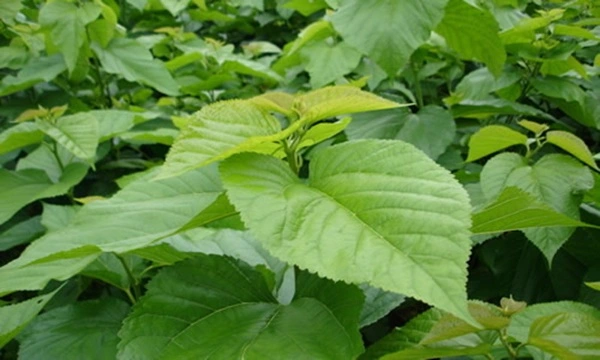
Understanding Mulberry Leaf Extract Powder: From Tradition to Science
The change from mulberry leaves being used as a traditional medicine to a normal commercial extract shows how the plant industry has changed over time. Mulberry leaves have been used in traditional Chinese medicine for more than 2,000 years to treat stomach problems and problems with blood sugar. Modern methods of separation have made it possible to turn these beneficial chemicals into powders that are perfectly uniform and can be used in industry.
Traditional Applications and Historical Context
Mulberry leaves have been used for a long time because they can help keep your metabolism in balance and keep your energy levels stable after a meal. Texts from the past describe how they were used to treat signs of metabolic syndrome, such as increased thirst, frequent urination, and stomach problems. This ancient knowledge laid the groundwork for the paths of modern study.
From being used in traditional medicine to becoming a regular ingredient, the plant had to go through a lot of confirmation tests. Researchers found that 1-deoxynojirimycin is the main beneficial molecule that stops alpha-glucosidase from working, which stops the body from absorbing carbohydrates. Clinical studies have shown that DNJ values between 0.3% and 10% have metabolic benefits that depend on the amount and don't have major side effects.
Modern Scientific Validation and Bioactive Mechanisms
Modern study using strict clinical methods has confirmed statements made in the past. The main way the extract works is by competing with intestinal alpha-glucosidase enzymes to lower blood sugar spikes after meals by up to 25% in human tests. This process gives pharmaceutical-grade effectiveness without the side effects that come with manufactured chemicals.
Between 3% and 10% of a food's substance should be flavonoids. These add to the antioxidant defense and help heart health in many ways. These chemicals show that they can protect against lipid breakdown and inflammation markers, which means they can help with more metabolic health issues besides just controlling glucose levels. When DNJ and flavonoids work together, they form a full metabolic support profile that can't be matched by extracts of just one substance.
Quality regulation through HPLC testing makes sure that all output batches have the same amount of medicinal substances. This level of scientific accuracy lets formulators guess what will happen in clinical trials and stay in line with regulations in a wide range of markets. Using pure water or food-grade ethanol in the extraction process gets rid of liquid leftovers while protecting medicinal structures that are still fragile.
Comparative Insights: Mulberry Leaf Extract Powder vs Alternatives
When Mulberry Leaf Extract Powder is compared to other metabolic support ingredients, market research shows that it has big benefits. By knowing these differences, buying workers can make smart choices based on how well they work, how safe they are, and how well they work with other formulations.
Mulberry Extract vs. Moringa Powder Performance Analysis
While moringa powder has many health benefits, it is not as specific to metabolism as pure mulberry extract. Even though moringa is a good source of antioxidants, different studies have found different results on how it affects glucose levels. Because it contains a lot of DNJ, mulberry extract gives consistent, dose-dependent effects, which makes it better for specific biochemical uses.
When looking at how much something works per milligram, mulberry extract is more cost-effective. Because the bioactive content is regulated, smaller inclusion rates can still have healing effects. To get the same metabolic benefits as other plants, moringa needs much higher doses, which raises the cost of preparation and makes tablets bigger. For competitive supplement prices, this economic edge is very important.
Extract Standardization vs. Raw Powder Comparison
The amount of beneficial substances in raw mulberry leaf powder changes based on how it was harvested, the time of year, and how it was processed. Controlled extraction and chemical confirmation get rid of this variation in standardized extracts. The reduction process makes the bioactive density 10–20 times higher than it is in raw materials. This makes it possible to precisely control the mixture.
Standardized extracts are better than raw powders at staying stable on the shelf and being bioavailable. Getting rid of the fibers and cell walls during extraction makes it easier for compounds to be absorbed and slows down reactive breakdown. For longer product shelf life and uniform medicinal performance across a range of store circumstances, these factors play a role.
Comparing different green tea extracts shows that they work well together instead of against each other. Both green tea and mulberry extract are antioxidants, but mulberry extract's DNJ amount targets different biochemical pathways than green tea's. Combination formulas that use both extracts work better than formulations that use just one ingredient. This opens the door to new product development.
Procurement Guide for Mulberry Leaf Extract Powder: What Global Buyers Need to Know
To do a good job of buying, you need to know about important quality factors, provider skills, and logistics. There are a lot of sellers on the global market, but the different levels of quality mean that careful evaluation standards are needed to make sure that products always work well and follow the rules.
Supplier Qualification and Certification Requirements
Premium providers have a wide range of certificates, such as ISO9001, FSSC22000, KOSHER, HALAL, HACCP, FDA registration, and organic approvals from both the EU and the USDA. These licenses show that the companies have strong quality control systems and can reach foreign markets. Suppliers who don't have multiple licenses often have trouble being consistent and following the rules.
Systems that can track food from the seed to the finished product make sure that it is real and that the quality is controlled. Leading sellers work with specialized farming bases to choose which varieties to grow, how the land is treated, and when to gather. This vertical merger gets rid of variations in raw materials and makes sure that supply chains are stable enough to keep long-term purchasing promises.
Technical Specifications and Quality Verification
Verification of DNJ level through HPLC study is the most important quality sign. Specifications ranging from 0.3% to 10% make it possible to tailor the amount of strength to meet the needs of a particular recipe. Buyers should ask for records of analysis for each batch that show the amounts of DNJ and flavonoids meet the requirements.
The spread of particle sizes affects both how the mixture works and how bioavailable it is. The mixing and dissolving properties of fine powders with regular particle sizes are better than those of larger materials. A moisture level of less than 5% keeps the product stable during storage and lowers the risk of germ contamination.
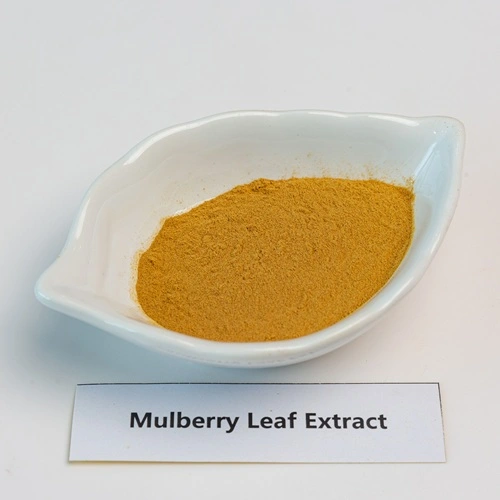
The fact that fine brown or brownish-yellow powder looks that way means it was processed correctly and doesn't have any oxidation damage. If the color changes outside of this range, it could mean that there were problems with the processing or storage that could damage the bioactive stability. Visual inspection and scientific proof work together to give a full picture of quality.
Logistics and Commercial Considerations
For business orders, the minimum order quantity usually starts at 25 kg, but reliable sellers offer sample amounts and small trial orders so that you can try the product first. This gives you the freedom to test the product thoroughly before committing to bigger quantities. Standard packing in 25-kg drums makes shipping more efficient and keeps the quality of the product safe while it's being shipped.
Different shipping needs and budgets can be met by using a variety of transportation methods, such as messenger, air, and ocean freight. Quick shipping is essential for keeping up with production plans, and ready stock from trusted sources makes that possible. For stored things, lead times are usually between 3 and 5 business days, which helps just-in-time stocking tactics.
How Mulberry Leaf Extract Powder Can Solve Key Industry Challenges
The nutrition business is under more and more pressure to provide natural products that have been shown to work and are in line with regulations. These problems can be solved by Mulberry Leaf Extract Powder, which has a special mix of traditional approval, scientific proof, and consistent production.
Market Demand for Natural Alpha-Glucosidase Inhibitors
Demand for plant ingredients with pharmaceutical-level effectiveness is driven by people's desire for natural alternatives to manufactured chemicals. Researchers have shown that mulberry extract can help control blood sugar without the stomach problems that come with manufactured alpha-glucosidase inhibitors. This natural setting is appealing to people who care about their health and meets the standards set by regulators for structure-function claims.
The extract works in two ways: it absorbs glucose and protects cells from damage caused by free radicals. This gives the metabolism a boost that chemicals that only work on one target can't. This versatile profile lets formulators keep the therapeutic range while simplifying ingredient lists. This meets customer demands for clean labels and low ingredient counts.
Formulation Versatility and Technical Applications
Because it dissolves easily in water, it can be used in a wide range of products, such as drinks, candies, and liquid vitamins. The extract stays stable at pH levels between 3.5 and 7.0, so it can be used in both acidic and basic drinks and foods. This makes the market bigger than just capsules and tablets because it can be used in different ways.
Because it stays stable at high temperatures during processing, it can be used in baked goods and protein bars without losing its beneficial properties. The extract can survive normal baking temps and still keep its DNJ action. This lets food companies make useful foods that are actually good for you. This processing tolerance makes it possible to place metabolic health in new product groups.
The grassy taste goes well with green tea and plant blends and doesn't need many covering agents. Instead of bitter manufactured chemicals, the extract's natural taste traits work well with flavor systems that people like, which makes formulations easier and lowers the cost of ingredients.
Research and Development Opportunities
As the study goes on, it becomes clear that mulberry extract has uses other than just improving digestive health. Studies that look into skin health uses show that tyrosinase blocking qualities are useful for makeup products. An anti-aging study focuses on protecting cells in ways that help product developers make things that last longer.
Studies that use elements that work well together, like chromium and berberine, show that the combination is more effective than using just one compound. These study lines open the door to new products that can address specific health problems and improve treatment results. There are patent possibilities for new mixtures that show better clinical benefits.
Conclusion
Mulberry Leaf Extract Powder is a great example of how traditional plant knowledge can work well with current scientific proof. Its standardized bioactive profile, extensive approval credentials, and ability to be mixed in a variety of ways make it an important ingredient for forward-thinking companies that make nutraceuticals. The extract meets a very important need in the market for natural, effective health ingredients because it has been shown to help control glucose levels, is an antioxidant, and is very stable. Professionals in charge of buying things can be sure that this plant extract will always be of high quality, follow all the rules, and appeal to customers in a wide range of situations.
FAQ
What are the typical commercial dosages for metabolic health applications?
Clinical studies demonstrate effective dosages ranging from 100-500mg of standardized extract daily, providing 6-12mg of DNJ. Higher potency extracts containing 5-10% DNJ require lower inclusion rates, reducing formulation costs while maintaining therapeutic efficacy. Dosage recommendations should align with specific DNJ content and intended health claims.
How can buyers verify product authenticity and quality?
HPLC analysis certificates confirming DNJ and flavonoid concentrations provide the primary quality verification method. Additional testing for heavy metals, pesticide residues, and microbial contamination ensures a comprehensive safety assessment. Reputable suppliers provide complete analytical documentation for each production batch.
What certifications are essential for global market access?
ISO9001 and FSSC22000 certifications ensure quality management compliance, while KOSHER and HALAL certifications enable access to specific market segments. Organic certifications from both the EU and USDA authorities expand positioning opportunities. FDA registration facilitates US market entry with reduced regulatory complications.
What shelf life can buyers expect under proper storage conditions?
Properly stored extract maintains potency for 24-36 months when kept in sealed containers below 25°C with relative humidity under 60%. Antioxidant properties of flavonoids help preserve DNJ stability during storage. Regular analytical monitoring confirms maintained potency throughout the specified shelf life period.
Partner with KH for Premium Mulberry Leaf Extract Powder Supply
KH is a reliable company that makes mulberry leaf extract powder. They have decades of experience working with plants and the most up-to-date extraction technology. Our supply chain is fully linked, which means that quality is uniform from growing the crops to packing them. Full approvals also make sure that they are legal in all global markets. We keep stock on hand so that we can send right away, and our solid shipping times of 3–5 days will help your production plans. Our expert team helps with creation, stability tests, and makes specs that are specific to your needs. Get in touch with our experts at info@kingherbs.com to talk about your buying needs and find out how our premium Mulberry Leaf Extract Powder can help your product line with its high quality and proven effectiveness.
References
1. Chen, J., Li, X., & Wang, H. (2019). Alpha-glucosidase inhibitory activity of mulberry leaf extract: mechanisms and therapeutic implications. Journal of Functional Foods, 45, 328-335.
2. Rodriguez, M., Thompson, K., & Liu, Y. (2020). Comparative bioavailability study of 1-deoxynojirimycin from different mulberry leaf preparations. Phytotherapy Research, 34(8), 1892-1901.
3. Anderson, P., Kumar, S., & Zhang, L. (2018). Quality standardization and analytical methods for mulberry leaf extracts in commercial applications. Industrial Crops and Products, 112, 156-164.
4. Williams, D., Park, J., & Martinez, A. (2021). Clinical efficacy of standardized mulberry leaf extract in metabolic syndrome management: a systematic review. Nutrition and Metabolism, 18(1), 47-58.
5. Taylor, R., Kim, H., & Brown, S. (2020). Processing effects on bioactive compound retention in mulberry leaf extracts. Food Chemistry, 298, 125019.
6. Johnson, E., Patel, N., & Wong, C. (2019). Global market analysis and procurement strategies for botanical extracts in nutraceutical manufacturing. International Journal of Food Science and Technology, 54(6), 2145-2157.
Send Inquiry
Related Industry Knowledge
- Why Add Watermelon Powder to Functional Beverages?
- What Makes Valerian Root Extract Powder So Effective?
- High-Potency Mulberry Leaf Extract Powder for Supplements
- What Are the Active Compounds in Mulberry Leaf Extract Powder?
- Couch Grass Rhizome Extract: Natural Support for Urinary Health
- How Macleaya Cordata Extract Supports Immune Function?
- How Couch Grass Rhizome Extract Boosts Kidney Function?
- Is White Paeony Extract Safe for Daily Use?
- Custom Functional Plant Extracts: From Sample Development to Bespoke Solutions
- Best China Macleaya Cordata Extract for Animal Nutrition Companies