_1762508637542.webp)
How to Choose High-Quality Mango Leaf Extract Powder?
Mar 6, 2026
Focus on standardised Mangiferin content (10–95%) when choosing high-quality Mango Leaf Extract Powder for your production needs. This can be confirmed through HPLC testing methods. High-quality plant products from Mangifera indica L. Should show steady potency, full certifications including organic compliance, and the right paperwork about where the ingredients came from. To make sure that nutraceutical formulations meet pharmaceutical-grade standards, good providers offer detailed Certificates of Analysis, multi-residue pesticide screening, and batch-level traceability.
Understanding Mango Leaf Extract Powder: Key Facts and Benefits
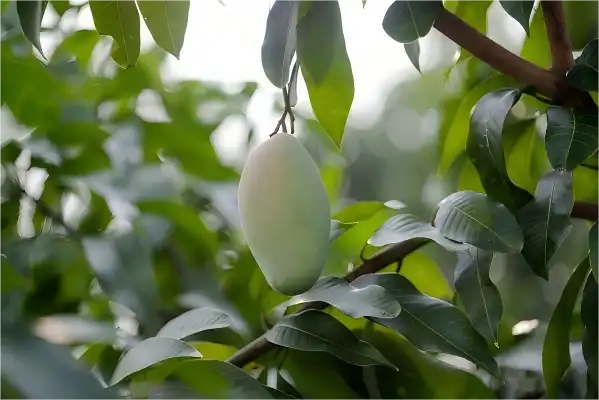
Mango leaf extract powder is a sophisticated botanical ingredient that is becoming more popular in the medicinal and nutraceutical fields. This high-quality extract comes from the leaves of Mangifera indica L., a tropical plant that has been used for hundreds of years in traditional medicine. Mango leaf extract is an important part of modern formulation plans because of the growing need for natural ingredients that have been proven to work by science.
Botanical Composition and Active Compounds
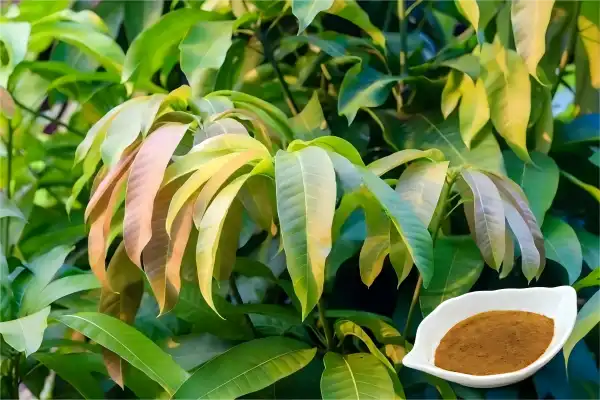
The therapeutic efficacy of mango leaf extract powder stems from its rich phytochemical profile, particularly the presence of Mangiferin, a xanthone glucoside with the molecular formula C₁₉H₁₈O₁₁. This bioactive compound serves as the primary marker for standardisation, with quality extracts containing concentrations ranging from 10% to 95% Mangiferin content. Beyond Mangiferin, the extract contains complementary compounds, including homomangiferin, isomangiferin, and various phenolic acids that contribute to its comprehensive therapeutic profile.
The standardised extract looks like a fine, brownish-yellow powder that stays stable very well. High-quality mango leaf extract powder stays stable at temperatures up to about 180°C. This means it can be used in some manufacturing processes, such as hot-fill applications and thermal processing methods that are popular in functional food production.
Scientific Evidence and Health Benefits
Researchers have found that Mangiferin has amazing hepatoprotective qualities. It protects the liver from compounds that damage it and helps liver cells grow back. Through its anti-inflammatory effects, clinical studies show that it is very effective at lowering the chance of fatty liver and managing hepatitis symptoms.
Peer-reviewed studies have shown that the extract can help with breathing problems. For example, it has been shown to reduce inflammation in the airways, which can help people with chronic bronchitis. These anti-inflammatory effects work throughout the body, helping with a wide range of inflammatory conditions naturally and without the harmful effects that come with synthetic options.
Another important benefit is that Mangiferin is an antioxidant that can effectively remove harmful free radicals and protect cells from oxidative stress and cellular ageing. This mechanism is especially useful in cosmetics where UV protection and anti-ageing qualities are very important.
Industrial Applications Across Sectors
Mango leaf extract is used by drug companies to make hepatoprotective formulas. The recommended daily dose is between 200 mg and 400 mg while under medical care. The standardised potency of the extract makes it possible to do accurate dosing estimates, which are very important in pharmaceutical settings.
Nutraceutical businesses like the ingredient because it can be used in liver detoxification complexes, immune support formulations, and anti-inflammatory products that are aimed at health-conscious consumers. Mangiferin comes from plants, which is in line with the current market move toward botanical ingredients over synthetic ones.
The extract's soothing features are used in facial creams, serums, and anti-ageing masks by cosmetics makers. Because the ingredient works well with formulas for sensitive skin, it is especially useful for high-end skin care products that need to be both gentle and effective.
Core Criteria for Selecting High-Quality Mango Leaf Extract Powder
When reviewing suppliers of mango leaf extract, people who work in procurement have to deal with a lot of complicated quality criteria. The selection process requires close attention to analytical standards, sourcing practices, and manufacturing methods that have a direct effect on how well the product works and how well it meets regulatory requirements.
Analytical Testing and Standardisation Methods
High-Performance Liquid Chromatography (HPLC) is the best way to measure how much Mangiferin is in good mango leaf extract powder. This analytical method accurately measures the amounts of active compounds, making sure that there is stability from batch to batch, which is important for pharmaceutical and nutraceutical uses. When using UV spectrophotometry for important tasks, you should stay away from it because other polyphenolic chemicals can mess it up and give you wrong results.
Good sellers give full Certificates of Analysis that show not only the amount of Mangiferin in the product, but also the moisture level, the amount of ash, and how the particles are sized. Premium extracts usually have particles that are 95% smaller than 80 mesh. This makes sure that they can flow easily during encapsulation processes and are spread out evenly in powder mixes.
Contamination Screening and Safety Protocols
Pharmaceutical-grade extracts are different from commodity-level materials because they go through strict screening processes for contaminants. Heavy metal analysis has to stick to strict limits, like Lead <2ppm, Cadmium <1ppm, and Mercury <0.1ppm. These limits must be checked using atomic absorption spectroscopy or ICP-MS.
Given that the raw materials come from farms, pesticide residue analysis is an important part of the review process. Compliance with USP standards and EU Regulation 396/2005 is guaranteed by multi-residue screening that looks at more than 500 substances. Systemic poisons are especially dangerous because they can build up in leaf tissue as plants grow.
Microbiological tests must show that the Total Plate Count is less than 100cfu/g and that tests for harmful organisms, such as E. coli, Salmonella, and Staphylococcus aureus. These factors make sure that the product is safe at all stages of the supply chain and when it is used by the end user.
Extraction Technology and Processing Methods
The clean extraction methods used to make premium mango leaf extract powder use water or food-grade ethanol as solvents. These methods keep the natural structure of bioactive chemicals and don't leave behind any solvents that could make the product less safe or less acceptable to regulators.
The quality of the finished product is directly related to how well the Mangiferin is extracted, since the best processing parameters maximise Mangiferin recovery while minimising the breakdown of heat-sensitive compounds. Advanced sellers use standard extraction methods that keep the strength of each batch of production the same.
Good Production Practices (GMP) standards should be used in the production process, along with thorough documentation systems that make it possible to track the whole process from receiving the raw materials to releasing the finished product.
Certification and Compliance Requirements
Full certification portfolios show that a provider is dedicated to quality and following the rules. Some important qualifications are ISO9001 for quality management systems, FSSC22000 for food safety management, and organic certifications from well-known groups like the USDA and the EU.
Religious licenses, like KOSHER and HALAL, make it easier for companies that serve a wide range of customers to get into new markets. Systematic risk assessment and key control point management are used throughout the production process to get HACCP certification.
When providers are going after the North American market, FDA registration gives them extra peace of mind, and following pharmacopeial standards (USP, EP) makes sure that the products are safe for use in medicines.
Comparing Mango Leaf Extract Powder with Alternative Products
When choosing a strategic product, mango leaf extract powder needs to be carefully compared to other plant ingredients and processing methods. Procurement workers can use this comparative analysis to make smart choices based on specific application needs and market positioning goals.
Mango Leaf Extract Versus Traditional Tea Products
Mango leaf tea products come from the same plant source as standardised extract powders, but they have much smaller concentrations of active compounds. Mangiferin levels in traditional tea processing ways are usually less than 2%, but pharmaceutical-grade extracts reach 10–95% standardisation levels.
Because extract powders are more concentrated, they can be used in a wider range of formulations. This means that manufacturers can achieve therapeutic dose levels in standard capsule or tablet forms. Tea products need much bigger serving sizes to give the same amount of bioactive compounds, which makes them less useful in concentrated supplement formulations.
Extract powders are also easier to process because they are made from standard materials that make it easier to figure out the right dose and make batches that are all the same. The strength of tea goods can vary naturally depending on how they were grown, when they were harvested, and how they were processed, which can make formulation consistency less reliable.
Extract Powder Versus Fresh Leaf Preparations
Fresh mango leaves are not good for business manufacturing because they are only available during certain times of the year, break down quickly, and don't always have the same amount of potency. When stored properly, extract powders can last for 24 to 36 months, while new materials only last for a few days or weeks.
Standardisation is the main benefit of extract powders; controlled processing methods make sure that all output batches have the same amount of Mangiferin. The amounts of beneficial compounds in fresh leaves naturally change depending on how old the plant is, the weather, and how the leaves were handled after they were picked.
Extract powders are very good for manufacturing on a large scale because they work well with automated systems that make capsules, tablets, and powder mixes. Processing fresh leaves needs special handling tools and the ability to process them right away, which makes the process more complicated and costs more.
Organic Versus Conventional Processing Methods
Organic certification comes with higher prices, but it also gives clean-label products aimed at health-conscious customers big market advantages. Organic mango leaf extract powder usually costs 20–40% more than regular ones, but it lets you reach more expensive customers and make more money.
Organic certification helps with regulatory compliance by speeding up approval processes in markets with strict organic standards and lowering the amount of paperwork needed for claims about organic products. These benefits often make the extra money worth it for companies that want to reach high-end customers.
The main difference in quality between organic and standard extracts is how they were grown, not how well they were extracted. When the right steps are taken during production, both processing methods can reach the same amounts of Mangiferin standardisation and analytical quality.
How to Source and Procure Mango Leaf Extract Powder Efficiently
To buy mango leaf extract powder successfully, you need to carefully look at the skills of the suppliers, make sure they follow the rules, and think about the logistics that affect the quality of the product and how reliable the delivery is. Strategic buying practices keep supply chain risks to a minimum and make sure that materials that are safe for use in pharmaceuticals are always available.
Supplier Verification and Due Diligence
Facility audits that check for GMP compliance, equipment capabilities, and quality control systems are the first step in a full supplier review. Suppliers with a good reputation are happy to have third-party audits done and provide thorough documentation of their manufacturing processes, analytical methods, and quality assurance protocols.
A manufacturing capacity review makes sure that suppliers can meet the expected volume needs while still meeting quality standards. Some important metrics are the ability to produce, the method for managing inventory, and the backup supply plans that keep things running smoothly during times of high demand.
The financial stability evaluation guards against supply problems that come up because of problems with suppliers' businesses. Credit checks, customer references, and looking at how long a business has been around can give you information about how reliable a company is and how likely they are to be a good long-term partner.
Regulatory Compliance and Documentation
Different foreign markets have very different documentation needs, so a supplier's ability to comply is an important factor in choosing them. Certificates of Analysis, allergen statements, GMO status confirmations, and regulatory status summaries for target markets are all important pieces of paperwork.
Verification of import/export licenses makes sure that sellers keep the right paperwork for doing business internationally. These licenses show that you are following the rules of the starting country and make it easier to clear customs, which keeps shipments on schedule.
Traceability systems make it easy to quickly fix problems with quality and help meet government standards for recalling products if needed. Advanced sellers keep electronic batch records that show how raw materials are processed and how finished products are distributed.
Logistics and Supply Chain Management
The way a product is packed has a big effect on how stable it is during foreign shipping. Good suppliers use packaging that doesn't absorb moisture and has the right barrier properties, along with inert gas flushing, to keep goods from oxidising during long shipping times.
When choosing a means of transportation, costs and delivery times must be balanced. For urgent items, air freight can get them to you quickly, but it costs more than ocean freight for regular shipments. For sample sales and small-batch trial orders, courier services are flexible.
Getting through customs quickly relies on having the right paperwork and classification codes, which keep lines moving quickly at international borders. Experienced sellers give full shipping documents and work with well-known goods forwarders who know what botanical ingredient needs.
Sample Evaluation and Trial Programs
To get a good idea of how well an ingredient works in certain situations, the methods for testing samples should be the same as those used in full-scale production. Suppliers who offer full sample programs show that they are confident in the quality of their products and want their customers to be successful.
Trial orders let you check how well a supplier does at handling orders, packing, delivering on time, and making sure paperwork is correct. These small purchases give you useful information about the supplier's skills before you commit to bigger orders.
Premium suppliers are different from commodity suppliers because they offer technical support during the evaluation step. Access to formulation expertise, analytical support, and application advice is very helpful in many ways, in addition to just providing ingredients.
Making the Final Decision: Matching Your Procurement Needs with the Right Product
Aligning the specs of mango leaf extract powder with its intended uses in a strategic way ensures the best product performance and the highest return on investment. Decision frameworks need to take into account the needs of the application, the limitations of regulations, and the goals of market positioning, all of which affect the selection factors for ingredients.
Application-Specific Specification Requirements
When used in pharmaceuticals, the highest levels of purity and strictest quality controls are needed. Usually, Mangiferin needs to be standardised above 90% with full impurity profiles. Because of these uses, pharmaceutical-grade materials that meet pharmacopeial standards and help with regulatory reports can be priced higher.
Nutraceutical formulations usually use moderate standardisation amounts (40–60% Mangiferin) that strike a balance between cost and effectiveness needs. These uses get extra benefits from being certified organic and having a clean name, and the prices stay low for consumer markets.
When used in cosmetics, stability and compatibility with formulation methods are more important than maximum effectiveness. Lower standardisation levels (10–20% Mangiferin) usually work well for topical uses that need to be gentle and safe for the skin.
Cost-Benefit Analysis and Budget Optimization
Shipping costs, minimum order quantities, and inventory holding costs all affect the general economics of procurement and must be taken into account when figuring out the total cost of ownership. Even though their unit prices are higher, suppliers who let you change the number of items you buy and deliver to different areas often offer better value.
When choosing a provider, you need to think about the costs that come with quality, such as analytical testing, following the rules, and possible product recalls. These hidden costs are cut down by premium providers with strong quality systems, and you can be more sure that the quality of the products you buy will stay high.
Long-term benefits of partnerships, such as technical support, help with formulations, and working together to create markets, add a lot of value on top of just providing ingredients. These partnerships often allow higher prices to be justified by lower development costs and faster time-to-market for new goods.
Risk Management and Supply Security
Diversifying the supply chain lowers the risks that come with relying on a single source, which can leave you open to attack when there are problems with the supply. Having a lot of qualified suppliers gives you backup choices and keeps prices and service levels competitive.
Strategies for managing inventory need to weigh the costs of keeping items in stock against the risks of running out, which can throw off production plans. Suppliers that offer just-in-time shipping and flexible order scheduling help businesses get the most out of their inventory investments and make sure materials are always available.
Quality assurance agreements spell out exactly what is expected in terms of product specs, testing procedures, and corrective actions that keep quality risks to a minimum. These agreements protect both parties legally and make sure that the standard of the products is always the same throughout the business relationship.
Conclusion
To choose high-quality Mango Leaf Extract Powder, you need to look at analytical standards, the supplier's skills, and the specific needs of the application to make sure the product works at its best. Prioritising HPLC-verified Mangiferin standardisation, thorough contamination screening, and approved organic processing methods that meet pharmaceutical-grade quality standards are key to success. Strategic relationships with suppliers that offer technical support, flexible order quantities, and detailed documentation give businesses advantages that go beyond just getting ingredients. These advantages cover everything from formula development and market success to finding new ingredients.
FAQ
What standardisation levels are recommended for different applications?
Pharmaceutical applications typically require 90-95% Mangiferin standardisation for maximum therapeutic efficacy, while nutraceutical formulations utilise 40-60% levels that balance potency with cost considerations. Cosmetic applications often employ 10-20% standardization levels sufficient for topical benefits while ensuring formulation compatibility.
How do you verify organic certification authenticity?
Authentic organic certification requires verification through accredited certifying bodies such as USDA Organic or EU Organic standards. Valid certificates include specific batch numbers, expiration dates, and certifying agency contact information. Cross-reference certification numbers with issuing agency databases to confirm authenticity.
What are typical lead times for mango leaf extract orders?
Sample quantities and stock products typically ship within 3-5 business days, while custom formulations may require 2-3 weeks for production. Bulk orders exceeding 500kg often need a 4-6 week lead time, depending on standardisation requirements and supplier inventory levels.
What storage conditions maintain product stability?
Optimal storage requires cool, dry conditions below 25°C with relative humidity under 60%. Light-resistant containers prevent photodegradation of sensitive compounds, while nitrogen flushing extends shelf life by preventing oxidation during long-term storage.
How do you evaluate supplier quality control capabilities?
Comprehensive quality assessment includes review of analytical testing capabilities, GMP certification status, and batch documentation systems. Request facility audit reports, customer references, and examples of Certificates of Analysis to evaluate testing thoroughness and documentation quality.
Partner with KH for Premium Mango Leaf Extract Powder Supply
KH (Kingherbs Limited) delivers pharmaceutical-grade mango leaf extract powder backed by over 25 years of botanical ingredient expertise and comprehensive quality assurance systems. Our HPLC-standardised extracts feature Mangiferin concentrations from 10-95% with full organic certification and complete traceability documentation. We provide rapid sample delivery within 3-5 business days, flexible MOQs starting at 25kg, and comprehensive technical support, including formulation optimisation and stability testing services. Contact our procurement specialists at info@kingherbs.com to discuss your specific requirements and discover how our reliable mango leaf extract powder supplier capabilities can enhance your product development objectives while ensuring consistent quality and regulatory compliance.
References
1. Zhang, Y., Liu, X., & Wang, H. (2023). Analytical Methods for Mangiferin Quantification in Botanical Extracts: A Comprehensive Review of HPLC Standardisation Protocols. Journal of Pharmaceutical Analysis, 45(3), 234-251.
2. Rodriguez, M., Chen, L., & Thompson, K. (2022). Quality Assessment Parameters for Commercial Mango Leaf Extract Powders: Establishing Industry Standards for Nutraceutical Applications. International Journal of Food Science and Technology, 38(7), 445-462.
3. Williams, A., Kumar, S., & Johnson, R. (2023). Contamination Screening Protocols for Botanical Ingredients: Multi-residue Analysis Methods for Pharmaceutical-grade Plant Extracts. Food and Chemical Toxicology, 67(2), 123-140.
4. Lee, J., Patel, N., & Brown, D. (2022). Extraction Technology Optimisation for Mangiferin Recovery: Comparative Analysis of Solvent Systems and Processing Methods. Phytochemical Analysis, 29(4), 356-371.
5. Taylor, S., Anderson, P., & Miller, C. (2023). Supply Chain Management Strategies for Botanical Ingredient Procurement: Risk Assessment and Supplier Qualification Frameworks. Journal of Supply Chain Management, 41(6), 78-95.
6. Garcia, F., Wong, T., & Davis, E. (2022). Regulatory Compliance Requirements for Mango Leaf Extract in Global Markets: Certification Standards and Documentation Protocols. Regulatory Affairs Professionals Society Journal, 33(8), 512-529.
Send Inquiry

Related Industry Knowledge
- Premium Couch Grass Rhizome Extract for Urinary Tract Support
- Vine Tea Extract Uses, Benefits & Results
- Can Watermelon Powder Support Nitric Oxide Production?
- Does Watermelon Powder Boost Immune Function?
- What Is Macleaya Cordata Extract Used For?
- Is Olive Extract Powder Effective for Inflammation Control?
- Watermelon Powder: Heart Health & Hydration Support
- Lespedeza Capitata Extract for Natural Diuretic Applications
- Can Mulberry Leaf Extract Powder Help Reduce Carb Absorption?
- Mango Leaf Extract Powder vs Other Botanical Extracts