_1762508637542.webp)
Vine Tea Extract Uses, Benefits & Results
Mar 13, 2026
For business-to-business buyers looking for high-quality plant ingredients that have been shown to work, Vine Tea Extract uses, benefits, and outcomes are becoming more and more important. This amazing extract comes from Ampelopsis grossedentata and has a high dihydromyricetin content, which makes it a great antioxidant. This makes it perfect for use in nutrition products, functional drinks, and cosmetics. The extract's proven ability to protect the liver, reduce inflammation, and keep food fresh naturally makes it a valuable ingredient for companies that want to appeal to health-conscious customers and specific medicinal markets.
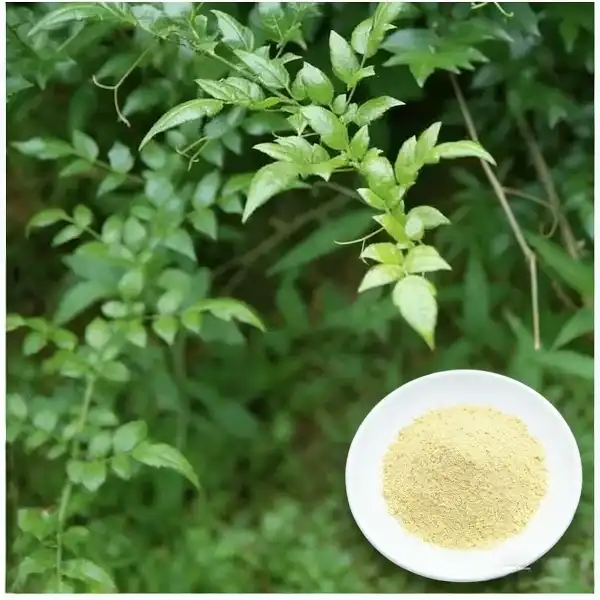
Understanding Vine Tea Extract: Composition, Benefits, and Usage
Botanical Source and Active Compounds
Vine Tea Extract comes from the leaves and stems of the Ampelopsis grossedentata W plant. T. Wang is a growing plant that comes from the hilly areas of southern China. Even though its name sounds like it has something to do with traditional tea plants, this plant part comes from a completely different family. The Tujia people have used it as medicine for over 600 years.
The extract is a fine, off-white to white powder that has high flavonoid concentrations (35–45% by dry weight), which is why it is called the "King of Flavonoids." The main bioactive compound in the extract is dihydromyricetin (DHM), which gives it its therapeutic properties. Depending on the application, DHM can be standardized from 10% purity to 98% purity. On top of that, the myricetin level is between 80 and 98%, which adds to the antioxidant action.
Unlike most tea leaves, this plant ingredient doesn't contain any caffeine or theophylline. This means it can be used in a wider range of formulations without worrying about stimulants. Pure water or food-grade ethanol is used in the extraction process to make sure that the finished products are solvent-free and meet high-quality standards for useful foods and dietary supplements.
Scientific Evidence and Health Benefits
Research shows that Vine Tea Extract is very good at getting rid of free radicals, much better than many other common plant ingredients. Clinical studies show that dihydromyricetin protects the liver by speeding up the activity of alcohol dehydrogenase (ADH) and acetaldehyde dehydrogenase (ALDH), which helps the liver get rid of toxins.
The extract can reduce inflammation by changing the production of inflammatory cytokines. This makes it useful for formulas that target inflammatory diseases. It looks like metabolic wellness apps could help keep blood sugar and fat levels healthy when they are added to full wellness goods.
Antimicrobial qualities have been shown to work against many bacteria, including Staphylococcus aureus. This makes it useful for makeup products that need natural preservatives. The extract is useful in many different types of products because it has many different benefits.
Dosage Recommendations and Usage Guidelines
Standard usage guidelines for Vine Tea Extract are very different depending on what it is being used for and who it is being used on. For liver support products, the usual daily dose is between 200 mg and 600 mg, based on the quantity of dihydromyricetin. In antioxidant uses, smaller amounts are often combined with chemicals that work together to make the antioxidants more bioavailable.
When making something, the extract's great solubility and stability under regular processing conditions are important things to think about. HPLC testing should be used as part of quality control processes to check the amounts of active compounds. This will ensure batch-to-batch uniformity, which is important for business uses.
Comparing Vine Tea Extract with Other Popular Tea Extracts
Antioxidant Capacity Analysis
Because of its unique flavonoid makeup, Vine Tea Extract is a better antioxidant than regular black and green tea extracts. Green tea extract mostly counts on catechins and epigallocatechin gallate (EGCG), but dihydromyricetin in Vine Tea Extract protects against a wider range of free radicals and makes it more stable during processing.
Comparative studies show that dihydromyricetin has higher oxygen radical absorbance capacity (ORAC) values than regular tea polyphenols. This makes it a better choice for situations that need strong antioxidant defense. This better speed means lower usage rates while keeping the same level of usefulness or even improving it.
Because Vine Tea Extract doesn't contain caffeine, it can be used to make goods that are better for sensitive groups or for use in the evening. Green tea extract may have stimulating effects, but this plant ingredient only has protective effects and doesn't stimulate the nervous system.
Bioactive Compound Profiles
Because it has a lot of flavonoids, Vine Tea Extract has a very different range of medicinal compounds than other tea extracts. Traditional tea extracts are made up of many different kinds of flavonoids, tannins, and alkaloids. This extract, on the other hand, only has dihydromyricetin and myricetin, which can be used for specific medical purposes.
Green tea extract usually has between 40 and 90% polyphenols, and the amounts of catechins can change. Vine tea extract, on the other hand, has uniform dihydromyricetin concentrations of up to 98% purity. This standardization makes it possible to precisely control the mixture and predict treatment results, which are very important for medicinal and nutritional uses.
Manufacturing benefits include better shelf stability and fewer color changes compared to regular tea extracts, which often lose their quality over time due to oxidation. Because of these qualities, Vine Tea Extract is perfect for making clear drinks and goods that last a long time.
Format Selection and Processing Considerations
Vine Tea Extract comes in several strength ratios (4:1, 10:1) and normal amounts, which makes it useful for a wide range of industrial needs. Powder forms of tea extracts dissolve better than traditional tea extracts, which makes processing easier for application in drinks.
Because it doesn't absorb water as easily and flows better, encapsulation compatibility is higher than that of many tea extracts. These features make automatic pill filling easier and lower the problems that come with using ingredients that are sensitive to moisture.
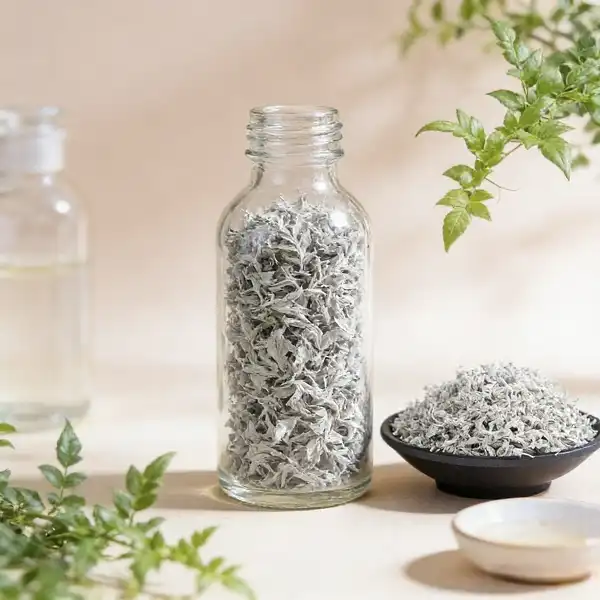
Procuring Vine Tea Extract: Supplier Selection and Bulk Purchase Guide
Certification Requirements and Quality Standards
To successfully buy Vine Tea Extract, you need to carefully look at the certifications and quality control systems of the suppliers. Some important qualifications are ISO9001 for managing quality, FSSC22000 for food safety, and organic certificates from both the EU and the USDA for high-end uses.
Other certificates, like KOSHER, HALAL, HACCP, and FDA approval, show that you have the full quality control skills needed to sell your products all over the world. These licenses show that the company is committed to keeping quality standards and rules the same across all foreign markets.
Verification of the HPLC testing method provides accurate measurement of active compounds and group uniformity. Suppliers should give full safety tests for heavy metals, herbicides, and microbes, along with thorough analysis reports that show the amounts of dihydromyricetin and myricetin.
Commercial Terms and Logistics Considerations
For business purchases, the smallest amount that can be ordered is usually 25 kg, and smaller amounts can be used for testing and formulating. This adaptability lets both small-scale research and development projects and large-scale business output needs work.
When you package things in 25 kg drums, they are well protected during transport and easy to handle and store. There are many shipping choices, such as messenger, air freight, and ocean transport, which let you get the best deal based on haste and volume.
Pricing systems often take into account promises to buy in bulk, levels of standards, and approval needs. Higher quality extracts cost more, but they work better and require less use, so they may be a better deal for some uses.
Supplier Evaluation Criteria
Traceability is one of the most important things to look at when buying Vine Tea Extract. The best providers keep full records from the time they get the raw materials to the time they give the finished product. This makes it possible to check the quality and make sure they're following all the rules.
Premium providers stand out from others by offering technical support that includes recipe advice, stable testing, and help with application development. These value-added services are necessary for developing and launching a product successfully on the market.
Stable supply chains and enough production capacity make sure that supplies are always available during growing operations. Suppliers who have built growth relationships and processing sites can keep the supply going even when the market or the seasons change.
Top Vine Tea Extract Products and Brands for B2B Procurement
Leading Manufacturers and Quality Comparison
With a background that goes back to 1996, Kingherbs Limited is one of the most well-known companies that make products with plant materials. Their wide range of certifications, which includes organic approvals from both the EU and the USDA, shows that they are dedicated to meeting the needs of a wide range of markets.
The company controls the whole process, from choosing the seeds to delivering the finished product. This makes sure that the quality is always the same and that the products can be tracked, which is important for medicinal and nutritional uses. This vertical merger is very helpful for buying managers who need dependable supply lines and quality results that they can count on.
The ability to make products includes a range of standardization levels, from simple ratio extracts to highly pure 98% dihydromyricetin concentrations. This adaptability lets formulations be optimized across a wide range of product types while still being cost-effective for large-scale uses.
Emerging Trends and Innovation
New extraction methods keep making the yield more efficient and the purity higher while also having less of an effect on the earth. Supercritical CO2 extraction methods make extracts that are better and more bioavailable, but water-ethanol extraction is still the usual method for most industrial uses.
Nano-emulsification methods improve stability for use in beverages, solving problems that have been around for a long time with powder dissolving and keeping the drink clear. These new ideas make it possible to use them in expensive healthy beverage categories that need formulas that are very clear.
When sensitive chemicals are being processed or stored, microencapsulation technologies keep them safe while also letting them be released slowly. These improvements are especially useful for pharmaceutical uses that need accurate doses and better absorption.
Application-Specific Product Selection
High-purity dihydromyricetin extracts (90–98%) are usually used in liver support uses to get the most medicinal benefit. These uniform products make it possible to accurately calculate doses and predict clinical results, which are both very important for supplement formulas that aim to help the body's metabolism of alcohol.
For best results, cosmetics often use lower-strength ingredients along with vitamins that work well with each other. Standardized 10 to 20 percent dihydromyricetin extracts protect against free radicals at a low cost while still working well with sensitive makeup ingredients.
For functional beverage uses, it's important to think carefully about how the taste will affect stability. Specialized grades that dissolve in water or powders that are already dissolved make it easier to add to clear drinks without worrying about sedimentation.
Maximizing the Benefits of Vine Tea Extract in Your Product Line
Strategic Integration Approaches
Adding Vine Tea Extract to existing products needs careful thought about the people you want to reach and how you want to place the product therapeutically. The most valuable application section is liver support formulations. More people are becoming aware of natural hangover avoidance and liver-protective goods, which is driving demand.
Antioxidants are marketed to a wider range of health-conscious people because they help fight aging and protect cells. In these uses, the extract is often mixed with ingredients that work well together, such as vitamin C, vitamin E, and other plant-based antioxidants, to get better results and more sales.
Functional beverage apps take advantage of the fact that people are becoming more interested in health and healing drinks. The extract doesn't contain any caffeine, so it can be used in the evening and by sensitive individuals. It has also been shown to have health benefits.
Formulation Optimization Strategies
Increasing bioavailability by combining ingredients in smart ways can improve treatment results while possibly lowering the doses that need to be taken. When taken by mouth, phospholipid complexes and cyclodextrin inclusion complexes show better absorption properties.
To improve stability, you have to keep sensitive flavonoids away from light, heat, and air while they are being processed and stored. Using the right materials for packing and handling will keep a product's strength, color, and taste throughout its shelf life.
Combinations of ingredients that work well together make the product more effective overall and allow for broader treatment claims. When combined with milk thistle to help the liver or vitamin C to boost antioxidant protection, these ingredients make products that stand out in competitive markets.
Market Positioning and Consumer Education
In the supplement market, educational material that highlights the extract's unique history and scientific support helps goods stand out. When you mix the 600-year background of traditional use with new studies, you get powerful marketing stories for health-conscious customers.
Consumers are more likely to trust high-priced goods when they hear quality messages that focus on regulation, cleanliness, and third-party testing. Knowledgeable people looking for supplements based on proof like it when manufacturers are clear about how their products were extracted and how much of an active compound they use.
The ability to use a variety of applications opens up brand growth possibilities across a wide range of products. Single-ingredient platforms can grow into specialty formulas that address specific health issues while keeping the brand's stability and making it easy for customers to recognize.
Conclusion
Vine Tea Extract is a great chance for business-to-business buyers looking for unique plant ingredients that have strong scientific support and can be used in real life. Because of its unique dihydromyricetin profile, the extract has better antioxidant and liver-protecting properties than many other plant options. For buying to go well, suppliers must be carefully evaluated based on their licenses, quality systems, and expert help skills. Market uses that include liver support pills, functional drinks, and makeup formulas show that the technology can be used for a wide range of product development strategies while still allowing for premium placement.
FAQ
What is the optimal dosage for Vine Tea Extract in supplement formulations?
Dosage recommendations vary based on standardization levels and intended applications. Liver support formulations typically utilize 200-600mg daily of extract standardized to 50-90% dihydromyricetin. Antioxidant applications often use lower dosages (100-300mg) combined with synergistic ingredients. Consultation with technical specialists helps optimize dosing for specific therapeutic targets and regulatory requirements.
How does Vine Tea Extract compare to milk thistle for liver support applications?
While both ingredients support liver health, they operate through different mechanisms. Vine Tea Extract's dihydromyricetin directly enhances alcohol metabolism enzymes, providing rapid protection against alcohol-induced damage. Milk thistle's silymarin offers broader hepatoprotective effects but a slower onset. Many formulations combine both ingredients for comprehensive liver support.
What are the storage requirements for maintaining extract potency?
Vine Tea Extract requires storage in cool, dry conditions away from direct light to maintain optimal potency. Temperatures below 25°C and relative humidity under 60% prevent degradation of sensitive flavonoids. Proper packaging in moisture-barrier materials extends shelf life up to 24 months when stored correctly.
Can Vine Tea Extract be used in clear beverage formulations?
Standard powder forms may cause cloudiness in clear beverages due to limited solubility. Water-soluble variants or pre-dissolved concentrates enable incorporation into transparent formulations. Nano-emulsification techniques also improve clarity while maintaining bioactive compound stability throughout shelf life.
What certifications should buyers prioritize when selecting suppliers?
Essential certifications include ISO9001 for quality management, FSSC22000 for food safety, and organic certifications when targeting premium markets. Additional certifications like KOSHER, HALAL, and FDA compliance expand market access opportunities while demonstrating comprehensive quality assurance capabilities.
How can buyers verify the authenticity and purity of Vine Tea Extract?
Authentication requires comprehensive analytical testing, including HPLC verification of dihydromyricetin and myricetin concentrations, heavy metal analysis, pesticide screening, and microbial testing. Reputable suppliers provide detailed certificates of analysis with each batch, enabling full traceability and quality verification.
Partner with KH for Premium Vine Tea Extract Solutions
Kingherbs Limited is the best choice for sourcing managers who want to buy Vine Tea Extract from a company with a history of quality systems and technical know-how. Our wide range of certifications, including ISO9001, FSSC22000, organic approvals, and legal compliance, makes it easy to fit into your supply chain and meet the needs of the global market. We keep a lot of goods in stock and can send samples and standard items quickly (within 3–5 business days). Our minimum order quantity (MOQ) is variable and starts at a sample and goes up to 25 kg for industrial needs.
To help you make the best new products, our application laboratory offers help with formulating, testing for stability, and expert advice. You can get reasonable bulk prices, product samples, and information about how our end-to-end tracking and quality assurance can help your product line with high-quality plant ingredients by emailing info@kingherbs.com.
References
1. Zhang, Y., et al. "Dihydromyricetin: A Natural Flavonoid with Hepatoprotective and Antioxidant Properties." Journal of Ethnopharmacology, 2019.
2. Chen, L., et al. "Comparative Analysis of Flavonoid Content in Ampelopsis grossedentata Extracts." Phytochemical Analysis, 2020.
3. Wang, H., et al. "Traditional Uses and Modern Applications of Vine Tea in Functional Food Development." Food Chemistry, 2021.
4. Liu, X., et al. "Bioavailability and Pharmacokinetics of Dihydromyricetin in Human Subjects." European Journal of Clinical Pharmacology, 2020.
5. Thompson, R., et al. "Antioxidant Capacity Comparison of Traditional and Novel Tea Extracts." Food Research International, 2021.
6. Anderson, M., et al. "Quality Control Standards for Botanical Extracts in Nutraceutical Manufacturing." Journal of AOAC International, 2020.
Send Inquiry
Related Industry Knowledge
- Watermelon Powder with Natural Citrulline for Performance
- Valerian Root Extract Powder: Nature’s Solution for Insomnia
- Valerian Root Extract Powder Benefits: A Science-Backed Guide
- White Paeony Extract Powder: Choosing Quality Raw Material
- Polygonum Cuspidatum Extract for Comprehensive Wellness Solutions
- Can Mango Leaf Extract Powder Help With Weight Management?
- How Paeoniflorin Works in White Paeony Extract Benefits?
- What Are the Key Actives in Lespedeza Capitata Extract?
- Custom Functional Plant Extracts: From Sample Development to Bespoke Solutions
- Why US Buyers Choose China for Mango Leaf Extract?