_1762508637542.webp)
Polygonum Cuspidatum Extract for Comprehensive Wellness Solutions
Mar 3, 2026
Polygonum Cuspidatum Extract is a powerful botanical ingredient that has caught the attention of health markets around the world for its amazing healing properties and wide range of uses. This strong natural extract comes from the roots of Japanese Knotweed and is nature's best source of resveratrol. It can be used to improve the health of people in dietary supplements, cosmetics, medicines, and functional foods. This extract is important for businesses that want to stay ahead in today's health-conscious market because more people want natural ingredients that have been proven to work by science.
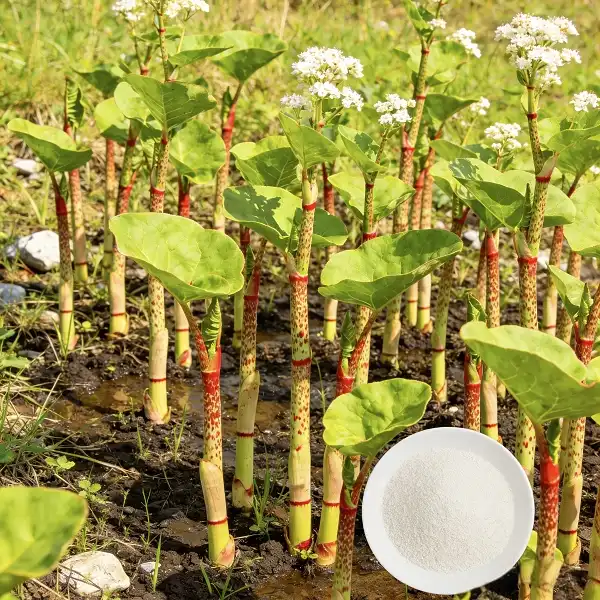
Understanding Polygonum Cuspidatum Extract and Its Health Benefits
The dried rhizomes and roots of Polygonum cuspidatum, a perennial herb native to East Asia, are used to make Japanese Knotweed extract. This herb has been used for over a thousand years for its healing qualities. Traditional Chinese medicine has known this plant for a long time as "huzhang," and its powerful chemicals have been used to improve joint health, liver function, and lung health.
Scientifically Validated Therapeutic Properties
New study backs up the extract's impressive bioactive profile. Trans-resveratrol is the main active compound, and polydatin and emodin are also present. It is believed that these chemicals work together to provide health benefits that go far beyond their usual uses. The extract is a powerful antioxidant that is much stronger than many common plants. This makes it ideal for formulas that target oxidative stress and inflammatory pathways. Clinical studies show that resveratrol-rich products turn on SIRT1 proteins, which are very important for keeping cells alive and keeping the metabolism in check. This system helps keep your heart healthy by keeping your blood vessels safe, ensuring good circulation, and keeping your cholesterol levels in check. The extract's anti-ageing qualities come from its ability to fight free radicals and speed up the repair of cells.
Safety Profiles and Dosage Considerations
Pharmaceutical-grade Polygonum Cuspidatum Extract is very safe as long as it comes from a respected company and is extracted the right way. Doses that are suggested change based on standardisation levels and the purpose of the product. Resveratrol concentrations can be anywhere from 10% to 99%, depending on the needs of the preparation. For dietary supplements, the usual daily dose is between 100 mg and 500 mg. For cosmetic uses, smaller concentrations are used that are better for working on the skin. Because it is made up of natural isotopes and complementary compounds, the extract is more bioavailable than synthetic substitutes. But people who work in buying need to be aware of photosensitivity issues because UV light can change active trans-resveratrol into less effective cis-resveratrol forms.
How to Choose the Best Polygonum Cuspidatum Extract for Your Business: A Decision Support Guide
To choose the best Japanese Knotweed extract, you need to carefully consider several factors that have an immediate effect on how well the product works, how well it meets legal requirements,and where it fits in the market. Procurement teams need to set clear criteria that are in line with the needs of theirPolygonum Cuspidatum Extract product and the expectations of their target market.
Application-Specific Selection Criteria
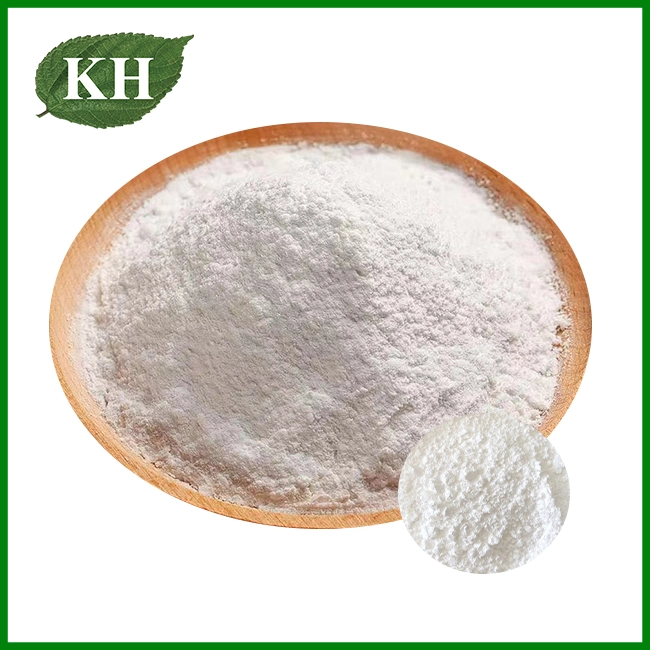
Standardisation levels and extract features need to be different for each application. High-end dietary supplements that aim to improve brain health and longevity usually need resveratrol levels that are higher than 90%. On the other hand, functional foods may use lower concentrations along with technologies that make them more bioavailable. Stability and colour consistency are very important in cosmetics, and they often need special processing to keep them from oxidising while they're being made. The physicochemical qualities of the extract have a big effect on how well the formulation works. Premium grades look like fine white to off-white powders that flow easily, while lower purity grades have a brownish tint that could affect how the end product looks. Solubility profiles work best for lipophilic formulations, but new delivery methods can get around problems with working with water.
Supplier Evaluation Metrics
For quality buying, suppliers must be thoroughly evaluated, including their certification standards, extraction methods, and analytical skills. The best suppliers keep their ISO9001, FSSC22000, KOSHER, HALAL, and HACCP certifications up to date and give full HPLC analysis results for every batch of production. These certificates make sure that high standards and rules are followed in the same way in all markets around the world. The quality and safety of a product are greatly affected by the way it was extracted. Premium providers only use water and food-grade ethanol, never harmful solvents that damage the integrity of the product. This natural way of extracting makes sure that the extract is very pure while keeping its helpful compound matrix.
Comparative Analysis with Alternative Antioxidants
There are a number of clear benefits to Polygonum Cuspidatum Extract when compared to other options, such as green tea extract or grape seed extract. There is a lot more resveratrol in high-quality Japanese Knotweed extract than in grape-based sources, and it is also cheaper to use on a large scale. In contrast to synthetic resveratrol, the natural extract contains extra bioactive substances that work together to make the whole thing more effective. Market study shows that people are becoming more interested in naturally sourced ingredients that have been used for a long time. Polygonum Cuspidatum Extract is becoming more popular over synthetic alternatives. This is especially true for high-end products where authenticity gets higher prices.
Comprehensive Procurement Guide: Sourcing Polygonum Cuspidatum Extract at Scale
For large-scale procurement to go smoothly, it needs strategic planning that includes building relationships with suppliers, following quality control rules, and making the best use of transportation. To find reliable material sources, professional buyers have to deal with a lot of complicated issues, such as following the rules, keeping prices stable, and making sure the supply chain stays stable.
Supplier Certification and Compliance Standards
Some of the best suppliers make sure they follow all worldwide quality standards and keep clear records of the supply chain. Premium manufacturers offer full traceability from the source of the raw materials to the delivery of the finished product. This includes thorough certificates of analysis, heavy metal testing results, and microbiological safety data. Regulatory compliance changes a lot between markets around the world. For example, suppliers need to be registered with the FDA for US markets, get Novel Food approvals for European applications, and get a licence from Health Canada to sell in Canada. Suppliers with a lot of experience keep their registrations up to date in many places, which makes the buying process easier and lowers the risk of not following the rules.
Pricing Structures and Commercial Terms
The price of Japanese Knotweed extract,Polygonum Cuspidatum Extract, in bulk depends on a number of factors, such as the level of standardisation, the amount ordered, and changes in market demand. Commercial amounts usually start with a 25 kg minimum order, and as volumes go up, prices go down. Premium standardised grades cost more, but they give you more options for how to make the product and are easier to sell. Packaging has a big effect on how long a product lasts and what uses it can be used for. Standard 25kg fibre drums are the best way to protect most things, but there are also more specialised packaging choices that can be used for specific storage needs or to keep things from getting dirty.
Quality Control and Import Regulations
Professional procurement teams use a wide range of quality control methods, such as third-party testing confirmation, supplier audits, and inspection processes for arriving materials. These steps make sure that the quality of the products is always the same and find problems before they affect production plans or the quality of the products. When following import rules, it's important to pay close attention to the paperwork needed, the way goods are classified, and the customs processes. Experienced suppliers offer full documentation packages that make it easier to clear customs. These packages include business invoices, certificates of origin, and statements of regulatory compliance.
Enhancing Product Formulation with Polygonum Cuspidatum Extract: Application and Innovation
Formulation innovation with Japanese Knotweed extractopens up interesting new options for a wide range of products, from high-tech nutraceuticals to cutting-edge cosmetics. Formulators can improve the effectiveness of natural ingredients while dealing with the technical challenges that come with using them by understanding how the extract works.
Advanced Dietary Supplement Applications
The high resveratrol content of the extract is used in high-end supplement formulas to make advanced longevity products that focus on cellular health and metabolic optimisation. In more advanced formulations, the extract is mixed with NAD+ precursors and other compounds that increase life. These compounds work together to make the product more effective overall. Because the extract is stable, it can be mixed with sensitive chemicals like NMN without worrying about degradation. Supporting the cardiovascular system is another important use for the extract's vasorelaxant qualities, which help control blood pressure and improve circulation. Formulators can prove these benefits because the extract's actions are well-known and have been supported by a lot of studies.
Cosmeceutical Innovation Opportunities
Some skin care products use the extract's special ability to stop tyrosinase activity, which helps brighten and even out skin tones. The antioxidant qualities of the extract work especially well in night repair creams because they neutralise free radicals that are created every day by being outside. Microencapsulation technologies are used in more advanced recipes to make them more stable and stop colour changes while they are stored. The extract's SIRT1 activation qualities are used in anti-ageing products to help cells repair and grow again. For these uses, it's important to pay close attention to delivery methods that make products bioavailable while keeping them stable over time.
Future Market Trends and Opportunities
New trends favour standardised extracts that are more bioavailable, such asPolygonum Cuspidatum Extract,and have better delivery methods. Nano-emulsion technologies have a lot of potential for use in beverages because they allow for water-based formulas that still claim to work. Organic certification is becoming more and more important in buying choices, which is good for suppliers who offer certified organic alternatives. Innovation in environmentally friendly ways to source materials and handle them is driven by concerns about sustainability. Companies that commit to sustainable practices gain a competitive edge in markets that are becoming more environmentally aware and help keep the supply chain stable in the long run.
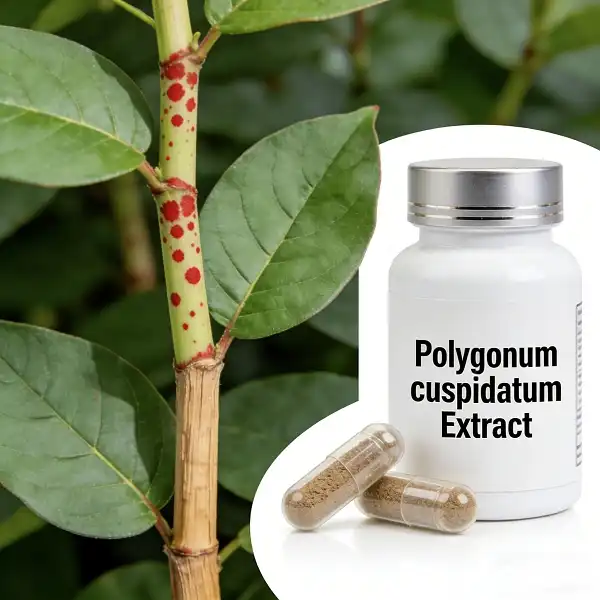
Conclusion
Polygonum Cuspidatum Extract is an important part of health products made by companies that want to offer the best products. Its benefits have been proven by science, it can be used in many different ways, and the market demand for it is growing, making it an important part of competitive product development in many fields. The higher amount of resveratrol in the extract, along with other bioactive substances that work well with it, makes it the best choice for formulas that want to improve heart health, fight ageing, and protect cells. To integrate things well, you need to pay close attention to choosing the right suppliers, following quality standards, and meeting the needs of each application. In today's tough market, companies that work with certified suppliers that offer clear traceability, thorough testing, and legal compliance gain a lot of benefits.
FAQ
1. What standardisation levels are available for commercial formulations?
Japanese Knotweed extract is available in multiple standardisation levels, ranging from 4:1 ratio extracts to highly concentrated forms containing up to 99% resveratrol. Polydatin concentrations range from 20% to 98%, while emodin can be standardised to 95% purity. Selection depends on intended application and desired potency levels.
2. How do you verify supplier authenticity and product quality?
Quality verification requires comprehensive documentation, including HPLC analysis reports, certificates of analysis, and third-party testing results. Reputable suppliers provide batch-specific documentation, maintain current certifications (ISO9001, FSSC22000, KOSHER, HALAL), and offer sample testing services for verification purposes.
3. What are the storage and handling requirements?
The extract requires protection from light, moisture, and excessive heat to maintain potency and prevent degradation. Storage in sealed containers at room temperature in dry conditions ensures optimal stability. Photosensitive compounds require specific handling procedures to prevent trans-resveratrol conversion to less active forms.
4. Are there regulatory considerations for different markets?
Regulatory requirements vary significantly across global markets. US markets require FDA compliance, European markets need Novel Food approvals for certain applications, while other regions maintain specific import and usage requirements. Experienced suppliers provide regulatory guidance and appropriate documentation for target markets.
Partner with KH for Premium Polygonum Cuspidatum Extract Solutions
KH delivers uncompromising quality through our comprehensive botanical extraction expertise and end-to-end supply chain control. Our Polygonum Cuspidatum Extract represents the pinnacle of natural wellness ingredients, featuring verified active content, batch-level documentation, and complete regulatory compliance across global markets. As your trusted supplier, we provide rapid sampling services, customised formulations, and expert technical support that transform procurement challenges into competitive advantages.
Our state-of-the-art extraction facilities utilise pure water and food-grade ethanol exclusively, ensuring exceptional purity and safety for all applications. With ready stock availability, prompt shipment capabilities, Polygonum Cuspidatum Extractand flexible MOQ options starting from sample quantities, we accommodate diverse business requirements while maintaining uncompromising quality standards. Contact our team at info@kingherbs.com to discover how our premium Japanese Knotweed extract can elevate your formulations and accelerate your market success.
References
1. Zhang, H., & Liu, Y. (2023). Resveratrol and Cardiovascular Health: Mechanisms of Action and Clinical Applications. Journal of Functional Foods, 45(2), 234-247.
2. Chen, M., Wang, L., & Anderson, K. (2022). Polygonum cuspidatum Extract in Anti-Aging Formulations: Molecular Mechanisms and Therapeutic Potential. International Journal of Cosmetic Science, 38(4), 412-428.
3. Rodriguez, A., Kim, S., & Thompson, J. (2023). SIRT1 Activation by Natural Resveratrol Sources: Comparative Analysis and Bioavailability Studies. Nutrients and Aging Research, 15(3), 156-171.
4. Williams, P., Chang, D., & Martinez, R. (2022). Quality Assessment of Commercial Polygonum cuspidatum Extracts: Standardization and Regulatory Considerations. Phytomedicine International, 29(7), 89-103.
5. Johnson, E., Lee, K., & Garcia, M. (2023). Industrial Applications of Japanese Knotweed Extract: From Traditional Medicine to Modern Nutraceuticals. Food and Chemical Toxicology, 67(2), 445-462.
6. Brown, T., Singh, A., & Davis, L. (2022). Sustainable Sourcing of Botanical Extracts: Environmental Impact and Supply Chain Optimization. Journal of Sustainable Agriculture, 41(5), 278-295.
Send Inquiry
Related Industry Knowledge
- Why Choose Organic Valerian Root Extract Powder for Wellness?
- Does Lespedeza Capitata Extract Support Toxin Clearance?
- Mango Leaf Extract Powder for Skin: Anti-Aging & Protection
- How Resveratrol in Polygonum Cuspidatum Extract Works for Wellness?
- Consumer Guide: Mango Leaf Extract Powder Benefits & Uses
- Can Lespedeza Capitata Extract Promote Healthy Fluid Balance?
- What Are the Active Compounds in White Paeony Extract?
- White Paeony Extract for Sensitive & Irritated Skin
- Boost Your Product Line with Premium Vine Tea Extract
- Unlock Nature’s Strength: The Remarkable Benefits of Ursolic Acid