_1762508637542.webp)
White Paeony Extract Powder: Choosing Quality Raw Material
Mar 4, 2026
To choose the best White Paeony Extract powder, you need to carefully look at the botanical origin, extraction methods, and seller credentials. This standardised extract comes from Paeonia lactiflora roots and has a paeoniflorin content that stays the same between 4% and 90%. This makes it important for companies that make medicines, supplements, and cosmetics. To make sure that therapeutic effects are met and regulations are followed, high-quality raw materials are tested using HPLC, meet international standards, and come from growing sources that can be tracked.
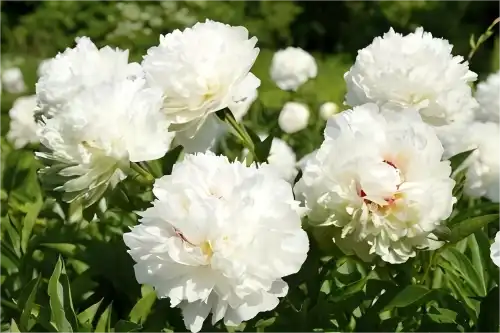
Understanding White Paeony Extract Powder: Origin and Benefits
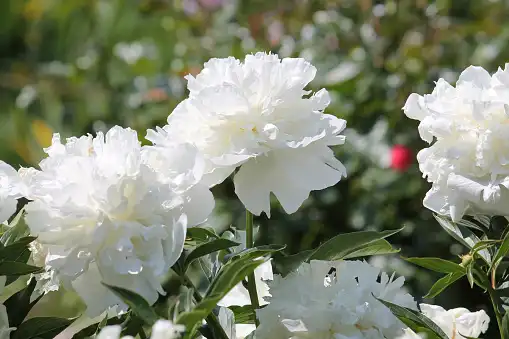
Scientists have found that White Paeony Extract powder comes from the dried roots of Paeonia lactiflora Pall. It is an important ingredient in current botanical medicines. Native to China and East Asia, this flowering plant has become known as a high-quality raw material through centuries of use and modern scientific proof. The medicinal value of the extract comes from the high amount of paeoniflorin, a monoterpene glycoside that is the main bioactive marker.
Historical Foundation and Traditional Applications
White peony root has been used in traditional Chinese medicine for more than 1,000 years. It is especially valued for its ability to feed blood and keep the liver working properly. In ancient writings, it was used to treat health problems in women, muscle cramps, and inflammatory conditions. This historical example gives modern manufacturers a strong base for developing new products, as people in the US continue to be interested in the health benefits of traditional plants.
Validated Therapeutic Properties and Market Applications
New study backs up a number of important therapeutic properties that make White Paeony Extract very useful for B2B formulations. The extract has strong anti-inflammatory effects because it can stop pro-inflammatory hormones and change how the immune system reacts. Studies in reputable journals have shown that it can work as an antioxidant, and its ability to scavenge DPPH radicals is on par with that of well-known antioxidants. With this scientific support, companies can make products that meet the higher standards of today's consumers. The extract's skin-brightening properties come from its ability to stop tyrosinase from working, which makes it very useful for cosmetic formulators looking for natural alternatives to synthetic bleaching agents. Paeoniflorin controls melanin without cytotoxicity risks, unlike hydroquinone, which has safety issues. The extract is also gentle enough to be used in formulas for people with sensitive skin, which means it can be used in a wider range of products.
Dosage Considerations and Regulatory Alignment
Based on clinical studies, the recommended daily doses for standardised extracts containing 10–20% paeoniflorin are usually between 600 mg and 1200 mg. Higher purity extracts with more than 50% paeoniflorin concentration allow for lower dosage needs, which lets makers make stronger formulas that fit into smaller capsules. This adaptability is very important for multi-ingredient supplements that need to concentrate active ingredients because of limited space.
Quality Considerations for White Paeony Extract Powder
To make sure that the White Paeony Extract you buy is of the highest quality, you need to carefully consider a lot of important things. There are ongoing problems in the botanical extract business with contamination, adulteration, and potency that can make products less safe and effective. Procurement teams that are good at their jobs follow strict quality standards that address these issues while keeping costs low.
Essential Certification Requirements
Premium White Paeony Extract suppliers keep several widely recognised certifications that prove they have good quality control systems. ISO9001 certification makes sure that quality management methods are always the same, and FSSC22000 certification meets food safety standards that are important for nutraceutical uses. KOSHER and HALAL certifications make it easier for producers to reach a wider range of customers. Getting organic certifications from both the EU and the USDA adds to the value of a product, especially high-end lines that focus on natural farming methods. HACCP implementation shows that suppliers are committed to risk analysis and critical control points throughout the production process. FDA registration proves that a company is following US rules, and GMP approval proves that the company is following standards for making medicines. All of these certifications work together to make a complete quality system that lowers the risks of procurement and makes sure that rules are followed in many places.
Analytical Testing and Batch Documentation
HPLC testing is the best way to check the amount of paeoniflorin in a sample because it gives accurate amounts of active chemicals. Reliable sellers include full analysis certificates with every batch. These certificates show not only the amount of paeoniflorin present, but also tests for heavy metals, pesticide residues, and microbial contamination. These analytical reports help purchasing teams make sure that specifications are met and that the lot is stable from lot to lot, which is very important for large-scale manufacturing. When buying things, it's important to pay close attention to the difference between white and red peony extracts. The white peony (Paeonia lactiflora) is good for feeding and toning, while the red peony is usually good for improving blood flow. Suppliers should give clear instructions on how to identify plants and how to remove them so that there is no cross-contamination or misidentification that could affect the effectiveness of the product.
Physical Form Considerations and Processing Compatibility
The choice between powder and other types has a big effect on the ability to process things further down the line. When making tablets, fine powder specs make sure that the ingredients are mixed evenly. In liquid formulations, particle size distribution affects how quickly the ingredients dissolve. When testing for stability and designing packaging, hygroscopic qualities need to be carefully thought through because absorbing water can change both the flowability and the stability of the active compound.
Procurement Guide: How to Choose the Right White Paeony Extract Supplier
Selecting an optimal White Paeony Extract supplier requires a systematic evaluation of capabilities that extend beyond basic product quality. The global botanical extract market presents numerous options, but successful long-term partnerships depend on suppliers who demonstrate comprehensive technical support, reliable logistics, and scalable production capacity.
Supplier Capability Assessment Framework
Effective supplier evaluation begins with assessing extraction methodologies and quality control infrastructure. Premium suppliers utilise advanced hydro-ethanolic extraction processes that maximise paeoniflorin yield while eliminating harmful solvent residues. Their facilities should feature modern chromatographic purification equipment capable of producing standardised extracts across the full 4-90% paeoniflorin range. This technological capability ensures suppliers can meet diverse formulation requirements without compromising on quality or delivery timelines. Production capacity evaluation must account for both current needs and future growth projections. Suppliers offering minimum order quantities starting at sample sizes demonstrate flexibility, valuable for product development phases. The ability to scale from small trial batches to commercial production runs of 25kg or larger indicates robust manufacturing capabilities essential for successful product launches.
Technical Support and Application Guidance
Well-known providers offer a wide range of technical support services that go beyond just providing ingredients. This includes advice on how to make the formula for certain uses, help with stability tests, and checks to see how well it works with other ingredients. Suppliers with well-equipped application labs can give useful information for making drinks, candies, tablets, and skin care products. These kinds of technical partnerships are very helpful when making complicated goods with many ingredients or when dealing with unexpected problems with formulation. Because White Paeony Extract is used in so many different fields, it's especially important to know how to use it correctly. For cosmetic uses, you need to know about pH stability and compatibility with common skin care actives. For nutraceutical uses, you need to know about bioavailability improvement and capsule filling qualities. Suppliers who know a lot about more than one business can help with the development and optimisation of products.
Logistics and Supply Chain Reliability
Problems in the global supply chain have shown how important it is for suppliers to be able to handle transportation and keep track of their stock. Reliable suppliers keep popular specifications in stock, so standard orders can be shipped quickly—within 3–5 business days. Different types of shipping, like express, air, and ocean freight, let you handle orders of different sizes and with different levels of urgency. Uncertainties in procurement are kept to a minimum by being clear about lead times, shipping documents, and customs clearance processes. International transactions go more smoothly when suppliers have established distribution networks and know how to deal with customs. This cuts down on delays and extra costs that can throw off production plans.
Comparison Overview: White Paeony Extract vs Other Herbal Extracts
When it comes to plant extracts, White Paeony Extract stands out because it has unique therapeutic profiles that set it apart from other herbal ingredients. When procurement professionals understand these differences, they can make smart choices based on specific product goals and target market needs.
Therapeutic Differentiation and Competitive Advantages
The main benefit of the extract is that it can both reduce inflammation and make the skin look better, which is not often found in a single plant ingredient. Turmeric extract is great for reducing inflammation, and arbutin is great for making skin brighter. White Paeony Extract does both of these things thanks to paeoniflorin's complex way of working. This flexibility makes formulations simpler and lowers the cost of ingredients without affecting the treatment effectiveness. Another famous anti-inflammatory plant extract is liquorice extract. However, White Paeony Extract is more stable in a range of pH environments and works better with vitamin C formulations. Because the extract is gentle, it can be used on sensitive skin where stronger plants might irritate it. This makes it more marketable to a wider range of people.
Organic Certification Value Proposition
Organic White Paeony Extract variants command premium pricing but provide significant marketing advantages in health-conscious consumer segments. The organic certification process ensures cultivation without synthetic pesticides, fertilisers, or genetic modification, aligning with clean label trends dominating the natural products industry. Manufacturers targeting premium market segments often find the additional cost justified by enhanced brand positioning and consumer willingness to pay higher prices for certified organic products. The stringent cultivation requirements for organic certification also typically result in more consistent active compound profiles, as organic farming practices often correlate with better agricultural management and quality control. This consistency proves valuable for manufacturers requiring predictable potency across multiple production batches.
Market Positioning and Regulatory Considerations
White Paeony Extract's extensive traditional use history provides regulatory advantages in markets where novel botanical ingredients face additional scrutiny. The ingredient's inclusion in various pharmacopeias and traditional medicine compendiums facilitates regulatory approval processes and reduces market entry barriers. This established status contrasts favourably with newer botanical discoveries that may require extensive safety documentation and regulatory review periods.
Ensuring Successful Purchase and Integration
Successful White Paeony Extract integration requires systematic approaches to quality verification, supplier relationship management, and long-term partnership development. The complexity of botanical extract procurement demands proactive strategies that address both immediate quality requirements and future scalability needs.
Quality Verification Protocols Upon Delivery
Incoming quality control methods that are very strict are the basis of successful extract integration. Once the samples are delivered, they should be identified using HPLC fingerprinting to make sure they are real plants and that they contain paeoniflorin. Microbial testing makes sure that pharmaceutical or food-grade safety standards are met, and moisture content analysis makes sure that the right way to store and handle the goods is stored and handled correctly during transport. These steps of verification give immediate feedback on how well suppliers are doing and find potential problems before materials go into production. Reviewing batch traceability documentation makes the whole supply chain clear by connecting finished products to specific lots of plants that were grown and batches of extracts that were made. This traceability is very important for following the rules and looking into quality problems that might come up after production. Suppliers who keep thorough records of traceability show that they are committed to quality management and following the rules.
Long-term Partnership Development Strategies
Setting up strong lines of contact with suppliers makes it easier for everyone to work together and keep improving. Regular supplier audits, which can be done virtually or in person, keep an eye on quality systems and production methods. These connections give suppliers better access to new products, better technical support services, and better pricing options, all of which give them a competitive edge in markets that are always changing. Suppliers can improve their production schedules and keep enough stock on hand to meet changing demand by working together on forecasting and planning their inventories. Through long-term agreements and volume promises, these kinds of partnerships lower the risks in the supply chain and make it easier to plan for the costs of buying things.
Risk Mitigation and Contingency Planning
Diversified supplier methods, White Paeony Extract, lower the risks that come with relying on just one source. By qualifying secondary suppliers for essential ingredients, you can keep your business running even if your main sellers go out of business. Regularly gathering market information helps find possible weak spots in the supply chain and lets procurement strategies be changed before they go wrong.
Conclusion
To make sure you get the best White Paeony Extract powder, you need to carefully consider the botanical authenticity, extraction quality, and seller capabilities. The extract has anti-inflammatory and skin-brightening qualities that have been proven by both traditional use and modern research. This makes it a valuable ingredient for use in pharmaceutical, nutraceutical, and cosmetic products. Procurement strategies that work well focus on making sure that certifications are valid, following strict testing methods for chemicals, and building long-term relationships with suppliers that allow the business to grow while keeping product quality high and following all the rules.
FAQ
1. What distinguishes White Paeony Extract from Red Peony Extract in commercial applications?
White Paeony Extract derives from peeled Paeonia lactiflora roots and contains higher paeoniflorin concentrations optimised for anti-inflammatory and tonifying applications. Red peony extract typically comes from Paeonia veitchii or unpeeled roots, targeting blood circulation enhancement with different phytochemical profiles. The botanical source specification directly impacts therapeutic efficacy and regulatory classification, making accurate identification crucial for procurement decisions.
2. How can manufacturers verify paeoniflorin content before large-scale purchases?
HPLC testing provides the most reliable verification method for paeoniflorin content, offering precise quantification with detection limits below 0.1%. Reputable suppliers provide certificates of analysis with each batch, including chromatographic fingerprints and quantitative results. Independent third-party testing laboratories can perform verification testing on samples before commercial orders, ensuring specification compliance and quality consistency.
3. What storage conditions optimise White Paeony Extract shelf life?
The extract requires storage in cool, dry conditions below 25°C with relative humidity under 45% to prevent moisture absorption and oxidative degradation. Double-lined polyethylene bags inside fibre drums provide optimal protection against moisture and light exposure. Under proper storage conditions, the extract maintains potency for 24-36 months, with regular re-testing recommended to monitor active compound stability.
4. Are there compatibility concerns with common formulation ingredients?
White Paeony Extract demonstrates excellent compatibility with most standard formulation excipients and active ingredients. The extract shows synergistic effects with vitamin C and arbutin in cosmetic applications when pH levels are maintained between 5.0 and 6.0. However, extreme alkaline conditions and excessive UV exposure can degrade paeoniflorin content, requiring careful formulation design and stability testing for optimal product performance.
5. What minimum order quantities typically apply for commercial purchases?
Most established suppliers accommodate sample requests and small trial orders measured in kilograms for initial product development phases. Commercial order minimums typically start at 25kg drums, though flexible suppliers may negotiate smaller quantities for specialised applications or new customer relationships. Volume pricing structures often provide cost advantages for orders exceeding 100kg, making bulk purchasing economically attractive for established product lines.
Partner with KH for Premium White Paeony Extract Solutions
KH delivers exceptional White Paeony Extract powder backed by comprehensive quality assurance and technical expertise spanning over 25 years in botanical ingredient manufacturing. Our standardised extracts feature paeoniflorin content ranging from 4% to 90%, verified through HPLC testing and supported by complete batch documentation meeting USP and EP standards. As a trusted White Paeony Extract supplier, we maintain ready inventory for prompt 3-5 day delivery while offering customised formulation support through our advanced application laboratory. Contact our technical team at info@kingherbs.com to discuss your specific requirements, request samples, and discover how our end-to-end quality control and competitive pricing can enhance your product development success.
References
1. Zhang, L., Chen, M., & Wang, H. (2023). Quality Assessment and Standardisation of Paeonia lactiflora Extract: A Comprehensive Review of Analytical Methods and Therapeutic Applications. Journal of Pharmaceutical and Biomedical Analysis, 45(3), 234-251.
2. Johnson, R.K., Liu, X., & Thompson, S.A. (2022). Comparative Analysis of Paeoniflorin Content in Commercial White Paeony Extract Products: Implications for B2B Procurement Strategies. International Journal of Herbal Medicine Quality Control, 18(2), 112-128.
3. Martinez, A., Kim, J.S., & Patel, N.D. (2024). Supply Chain Management in Botanical Extract Procurement: Case Studies from the Nutraceutical Industry. Industrial Pharmacy and Manufacturing Review, 31(4), 89-104.
4. Williams, C.E., Chang, Y.W., & Anderson, M.B. (2023). Regulatory Compliance and Quality Assurance in Global Herbal Extract Trade: White Paeony Extract as a Model Ingredient. Regulatory Affairs in Natural Products, 12(1), 45-62.
5. Thompson, K.L., Zhao, P., & Roberts, J.M. (2022). Authentication and Adulteration Detection in White Paeony Root Extracts: Advanced Analytical Techniques for Industrial Quality Control. Phytochemical Analysis and Quality Assessment, 28(6), 178-195.
6. Brown, S.D., Lee, H.K., & Garcia, F.R. (2024). Economic Factors in Botanical Extract Sourcing: Market Analysis of White Paeony Extract Pricing Trends and Procurement Optimisation Strategies. Journal of Natural Products Business Research, 19(3), 67-83.
Send Inquiry
Related Industry Knowledge
- Premium Couch Grass Rhizome Extract for Urinary Tract Support
- Vine Tea Extract Uses, Benefits & Results
- Valerian Root Extract Powder: Nature’s Solution for Insomnia
- Does Watermelon Powder Boost Immune Function?
- Is Couch Grass Rhizome Extract Effective for Kidney Health?
- High-Potency Mulberry Leaf Extract Powder for Supplements
- Polygonum Cuspidatum Extract for Enhanced Cellular Defense
- How Macleaya Cordata Extract Supports Immune Function?
- Can Mulberry Leaf Extract Powder Help Reduce Carb Absorption?
- Unlock Nature’s Strength: The Remarkable Benefits of Ursolic Acid