_1762508637542.webp)
Rhizoma Coptidis Powder: Top Ways to Maximize Its Benefits
Apr 13, 2026
In Chinese medicine, Rhizoma Coptidis Powder is one of the most powerful plant-based medicines. It is made from the roots of Coptis chinensis and has been checked for berberine. To get the most out of it, you need to know how to dose it correctly, get high-quality ingredients, and make it in a way that makes it more accessible while still being medically effective. This knowledge is used by professional buying teams to make better products for use in makeup, drugs, and nutraceuticals. They always get the same results because they use performance methods that are based on facts.
Understanding Rhizoma Coptidis Powder – Properties and Uses
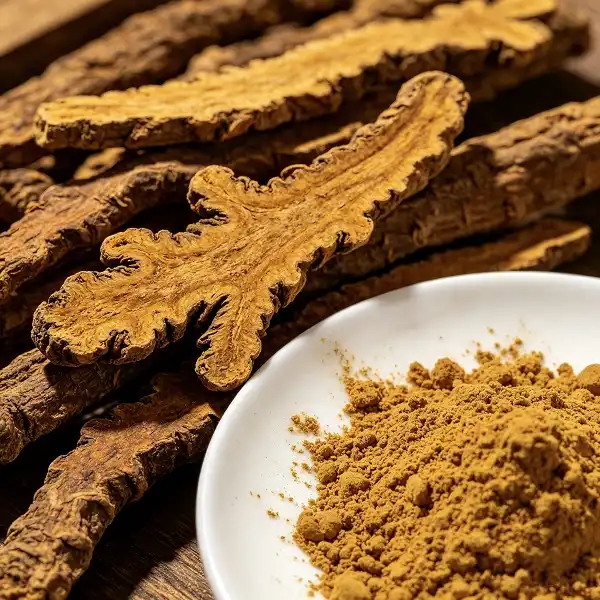
The botanical extract known as Rhizoma Coptidis Powder stems from Coptis chinensis roots, a plant species that has been used for medicinal purposes for more than 2,000 years. This fine brown powder is mostly made up of berberine, coptisine, palmatine, and jatrorrhizine, which are all concentrated alkaloids. The unique synergistic chemical structure makes it different from active ingredients that are taken on their own.
Botanical Background and Chemical Composition
The plant Coptis chinensis is in the Ranunculaceae family. It grows best in hilly places with the right soil and weather for alkaloid growth. Berberine levels are strongest in the fall, when the roots are picked. In high-quality goods, these levels are usually between 5 and 7 percent. These medicines are processed in modern ways that keep them safe and get particle sizes between 80 and 200 mesh, which makes them easier to dissolve and mix with other substances. The chemical fingerprint shows that several isoquinoline alkaloids work together to make the medicine more effective than any one of them alone. Scientists have found that using the whole plant not only works better but also lowers the risk of side effects. Formulators need to keep this in mind when they make safe products for people.
Traditional and Modern Therapeutic Applications
Some people who practiced Traditional Chinese Medicine used Rhizoma Coptidis Powder in the past to treat stomach problems, inflammatory conditions, and metabolic problems. Modern science backs up these traditional uses by looking at controlled studies that show antibacterial effects, better glucose metabolism, and heart health defense. Studies in people have shown that turning on the AMPK pathway, it is very good at keeping blood sugar levels in check. Studies on antimicrobials have shown that it is also very good at killing many types of dangerous bacteria, including E. coli and Staphylococcus aureus. The powder is very helpful for people who make supplements for immune and gut health because it has been used in these well-studied ways.
Maximizing Benefits Through Proper Usage and Dosage
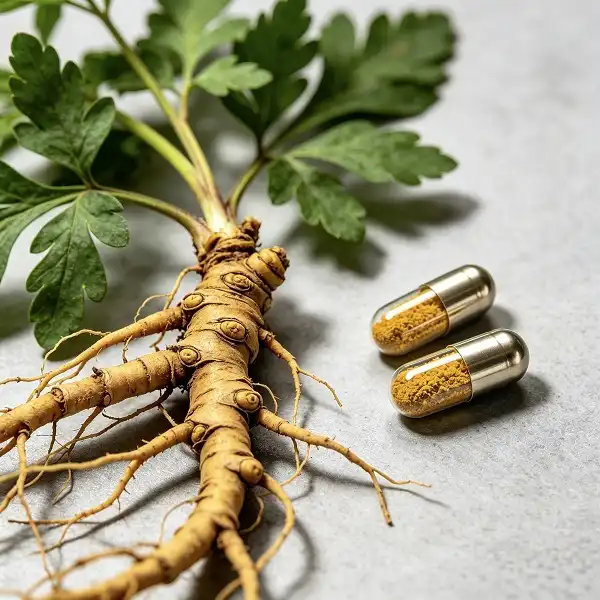
Optimal therapeutic effects depend heavily on precise dosage calculations tailored to the health use and transport method. When you make medicines for a living, you need to find the best mix between safety and usefulness. You also need to think about solubility factors that affect how quickly the medicine is taken.
Dosage Recommendations for Specific Health Concerns
As a gut health aid, amounts of Rhizoma Coptidis Powderof 200 mg to 500 mg per day are usually spread out over several treatments to keep therapeutic plasma levels and avoid stomach pain. For managing blood sugar, higher doses are often used. And studies have shown that safe doses of up to 1,000 mg per day can be made properly with bioavailability boosts. When used to treat inflammation, low amounts of Rhizoma Coptidis Powder of 300 to 600 mg per day work best, especially when mixed with other plant products that work well together and help the body absorb the medicine better. These dose amounts need to be carefully thought out based on how much each person can handle and any problems they may have with other drugs or supplements.
Bioavailability Enhancement Techniques
Professional formulators use a range of techniques to make medicines more effective and easier to absorb. Nano-encapsulation technologies make it faster for cells to take in alkaloids and keep them from breaking down. There are ways to send things that use liposomes that make it easier for them to cross biological walls and get into cells. When goods don't have piperine, quercetin, or certain phospholipids, bioavailability can drop by 30 to 50 percent. These ways of making things better are especially helpful for companies that make food supplements and want to make their products stand out by making them work better.
Comparing Rhizoma Coptidis Powder with Alternatives
A study of the market makes it clear that this plant product is better than other sources of berberine and drugs made by humans. When people who work in procurement know about these differences, they can buy things that fit with how the product is priced and how it is positioned.
Chemical Composition and Potency Analysis
Berberine and other chemicals that work well with it make up 5–7% of Rhizoma Coptidis Powder. Pure berberine hydrochloride is 97% potent, but it doesn't mix well with any other drugs. Goldenseal (Hydrastis canadensis) has similar alkaloid profiles, but its berberine levels are usually lower (2–4%), and there are concerns about its long-term viability, which could make it harder to get. The Chinese goldthread extract has many benefits, especially for jobs that need to be done in big amounts. This is shown by a study that looks at how cost-effective it is. Instead of goldenseal, where the quantity changes with the seasons and can mess up production plans, prices stay more stable.
Organic Certification and Quality Standards
Organic approval makes sure that products meet international safety standards and also gives goods more value when they are put in high-end stores. A lot of tests are done on certified organic sources to look for heavy metals, chemical leftovers, and bacterial toxins. People who care about their health will like clean-label attempts that help with this.HPLC analysis should be used to check the amount of alkaloids, wetness testing should be used to keep the product from breaking down, and microbial screening should be used to make sure the product is safe. These rules are even more important when shopping for pharmaceutical uses that need to be USP or EP compliant.
Strategic Procurement: Sourcing Quality Rhizoma Coptidis Powder for B2B
When professionals buy things, they need to think about more than just price to keep the supply chain stable and the quality of the goods the same over time. To have good ties with suppliers, you should carefully examine them and be clear about what technical needs you have.
Supplier Evaluation Criteria
Proof of authenticity is the foundation of good buying. Suppliers must show clear proof of the plant's name, where the product originated, and how it was handled. Suppliers you can trust keep full records that can be tracked from the time the crops are grown to the time they are packed. This makes it easy to quickly deal with problems with quality or questions from the government. You may need ISO9001 quality control systems, FSSC22000 food safety standards, and any religious certificates that are needed (KOSHER, HALAL, etc.), depending on the markets you want to target. If you really want to follow the rules and do a great job, getting extra certifications like HACCP and FDA registration is a must.
Purchasing Options and Logistics Considerations
For big companies, the best deals are usually found when they buy in bulk. For well-known suppliers, the least you can buy is 25 kg. But samples and small-batch trial orders make it possible to fully test a product before committing to larger quantities. This makes it safer to buy from places that haven't been tried before. In order to keep product levels high and storage costs low, logistics must be able to change with the times. When suppliers offer more than one shipping method (such as express, air freight, and ocean shipping), they can better adapt to shifting customer needs and urgent order gaps. Having ready-to-ship items on hand helps just-in-time inventory management because it lets you ship quickly.
Ensuring Long-Term Value and Innovation in Rhizoma Coptidis Powder Usage
Methods for buying things that are focused on the future need to be able to see how market needs and government rules will change over time, and also use what new studies have found, especially in the sourcing and application of specialized materials such as Rhizoma Coptidis Powder. There are new ways to process and use materials that allow goods to stand out and help the market grow.
Emerging Research and Processing Advances
New studies are looking into different ways to get rid of chemicals that protect heat-sensitive chemicals while also increasing the amount of Rhizoma Coptidis Powderalkaloids and making them more stable. New technologies like ultrasonic-assisted processing and supercritical CO2 extraction make goods better without using poisons that could be harmful. Nanotechnology is always being used in new ways. As an example, specialized transport systems are getting better at helping patients and lowering the amounts that need to be given. Anti-inflammatory and antibacterial treatments work better when they can reach the skin more deeply, which is why these new ideas are especially useful for makeup.
Regulatory Compliance and International Standards
You need to know about the different rules that control foreign trade and product registration in order to fully connect global markets. The FDA's rules on food supplements, Europe's REACH rules, and new international standards for plant products all change where materials come from and how the supply chain works. An important part of businesses' proactive compliance strategies is keeping accurate records of all legal requirements. They also work with approved testing labs and create standard operating procedures to make sure that the quality of all output batches is the same. These steps help the market grow and keep people from getting in trouble with the law.
Conclusion
A medicine called Rhizoma Coptidis Powder has a lot of potential if it is bought, made, and used in a way that is based on facts. To get the most out of the benefits, you need to know a lot about how to set quality standards, find the best amount, and buy products in a way that ensures they will work well over time. When these things are thought about by professional teams when they buy and make, they set themselves up for long-term success in competitive markets and give better healing results to end users.
FAQ
What makes Rhizoma Coptidis Powder different from pure berberine supplements?
The powder contains a full spectrum of alkaloids, including coptisine, palmatine, and jatrorrhizine, alongside berberine, creating synergistic effects that improve bioavailability and reduce potential side effects compared to isolated berberine compounds. This whole-plant approach provides more balanced pharmacokinetic profiles and enhanced therapeutic outcomes.
How should the powder be stored to maintain potency?
When you store things, they need to be cool and dry (below 25°C), out of direct sunlight, and not near water. Since the powder soaks up water, it should be kept in closed containers with drying agents as much as possible. As long as it is kept correctly, the amount of alkaloid stays the same for 24 to 36 months.
What are the recommended starting dosages for different applications?
As little as 200–300 mg a day can help with gut health. For blood sugar control, you may need 400–500 mg a day, spread out in several doses. People often take 300–400 mg per day to reduce inflammation. Based on a person's tolerance level, dose changes should be made within set safety levels.
Can this powder interact with prescription medications?
Yes, berberine may interact with some medicines because it changes how the body works. This includes diabetes medicines, blood thinners, and some antibiotics. Before mixing with other medicines, it's best to talk to a healthcare worker to make sure there aren't any bad effects or therapeutic conflicts.
How do you verify supplier authenticity and product quality?
Real sellers have a lot of paperwork, such as papers that prove they are the right plant, HPLC analysis results that show how many alkaloids are present, and the right licenses, such as ISO, FDA, and organic. The product is checked for heavy metals, pesticides, and microbiological contaminants by a third-party lab to make sure it meets safety and quality standards.
Partner with KH for Premium Rhizoma Coptidis Powder Supply Solutions
KH (Kingherbs Limited) sells good Rhizoma Coptidis Powder that has a lot of different certifications to back it up, like ISO9001, FSSC22000, KOSHER, HALAL, and HACCP. We have strict quality control measures in place to make sure that every batch of berberine we make has the same amount and quality. There are also a number of creative ways to buy from us, so we can meet the needs of both small and large orders. To talk about specific ways to buy Rhizoma Coptidis Powder that meet your needs, email our skilled purchasing team at info@kingherbs.com. This is how you can find out why top manufacturers choose KH as their trusted Rhizoma Coptidis Powder source.
References
1. Zhang, Y., Li, X., Zou, D., Liu, W., Yang, J., Zhu, N., ... & Ning, G. (2008). Treatment of type 2 diabetes and dyslipidemia with the natural plant alkaloid berberine. Journal of Clinical Endocrinology & Metabolism, 93(7), 2559-2565.
2. Kong, W., Wei, J., Abidi, P., Lin, M., Inaba, S., Li, C., ... & Jiang, J. (2004). Berberine is a novel cholesterol-lowering drug working through a unique mechanism distinct from statins. Nature Medicine, 10(12), 1344-1351.
3. Yin, J., Xing, H., & Ye, J. (2008). Efficacy of berberine in patients with type 2 diabetes mellitus. Metabolism, 57(5), 712-717.
4. Kumar, A., Ekavali, Chopra, K., Mukherjee, M., Pottabathini, R., & Dhull, D. K. (2015). Current knowledge and pharmacological profile of berberine: An update. European Journal of Pharmacology, 761, 288-297.
5. Feng, R., Shou, J. W., Zhao, Z. X., He, C. Y., Ma, C., Huang, M., ... & Chen, X. (2015). Transforming berberine into its intestine-absorbable form by the gut microbiota. Scientific Reports, 5, 12155.
6. Wang, Y., Yi, X., Ghanam, K., Zhang, S., Zhao, T., & Zhu, X. (2014). Berberine decreases cholesterol levels in rats through multiple mechanisms, including inhibition of cholesterol absorption. Metabolism, 63(9), 1167-1177.
Send Inquiry
Related Industry Knowledge
- How Dill Seed Extract Enhances Overall Health Naturally
- Top Reasons to Add Onion Extract to Your Daily Routine
- Is Macleaya Cordata Extract an Effective Natural Pesticide?
- Top Reasons to Add Valerian Root Extract Powder to Your Lineup
- Sustainable Growth Support with Macleaya Cordata Extract
- Is Valerian Root Extract Powder Safe for Everyday Use?
- Couch Grass Rhizome Extract Powder: Complete Buyer’s Guide
- Does Lespedeza Capitata Extract Support Toxin Clearance?
- White Paeony Extract: Anti-Inflammatory Advantages Explained
- Mango Leaf Extract Powder vs Other Botanical Extracts