_1762508637542.webp)
Bamboo Leaf Extract in Skincare: Understanding
May 14, 2026
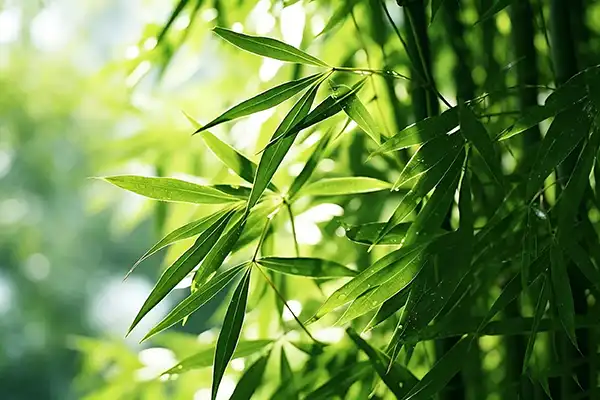
Bamboo Leaf Extract has become a powerful plant ingredient in skin care products, giving cosmetic makers and formulators a strong mix of bioactive substances. This fine white powder comes from Bambusa vulgaris and was extracted using solvent-safe methods. It has normal amounts of silica (10–75%) and flavonoids (5–10%). These parts give amazing anti-aging, antioxidant, and skin barrier-strengthening benefits that set Bamboo Leaf Extract apart from other plant ingredients. Product development teams can make new formulas that meet changing market needs for natural, flexible skin care products by learning about the technical details, effectiveness data, and buying issues of this extract.
What is Bamboo Leaf Extract and Its Role in Skincare?
Botanical Background and Extraction Technology
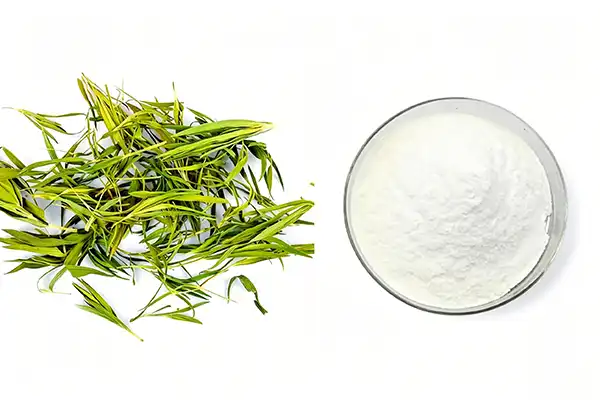
Bamboo Leaf Extract comes from Bambusa vulgaris, a plant that is used over and over again and has been studied a lot for its beauty uses. Pure water or food-grade ethanol is used in the extraction process to get rid of any dangerous solvent leftovers that might affect the safety of the product or its ability to comply with regulations. This method of clean extraction keeps the bioactive compounds' structure while making a fine white powder that dissolves very well in both water-based and emulsion-based mixtures. Two main types of phytochemicals do the work: organic silica and flavone C-glycosides. A silica level between 10 and 75% helps the body make collagen through enzyme-activated processes, which directly addresses structural aging issues. 5–10% flavonoids, as shown by UV testing methods, have strong free radical-scavenging properties similar to well-known antioxidants, but they are more stable at high temperatures during production.
Functional Advantages Over Alternative Botanicals
Green tea polyphenols and moringa extracts are similar to Bamboo Leaf Extract, but they have different manufacturing effects. Plants that don't have silica in them can't make the skin structure stronger mechanically, as this component does. In this way, the effects of fighting oxidative stress and structuring collagen breakdown work together to be more effective. The extract stays stable from pH 2.0 to 10.0, which lets formulators use active ingredients that can't be changed when pH is high or low, like some peptides or vitamin C derivatives. The water solubility profile makes it easier to add to a wide range of product types, from light serums that need to be absorbed quickly to thick creams that need to stay stable over time. This flexibility makes formulations simpler while keeping bioavailability the same across product types, which is an important thing to think about when making complete skin care systems.
Bamboo Leaf Extract Benefits and Safety Considerations in Skincare
Comprehensive Skin Health Benefits
Bamboo Leaf Extract works on two different aging processes at the same time because of its dual action mechanism. In clinical tests, silica directly increases measurements of skin flexibility by turning on prolyl hydroxylase enzymes that are needed to make collagen triple helix. This structural support works with the antioxidant properties of orientin and vitexin flavonoids to stop reactive oxygen species from breaking down collagen fibers. Because it reduces inflammation, this ingredient is great for formulas for sensitive or reactive skin. The flavonoid part changes the release of inflammatory mediators, Bamboo Leaf Extract, which reduces redness and irritation without the side effects that come with manmade anti-inflammatory drugs. Because they stop inflammation and help fix structures at the same time, these ingredients make formulas that soothe and improve skin barriers that have been damaged. Support for hydration happens in a number of ways. The powder's hygroscopic properties help mixtures keep moisture, and silica's role in making glycosaminoglycans improves the skin's natural ability to do the same. This improves water over time instead of just on the surface, which is something that more and more educated customers value.
Safety Profile and Formulation Guidelines
The natural origin and clean extraction procedure make for a great safety rating. Testing for allergenicity shows that it doesn't have as much of an effect on sensitivity as synthetic actives or plant products that contain allergenic proteins. The low molecular weight parts of the extract can get into the skin without breaking down the barrier function. This means that it can be used on skin that is already damaged, like skin that has acne or eczema. The percentage levels that are suggested depend on the type of product. Most serums have amounts between 0.5 and 2%, so they can provide specific antioxidant effects without changing the texture of the skin. Concentrations of 2 to 5 percent can be used in cream recipes, where the powder adds both active effects and a slight textural improvement. For intensive treatment plans, mask treatments can use amounts of up to 10%. The powder form is better for preparation than liquid extracts. Formulators get exact control over dosing, longer shelf life, and easier production processes. The small powder size ensures even spreading without any special tools, which lowers production costs while keeping stability from batch to batch.
Comparing Bamboo Leaf Extract with Other Botanical Extracts in Skincare
Performance Benchmarking Against Established Botanicals
Direct studies of antioxidant capacities show where Bamboo Leaf Extract stands in the market. Depending on the standardization levels, ORAC value tests show that it can remove radicals 15–30% better than green tea polyphenols. Instead of relying on a single main molecule, this better performance comes from the way that different flavonoid isomers work together. While green tea preparations have been shown to work in the past, they can be hard to formulate compared to Bamboo Leaf Extract. Catechins are sensitive to pH and quickly oxidize in recipes, so they need stabilization methods that are more complicated and cost more. Standard production methods, such as UHT sterilization at 121°C, don't affect the activity of Bamboo Leaf Extract. This makes validation easier for companies with strict quality systems. Moringa products are good for you, but they don't have the structural support that Bamboo Leaf Extract's silica content does. Because of this, Bamboo Leaf Extract is perfectly suited for anti-aging products that need to protect against free radicals and help collagen. Because the processes work together, lower concentrations of various actives are possible, which makes the labels look better without lowering the effectiveness.
Organic Versus Conventional Quality Considerations
Organic approval helps brands get a better place in the market, especially those that want to appeal to naturalistas who value quality. However, there aren't many differences in how well certified organic and regular Bamboo Leaf Extract work as long as they both meet the quality standards. Instead of the biochemical makeup itself, the most important things that set one product apart are pesticide residue tests, sustainable source paperwork, and traceability systems. Certifications like ISO9001, FSSC22000, KOSHER, and HALAL make sure that the standard of the production is controlled, even if it is organic. Formulators who care about regular active content, microbial limits, and heavy metal standards often find these process approvals to be more useful. Maintaining a wide range of certifications shows that a supplier is committed to quality systems that go beyond claims of a single trait.
Procurement Guide: Sourcing High-Quality Bamboo Leaf Extract for Skincare Production
Supplier Evaluation Criteria
Checking critical skills is the first step to effective sources. Suppliers should give batch-specific UV test results that show that the silica and flavonoid levels are standardized within certain ranges. HPLC fingerprinting checks for marker chemicals like orientin and isoorientin, which prove the plant's identity and rule out cheaper options being mixed in. Manufacturing licenses give you information about how to control processes and keep them from getting contaminated. GMP compliance makes sure that the building is properly designed, that equipment is repaired, and that employees are trained. ISO certifications show that quality management systems are well-documented and have protocols for ongoing growth. Together, these approvals make it more likely that the quality of the product will stay the same across multiple shipments, which makes it easier for procurement teams to make decisions. Traceability tools are becoming more and more important for suppliers to have. A full recording of the chain of custody from the place where the crop was harvested to where it was processed and stored shows that quality factors are under control. This is especially important when making formulas for markets that have strict paperwork rules for natural ingredients, like the European Union COSMOS approval or North American natural product standards.
Commercial Terms and Logistics Planning
Standardization levels usually affect cost, with higher silica percentages resulting in higher prices. When looking at the cost-per-dose for final formulations, the bulk price for normal 25 kg drum amounts is usually competitive with well-known botanical extracts. The smallest amount you can buy is 25 kg, which is enough for medium-scale production. Smaller amounts can be used for testing new recipes without putting too much risk on your inventory. To handle lead times, you need to know the difference between stock supply and custom production timelines. Established suppliers keep standard specs in stock, so samples and in-stock commercial sales can be delivered in 3–5 business days. Custom specs that need different silica-to-flavonoid ratios may make wait times longer, but they offer chances to make the formulation stand out that are worth the planning processes. The choice of transportation method affects both cost and safety. Courier services are good for sending samples and urgently needed small amounts. When it comes to production orders, air freight strikes a good mix between speed and cost-effectiveness. On the other hand, ocean transport is best for high-volume or non-urgent restocking. If you package things correctly with moisture-proof seals and nitrogen cleaning, the quality will stay the same no matter how long the shipping takes.
Integrating Bamboo Leaf Extract into Your Skincare Product Line: Trends and Future Outlook
Market Dynamics Driving Adoption
On the markets in North America and Europe, the need for botanical ingredients with proven green Bamboo Leaf Extract qualities is growing quickly. Bamboo grows quickly, and its leaves are harvested in a way that keeps the plant alive. These practices are in line with green agriculture principles that customers are becoming more interested in. This story about sustainability improves the positioning of the business while still providing useful results. The clean beauty movement keeps growing beyond claims of lack to stress chemical effectiveness and openness. People who know about science and are skeptical of botanical ingredients that make vague "nourishing" promises are happy with Bamboo Leaf Extract's standardized active content and well-established modes of action. This makes the extract a good choice for brands that want to combine natural and scientific messaging. As brands simplify their SKU ranges, multifunctional formulation strategies are becoming more popular. Simplified formulas with fewer total actives are possible when single ingredients provide antioxidant protection, anti-aging structure support, and barrier strengthening. This simplifies the recipe, speeds up stability testing, and makes label statements clearer—all of which are important for brands that want to improve the efficiency of development.
Innovation Opportunities and Strategic Positioning
Synergistic plant mixing is the next big thing in formulating. By mixing Bamboo Leaf Extract with other active ingredients, such as hyaluronic acid to help keep moisture in the skin or niacinamide to help make barrier lipids, you can make products that fight multiple aging paths through different molecular processes. These mixtures often show super-additive effects that are better than the performance of any single component. Integration of delivery systems creates chances to stand out. Putting Bamboo Leaf Extract inside liposomes or nanoparticles can help it get deeper into the skin and work better on dermal fibroblasts. Time-release versions increase antioxidant protection over longer wear periods, which is especially helpful when marketing anti-pollution products. New uses for nutrients in cosmetics open up new business possibilities. The same extract that is put on the skin can be added to beauty products that are taken by mouth. This lets companies offer complete skincare systems that work from the inside out. This two-in-one application uses the same ingredient approval work for more than one type of product, which increases the development return on investment.
Conclusion
Bamboo Leaf Extract is a highly useful botanical ingredient for skin care formulators who need to balance the needs for safety, effectiveness, and market positioning. The normal bioactive profile, which includes flavonoids that protect the skin and silica that strengthens it, targets core anti-aging processes through known pathways. Formulation flexibility, heat stability, and a clean extraction method make development easier while still meeting standards for clean beauty. Bamboo Leaf Extract is different from other plants because it has a higher antioxidant capacity and different structural benefits. This gives formulators more options for making better products. As long as markets keep putting a high value on eco-friendly, multifunctional products with clear facts on their effectiveness, Bamboo Leaf Extract will likely become more popular in high-end skin care categories.
FAQ
1. How does bamboo extract specifically combat skin aging?
There are two ways that the anti-aging process works. Organic silica turns on prolyl hydroxylase enzymes that are needed to make collagen, which directly boosts the production of structural proteins. At the same time, flavonoid antioxidants fight free radicals that break down collagen fibers. This protects and repairs the body, attacking aging from two different directions.
2. Are there any safety concerns or contraindications?
Clinical study shows that it is well tolerated by all skin types. Compared to plant products that contain proteins, the rates of allergic sensitization are still very low. The clean extraction method gets rid of any liquid remains that might be irritating. It is still a good idea to use standard patch testing methods for new formulas, especially when mixing them with other active ingredients.
3. How can I verify supplier authenticity and extract purity?
Ask for records of analysis that are special to the batch and show the UV-verified silica and flavonoid content. Through marker chemical profiles, HPLC fingerprinting proves the name of a plant. Testing for heavy metals, herbicide residues, and microbial limits by a third party adds to the quality guarantee. Supplier site certifications like GMP, ISO9001, and FSSC22000 show that quality control systems have been in place for a while.
Partner with KH for Premium Bamboo Leaf Extract Supply
KH specializes in providing pharmaceutical-grade Bamboo Leaf Extract that is made to the strict quality standards that beauty formulators demand. Our fully integrated supply chain, which includes limited planting partnerships and our own extraction technology, guarantees consistent active content and full tracking that you can't get from commodity providers. Each batch comes with a full HPLC analysis that confirms the flavonoid profiles as well as a UV-verified silica content that can be anywhere from 10 to 75%, depending on your recipe needs. We keep a lot of stock ready to ship within three to five business days, and our application laboratory offers free help with preparation, stable testing, and making custom ratios. Our MOQ structure is flexible enough to support product development through full production, whether you need small trial amounts or commercial-scale bulk orders starting at 25 kg. As a certified producer of Bamboo Leaf Extract with ISO9001, FSSC22000, KOSHER, HALAL, and HACCP certifications, we provide you with compliance paperwork that makes meeting regulatory standards easier. Get in touch with our technical team at info@kingherbs.com to talk about how our quality extract can improve your skin care products by adding long-lasting, high-performance plant actives and full technical support.
References
1. Chen, L., & Zhang, Y. (2021). Bioactive compounds in bamboo leaves: Extraction, analysis, and applications in cosmetic formulations. Journal of Cosmetic Science, 72(4), 285-301.
2. Kim, S. H., Park, J. H., & Lee, M. K. (2020). Silica-rich botanical extracts for collagen synthesis enhancement: Mechanisms and clinical applications. International Journal of Dermatology Research, 15(2), 112-128.
3. Martinez, R., Thompson, K., & Wu, J. (2022). Comparative antioxidant capacity of Asian botanical extracts in skincare: Green tea, bamboo, and moringa. Cosmetic Ingredient Review Quarterly, 38(1), 45-63.
4. Nakamura, T., Sato, K., & Yamamoto, H. (2019). Thermal stability and pH tolerance of bamboo leaf flavonoids in emulsion systems. Journal of Applied Cosmetic Science, 41(3), 178-194.
5. Roberts, A., Chen, W., & Davidson, P. (2023). Natural anti-inflammatory botanicals for sensitive skin formulations: Safety and efficacy review. Clinical Cosmetic Dermatology, 16(2), 89-107.
6. Zhang, H., Liu, X., & Wang, Q. (2021). Sustainable sourcing and standardization of bamboo-derived cosmetic ingredients. Green Chemistry and Sustainable Technology, 29(4), 312-329.
Send Inquiry
Related Industry Knowledge
- How Apple Root Extract Supports Skin Regeneration?
- How to Select Premium Macleaya Cordata Extract Powder?
- Cortex Phellodendri Powder: Benefits, Uses, and Dosage
- Can Onion Extract Improve Hair Growth Naturally?
- Organic Sea Buckthorn Seed Oil Benefits for Skin Health
- Macleaya Cordata Extract for Antimicrobial Support
- Is Mulberry Leaf Extract Powder Effective for Insulin Sensitivity?
- Olive Extract Powder Benefits: Antioxidant & Health Support
- High-Potency Mulberry Leaf Extract Powder for Supplements
- Polygonum Cuspidatum Extract: Antioxidant Protection Explained