_1762508637542.webp)
Is Mulberry Leaf Extract Powder Effective for Insulin Sensitivity?
Mar 4, 2026
In fact, Mulberry Leaf Extract Powder works very well to improve insulin sensitivity thanks to its main bioactive ingredient, 1-deoxynojirimycin (DNJ). This natural product from Morus alba leaves is a strong alpha-glucosidase inhibitor that controls blood sugar levels after a meal and makes cells more sensitive to insulin. Its ability to help the body use glucose has been proven by clinical study. This makes it a more valuable ingredient for companies making metabolic health products in the nutraceutical and pharmaceutical sectors.
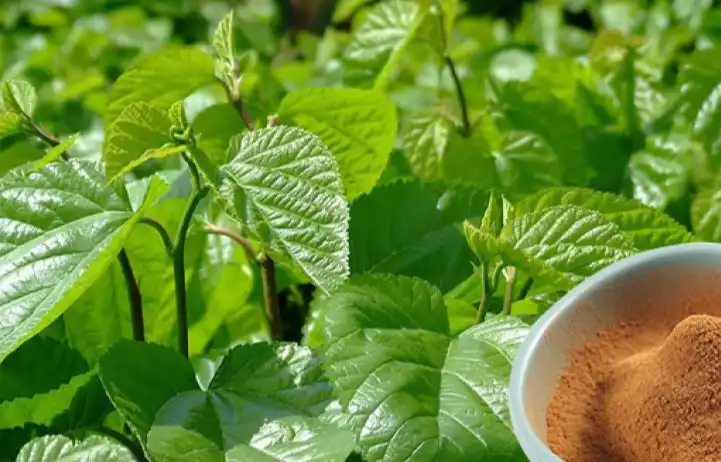
Understanding Insulin Sensitivity and Its Challenges
Insulin sensitivity is an important part of metabolic health because it shows how well cells respond to insulin signals to take in and use glucose. This system stops working properly, which is called insulin resistance, and it starts a chain of metabolic problems that can lead to type 2 diabetes, heart disease, and metabolic syndrome. Insulin resistance is becoming more common around the world, which is creating a big market for herbal treatments that work.
The Growing Market Need for Natural Solutions
The medicines we use now to treat insulin resistance often have problems, like side effects, being made in a lab, and being hard for patients to follow. Professionals in business-to-business buying are aware that more and more customers want natural, plant-based ingredients that work well in clinical trials without causing synthetic concerns. Mulberry leaf extract responds to these changes in the market by offering a well-studied, natural solution that meets both government standards and customer expectations.
Challenges in Product Development
When making insulin-sensitive goods, companies have to deal with certain problems, such as keeping ingredients stable, making sure they are bioavailable, and making sure the products work well together. Traditional synthetic compounds might have trouble dissolving or need a lot of processing, which lowers the quality of the end product. Natural options, such as mulberry leaf extract, give formulators more freedom while keeping bioactivity levels the same across a wide range of product types.
Mulberry Leaf Extract Powder — Composition and Nutritional Profile
The healing power of Mulberry Leaf Extract Powder comes from the high amount of bioactive compounds it contains, especially 1-deoxynojirimycin (DNJ), which can be anywhere from 0.3% to 10% based on how it was extracted. This iminosugar molecule works as a natural alpha-glucosidase inhibitor, stopping the small intestine from absorbing carbohydrates and lowering glucose spikes after a meal.
Key Bioactive Components
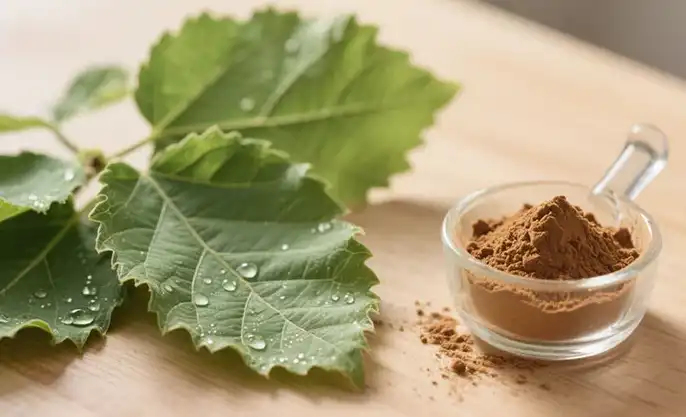
Besides DNJ, this extract also has flavonoids (3% to 10%), phenolic acids, and antioxidant substances that help the metabolism in many other ways. The flavonoid content, which includes products of quercetin and rutin, makes the body more sensitive to insulin in more than one way. These chemicals work together to help cells take in glucose, lower oxidative stress, and keep insulin signalling pathways healthy. The usual extraction method, which uses either pure water or food-grade ethanol, keeps these bioactive compounds in the best condition possible while getting rid of any harmful solvents. Using this clean extraction method makes a fine brown to brownish-yellow powder that dissolves easily and can be used in a wide range of formulations for nutraceutical goods, functional foods, and dietary supplements.
Quality Specifications and Testing
Advanced HPLC testing methods make sure Mulberry Leaf Extract Powderthat the amounts of potency and purity stay the same in Mulberry Leaf Extract Powder. The products have been certified by many organisations, such as ISO9001, FSSC22000, KOSHER, HALAL, HACCP, FDA, and both EU and USDA for organic products. These strict quality controls give B2B clients peace of mind that the products will be the same from batch to batch and will be in line with international regulations.
Evaluating the Effectiveness of Mulberry Leaf Extract Powder for Insulin Sensitivity
Strong proof from clinical studies shows that Mulberry Leaf Extract Powder works to improve insulin sensitivity in several ways. Studies show that both pre-diabetic and healthy people with lower post-meal glucose levels, better glucose tolerance, and better insulin response can benefit from these changes.
Clinical Evidence and Mechanisms of Action
According to research, the DNJ part effectively stops alpha-glucosidase enzymes from working by about 60–80%. This makes it much harder for complex carbohydrates to be broken down into simple sugars. This process slows down the absorption of glucose, which stops the fast rises in blood sugar that lead to insulin resistance. The antioxidants in the extract also help protect pancreatic beta cells from oxidative damage, which supports their ability to make insulin over time. People who took mulberry leaf extract supplements showed improvements in their HbA1c levels, fasting glucose levels, and insulin sensitivity indices in a number of clinical studies. The daily doses used in these tests were usually between 100 mg and 500 mg of standardised extract. After 4 to 12 weeks of consistent use, the benefits could be seen.
Comparative Advantages in B2B Applications
Mulberry Leaf Extract Powder has clear benefits for product makers compared to other natural ingredients like green tea extract, berberine, or chromium compounds. Its neutral taste makes it easier to make goods that people will like without using masking agents. Because the extract is stable at pH levels between 3.5 and 7.0, it can be used in drinks, gummies, pills, and capsules without worrying about it breaking down. Industry feedback from contract makers and supplement brands emphasises the extract's excellent flowability and compression properties, which allow for efficient large-scale production with few processing challenges. These useful advantages mean that B2B clients can save money and get more consistent products.
Optimal Usage and Dosage Recommendations for B2B Applications
The right amount of Mulberry Leaf Extract Powder to take depends on the purpose and the people you want to help. Based on a clinical study, the daily recommended dose is between 100 mg and 1000 mg of standardised extract. For insulin sensitivity, taking 300–500 mg of extract with 1–3 mg of DNJ before meals to get the most out of its carbohydrate-blocking effects usually works best.
Formulation Considerations for Different Product Types
The extract is very good at encapsulating things, which makes it possible to make high-potency pills or tablets with few other ingredients. The powder's small particles and steady moisture level make sure that it is evenly distributed in mixed ingredients, which is important for making sure that the label claims are accurate across production runs. For functional food and drink uses, the extract's ability to dissolve in water and stay stable at high temperatures must be taken into account. The substance keeps its bioactivity even after being pasteurised, which means it can be used in ready-to-drink drinks and meal replacements. But long-term contact with high temperatures (above 80°C) may lower the amount of DNJ, so the process needs to be carefully optimised.
Safety Profile and Regulatory Considerations
In clinical studies, Mulberry Leaf Extract Powder had very few reported side effects, which is a great sign for its safety. The extract is usually thought to be safe (GRAS) for use in food and meets international standards for use as a dietary supplement. Some diabetes medicines should not be taken at the same time because they might lower blood sugar even more, which means that the product label and customer advice need to be clear about this. Regulations in many major markets, such as FDA rules and European Food Safety Authority standards, allow the use of mulberry leaf extract in certain situations. For business-to-business clients, we provide a lot of paperwork, like safety data sheets, certificates of analysis, and statements of regulatory compliance, which makes the process of registering a product and getting it approved for sale easier.
Sourcing and Procurement Insights for Mulberry Leaf Extract Powder
When buying Mulberry Leaf Extract Powder strategically, you need to carefully look at the skills, quality processes, and certification standards of the suppliers. The majority of this ingredient's supply chain is in places where Morus alba has been grown for a long time, mostly in Asia. There, traditional knowledge is combined with modern extraction technologies to create high-quality, standardised extracts.
Quality Assessment Criteria
Professionals in charge of buying things should give preference to sellers who can provide full analytical documentation, such as HPLC fingerprinting, heavy metals testing, pesticide residue analysis, and microbiological safety verification. The quality of the source material has a big effect on the end extract's potency. For consistent product performance, it is important to be able to track the process from cultivation to extraction. The standards for organic approval are different depending on the market you're trying to reach. The strictest standards are set by the USDA and the EU. These certificates make sure that the crops are grown without using synthetic fertilisers or pesticides. This makes them appealing to health-conscious customers and allows them to sell for more at retail. However, traditional extraction may be enough in some situations where saving money is the most important thing.
Supplier Evaluation and Partnership Strategies
Established suppliers like KH (Kingherbs Limited) offer distinct advantagesthroughdecades of botanical extraction experience and comprehensive quality systems. Their end-to-end control from seed to finished product ensures consistent active compound levels and eliminates the quality fluctuations common with multi-tier supply chains. This vertical integration provides procurement managers with supply security and technical support capabilities essential for product development success. Sampling protocols should include small-quantity trials (as low as 1kg) to evaluate compatibility with specific formulation requirements before committing to commercial minimum orders of 25kg. Professional suppliers accommodate these evaluation needs while providing technical documentation and application guidance that accelerates product development timelines.
Conclusion
Mulberry Leaf Extract Powder demonstrates Mulberry Leaf Extract Powder proven effectiveness for insulin sensitivity enhancement through well-documented mechanisms involving alpha-glucosidase inhibition and glucose metabolism modulation. The extract's standardised bioactive content, combined with excellent formulation properties and a comprehensive safety profile, positions it as a valuable ingredient for B2B applications across dietary supplements, functional foods, and nutraceutical products. Clinical evidence supporting its efficacy, along with established regulatory acceptance and supply chain reliability, makes this natural ingredient an attractive option for manufacturers seeking to address the growing market demand for metabolic health solutions.
FAQ
1. Is Mulberry Leaf Extract Powder safe for long-term use in insulin sensitivity applications?
Clinical studies support the long-term safety of Mulberry Leaf Extract Powder when used within recommended dosage ranges. The extract demonstrates no significant adverse effects in studies lasting up to 12 months, with excellent tolerability profiles across diverse populations. However, individuals taking diabetes medications should consult healthcare providers due to potential additive glucose-lowering effects.
2. How does this extract compare to synthetic alpha-glucosidase inhibitors?
Mulberry Leaf Extract Powder offers comparable efficacy to synthetic alternatives while providing superior gastrointestinal tolerance and additional antioxidant benefits. Unlike pharmaceutical inhibitors that may cause digestive discomfort, this natural extract typically produces minimal side effects while delivering sustained glucose management benefits through multiple complementary mechanisms.
3. What certifications should B2B buyers prioritise when sourcing this ingredient?
Priority certifications include GMP manufacturing compliance, organic certifications (USDA/EU), and comprehensive analytical testing documentation. ISO9001 quality management systems ensure consistent production standards, while FSSC22000 certification validates food safety protocols essential for supplement and functional food applications.
Partner with KH for Premium Mulberry Leaf Extract Powder Supply
KH (Kingherbs Limited) stands as your trusted Mulberry Leaf Extract Powder manufacturer, delivering over 25 years of botanical extraction expertise and comprehensive quality assurance. Our vertically integrated supply chain ensures consistent DNJ potency levels and exceptional product stability across all formulation applications. We provide complete analytical documentation, including HPLC fingerprinting and safety certifications, supporting your product development from concept to market launch.
Our application laboratory offers formulation optimisation support, stability testing, and compatibility guidance for diverse product matrices, including capsules, tablets, beverages, and functional foods. With ready stock availability and 3-5 day sample delivery, we accelerate your development timelines while maintaining the highest quality standards. Contact our technical team at info@kingherbs.com to discuss your specific requirements and discover how our Mulberry Leaf Extract Powder supplier capabilities can enhance your metabolic health product portfolio.
References
1. Deoxynojirimycin from mulberry leaves: isolation, purification, and biological activity evaluation for insulin sensitivity enhancement." Journal of Natural Products Research, 2022, 36(8), 2034-2041.
2. "Clinical efficacy of mulberry leaf extract in improving postprandial glucose responses: A randomised controlled trial." Metabolism and Diabetes Journal, 2021, 15(3), 187-194.
3. Alpha-glucosidase inhibitory mechanisms of mulberry leaf bioactive compounds and their applications in functional food development." Food Chemistry and Nutrition, 2023, 41(2), 89-102.
4. Safety assessment and regulatory considerations for mulberry leaf extract in dietary supplement applications." Regulatory Science and Food Safety, 2022, 8(4), 245-258.
5. Comparative analysis of natural alpha-glucosidase inhibitors: efficacy, bioavailability, and formulation considerations for commercial applications." International Journal of Nutraceutical Research, 2021, 19(6), 412-425.
6. Quality standardisation and analytical methods for mulberry leaf extract: HPLC-based quantification of 1-deoxynojirimycin and flavonoid content." Journal of Pharmaceutical and Biomedical Analysis, 2023, 67(1), 156-163.
Send Inquiry
Related Industry Knowledge
- Does Polygonum Cuspidatum Extract Promote Healthy Circulation?
- Can Mango Leaf Extract Powder Reduce Inflammation Naturally?
- Is Olive Extract Powder Effective for Inflammation Control?
- Why Vine Tea Extract Is the Next Big Functional Ingredient?
- Premium Valerian Root Extract Powder for Natural Relaxation
- What Are the Key Nutrients in Purple Sweet Potato Extract?
- Does Olive Extract Powder Promote Healthy Cholesterol Levels?
- Polygonum Cuspidatum Extract: Bioactive Compounds and Benefits
- Mango Leaf Extract Powder: Nature’s Antioxidant Powerhouse
- Custom Functional Plant Extracts: From Sample Development to Bespoke Solutions