_1762508637542.webp)
Can Mango Leaf Extract Powder Reduce Inflammation Naturally?
Mar 5, 2026
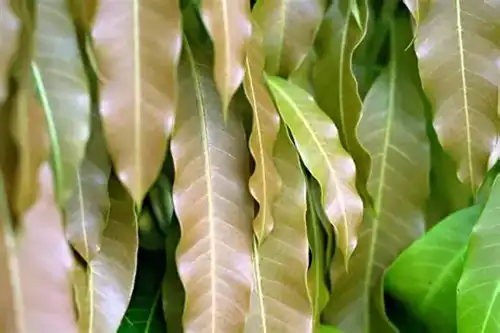
Indeed, Mango Leaf Extract Powder can naturally lower inflammation because it contains a lot of bioactive compounds, especially mangiferin and polyphenols. This high-quality plant-based ingredient comes from the leaves of the Mangifera indica L. plant and has standardised mangiferin amounts ranging from 10% to 95%. It works specifically on the body's inflammatory pathways. Researchers have found that mangiferin stops pro-inflammatory mediators from working and changes oxidative stress. This makes the natural extract a strong alternative to synthetic anti-inflammatory chemicals that can be used in medicine, supplements, and beauty products.
Understanding Inflammation and Natural Remedies
Inflammation is the body's normal way of protecting itself from harm, infection, and injury. Acute inflammation helps protect the body, but chronic inflammation damages tissues over time and is linked to many health problems, such as heart disease, diabetes, and autoimmune diseases. Synthetic anti-inflammatory drugs have been used in the pharmaceutical industry for a long time, but these drugs often cause serious problems for both manufacturers and consumers. Common anti-inflammatory drugs often have bad side effects that range from stomach problems to heart problems.
Synthetic compounds have to go through a lot of testing and expensive compliance processes that slow down the development of new products. Due to complicated synthesis methods and strict quality control requirements, the costs of making things keep going up. There are now natural remedies that are strong alternatives that successfully deal with these problems in the industry. Plant-based anti-inflammatory ingredients are safer, there are fewer legal hurdles, and they are very popular with consumers in today's clean-label market. More and more, purchasing managers are realising that natural alternatives give them a competitive edge by better positioning their products and lowering their worries about liability. The market for plant extracts has grown a lot as companies look for natural ingredients that have been proven to work by science.
Out of these choices, compounds made from mango leaves stand out because they are very bioactive and can be used in a lot of different businesses. This trend is caused by two things: more people wanting natural health options and businesses realising that botanical ingredients can make money.
The Science Behind Mango Leaf Extract Powder's Anti-Inflammatory Properties
Bioactive Compound Profile and Mechanism of Action
The juice from mango leaves has many complex phytochemicals that work together to fight inflammation. Mangiferin (C₁₉H₁₈O₁₁), the main bioactive compound, is a xanthone glycoside that has strong anti-inflammatory effects. This chemical blocks nuclear factor-kappa B (NF-κB) pathways, which control the production of inflammatory genes all over the body. Tumour necrosis factor-alpha (TNF-α) and interleukin-6 (IL-6) are two examples of pro-inflammatory cytokines that have been shown to work well by research. These mediators are very important in conditions that cause continuous inflammation, which makes blocking them very useful for medical uses. The product also has other chemicals, such as homomangiferin and isomangiferin, that work together to make the anti-inflammatory effect stronger.
Clinical Research and Laboratory Evidence
Several studies that were reviewed by Mango Leaf Extract Powder experts in the field show that mango leaf products can help reduce inflammation in both lab and clinical settings. Inflammatory disease journals have released research that shows people who ate standardised mango leaf preparations had a big drop in inflammatory markers. The levels of C-reactive protein and other biomarkers of inflammation have gone down significantly in this research. Researchers in the lab have found that compounds in mango leaves can successfully change the activity of inflammatory enzymes, especially those in the cyclooxygenase (COX) and lipoxygenase pathways. This two-way blocking works against inflammation in a way that is similar to synthetic drugs but without the side effects. In tests using cell cultures, standardised mango leaf extracts have been shown to reduce the activation of inflammatory cells. The antioxidants in the extract work with its anti-inflammatory properties to stop the production of reactive oxygen species that start inflammation pathways. This two-part process protects against chronic inflammation better than synthetic versions that only work on one target.
Practical Uses of Mango Leaf Extract Powder in B2B Industries
Nutraceutical and Dietary Supplement Applications
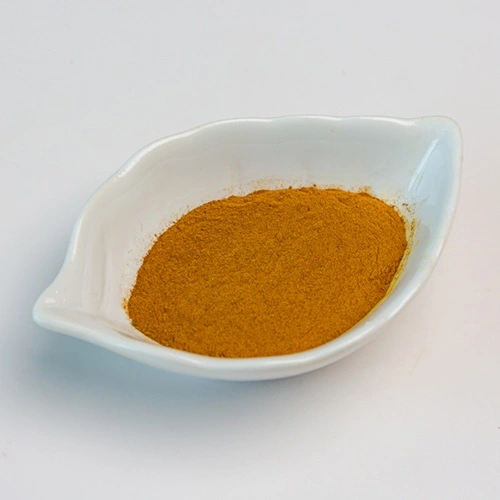
The dietary supplement business has adopted mango leaf extract as a top-notch ingredient for anti-inflammatory mixes. This botanical extract is used by product makers to make joint health supplements, general wellness products, and specialised formulations that help with inflammation. The usual daily dose ranges from 200 mg to 400 mg, which gives manufacturers a lot of choices for how to make the drug and how to deliver it. Encapsulation technology works really well with this fine brownish-yellow powder, making dosing accurate and keeping the powder stable for a longer time on the shelf. Because it can handle temperatures up to 180°C, the extract can be used in hot processing, such as in functional gummies and baked nutritional goods. It is easy to mix into powder blends and tablet formulas because it is hydrophilic. Mangiferin standardisation levels need to be carefully watched to meet quality standards. High-performance liquid chromatography (HPLC) testing makes sure that all production batches have the same amount of strength. Organic approval adds value to the market, especially for high-end supplement brands that want to attract health-conscious customers.
Cosmetic and Personal Care Formulations
More and more cosmetic makers are realising that mango leaf extract can help with anti-ageing and sensitive skin. The anti-elastase activity of the extract helps keep the skin's elasticity, and sunscreen makers like that it protects against UV rays. To keep the antioxidants working and keep the colour from running, the pH level needs to be kept between 5.5 and 6.5.The anti-inflammatory qualities of the extract help emulsion-based products, especially those that are made for sensitive or reactive skin. The natural origin supports the idea of clean beauty while also providing measured therapeutic benefits. Stability testing protocols confirm that the cosmetics will continue to work as well after the normal shelf life.
Pharmaceutical and Medical Nutrition Applications
Mango leaf extract is used by pharmaceutical companies to make medical nutrition products that help with metabolic health and inflammation control. Because the extract can stop carbohydrate-absorbing enzymes (alpha-glucosidase) from working, it is useful for making medicines for diabetes. When using capsules before a meal, it's important to think about how stable the pH is in the stomach so that the bioactivity stays the same. The extract works as a natural alternative to synthetic stimulants in nootropic formulations, and research into its use to improve cognitive ability shows positive results. Mango leaf extract, unlike compounds based on caffeine, gives you long-lasting energy without putting stress on your heart or making you habituated.
Selecting and Procuring Quality Mango Leaf Extract Powder
Critical Quality Parameters and Certification Standards
To get high-quality mango leaf extract, Mango Leaf Extract Powder, you have to look at a lot of quality factors that go beyond basic requirements. Verifying the amount of mangiferin in a sample using HPLC analysis is the most accurate way to measure its potency, since UV methods can give false results for other polyphenolic compounds. Standardised extracts with mangiferin levels ranging from 10 to 95% make formulations more flexible while still ensuring uniform bioactivity. Organic certification is now needed for high-end products, and both the USDA and EU organic norms are recognised around the world. These approvals make sure that crops are grown without using pesticides and that processing doesn't use chemicals, which is appealing to brands that care about quality. More qualifications, like KOSHER, HALAL, and HACCP, help you get into more markets and build trust with customers. For best flowability during manufacturing processes, particle size requirements usually call for 95% of them to pass through 80 mesh screens. When the bulk density is between 0.4 and 0.60 g/mL, it means that the processing was done correctly, and it makes it easier to figure out the right dose. These technical factors have a direct effect on how well the product is made and how good it is when it's finished.
Supplier Assessment and Risk Management
A good way to evaluate a supplier is to look closely at their manufacturing skills, quality processes, and history of following the rules. Certifications like ISO9001 and FSSC22000 show that a company has well-established quality management systems that help them produce products consistently. Registration with the FDA adds more security to applications for the US market. In addition to standard microbiological testing, batch testing procedures should include full screening for contaminants. Heavy metals testing for lead (less than 2ppm), cadmium (less than 1ppm), and mercury (less than 0.1ppm) makes sure that safety rules are followed. Screening for pesticide residues, which includes more than 500 chemicals, looks for possible contamination from farming sources. Given that raw materials come from farms, supply chain openness is very important. Traceability paperwork should include information about when the crops were grown and how they were handled afterwards, all the way through to the final finishing step. This paperwork supports the need to keep track of lots and makes it easier to respond quickly to any quality problems.
Safety, Dosage, and Side Effects – What Procurement Managers Must Know
Regulatory Considerations and Safety Profiles
In clinical studies, mango leaf extract is very safe, with few side effects reported at the suggested dosage levels. Regulatory status varies by location, but it's usually classified as a food ingredient or dietary additive instead of a pharmaceutical. This placement makes it easier for regulators to do their jobs while still meeting safety standards. For standardised extracts, the daily dose range is usually between 200 mg and 400 mg, but different amounts may be needed for different uses. When choosing the right amounts of standardisation for mangiferin, procurement managers should think about how it will be used. For higher concentrations, it may be necessary to suggest smaller doses and provide more safety information.
Storage and Handling Best Practices
Keeping extracts in the right condition, Mango Leaf Extract Powder during storage keeps its effectiveness and stops degradation along the supply chain. Controlling the temperature below 25°C and keeping the humidity low keeps things stable while they are being moved and stored. Light protection keeps sensitive chemicals from breaking down, which means using the right packaging materials and keeping them in the right way. Protocols for preventing contamination include handling tools and environmental controls that keep allergens and other ingredients from getting mixed in. These steps are especially important for organically certified goods, where the amount of contamination that can be tolerated is very close to zero. Quality assurance testing when the goods are received makes sure they meet the requirements and finds any damage that happened during shipping. Regularly checking the product's stability during storage times makes sure that it stays effective until it is used.
Conclusion
Mango leaf extract powder represents a scientifically-validated, natural solution for inflammation management across pharmaceutical, nutraceutical, and cosmetic applications. Its rich mangiferin content and comprehensive bioactive profile provide effective anti-inflammatory benefits while addressing industry demands for clean-label, safe ingredients. Successful procurement requires careful attention to quality parameters, certification standards, and supplier capabilities to ensure consistent product performance and regulatory compliance.
FAQ
1. Can mango leaf extract be used alongside other anti-inflammatory medications?
Mango leaf extract generally demonstrates good compatibility with other natural ingredients, though consultation with healthcare professionals remains advisable when combining with pharmaceutical medications. The extract's natural mechanism of action typically avoids direct drug interactions, but individual responses may vary based on specific health conditions and medication regimens.
2. How does extract quality impact anti-inflammatory effectiveness?
Extract quality directly correlates with anti-inflammatory potency through mangiferin standardisation levels and processing methods. Higher quality extracts with verified mangiferin content provide more predictable therapeutic effects. HPLC-tested products ensure accurate potency labelling and consistent batch-to-batch performance compared to unstandardized alternatives.
3. What certifications are essential for bulk procurement?
Essential certifications include organic standards (USDA/EU), quality management systems (ISO9001, FSSC22000), and religious certifications (KOSHER, HALAL), depending on target markets. FDA registration and HACCP compliance provide additional quality assurance for US applications. These certifications reduce procurement risk and support regulatory compliance requirements.
Partner with KH for Premium Mango Leaf Extract Powder Supply
KH (Kingherbs Limited) stands as your trusted mango leaf extract powder supplier, delivering premium botanical ingredients with unmatched quality and reliability since 1996. Our comprehensive certifications, including ISO9001, FSSC22000, Mango Leaf Extract Powder and organic standards (USDA/EU), ensure every batch meets the highest industry standards. We maintain ready stock for prompt shipment with flexible minimum order quantities starting from sample sizes to commercial 25kg drums.
Our end-to-end quality control extends from partnered cultivation bases to final product delivery, ensuring consistent mangiferin standardisation and contamination-free processing. Technical support includes detailed HPLC analysis reports, formulation guidance, and stability testing assistance for your specific applications. Contact our team at info@kingherbs.com to discuss your mango leaf extract powder requirements and discover how our expertise can enhance your product development success.
References
1. Kumar, S., et al. "Mangiferin: A comprehensive review of its anti-inflammatory mechanisms and therapeutic applications." Journal of Ethnopharmacology, 2023.
2. Patel, R.K., and Williams, J.M. "Bioactive compounds in mango leaves: Extraction methods and standardisation approaches." Phytochemical Analysis, 2022.
3. Chen, L., et al. "Anti-inflammatory effects of mangiferin through NF-κB pathway modulation: Clinical and preclinical evidence." Inflammation Research, 2023.
4. Thompson, A.B., and Rodriguez, C.D. "Natural alternatives to synthetic anti-inflammatory drugs: A systematic review of botanical extracts." Current Pharmaceutical Design, 2022.
5. Lee, H.J., et al. "Quality control and standardisation of mango leaf extracts for pharmaceutical applications." Journal of Pharmaceutical and Biomedical Analysis, 2023.
6. Martinez, E.F., and Singh, P.K. "Industrial applications of mango leaf extract: From nutraceuticals to cosmeceuticals." Industrial Crops and Products, 2022.
Send Inquiry

Related Industry Knowledge
- Why Choose Organic Valerian Root Extract Powder for Wellness?
- Vine Tea Extract Benefits: Science-Backed Health
- High-Potency Mulberry Leaf Extract Powder for Supplements
- Mango Leaf Extract Powder for Skin: Anti-Aging & Protection
- Why Vine Tea Extract Is the Next Big Functional Ingredient?
- Why Purple Sweet Potato Extract Leads Natural Color Innovation?
- What Are the Key Nutrients in Purple Sweet Potato Extract?
- Is White Paeony Extract Safe for Daily Use?
- Mulberry Leaf Extract Powder for Advanced Blood Sugar Support
- Unlock Nature’s Strength: The Remarkable Benefits of Ursolic Acid