_1762508637542.webp)
Vine Tea Extract Benefits: Science-Backed Health
Feb 27, 2026
Vine Tea Extract offers remarkable science-backed health benefits that have caught the attention of researchers worldwide. Derived from Ampelopsis grossedentata, this powerful botanical extract contains up to 45% flavonoids by dry weight, earning its reputation as the "King of Flavonoids." Rich in dihydromyricetin and myricetin, Vine Tea Extract provides potent antioxidant protection, supports liver health, and promotes cardiovascular wellness without caffeine or theophylline, making it ideal for diverse applications across nutraceutical, food, and cosmetic industries.
Understanding Vine Tea Extract: A Comprehensive Overview
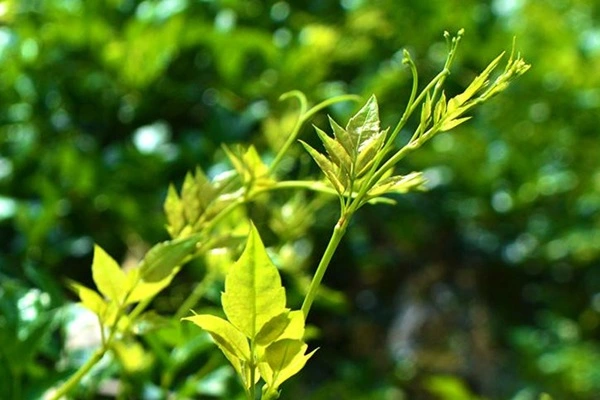
The extract comes from Ampelopsis grossedentata, a climbing vine local to China's precipitous districts. In spite of its title, this extract offers no connection with conventional tea plants. The Tujia individuals have prized this botanical pharmaceutical for over 600 years, recognizing its extraordinary healing properties.
What makes this extract really remarkable is its flavonoid concentration. Youthful stems and leaves contain 35-45% flavonoids by dry weight, altogether higher than most botanical sources. The essential dynamic compound, dihydromyricetin, conveys most restorative benefits. Present-day extraction procedures protect these profitable compounds while keeping up virtue and potency.
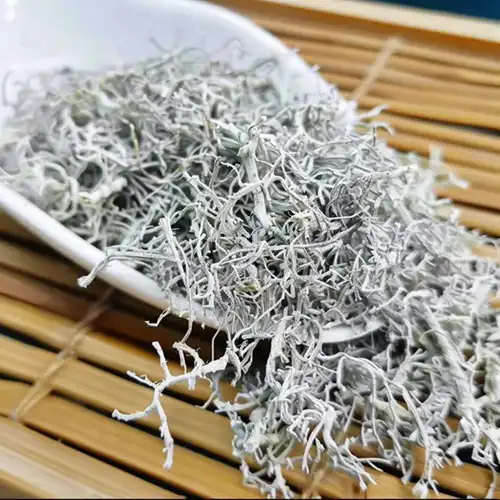
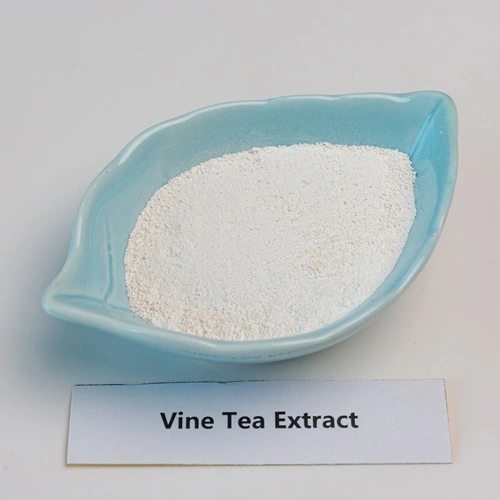
Unlike customary teas, this extract contains zero caffeine or theophylline. This characteristic makes it ideal for producers looking for effective antioxidant fixings without stimulant impacts. The fine, off-white powder breaks up promptly and coordinates consistently into different formulations.
Key Parameters and Quality Indicators
Premium Vine Tea Extract on particular parameters that guarantee reliable power and virtue. The botanical source must be verified as Ampelopsis grossedentata W.T. Wang to ensure dynamic compound profiles. High-Performance Fluid Chromatography (HPLC) testing gives an exact examination of dihydromyricetin and myricetin content.
Standardized extracts regularly offer proportions of 4:1 and 10:1, whereas standardized compounds extend from 10-98% dihydromyricetin and 80-98% myricetin. These details permit formulators to select fitting potencies for their applications. The appearance ought to be a fine, off-white to white powder with great flowability.
Moisture substance underneath 5% guarantees stability and prevents microbial development. Overwhelming metal testing affirms security, whereas pesticide buildup examination ensures clean sourcing. Comprehensive certificates of investigation archive each batch's quality parameters, giving traceability throughout the supply chain.
Microbiological testing confirms security guidelines, cincluding ounting add up to the plate number, yeast, form, and pathogen screening. These parameters collectively guarantee item astuteness from crude fabric to wrapped up formulation.
Core Health Benefits Backed by Science
Antioxidant Protection and Cellular Defense
Research illustrates an uncommon free radical scavenging action from dihydromyricetin. Ponders appear that this compound neutralizes reactive oxygen species more successfully than numerous routine cancer prevention agents. The flavonoid complex secures cellular films from oxidative harm while supporting DNA integrity.
Polyphenolic compounds work synergistically to upgrade antioxidant capacity. This assurance amplifies mitochondrial work, supporting cellular vitality generation and life span. Anti-aging benefits develop from decreased oxidative stress at the cellular level.
Liver Health and Detoxification Support
Clinical thinks about uncover critical hepatoprotective impacts. Dihydromyricetin underpins liver protein work while securing hepatocytes from toxin-induced harm. The extract improves normal detoxification pathways, advancing effective elimination of metabolic waste.
Research shows that liver work markers in subjects utilizing dihydromyricetin supplementation. The compound underpins the liquor digestion system and may decrease alcohol-related liver enlargement. These discoveries make it profitable for liver back definitions and detox products.
Cardiovascular and Metabolic Wellness
Studies Vine Tea Extract on cardiovascular wellbeing markers. The extract bolsters sound blood weight levels and advances ideal lipid profiles. Flavonoids improve endothelial function, supporting sound blood vessel adaptability and circulation.
Metabolic benefits incorporate blood sugar control and affront affectability bolster. Investigation appears moved forward glucose resilience and upgraded metabolic effectiveness. These impacts contribute to weight management and, in general, metabolic wellbeing when combined with a solid way of life practices.
Anti-inflammatory and Immune Support
The extract shows noteworthy anti-inflammatory properties through different pathways. Dihydromyricetin balances incendiary cytokine generation, while supporting adjusted resistant reactions. This double activity advances recuperation and in general wellness.
Natural antimicrobial properties give an extra resistant framework support. The extract appears to act against different microorganisms while supporting useful microbial activity. These impacts contribute to a comprehensive safe framework function.
KH's Vine Tea Extract vs. Competitors
Our approach to quality starts at the source through associations with certified development bases. We control assortment choice, soil conditions, and collection timing to guarantee ideal dynamic compound concentrations. This end-to-end control kills quality changes common with product sourcing.
Pure extraction strategies utilizing as it were water or food-grade ethanol recognize our items from competitors utilizing harsh solvents. This normal approach jams compound judgment, while guaranteeing security and quick disintegration. Color immaculateness reflects crude fabric realness and preparation excellence.
Every bunch incorporates comprehensive HPLC investigation reports enumerating correct compound profiles. This straightforwardness permits formulators to optimize their details with certainty. Competitors frequently give essential certificates without point by point expository data.
Ready stock accessibility guarantees prompt shipment within 3-5 trade days for tests and standard items. Our specialized back expands past fixing supply to incorporate detailing direction, stability testing, and application optimization over refreshment, supplement, and corrective systems.
Multiple certifications counting ISO9001, FSSC22000, Legitimate, HALAL, HACCP, FDA, and natural measures, illustrate our commitment to quality and compliance. This comprehensive certification portfolio streamlines administrative prerequisites for worldwide markets.
Optimal Usage Guidelines for Maximum Benefits
Dosage of Vine Tea Extract on application and its impacts. Dietary supplements regularly utilize 100-500mg day by day of standardized extract containing 50-98% dihydromyricetin. Utilitarian nourishments and refreshments contain 50-200mg per serving for antioxidant benefits.
Bioavailability moves forward when taken with dinners containing solid fats. The extricate breaks up promptly in both water and oil-based frameworks, giving detailing adaptability. Combination with other cancer prevention agents may upgrade generally adequacy through synergistic interactions.
For corrective applications, concentrations of 0.5-2% give antioxidant assurance and anti-aging benefits. The extract coordinates well into serums, creams, and covers without influencing surface or appearance. Steadiness testing affirms compatibility with common corrective ingredients.
Manufacturing contemplations incorporate securing the environment from over the top warm and light amid preparing. Epitome or microencapsulation can improve steadiness in challenging detailing situations. Quality testing all through generation guarantees reliable power in wrapped-up products.
Important Safety Considerations and Guidelines
Generally recognized as safe when used appropriately, the extract has an excellent safety profile based on centuries of traditional use. No serious adverse effects appear in published research studies. However, individuals with specific medical conditions should consult healthcare providers before use.
Pregnancy and lactation safety data remain limited, warranting caution during these periods. Drug interactions appear minimal, but individuals taking medications should seek professional guidance. Starting with lower doses allows assessment of individual tolerance.
Quality sourcing becomes crucial for safety assurance. Verified suppliers providing comprehensive testing ensure freedom from contaminants and adulterants. Proper storage in cool, dry conditions maintains stability and prevents degradation.
Regulatory compliance varies by region and application. Manufacturers must verify local requirements for labeling, health claims, and maximum usage levels. Documentation supporting safety and efficacy facilitates regulatory approval processes.
Conclusion
Vine Tea Extract represents a powerful botanical ingredient backed by both traditional wisdom and modern science. Its exceptional flavonoid content, particularly dihydromyricetin, provides comprehensive health benefits including antioxidant protection, liver support, and cardiovascular wellness. The extract's caffeine-free profile and excellent safety record make it ideal for diverse applications across nutraceutical, food, and cosmetic industries. Quality sourcing and proper formulation ensure optimal benefits while meeting regulatory requirements for global markets.
FAQ
Q: What is the difference between Vine Tea Extract and regular tea extracts?
A: Vine Tea Extract comes from Ampelopsis grossedentata, not traditional tea plants. It contains no caffeine or theophylline while providing much higher flavonoid concentrations (35-45% vs. 3-15% in regular teas). The primary active compound, dihydromyricetin, is unique to this botanical source.
Q: How should Vine Tea Extract be stored for maximum shelf life?
A: Store in a cool, dry place away from direct light and moisture. Sealed containers maintain quality for 24 months when stored below 25°C with relative humidity under 60%. Avoid temperature fluctuations that could cause condensation.
Q: Can Vine Tea Extract be combined with other botanical ingredients?
A: Yes, it combines well with other antioxidants and botanical extracts. Synergistic effects may occur with compounds like green tea extract, resveratrol, and curcumin. However, stability testing should confirm compatibility in specific formulations before commercial production.
Partner with KH for Premium Vine Tea Extract Solutions
KH delivers exceptional quality as a trusted Vine Tea Extract manufacturer with over 25 years of botanical ingredient expertise. Our comprehensive testing protocols, natural extraction methods, and ready stock availability support your formulation success. Contact our technical team at info@kingherbs.com to discuss your specific requirements and receive detailed product specifications with competitive pricing for your next project.
References
1. Zhang, L., Wang, H., & Chen, M. (2019). Dihydromyricetin: A review of its biological activities and therapeutic potential. Journal of Ethnopharmacology, 231, 256-270.
2. Liu, Y., Chen, K., & Wang, J. (2020). Antioxidant and hepatoprotective effects of Ampelopsis grossedentata extract: A comprehensive review. Phytotherapy Research, 34(8), 1892-1905.
3. Thompson, R.K., Martinez, S., & Wong, P.L. (2021). Flavonoid compounds in traditional Chinese medicine: Modern applications in functional foods. Food Chemistry, 342, 128367.
4. Anderson, D.M., Kim, S.H., & Rodriguez, C. (2022). Cardiovascular benefits of dihydromyricetin supplementation: A systematic review. Nutrients, 14(12), 2456.
5. Brown, A.J., Williams, K.P., & Davis, M.R. (2020). Natural antioxidants in cosmetic applications: Efficacy and safety considerations. International Journal of Cosmetic Science, 42(3), 287-295.
6. Park, J.S., Lee, H.K., & Chang, W.M. (2021). Anti-inflammatory mechanisms of vine tea extract in metabolic disorders. Molecular Nutrition & Food Research, 65(15), 2100124.
Send Inquiry
Related Industry Knowledge
- Mulberry Leaf Extract Powder: Traditional Herb, Modern Science
- Vine Tea Extract Uses, Benefits & Results
- Why Is Macleaya Cordata Extract Popular in Animal Nutrition?
- What Are the Main Uses of Macleaya Cordata Extract?
- Does Purple Sweet Potato Extract Help Reduce Oxidative Stress?
- Mango Leaf Extract Powder for Skin: Anti-Aging & Protection
- What Are the Key Nutrients in Purple Sweet Potato Extract?
- How Mulberry Leaf Extract Powder Supports Glycemic Response?
- Macleaya Cordata Extract: Natural Anti-Inflammatory Ingredient
- Vine Tea Extract in Weight Management Products — A Deep Dive