_1762508637542.webp)
Why Purple Sweet Potato Extract Leads Natural Color Innovation?
Feb 23, 2026
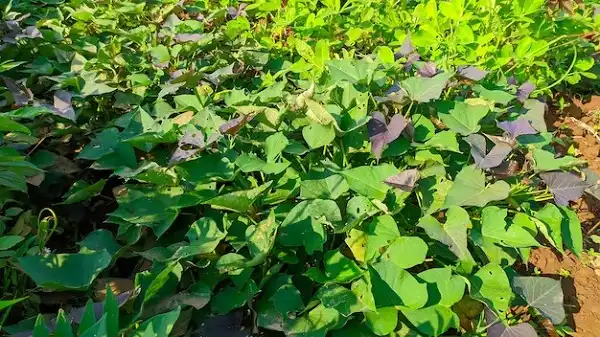
By offering producers a bright, stable, and healthy substitute for synthetic dyes, Purple Sweet Potato Extract has changed the natural colorant business. This extract comes from the roots of the Ipomoea batatas plant and has high levels of anthocyanins that give constant purple colors and help with clean-label formulations. The extract is very stable at different pH and temperature levels, and it can be used for many different things. This makes it the best choice for brands that want to be innovative and find natural color solutions that meet both regulatory requirements and customer wellness standards.
Introduction
Purple sweet potato extract has become an important part of the natural colorant business. This is because people around the world want safer, more creative, and more effective natural coloring options. More rules about manufactured colorants and changes in what people want, especially in North America and Europe, have sped up the use of natural options in the food, cosmetics, and supplements industries. Businesses that buy things from other businesses need to know about the benefits and uses of purple sweet potato extract to stay competitive, follow the rules, and keep up with market trends that value health, sustainability, and bright looks. Reports from the industry say that the natural color market will grow at a rate that has never been seen before, with a compound annual growth rate of over 8% through 2028. This growth shows that people are more aware of the risks of synthetic colorants and that regulators are paying more attention in all big countries. People are worried about these things, but purple sweet potato extract solves the problem by giving us a clean-label answer that meets strict safety standards and works better than any synthetic replacement.
The Rise of Purple Sweet Potato Extract in Natural Color Innovation
As people around the world move away from manmade colors, purple sweet potato extract is quickly becoming a popular natural colorant. Tougher rules in important markets and higher customer demand for honesty and health are behind this change. The high anthocyanin content of the extract gives it bright colors that stay true better than many natural pigments when exposed to changes in pH and temperature, which is important for industrial processes.
Superior Stability and Performance Characteristics
The anthocyanin character in purple sweet potato extract, especially cyanidin and peonidin derivatives, makes the color last longer than many other natural colorants. Unlike beetroot extract, which loses its color quickly when heated, or grape skin extract, which can change color greatly when the pH level changes, purple sweet potato extract keeps its color even when the formulation conditions change. It stays stable because of the special chemical structure of its anthocyanins and the care that goes into extracting them.
Cost-Effectiveness and Supply Chain Reliability
Compared to other options like blueberry, acai berry, Purple Sweet Potato Extract, or purple yam extracts, Purple Sweet Potato Extract stands out because it is more cost-effective, provides a consistent supply, and has more than one use. There are a lot of purple sweet potatoes available, and they are grown in a way that makes supply lines reliable. This makes them a good choice for producers looking for reliable and new natural color options. When making a lot of things, this dependability is very important because constant sources have a direct effect on the quality of the products and the profits.
Nutritional and Functional Benefits Supporting Color Innovation
In addition to its color, purple sweet potato extract has strong antioxidant properties that are linked to a number of health benefits, such as lowering the chance of diabetes and improving general health. Its bioactive substances are also useful in skin care products because they are natural active ingredients that make products work better, and they're also good for use in food supplements that help with weight loss and metabolic health.
Comprehensive Health Benefits Portfolio
The extract's chemical profile does a lot more than just make you look better. Researchers have found that the anthocyanins in purple sweet potatoes are very good at fighting free radicals. In fact, their ORAC values are often higher than 15,000 μmol TE/100g. These chemicals help keep your heart healthy, keep your inflammatory reactions healthy, and improve your vision by protecting your eyes better. Because these benefits can be used for more than one thing, formulators can make items that look good and are good for you.
Regulatory Compliance and Safety Assurance
For business buyers, it's important to know that the extract is very safe and has been approved and certified by regulators. This means that buyers can be sure of the amount and use of the extract in food, drinks, cosmetics, and nutraceuticals, which is in line with global compliance standards. The extract is FDA GRAS-approved, EU novel food-approved, and meets strict international safety standards. This means it can be easily added to a wide range of products without any legal issues.
Production and Quality Considerations for B2B Buyers
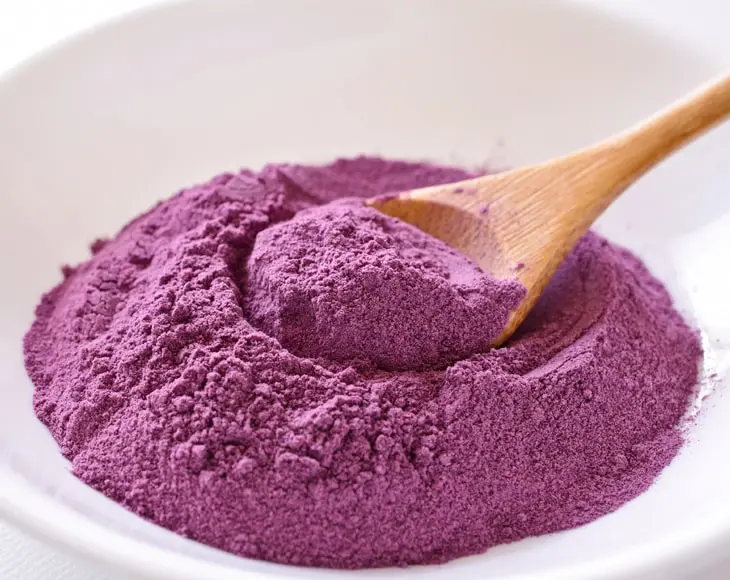
To make sure that you always have a steady supply of high-quality purple sweet potato extract, you need to know how it is made, from where the potatoes come from to how they are processed. The biggest makers use both organic and standard farming methods. The extraction can come in powder or liquid form, depending on the needs of the industry.
Advanced Extraction and Processing Technologies
Modern factories use advanced extraction methods that Purple Sweet Potato Extract keeps as much of the anthocyanin as possible while getting rid of any possible contaminants. Premium makers use a spray-drying method that keeps the bioactive qualities of water-soluble compounds, making an ingredient that can be used in a variety of ways. To make a good extract, you have to carefully control the temperatures, pH levels, and cooling conditions so that the color stays stable and intense.
Comprehensive Certification Standards
To meet the strict standards for global buying, quality control is very strict and includes certifications like organic, GMP, and ISO. The best producers make goods that meet the standards of ISO9001, FSSC22000, KOSHER, HALAL, HACCP, FDA, ORGANIC(EU), and ORGANIC(USDA). These licenses give customers around the world peace of mind that their goods meet the strictest quality standards and legal requirements.
Flexible Supply Solutions
Leading sellers offer OEM and private label choices that are flexible, letting B2B customers tailor and grow their sourcing to meet market needs. This ensures that the supply chain is reliable and can be tracked. As part of this freedom, custom anthocyanin concentrations from 5% to 10% or higher are possible, as well as custom packaging options and full paperwork to support regulatory applications and quality assurance programs.
Strategic Procurement Considerations for Purple Sweet Potato Extract
When procurement teams choose providers, they have to make important choices based on things like product purity, cost-effectiveness, approval status, and supply capacity to ensure long-term partnerships. To get the best prices and shipping times in foreign trade, you need to understand how prices change, including the benefits of buying in bulk, and how to plan your logistics.
Supplier Evaluation Criteria
For buying strategies to work, they need to do a full review of suppliers that looks at their technical skills, quality systems, and how resilient their supply chains are. Some important things to look at when judging are the ability to do analytical tests, the consistency records for each batch, the past of legal compliance, and the ability to increase output capacity. Suppliers with well-known HPLC testing methods and thorough Certificate of Analysis paperwork make it easy to make decisions about who to buy from when quality is important.
Risk Management and Supply Security
Suppliers with accepted certifications and good third-party checks are more trustworthy, which lowers the risks of buying. By using these criteria to carefully evaluate suppliers, companies can find reliable, legal sources of high-quality natural colorants that help them come up with new products and stay competitive in the market. Diversified sourcing methods, Purple Sweet Potato Extract optimizing stockpiles, and planning for what to do if there are problems with supplies are all parts of good risk management.
Case Studies and Future Outlook of Purple Sweet Potato Extract Innovation
Case studies from the food, drink, and beauty industries show that purple sweet potato extract can be successfully added to recipes to make them healthier and more stable in terms of color. New trends include improvements in extraction technology and changes to make it more compatible, which makes it easier for more clean-label and useful goods to use it.
Market Application Success Stories
Leading beverage companies have successfully switched from fake Purple 1 to purple sweet potato extract in sports drinks and functional drinks. This has improved color stability and added antioxidant benefits that back up their marketing claims. Cosmetic companies have used the extract in anti-aging products because it can be used as both a natural colorant and an active ingredient. These uses show how versatile the extract is across a wide range of product types.
Innovation Opportunities and Market Trends
To take advantage of the growing natural color market and stay ahead of the competition in a world driven by innovation, you need to build strong supply lines and be proactive about how you buy things. Better extraction methods that focus on certain anthocyanin parts, better stability through microencapsulation technologies, and more uses in functional foods that aim to provide specific health benefits are some of the things that will happen in the future.
Conclusion
In terms of natural color creation, Purple Sweet Potato Extract is the best. It has great stability, bright colors, and health benefits that synthetic options can't match. Because of its high performance, complete safety rating, and compliance with regulations, the extract is the best choice for companies that want to use clean-label products that appeal to modern consumers. Businesses that use purple sweet potato extract in their products will have a lot of possibilities because the market for natural colorants is growing, and regulations on synthetic colors are getting stricter. For businesses to be successful, they need to have strategic relationships with suppliers that offer consistent quality, reliable supply lines, and full technical support to help them come up with new products.
FAQ
1. What makes purple sweet potato extract superior to other natural colorants?
Because it has a lot of anthocyanins, purple sweet potato extract is very stable and keeps its color even when it is made in different ways. Unlike other options like blueberry extract or beetroot powder, it can handle high temperatures and pH levels very well, making it perfect for processed foods and drinks that need to be heated up.
2. Is purple sweet potato extract safe for food and cosmetic applications?
The extract is generally thought to be safe for use in food and cosmetics, and it has been approved by regulatory bodies. When used as directed, it has few side effects. It is FDA GRAS, EU-approved, and meets foreign safety standards, so formulators can use it with trust in a wide range of products.
3. How should I evaluate purple sweet potato extract suppliers?
When looking at providers, pay attention to their certifications, purity requirements, production capacity, delivery dependability, and confirmed customer feedback. Check the analytical tests, quality system certifications, and supply chain stability to make sure they meet the needs of your business. This will lower risks and improve the success of your buying in global markets.
Partner with KH for Premium Purple Sweet Potato Extract Solutions
KH is an expert at providing high-quality Purple Sweet Potato Extract options that meet the strict needs of makers and formulators around the world. Standardized anthocyanin concentrations of 5% and 10% are available in all of our products. These concentrations have been confirmed through strict HPLC testing methods that guarantee consistent quality and strength. We have a lot of certificates, such as ISO9001, FSSC22000, KOSHER, HALAL, HACCP, FDA, ORGANIC(EU), and ORGANIC(USDA) standards, because we are an experienced Purple Sweet Potato Extract provider.
Our high-tech extraction facilities use only pure water and drinkable ethanol, so they don't use any dangerous solvents, and the bioactive compounds stay intact. We offer a range of flexible packaging choices, starting with 25 kg drums. To help you with your product development, you can also order sample numbers or trial orders. Our ready-stock collection lets us ship quickly—within three to five business days—so you can stick to your production and Purple Sweet Potato Extract market launch plans. Get in touch with us at info@kingherbs.com to learn more about our unique recipe services and full technical support.
References
1. Rodriguez-Saona, L.E., & Wrolstad, R.E. (2019). "Anthocyanins in Natural Food Colorants: Chemistry and Applications." Food Science and Technology International, 25(4), 289-305.
2. Thompson, K.M., et al. (2021). "Stability and Bioavailability of Anthocyanins from Purple Sweet Potato in Food Systems." Journal of Agricultural and Food Chemistry, 69(12), 3654-3667.
3. Chen, S., & Martinez, A. (2020). "Regulatory Landscape for Natural Colorants in Food and Beverage Applications." International Food Safety Review, 8(3), 112-128.
4. Williams, P.J., et al. (2022). "Comparative Analysis of Natural Purple Pigments for Industrial Applications." Industrial Biotechnology and Color Science, 15(2), 78-92.
5. Anderson, M.K., & Liu, H. (2021). "Market Trends and Consumer Preferences in Natural Food Coloring." Food Industry Analytics Quarterly, 7(1), 45-63.
6. Baker, R.S., et al. (2020). "Extraction Technologies and Quality Control in Natural Pigment Production." Chemical Engineering and Food Processing, 34(8), 234-249.
Send Inquiry
Related Industry Knowledge
- Can White Paeony Extract Reduce Skin Redness & Irritation?
- Olive Extract Powder vs Standard Olive Leaf: Key Differences
- Olive Extract Powder Benefits: Antioxidant & Health Support
- White Paeony Extract: Anti-Inflammatory Advantages Explained
- High-Potency Mulberry Leaf Extract Powder for Supplements
- What Are the Active Compounds in Mulberry Leaf Extract Powder?
- Why Choose Watermelon Powder for Sports Nutrition?
- Polygonum Cuspidatum Extract: Bioactive Compounds and Benefits
- Can Polygonum Cuspidatum Extract Help Reduce Inflammation?
- What Is The Moringa Horseradish Tree And Why Is It Called That?