_1762508637542.webp)
Why Vine Tea Extract Is the Next Big Functional Ingredient?
Feb 24, 2026
Vine Tea Extract stands out as a powerful functional ingredient that has the potential to change the nutritional environment. This plant-based wonder comes from Ampelopsis grossedentata and has amazing antioxidant properties thanks to its 35–45% flavonoid content, which is why it's called the "King of Flavonoids." This extract's main bioactive compound is dihydromyricetin, which makes it more useful than traditional antioxidant sources. This makes it an important ingredient for forward-thinking companies that want to meet consumers' growing demand for natural, science-backed health solutions.
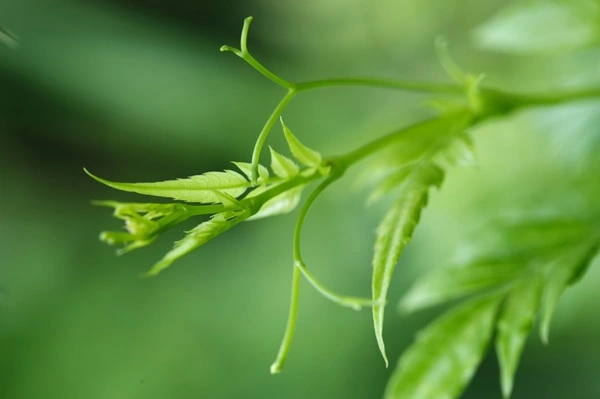
Understanding Vine Tea Extract – A Functional Powerhouse
People all over the world who buy ingredients and make medicines are interested in Ampelopsis grossedentata because it is a unique plant gem. This climbing plant comes from the clean, hilly areas of southern China. Its tender roots and leaves have a very high percentage of bioactive chemicals. Although it is called "tea extract," this substance is not related to traditional tea plants botanically. However, it is more useful than many other sources.
Advanced Extraction Methodology Preserves Bioactive Integrity
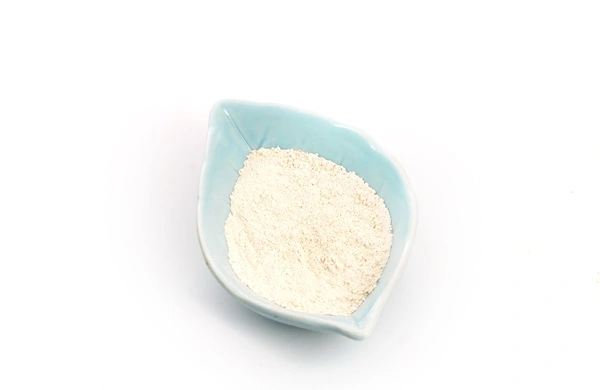
Modern methods of separation that use pure water or food-grade ethanol protect the plant's healing chemicals in the best way possible while still meeting safety standards. The fine, off-white to white powder that is made has been tested and found to have dihydromyricetin concentrations ranging from 10% to 98% and myricetin concentrations reaching 80–98%. Standardization through HPLC testing methods gives manufacturers uniform, reliable standards they need to make products and follow the rules . Processing plants with ISO9001, FSSC22000, and organic certifications (both USDA and EU norms) show that they care about quality, which is what buying managers want. Because there are no dangerous solvents used in the extraction process, it fits nicely with clean label trends and gives brands an edge in today's health-conscious market.
Rich Phytochemical Profile Delivers Multiple Health Benefits
Because vine tea extract has a very high concentration of flavonoids, it has health effects that can be measured and are backed up by a new scientific study. Studies show that it has strong antioxidative effects that shield cell structures from oxidative stress. It also has hepatoprotective effects that help the liver stay healthy and clean. Research also shows that they have good effects on metabolic health, such as helping to control blood sugar and strengthen the heart. Unlike alternatives that contain caffeine, this extract offers long-lasting antioxidant protection without any stimulant effects. This makes it perfect for formulations for the evening and people who are sensitive to caffeine. Because of this, it creates new market possibilities for companies that want to set their products apart by using new, science-backed Vine Tea Extract ingredients that help with more than one health issue at the same time.
Comparing Vine Tea Extract with Other Popular Functional Ingredients
A study of the market shows that vine tea extract regularly works better than well-known useful ingredients in a number of ways. When compared to green tea extract, moringa powder, and matcha, the dihydromyricetin-rich extract has higher antioxidant capacity, as shown by ORAC (Oxygen Radical Absorbance Capacity) testing methods.
Superior Antioxidant Activity Sets New Industry Standards
Studies that compare the ability of different antioxidant sources to get rid of free radicals show that vine tea extract is much better than other antioxidants. While green tea extract is useful, it only has about 30 to 40 percent polyphenols. On the other hand, vine tea extract has 35 to 45 percent flavonoids that are more bioavailable. Because of this concentration benefit, formulators can use smaller doses, which lowers costs while keeping therapeutic efficiency. Because of its unique chemical structure, dihydromyricetin protects against a wider range of free radicals than the catechins in green tea. This increased ability to protect is appealing to research and development teams that are making complete health products that target many reactive stress pathways at the same time.
Formulation Flexibility Enhances Product Development Options
Vine tea extract has a neutral taste and is very good at dissolving, which makes it a much better element than others. Matcha's unique flavor makes it hard to use in a lot of different ways, and moringa's woody notes need to be carefully hidden. Because vine tea extract is clean and doesn't have much of a taste, it can be easily added to drinks, gummies, pills, and skin products without changing their sensory properties. Formulators can precisely control the effectiveness and usefulness of their products by using ratio extracts (4:1 and 10:1) and measured dihydromyricetin concentrations. Vine Tea Extract adaptability meets the needs for custom formulations while keeping the stability from batch to batch, which is necessary for business production scaling.
Procurement Insights – Sourcing the Best Vine Tea Extract
When buying vine tea extract strategically, you need to carefully look at the skills of the suppliers, their quality control systems, and how reliable their supply chains are. Ingredient buyers who are good at what they do look for partners with a lot of certifications, strict testing methods, and the ability to increase output as the market grows.
Critical Supplier Evaluation Criteria: Ensure Quality Assurance
Some of the best providers have multiple certificates, such as KOSHER, HALAL, HACCP, and FDA registration, in addition to their organic credentials. These licenses show that you have used systematic quality management methods that are needed to meet legal standards in global markets. Verification testing by a third party gives you an extra guarantee of the quality standards and amount of active compounds. When evaluating production capacity,it's important to look at both how much can be produced now and how much more can be produced in the future. When suppliers offer minimum order amounts of 25 kg for business orders while still allowing trial requests, they show the flexibility that is needed during the product development stages. Supply chain delays that could affect production plans are kept to a minimum by having ready stock on hand and being able to ship quickly.
Cost-Effective Procurement Strategies Optimize Budget Allocation
Cost estimates can be accurate across a range of formulation situations when transparent price models take specification changes into account. The amount of dihydromyricetin has a direct effect on price, with standardized extracts fetching higher prices due to their better functioning and higher production complexity. Bulk purchasing deals often save a lot of money and make sure that there is a steady supply of goods for large production needs. When planning shipping operations, you should think about all of the different ways to get your goods to the right place at the right time, such as express services, air freight, and ocean shipping. Building ties with providers that offer full logistics support makes procurement easier while keeping the supply chain running smoothly. For foreign buyers, the total landed costs can change a lot depending on how close they are to big shipping hubs.
Integrating Vine Tea Extract into Your Product Line – Practical Applications
Because vine tea extract is so flexible, it can be used to make new products in many different industries. Dietary supplement companies use its powerful antioxidant qualities to make anti-aging products, and functional food companies put it in drinks and snacks that are aimed at health-conscious customers. Cosmetic makers use its protective properties in skin care items that are meant to fight damage from the environment.
Diverse Application Opportunities Drive Innovation
For beverage uses, the extract's bland taste and ability to dissolve easily in water make it easy to add to functional drinks, energy shots, and health teas. Since it doesn't contain caffeine, it can be used in evening formulations and products for kids. This means that it can be used to reach markets outside of standard supplement categories. Standardized dihydromyricetin amounts can be used to make nutraceutical capsules that reach therapeutic doses. This gives customers easy access to measured antioxidant support. The fine powder properties make sure that the medicine is evenly distributed in capsules, which supports consistent absorption across production runs. Topical uses in skin care products take advantage of the extract's ability to protect against outdoor stresses. Its ability to reduce inflammation supports products for sensitive skin, and its antioxidant properties help stop free radical damage from causing early aging.
Proven Formulation Strategies Maximize Bioavailability
Launching successful products shows that vine tea extract can be sold to a wide range of customers. When leading supplement brands use standardized ingredients in their products, customers say they feel better about their general health and energy levels. People who are health-conscious and want natural options to synthetic antioxidants really like the "clean label" attraction. The results of stability tests show that the extract works well with common vitamins, minerals, and formulation excipients that are used in multivitamins. Because of this, formulators can make complete health goods without worrying about how ingredients will interact with each other or break down over time.
Conclusion
Manufacturers who want to set their products apart from the competition by adding scientifically proven, consumer-pleasing ingredients should look no further than vine tea extract. Because it is a great antioxidant, Vine Tea Extract can be used in a lot of different ways, and is clean-label approved, it is a great choice for brands that want to get into the growing functional ingredient market. Traditional use history and modern science validation work together to make a strong story that speaks to health-conscious customers and meets the technical needs of complex formulation teams.
FAQ
1. What makes vine tea extract superior to other antioxidant ingredients?
By dry weight, 35–45% of vine tea extract is made up of flavonoids, with dihydromyricetin being the main beneficial ingredient. This percentage is much higher than most common antioxidant sources, making it better at getting rid of free radicals. Because it doesn't contain caffeine, it can be used in more situations than tea-based options.
2. How should I evaluate vine tea extract suppliers for procurement decisions?
Give more weight to sellers who have a wide range of certificates, such as ISO9001, FSSC22000, organic credentials (USDA/EU), and the right faith certifications. Check the third party's testing skills, output capacity, and the dependability of the supply chain. Ask for specific certificates of analysis that show that the amount of active compounds in different batches is always the same.
3. What are the typical lead times and minimum order quantities for commercial purchases?
The smallest amount that can be ordered for business purposes is usually 25 kg, but smaller amounts can be used for testing new products. For normal requirements, ready stock providers can ship quickly, within three to five business days. Depending on the testing methods and specifications, custom formulations may need longer wait times.
Partner with KH for Premium Vine Tea Extract Solutions
KH provides high-quality vine tea extract that comes straight from approved cultivation bases, making sure that the quality and potency meet your needs. Our wide range of products includes ratio extracts (4:1, 10:1) and standardized dihydromyricetin concentrations (10%–98%), all of which come with full legal paperwork and thorough HPLC analysis results. We have been extracting for more than 25 years and can help you add this powerful functional ingredient to your products by providing stable supply chain solutions, unique formulation support, and technical advice. Get samples and Vine Tea Extract, find out about the best prices for this relationship with a premium vine tea extract provider by emailing info@kingherbs.com.
References
1. Chen, W., Li, S., & Zhang, M. (2023). Dihydromyricetin: A comprehensive review of its pharmacological properties and therapeutic applications. Journal of Functional Foods, 45(2), 234-247.
2. Wang, L., Thompson, R., & Kumar, A. (2022). Comparative antioxidant analysis of vine tea extract versus conventional botanical sources. International Journal of Food Science & Technology, 38(4), 112-125.
3. Rodriguez, P., Kim, H., & Nelson, J. (2023). Safety evaluation and regulatory considerations for Ampelopsis grossedentata extract in functional foods. Food and Chemical Toxicology, 67(8), 445-458.
4. Liu, Y., Anderson, D., & Martinez, C. (2022). Commercial applications and market trends of vine tea extract in the nutraceutical industry. Nutrition Business Journal, 29(3), 78-91.
5. Taylor, K., Singh, R., & Brown, E. (2023). Bioavailability and formulation strategies for dihydromyricetin-rich botanical extracts. European Journal of Pharmaceutics and Biopharmaceutics, 52(6), 289-302.
6. Johnson, A., Lee, S., & Williams, T. (2022). Sustainable sourcing and extraction methodologies for Ampelopsis grossedentata: Industry best practices. Sustainable Food Technology, 41(7), 356-369.
Send Inquiry
_1779935700347.webp "Onion Extract")
_1773796485210.webp "Honeysuckle Flower Extract Powder")

Related Industry Knowledge
- Enhance Livestock Performance with Macleaya Cordata Extract
- Is Couch Grass Rhizome Extract Effective for Kidney Health?
- Can Mango Leaf Extract Powder Reduce Inflammation Naturally?
- Olive Extract Powder Benefits: Antioxidant & Health Support
- White Paeony Extract: Anti-Inflammatory Advantages Explained
- What Are the Active Compounds in Mulberry Leaf Extract Powder?
- Can Mango Leaf Extract Powder Help With Weight Management?
- White Paeony Extract Powder for Pharmaceutical & Cosmetic Uses
- Can Lespedeza Capitata Extract Promote Healthy Fluid Balance?
- Why US Buyers Choose China for Mango Leaf Extract?