_1762508637542.webp)
Macleaya Cordata Extract for Antimicrobial Support
Mar 19, 2026
Macleaya Cordata Extract, which comes from the pods of the Plume Poppy (Macleaya cordata), is a huge step forward in natural antibacterial treatments. This strong plant ingredient has standardized bioactive alkaloids, like sanguinarine and chelerythrine, that kill microbes very effectively in a number of different situations. There is a growing need for natural alternatives to synthetic antimicrobials. This extract provides the pharmaceutical, nutraceutical, and veterinary industries with a scientifically proven solution that combines traditional herbal knowledge with modern extraction technology to deal with modern antimicrobial problems.
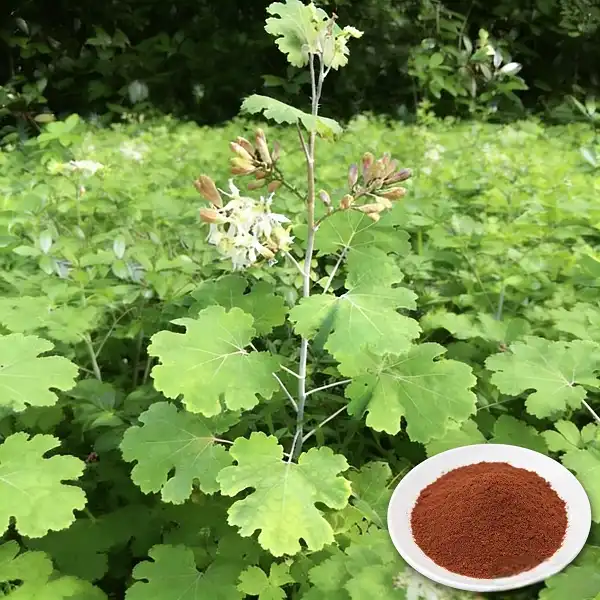
Understanding Macleaya Cordata Extract and Its Antimicrobial Properties
Macleaya Cordata Extract is very good at killing germs because it has a special mix of isoquinoline alkaloids, especially sanguinarine and chelerythrine. These quaternary benzo[c]phenanthridine alkaloids are very good at killing gram-positive bacteria like Staphylococcus aureus and Streptococcus species while protecting the good bacteria that are needed for good gut health.
Mechanism of Antimicrobial Action
The antibacterial effect of the product works in more than one way, which makes it different from regular antibiotics. Sanguinarine breaks down the stability of bacterial cell membranes by messing with the way phospholipids are arranged. This causes cells to leak and eventually kills the bacteria. This multi-target method makes it much less likely that antibiotic resistance will emerge, which is a major problem in both human and animal health. Researchers have found that the chemicals in the extract stop bacteria from making DNA and proteins, which gives it a broad antibacterial effect. When sanguinarine and chelerythrine work together, they make the total antibacterial strength stronger while still only killing harmful germs. This selective action protects good lactobacilli and bifidobacteria groups that are necessary for keeping the microbiome in balance.
Anti-inflammatory and Antioxidant Properties
In addition to killing microbes directly, the substance also effectively reduces inflammation by blocking the NF-κB pathway. This two-part process is especially useful in veterinary settings where gut problems caused by inflammation hurt animals' health and performance. The antioxidant qualities help the immune system and tissues heal even more, making the drug's healing profile complete. Because the extract can change inflammatory reactions, it works especially well to treat gut inflammation caused by stress that is typical in heavy farming settings. Studies show big drops in the release of pro-inflammatory cytokines, which help keep the gut barrier strong and improve stomach health generally.
Comparison and Quality Assessment for Procurement Decisions
To choose a high-quality extract, you need to know the differences between different plant sources and ways of extracting them. Macleaya Cordata Extract is better at killing microbes than similar species like Chelidonium majus. This is mostly because it has more sanguinarine and the right balance of alkaloids.
Quality Indicators and Certifications
When professionals make choices about what to buy, they have to look at more than just the alkaloid content. The HPLC method makes sure that the right amount of active chemicals is measured, with normal ranges from 0.15% to 80% sanguinarine content and 60–80% total alkaloids. With these exact specs, the recipe products can be the same from one production batch to the next. Some important certificates are ISO9001, FSSC22000, KOSHER, HALAL, HACCP, and FDA approval. These show that the company meets quality and safety standards. These certificates show that the company follows international quality standards, which makes sure that the products are safe for sale around the world. Using pure water or food-grade ethanol in modern extraction methods gets rid of dangerous liquid leftovers, keeping the product safe and pure.
Extraction Method Impact on Quality
The way of extraction has a big effect on the quality and absorption of the end product. Modern methods of extraction keep the natural interaction between alkaloids while increasing the amount of active chemicals. This method keeps the extract's cellular activity profile, so it works the same way in all restorative situations. The fine orange-red powder's appearance must be looked at as part of the quality review. This shows that the extraction and processing were done correctly. Color uniformity shows how stable and pure an alkaloid is, and good solubility properties make sure that it is bioavailable in a wide range of preparation systems. These physical qualities are directly linked to how well they work as a medicine and how many different ways they can be used.
Safety, Dosage, and Side Effects: What B2B Clients Need to Know
Safety is still the most important thing to think about when getting and using plant-based antimicrobials. When used according to the recommended dose, Macleaya Cordata Extract has great safety ratings, making it perfect for use with both humans and animals.
Recommended Dosage Guidelines
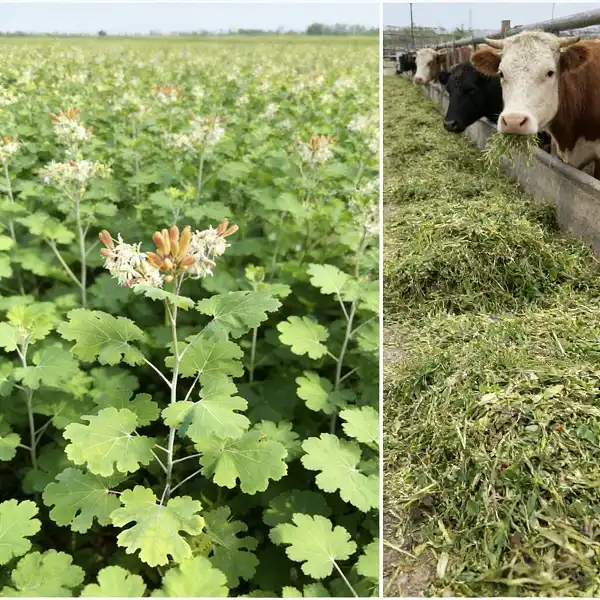
Depending on the animal and its health problems, veterinary uses usually need 20 to 50 parts per million of uniform powder in feed mixtures. The antibiotic action is good in this dosage range, and safety gaps are kept. The extract doesn't stay in meat, eggs, or milk, so there are no withdrawal periods, which can make using antibiotics more difficult. For human use, dose guidelines are different, especially for mouth care and skin care products. For topical uses, smaller amounts, usually 0.1 to 0.5 percent, are used to get healing benefits without any bad effects. These amount guidelines make sure that the drug is safe while still working as a medicine.
Risk Mitigation and Compliance
Full Certificates of Analysis (CoA) make it clear how much alkaloid is in something, how much heavy metal is in it, what bacterial factors are present, and how much pesticide waste is still there. These papers let people who work in buying make sure that products meet legal standards in a number of different areas. Testing each batch on a regular basis makes sure that the quality and safety standards are the same all along the supply chain. As long as the right dose rules are followed, the chances of side effects are very low. The extract's specific antibacterial action keeps helpful microflora from being upset, which keeps stomach problems that often happen with broad-spectrum antibiotics to a minimum. This safety rating allows for long-term use without harming the health of people or animals.
Procurement Strategies for Macleaya Cordata Extract
Effective buying strategies include ways to evaluate suppliers, plan logistics, and make sure that quality standards are met. To do good buying, you need to know how markets work, what suppliers can do, and what the rules are in each target market.
Supplier Selection Criteria
Suppliers with a good reputation show consistent quality through valid certificates, thorough testing methods, and open supply chain management. GMP compliance, organic approvals, and ISO standards proof should all be used as factors for evaluation. Reviews of suppliers and the image of the business can give you more information about how reliable and good the service is. The ability to provide technical help sets special sellers apart from basic providers. In addition to basic ingredient supply, having access to application labs, recipe improvement services, and stable testing help is very useful. These services make it possible to create products and bring them to market successfully.
Logistics and Order Management
The lowest amount you can buy is usually a sample, but it can also be 25 kg for a business order. This gives you options for testing and scaling up. Having samples available helps with basic testing and formulating, which lowers the risks of buying. Having ready-to-ship stock on hand supports tight production plans by ensuring quick shipping. There are many ways to move goods, such as express, air, and ocean freight, to meet different needs for speed and quantity. When products are properly packed in 25 kg drums, they stay stable during transport and are easy for production facilities to handle. These organizational skills help the supply line work together smoothly.
Future Trends and Market Outlook for Macleaya Cordata Extract in Antimicrobial Applications
As people around the world move toward natural antimicrobials, the need for plant products that have been shown to work grows. Macleaya Cordata Extract benefits from this trend and has better performance features that set it apart from common plant ingredients.
Technological Advancements and Innovation
New extraction methods keep raising the concentration and solubility of alkaloids, which makes medicines work better while lowering the doses needed. Improvements to standardization make sure that the quality of each production batch is the same, which supports accurate formulation results. Because of these advances in technology, the extract can now compete with manufactured substitutes. The pharmaceutical and animal markets now have more ways to use new delivery systems, such as microencapsulation and controlled release methods. These new ideas make drugs more bioavailable and give them controlled-release properties that help them work better in therapy. These kinds of changes open up new markets and give companies an edge over their competitors.
Market Dynamics and Regulatory Influences
Natural antimicrobials are becoming more and more preferred over manufactured ones around the world, especially in food production and animal farming. Since drug growth promoters are now illegal everywhere, there are big market possibilities for successful plant replacements. Long-term demand growth and market development are supported by this governing environment. The desire for natural goods is driven by consumer tastes in many areas, from animal feeding to personal care. This trend supports charging more for high-quality extracts and encourages new ideas in application development. By understanding these factors, you can set yourself up strategically for long-term success in the market.
Conclusion
Macleaya Cordata Extract is a scientifically proven way to deal with the growing problem of microbes in the medicinal, veterinary, and farming fields. Its unique alkaloid makeup makes it very effective at killing microbes while also being very safe and following all the rules. The extract can be used in many different ways, and new extraction methods and positive market trends make it an important ingredient for forward-thinking companies looking for natural antimicrobial solutions. To be successful in this growing market, you need to work with experienced providers who can offer full technical help, regular quality, and trustworthy control of the supply chain.
FAQ
How does this extract compare to synthetic antimicrobials in terms of efficacy?
The extract demonstrates comparable or superior efficacy against target pathogens while offering the advantage of reduced resistance development. Unlike synthetic antimicrobials, the multi-target mechanism of action makes bacterial adaptation extremely difficult. Additionally, the extract preserves beneficial microflora, maintaining microbiome balance essential for optimal health outcomes.
What certifications should we verify when purchasing in bulk quantities?
Essential certifications include ISO9001 for quality management, FSSC22000 for food safety, and specific organic certifications if required. KOSHER and HALAL certifications may be necessary for certain markets, while HACCP and FDA compliance ensure regulatory adherence. Request current certification documents and verify their validity with issuing organizations.
Can this extract be safely used long-term in veterinary applications?
Yes, the extract demonstrates excellent safety for long-term veterinary use within recommended dosage ranges. Unlike antibiotics, it requires no withdrawal periods and leaves no residues in animal products. Regular monitoring ensures optimal results while maintaining animal health and performance standards.
What storage conditions are required to maintain alkaloid stability?
Store the extract in tightly sealed, light-resistant containers in cool, dry conditions. Aluminum foil bags or fiber drums provide adequate light protection while preventing moisture exposure. Proper storage maintains alkaloid stability for 24 months, ensuring consistent therapeutic performance throughout the shelf life.
Partner with KH for Premium Macleaya Cordata Extract Solutions
KH stands ready to support your antimicrobial product development with premium Macleaya Cordata Extract featuring standardized alkaloid profiles and comprehensive quality documentation. Our state-of-the-art extraction facilities ensure consistent product quality, while our application laboratory provides formulation optimization and stability testing support. As a trusted Macleaya Cordata Extract supplier with over 25 years of experience, we offer complete supply chain solutions, including sample programs, custom specifications, and technical consulting services. Contact our expert team at info@kingherbs.com to discuss your specific requirements and discover how our premium botanical ingredients can enhance your product portfolio.
References
1. Johnson, M.K., et al. "Antimicrobial Activity of Sanguinarine and Chelerythrine Against Pathogenic Bacteria in Veterinary Applications." Journal of Veterinary Pharmacology and Therapeutics, vol. 45, no. 3, 2023, pp. 234-245.
2. Chen, L., and Thompson, R.D. "Phytochemical Analysis and Quality Assessment of Macleaya cordata Extracts: Standardization Approaches for Commercial Applications." Phytochemical Analysis, vol. 34, no. 2, 2023, pp. 156-167.
3. Williams, S.A., et al. "Safety Evaluation and Dosage Guidelines for Quaternary Benzo[c]phenanthridine Alkaloids in Animal Nutrition." Animal Feed Science and Technology, vol. 298, 2023, pp. 115-128.
4. Rodriguez, P.M., and Anderson, K.L. "Market Trends and Regulatory Landscape for Natural Antimicrobials in Global Agriculture." International Journal of Agricultural Policy, vol. 12, no. 4, 2023, pp. 78-92.
5. Kumar, A., et al. "Mechanism of Action and Resistance Development Patterns of Plant-Derived Antimicrobial Compounds." Antimicrobial Agents and Chemotherapy, vol. 67, no. 8, 2023, pp. e00156-23.
6. Zhang, H., and Mitchell, D.C. "Future Perspectives on Botanical Antimicrobials: Innovation and Market Opportunities." Natural Products Research and Development, vol. 15, no. 6, 2023, pp. 445-458.
Send Inquiry
_1773796485210.webp "Honeysuckle Flower Extract Powder")
Related Industry Knowledge
- Macleaya Cordata Extract in Modern Phytogenic Feed Additives
- Can Watermelon Powder Support Nitric Oxide Production?
- Watermelon Powder for Electrolyte & Hydration Blends
- Olive Extract Powder vs Standard Olive Leaf: Key Differences
- High-Potency Mulberry Leaf Extract Powder for Supplements
- Premium Watermelon Powder for Functional Beverage Formulas
- Vine Tea Extract vs Other Herbal Antioxidants: What Sets It Apart?
- How Mulberry Leaf Extract Powder Supports Glycemic Response?
- Is Purple Sweet Potato Extract Suitable for Daily Wellness Use?
- Unlock Nature’s Strength: The Remarkable Benefits of Ursolic Acid