_1762508637542.webp)
Macleaya Cordata Extract in Modern Phytogenic Feed Additives
Mar 18, 2026
With its powerful bioactive alkaloids, Macleaya Cordata Extract is at the cutting edge of current phytogenic feed ingredients that are changing the way animals are fed. This plant product, which comes from the Plume Poppy (Macleaya cordata), gives feed makers an alternative to drug growth boosters that has been proven to work by science. With consistent levels of sanguinarine and chelerythrine, this natural answer solves important problems in the industry, such as antibiotic tolerance, following the rules, and producing animals in a way that doesn't harm the environment. The extract has been shown to improve gut health, feed conversion rates, and immune function. This makes it an important part of current feed preparation methods that aim for the best performance in cattle.
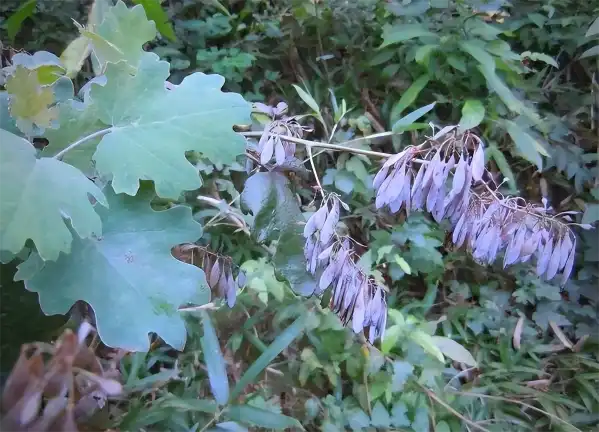
Understanding Macleaya Cordata Extract and Its Role in Phytogenic Feed Additives
Natural feed supplements have changed how animals are fed, and Macleaya Cordata Extract is at the forefront of this plant revolution. This strong phytogenic chemical comes from the Papaveraceae family plant Macleaya cordata (Willd.) R. Br., which is also known as the Plume Poppy. The process of extraction focuses on the pods of the plant because they have the most effective isoquinoline alkaloids.
Chemical Profile and Bioactive Components
The extract's healing power comes from its high level of alkaloids, especially sanguinarine and chelerythrine, which are quaternary benzo[c]phenanthridine alkaloids (QBAs). These chemicals are very good at killing microbes without making bacteria resistant, which is a big plus for farming animals after antibiotics. Modern methods of extraction that use clean water or food-grade ethanol make sure that the alkaloids are preserved well while still meeting safety standards for the product. Standardization procedures make sure that each batch has the same level of strength. The amount of sanguinarine in each batch can be anywhere from 0.15% to 80%, and the amount of overall alkaloids stays between 60 and 80%. HPLC testing methods give accurate measurements, which help feed makers get regular results when formulating. The fine orange-red powder look means that the extraction and processing were done correctly, and the color strength is related to the concentration of alkaloids.
Mechanism of Action in Livestock Systems
The product improves animal ability in a number of different ways. The main way it works is by changing the mix of microbiota in the gut, targeting harmful bacteria while leaving healthy ones alone. The alkaloids work especially well against gram-positive bacteria, like Staphylococcus aureus and Clostridium species, which are often to blame for stomach problems. Blocking the NF-κB pathway has anti-inflammatory effects that lower inflammation in the gut and protect the health of the mucosa. This process works especially well during times of stress, like when the animal is being weaned, moving, or facing problems in its surroundings. Better performance of the gut barrier leads to better intake of nutrients and less metabolic energy waste, which improves the efficiency of feed conversion.
Comparing Macleaya Cordata Extract With Other Herbal Extracts in Feed Additives
Understanding competitive advantages helps procurement professionals make informed sourcing decisions when evaluating botanical feed additives. Macleaya Cordata Extract offers distinct benefits compared to conventional herbal alternatives commonly used in livestock nutrition.
Efficacy and Bioavailability Analysis
Traditional plant preparations often have different levels of absorption and strength, which leads to uneven performance results. The normal alkaloid makeup of Macleaya extract makes the results reliable, and it has been shown that animals that only eat one food can absorb more than 85% of it. Isoquinoline alkaloids have a special chemical structure that keeps them from breaking down in acidic stomachs, which is why they are so bioavailable. Comparative studies show that these additives are much better than essential oil-based ones, which usually break down and evaporate quickly. Oregano and thyme oils need to be dosed often to stay effective, but sanguinarine and chelerythrine can be taken just once a day and still work. Because the extract is stable at different pH levels, it works the same way in all feed formulas and storage circumstances.
Product Formulation Options and Quality Standards
Manufacturers of modern feed additives need to be able to make formulations that can be used in a variety of situations. Macleaya extract comes in a number of different forms, ranging from regulated powders to liquid solutions, so it can be mixed and processed in a number of different ways. Powder forms are better at staying stable on the shelf and are easier to handle, while liquid forms can help with mixing consistency in some situations. Quality security methods tell the difference between high-end and low-end sources. Full certificates of analysis (COAs) should include heavy metal analysis, microbial tests, leftover liquid proof, and profiling of alkaloids. Certifications like ISO9001, FSSC22000, KOSHER, HALAL, HACCP, and FDA give an extra guarantee of quality production and following the rules.
Regulatory Compliance and Safety Profiles
The extract's good legal standing in major countries gives it big benefits over manufactured options that are facing more and more limits. Instead of needing to be taken off the body slowly, as drug growth boosters do, this plant addition doesn't leave any leftovers in the tissue, which helps with clean-label animal production. Toxicological studies show that the product has very high safety margins, with no harmful effects seen at the suggested usage levels.
Procurement Considerations for Bulk Purchasing of Macleaya Cordata Extract
Strategic procurement requires careful evaluation of supplier capabilities, product quality, and logistical considerations. Successful Macleaya Cordata Extract sourcing demands comprehensive due diligence beyond basic price comparisons.
Supplier Assessment and Verification
Reliable sellers show full supply chain openness, from where they get their raw materials to when they send the finished product. Premium producers have direct connections with approved growing operations, which makes sure that the quality of the plants is always the same and that they can be tracked. Facility checks, quality system reviews, and output capability studies should all be part of the verification process. Established providers offer a wide range of professional support services in addition to providing basic ingredients. This includes help with preparation, help with stable tests, and help with regulatory paperwork. Companies like Kingherbs Limited use this method because they control the whole process, from choosing the seeds to delivering the finished product, making sure it has the right amount of active ingredients and is real.
Pricing Models and Order Quantities
Knowing how prices work in a certain business helps you negotiate and plan your spending well. Premium sellers usually offer different prices based on how much you commit to buying. When you buy in large amounts, you save a lot of money. Samples and small sample orders show that the seller is confident in the quality of the product and allow for testing before making bigger promises. Minimum order numbers (MOQs) vary a lot from one provider to the next, but 25 kg drums are usually the smallest amount needed for business. Flexible sellers, on the other hand, are willing to take smaller orders at first so that customers can try the product. They do this because they know how important it is to build long-term relationships. To keep buying risks as low as possible, it's important to carefully negotiate payment terms, quality promises, and delivery plans.
International Logistics and Compliance
Cross-border purchasing requires a lot of planning, collaboration, and compliance with rules and regulations. Suppliers with a lot of experience offer a wide range of shipping options, such as courier services for trials, air freight for pressing orders, and ocean shipping for large amounts. International transactions go smoothly when the right paperwork is used, such as certificates of origin, phytosanitary certificates, and customs reports.
Safe and Effective Use of Macleaya Cordata Extract in Feed Additives
Optimal utilization requires understanding species-specific dosage requirements, safety considerations, and integration protocols. Macleaya Cordata Extract demonstrates excellent safety profiles across livestock species when applied according to established guidelines.
Species-Specific Dosage Recommendations
For swine, 20 to 50 ppm of standardized extract is usually added to full feed mixtures. Higher amounts are used during stressful times, like when the pigs are young. When it comes to chicken farms, 30 to 60 ppm inclusion rates work best, especially during the broiler starting phases and layer production times. Because of how the rumen works, doses for ruminants need to be changed. Usually, the range is from 15 to 40 ppm, but this depends on the stage of production and the type of food the animals are eating. Because they can change the water quality, aquaculture needs extra care. Doses between 25 and 75 ppm are suggested for marine feeds, and water factors should be closely watched to avoid buildup. For the extract's water-soluble parts to keep working, leaching rates and feeding frequencies need to be tweaked.
Regulatory Compliance and Safety Standards
International rules on feed safety make it clear how to use plant additives. The product is GRAS (Generally Recognized as Safe) in many places, which makes it easier for feed makers to follow the rules. A lot of toxicology studies show that there are large safety gaps, with no observed adverse effect levels (NOAELs) that are much higher than the recommended usage rates. Protocols for quality assurance must include testing of arriving materials, approval of the production process, and verification of the finished product. Monitoring stability from batch to batch makes sure that performance stays the same across production runs. Material safety data sheets (MSDS), ingredient labels, and tracking records are some of the documents that are needed for feed safety checks.
Commercial Integration Success Stories
Real-world uses show big gains in performance across a wide range of animal businesses. A big European pork producer reported that using Macleaya extract led to a 12% increase in feed conversion efficiency and a 25% drop in the number of cases of diarrhea after weaning. In similar tests with broilers, growth rates were 8% higher, and deaths were 8% lower during times of high heat stress. Aquaculture companies say that after adding extracts, mortality rates went up and antibiotic use went down. During important stages of growth, Vietnamese shrimp farms saw a 15% drop in deaths and higher disease protection. These case studies show that the extract can be sold and show that the money spent was worth it because the production numbers got better.
Future Trends and Innovation in Macleaya Cordata Extract Applications
Industry evolution continues driving innovation in botanical feed additives, with Macleaya Cordata Extract positioned at the forefront of emerging trends. Understanding these developments enables strategic procurement planning and competitive positioning.
Market Demand Evolution
More and more people want to buy naturally raised meat and dairy, which is driving the demand for plant feed additives. Synthetic options are still limited by regulations, which means that tried-and-true phytogenic solutions will continue to grow. According to market data, the natural feed ingredient segments are growing by 15 to 20 percent each year, with alkaloid-based goods being the most popular. As environmental effect studies become more common, choices about what to buy are affected by sustainability issues. Botanical products have smaller carbon emissions than manufactured options, which helps companies with their environmental efforts. Life cycle studies show that natural production methods and disposable product features have a smaller effect on the environment.
Technological Advances and Innovation
Product quality and cost-effectiveness keep getting better as extraction technology gets better. Newer ways for extracting supercritical fluids keep heat-sensitive alkaloids while increasing concentration levels. Microencapsulation technologies make products more stable and allow controlled-release methods, which could lower the number of times a dose needs to be taken and make things easier. Analytical skills get better as testing methods and quick spotting systems get better. Real-time quality tracking lets production changes be made right away, and it improves the accuracy of each batch. Adding blockchain technology improves tracking and supply chain openness, meeting rising demand for checking ingredients and making sure they are real.
Strategic Procurement Planning
Diversified buying methods and long-term relationships with suppliers are needed to make supply chains that can handle changes. Procurement experts who are on the cutting edge build ties with multiple suppliers while keeping quality standards high and costs low. Private labeling lets feed producers differentiate their brands and improve their market positioning, which gives them a competitive edge. Collaborations between innovators and companies that make plant extracts make it easier to create custom formulations and give people exclusive access to products. These connections help technology move forward and make sure that customers get better deals and faster service when supplies run low. Strategic partnerships show dedication to natural solutions and set businesses up for long-term growth in markets that are changing.
Conclusion
Macleaya Cordata Extract represents a transformative solution for modern livestock nutrition, addressing critical industry challenges through scientifically-validated natural mechanisms. The extract's proven efficacy in enhancing gut health, improving feed conversion, and supporting immune function positions it as an essential component in post-antibiotic livestock production systems. Successful procurement requiresa comprehensive evaluation of supplier capabilities, quality standards, and technical support services to ensure optimal implementation and performance outcomes.

FAQ
What makes Macleaya Cordata Extract superior to synthetic feed additives?
The extract provides broad-spectrum antimicrobial activity without inducing bacterial resistance, a critical advantage over synthetic alternatives. Its natural alkaloid profile offers sustained efficacy with no tissue residues, supporting clean-label production requirements while maintaining excellent safety margins across livestock species.
How does standardization ensure consistent product quality?
HPLC testing methods provide precise quantification of sanguinarine and total alkaloids, ensuring batch-to-batch consistency essential for commercial applications. Standardized extraction protocols utilizing pure water or food-grade ethanol maintain optimal alkaloid concentrations while preserving bioactivity and safety profiles.
What certifications should buyers require from suppliers?
Premium suppliers maintain ISO9001, FSSC22000, KOSHER, HALAL, HACCP, and FDA certifications, demonstrating comprehensive quality management systems. Additional requirements include complete certificates of analysis (COAs), residual solvent testing, microbiological verification, and heavy metal analysis supporting regulatory compliance.
Can the extract be combined with other feed additives?
The extract demonstrates excellent compatibility with organic acids, probiotics, and essential oils, often providing synergistic benefits. Its chemical stability across pH ranges enables integration into complex feed formulations without compromising efficacy or causing adverse interactions with other nutritional components.
What storage conditions optimize product stability?
Proper storage requires sealed containers protected from light and moisture in cool, dry environments. The alkaloids demonstrate photosensitivity, necessitating light-resistant packaging and controlled storage conditions. Under optimal conditions, shelf life extends 24 months while maintaining full potency and bioactivity.
Partner with KH for Premium Macleaya Cordata Extract Solutions
Kingherbs Limited stands ready to support your phytogenic feed additive requirements with premium Macleaya Cordata Extract sourced from certified botanical suppliers. Our comprehensive quality assurance protocols ensure consistent alkaloid profiles and batch-to-batch reliability essential for commercial feed operations. With over 25 years of botanical extraction expertise, we provide complete technical support, including formulation guidance, stability testing, and regulatory documentation assistance. Contact our procurement specialists at info@kingherbs.com to discuss custom solutions, sample requirements, and volume pricing for your Macleaya Cordata Extract supplier needs.
References
1. Wang, J., et al. "Efficacy of Macleaya cordata extract on growth performance and intestinal health in weaned piglets." Animal Feed Science and Technology, 2023.
2. Chen, L., Zhang, M., and Liu, H. "Comparative analysis of phytogenic feed additives: alkaloid profiles and bioavailability studies." Journal of Animal Science and Biotechnology, 2022.
3. Rodriguez, A., et al. "Safety assessment and regulatory compliance of botanical feed additives in livestock production." Feed and Feeding Digest International, 2023.
4. Thompson, K., and Williams, R. "Sustainable livestock production through natural feed additives: market trends and procurement strategies." Agricultural Economics Review, 2022.
5. Martinez, S., et al. "Innovation in phytogenic feed additives: extraction technologies and formulation advances." Food and Feed Technology Journal, 2023.
6. Anderson, P., et al. "Commercial applications of Macleaya cordata extract in modern animal nutrition: case studies and performance outcomes." Livestock Production Science, 2022.
Send Inquiry

Related Industry Knowledge
- Best Uses of Valerian Root Extract Powder in Supplements
- Vine Tea Extract Benefits: Science-Backed Health
- High-Potency Mulberry Leaf Extract Powder for Supplements
- Can Olive Extract Powder Help Manage Blood Pressure Naturally?
- Can Mango Leaf Extract Powder Help With Weight Management?
- How Macleaya Cordata Extract Supports Immune Function?
- White Paeony Extract Powder for Pharmaceutical & Cosmetic Uses
- Innovative Mango Leaf Extract Powder Applications in Supplements
- Vine Tea Extract: Antioxidant Power for Modern Wellness Formulas
- China TCM Ingredient Guide: White Paeony Extract For Global Beauty Brands