_1762508637542.webp)
Olive Extract Powder vs Standard Olive Leaf: Key Differences
Feb 27, 2026
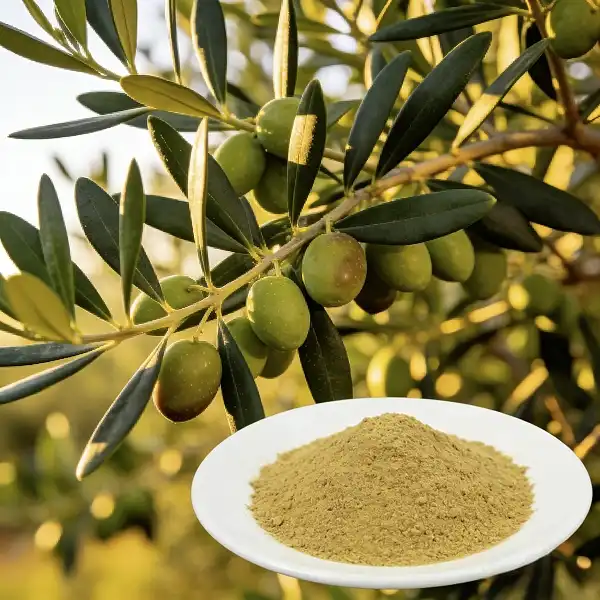
When comparing Olive Extract Powder to standard olive leaves, the fundamental distinction lies in concentration and bioavailability. Olive Extract Powder represents a concentrated botanical ingredient derived from Olea europaea L., containing standardized levels of polyphenols like oleuropein (10-80%), hydroxytyrosol (5-50%), and maslinic acid (5-30%). Standard olive leaves, while naturally beneficial, offer variable potency and require extensive processing for practical application. The extraction process transforms raw plant material into a fine yellowish-green powder with enhanced stability, solubility, and shelf life - making it ideal for nutraceutical formulations, dietary supplements, and cosmetic applications.
Understanding Olive Extract Processing Methods
The change from gathering new olives takes off into a concentrated, shelf-stable powder involves an arrangement of advanced extraction and handling strategies that drastically modify the physical and chemical characteristics of the last item. The travel starts with carefully chosen crude olive takes off, which actually contain dampness levels surpassing 60%, making them exceedingly perishable and completely unacceptable for direct use in commercial nutraceutical or food definitions without broad drying and refinement. The center of the change is the extraction handle, regularly utilizing solvent-based strategies such as water-ethanol extraction. This strategy is particularly chosen for its viability in specifically dissolving and protecting fragile, heat-sensitive polyphenols like oleuropein and hydroxytyrosol, whereas at the same time isolating and expelling undesirable bulk components such as insoluble cellulose, fiber, and chlorophyll. This fastidious division is what makes a filtered, standardized fixing with a steady and strong bioactive profile, fundamental for solid item efficacy.
Following extraction, the olive extract powderundergoes a basic drying stage, ordinarily through spray-drying or freeze-drying, which diminishes the dampness substance to underneath 5%. This exceptional lessening is imperative for anticipating microbial development, guaranteeing powder flowability, and extending the product's shelf life significantly, from months to a few years. To ensure this consistency and strength from clump to bunch, thorough quality control is executed. Progressed expository testing strategies, essentially utilizing Ultraviolet-Visible (UV) spectroscopy for starting screening and High-Performance Liquid Chromatography (HPLC) for exact, compound-specific evaluation, are utilized. These strategies give correct estimations of the concentration of key dynamic compounds, guaranteeing that each clump of the last concentrated powder meets rigid determinations for immaculateness, quality, and restorative esteem, in this manner conveying a dependable and successful fixing for end-use applications.
Three center preparation preferences emerge:
- Concentration increments bioactive thickness by 10-50 times
- Standardization guarantees steady strength levels
- Purification evacuates possibly harmful compounds
If you require solid power levels for commercial generation, then olive extract powder offers prevalent consistency compared to crude leaf material.
Concentration Levels and Bioactive Content Analysis
Laboratory investigation uncovers considerable contrasts in bioactive compound thickness between prepared extracts and standard preparations. New olive takes off regularly contain 0.5-3% oleuropein by dry weight, whereas concentrated extricates accomplish standardized levels coming to 80% purity.
HPLC investigation information demonstrates:
- Raw olive clears out: Oleuropein 0.5-3%, Hydroxytyrosol 0.1-0.5%
- Standardized extract: Oleuropein 10-80%, Hydroxytyrosol 5-50%
- Maslinic corrosive concentration: Imperceptible in crude takes off vs. 5-30% in extracts
- Oleanolic corrosive levels: Variable follows vs. standardized 60-98%
The concentration prepare disposes of regular varieties that influence crude fabric power. Collecting timing, climate conditions, and geological area makes critical differences in common leaf composition. Standardized extricates give reliable definition parameters, basic for commercial applications.
If you require unsurprising fixing execution for administrative compliance, then concentrated extractions dispose of the vulnerability related to crude botanical materials.
Manufacturing Applications and Formulation Benefits
Olive Extract Powder coordinates consistently into different manufacturing forms across numerous businesses. The fine molecule estimate guarantees uniform dispersion in tablet compression, whereas fabulous fluid solvency bolsters fluid detailing improvement. Standard olive takes off require broad crushing and frequently pose definition challenges due to fiber substance and poor disintegration characteristics.
Manufacturing points of interest include:
- Direct compression compatibility for tablet production
- Enhanced bioavailability through forward dissolution
- Reduced microbial stack through controlled processing
- Extended rack life supporting stock management
- Simplified administrative documentation with standardized specifications
Quality olive extract powder gets streamlined with concentrated extracts. Each bunch incorporates comprehensive certificates of investigation enumerating dynamic compound profiles, overwhelming metals testing, and microbiological parameters. Crude requires broad testing conventions and frequently fall flat to meet pharmaceutical-grade specifications.
Formulation adaptability extends to powder groups. Restorative applications benefit from the extract's antioxidant properties without the textural challenges of consolidating entire leaf fabric. Refreshment details accomplish clear arrangements incomprehensible with conventional leaf preparations.
If you require adaptable generation capabilities with reliable quality parameters, then olive extract powder gives fabricating preferences that crude materials cannot match.
Stability and Storage Considerations
Stability and Capacity Considerations
Environmental variables drastically affect the conservation of bioactive compounds in both crude and handled olive materials. Standard olive takes off, starting to degrade inside days of collection, losing polyphenol substance through enzymatic breakdown and oxidation. Appropriate capacity requires controlled temperature and stickiness conditions that are challenging for large-scale operations.
Processed olive extract powder illustrates prevalent stability profiles:
- Shelf life: 24-36 months vs. 6-12 months for dried leaves
- Temperature resilience: Steady up to 40°C vs. corruption over 25°C
- Moisture affectability: Steady underneath 5% mugginess vs. 3% for crude material
- Light security: Upgraded through normal antioxidant concentration
Packaging prerequisites vary significantly between groups. Crude takes off request specialized capacity holders with dampness boundaries and bug assurance. Extricate powders utilize standard pharmaceutical-grade bundling with streamlined dealing with procedures.
Transportation coordinations favor concentrated extractions through diminished volume and weight requirements. Shipping costs diminish significantly when comparing identical bioactive substances between designs. Cold chain necessities vanish with appropriately handled extricates, extending worldwide dispersion capabilities.
If you require cost-effective stock administration with negligible capacity complexity, then olive extract powder decreases operational overhead compared to crude botanical handling.
Cost Analysis and Economic Factors
Economic evaluation reveals complex relationships between initial investment and long-term operational costs. Raw olive leaves appear less expensive initially but require substantial processing infrastructure for commercial utilization. Hidden costs include grinding equipment, standardization procedures, and quality control testing.
Investment comparison considerations:
- Equipment requirements: Minimal for extracts vs. extensive for raw processing
- Labor costs: Reduced handling vs. intensive preparation
- Quality control: Streamlined testing vs. comprehensive analysis
- Waste management: Minimal residue vs. substantial organic waste
- Regulatory compliance: Simplified documentation vs. complex validation
Volume calculations demonstrate economic advantages of concentrated formats. Achieving equivalent bioactive delivery requires 10-50 times more raw leaf material compared to standardized extracts. Storage, handling, and transportation costs multiply accordingly.
Risk management becomes crucial when evaluating supply chain reliability. Raw material suppliers face seasonal availability challenges and quality fluctuations. Concentrated extract manufacturers provide a consistent supply with predictable pricing structures.
If you need budget predictability with reduced operational complexity, then olive extract powder offers superior economic advantages for commercial applications.
Regulatory Compliance and Documentation Standards
Pharmaceutical and nutraceutical industries require extensive documentation supporting ingredient safety and efficacy claims. Standard olive leaves often lack comprehensive analytical profiles necessary for regulatory submissions. Manufacturing facilities must invest in testing infrastructure or rely on third-party laboratories for compliance verification.
Regulatory advantages of processed extracts include:
- Standardized monograph compliance (USP/EP standards)
- Comprehensive certificates of analysis for each batch
- Validated analytical methods using UV/HPLC testing
- Good Manufacturing Practice (GMP) documentation
- International certification support (ISO9001, FSSC22000, KOSHER, HALAL)
Documentation burden reduces significantly with pre-qualified ingredients. Suppliers provide master files supporting regulatory submissions across multiple markets. Raw material processors must develop internal documentation systems requiring substantial regulatory expertise.
Traceability requirements favor integrated supply chains offering seed-to-shelf tracking. Quality botanical suppliers maintain relationships with certified growing facilities, ensuring consistent raw material specifications. This vertical integration eliminates supply chain uncertainties that affect regulatory compliance.If you need streamlined regulatory approval processes with comprehensive documentation support, then partnering with qualified extract manufacturers accelerates market entry timelines.
Conclusion
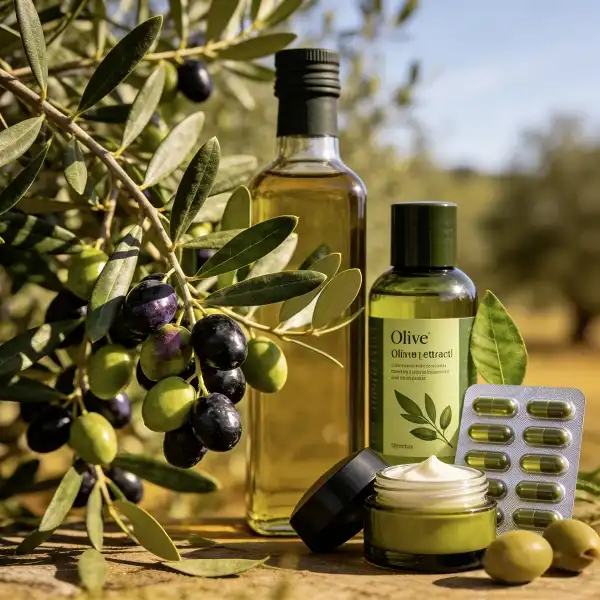
The comparison between olive extract powder and standard olive leaves reveals clear advantages for concentrated formats across manufacturing, regulatory, and economic parameters. Standardized bioactive content, enhanced stability profiles, and simplified processing requirements make extracts the preferred choice for commercial applications. While raw olive leaves maintain value for traditional preparations, modern nutraceutical development demands the consistency and reliability that only standardized extracts provide. Quality suppliers offering comprehensive technical support, flexible ordering options, and regulatory compliance documentation enable successful product development across diverse market segments.
KH's Premium Olive Extract Powder Solutions
KH delivers exceptional olive extract powder quality through comprehensive vertical integration spanning cultivation partnerships to final product delivery. Our advanced extraction facilities utilize pure water-ethanol processing, eliminating harmful solvents while preserving delicate polyphenol structures. With standardized specifications ranging from 10-80% oleuropein content and rigorous HPLC testing protocols, KH ensures consistent bioactive profiles across every batch. Ready stock availability enables prompt shipment within 3-5 business days, while flexible MOQ policies accommodate both sample evaluation and commercial-scale requirements. Contact our technical team at info@kingherbs.com to discuss your specific formulation needs and discover why leading olive extract powder manufacturers trust KH for reliable supply chain solutions.
References
1. Benavente-García, O., et al. "Antioxidant activity of phenolics extracted from Olea europaea L. leaves." Food Chemistry 68.4 (2000): 457-462.
2. Briante, R., et al. "Olea europaea L. leaf extract and derivatives: antioxidant properties and potential applications in food and pharmaceutical industries." Journal of Functional Foods 2.4 (2010): 292-299.
3. Ghanbari, R., et al. "Valuable nutrients and functional bioactives in different parts of olive (Olea europaea L.) - a review." International Journal of Molecular Sciences 13.3 (2012): 3291-3340.
4. Hashmi, M.A., et al. "Traditional uses, phytochemistry, and pharmacology of Olea europaea (olive)." Evidence-Based Complementary and Alternative Medicine 2015 (2015): 541591.
5. Pereira, A.P. et al. "Phenolic compounds and antimicrobial activity of olive (Olea europaea L. Cv. Cobrançosa) leaves." Molecules 12.5 (2007): 1153-1162.
6. Visioli, F., et al. "The role of phenolic compounds in the diet: current state of the art." European Journal of Lipid Science and Technology 107.4 (2005): 247-255.
Send Inquiry
Related Industry Knowledge
- Mulberry Leaf Extract Powder: Traditional Herb, Modern Science
- Vine Tea Extract Uses, Benefits & Results
- Valerian Root Extract Powder: Nature’s Solution for Insomnia
- Lespedeza Capitata Extract for Plant-Based Kidney Care
- Polygonum Cuspidatum Extract for Enhanced Cellular Defense
- White Paeony Extract Powder for Pharmaceutical & Cosmetic Uses
- Can Lespedeza Capitata Extract Promote Healthy Fluid Balance?
- Mango Leaf Extract Powder vs Other Botanical Extracts
- Lespedeza Capitata Extract: Targeted Botanical for Urinary Wellness
- Best China Macleaya Cordata Extract for Animal Nutrition Companies