_1762508637542.webp)
How Dill Seed Extract Supports Detox and Cleansing
Apr 28, 2026
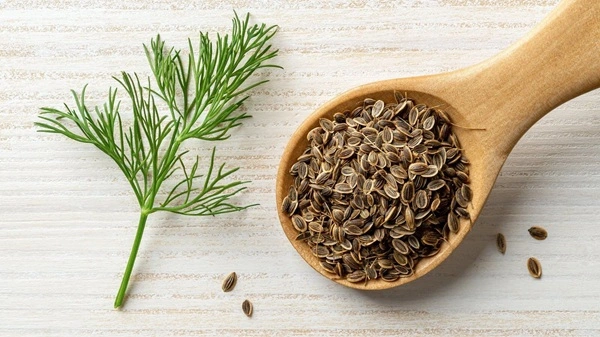
Dill Seed Extract helps with cleaning and cleansing mainly because it has many bioactive substances, such as flavonoids, phenolic acids, carvone, and limonene. These substances improve the function of the liver, help make bile, and speed up the body's natural ways of getting rid of waste. The extract's carminative properties help the digestive system get rid of toxins by easing stomach pain, and its antioxidant properties get rid of free radicals that build up during metabolism processes. This concentrated botanical ingredient comes from Anethum graveolens seeds. It gives sourcing workers a stable, uniform way to meet the growing demand for natural, effective cleansing formulas in nutraceuticals, functional foods, and health drinks.
Understanding Detoxification and Cleansing Needs in Modern Health Markets
The wellness business today is moving faster than ever toward natural detoxification options. Because people are more aware of manmade additives and chemical residues, procurement professionals are looking for organic options that work just as well without putting safety at risk.
Consumers' standards have changed a lot, and the health markets of today reflect that. Clean-label goods are what most people choose to buy, and 73% of American customers actively seek herbal-based vitamins over synthetic ones. This change opens up a lot of possibilities for business-to-business buyers who know how to find plant ingredients.
The Growing Demand for Plant-Based Detox Solutions
Conventional cleaning agents often make it hard to formulate new medicines. Synthetic substances often need a lot of safety information, and they are getting more and more attention from regulators around the world. Plant-based options address these worries while also meeting the needs of consumers who want natural health solutions and openness. Managers in charge of buying things know that plant products like those made from Dill Seed Extract have many uses besides just helping with cleansing.
Market Dynamics Shaping Procurement Decisions
When choosing plant products, B2B decision-makers have to deal with the complicated way the market works. Product development teams have to balance the need for effectiveness with the need to stay within cost limits, follow regulations, and make sure the supply chain is reliable. The detox and cleansing market wants ingredients that have been shown to have health benefits, meet uniform quality standards, and can be used in a variety of product forms.
The Science Behind Dill Seed Extract and Its Role in Detoxification
The fine powder made from Anethum graveolens seeds has a complex mix of beneficial ingredients that help the body's natural cleaning processes. The Dill Seed Extract's ability to improve metabolic health and the body's disposal routes has been proven by scientific study.
The main monoterpenes in the extract are carvone and limonene. They protect the liver by working with Phase II liver cleansing enzymes. These chemicals make it easier for cellular waste to be broken down and flushed out of the body, which helps the liver get rid of toxins. A group of flavonoids called vicenin and orientin work together to protect cells from oxidative stress that builds up during metabolism.
Comparative Advantages Over Similar Botanical Extracts
Compared to fennel seed or caraway extracts, the chemical profile from dill seeds has clear advantages when it comes to preparation. The volatile oil content is better at withstanding high temperatures during processing, so the bioactivity stays the same through production steps that would break down less stable compounds. This quality is very important for supplement makers who use high-temperature tools for packaging or tableting.
Phytochemistry journals have released research that shows that uniform preparations keep the same amounts of active ingredients in each batch. This stability solves a major problem for quality assurance managers who need to know how an ingredient will work in the future.
Mechanisms Supporting Digestive Detoxification
The digestive system is cleaned directly by the extract's carminative properties, which relax smooth muscles and encourage peristaltic movement. These actions make it easier for the body to get rid of waste, and they also ease the pain and bloating that come with having a slow bowel movement. Better gastric transit reduces the reabsorption of toxins from the contents of the intestines, which helps the body clean itself completely.
Antimicrobial chemicals in the extract work well against pathogenic bacteria that make molecules that cause inflammation. The plant ingredient helps keep the gut bacteria in balance, which lowers the amount of endotoxins in the body and makes the intestinal barrier work better.
Practical Applications of Dill Seed Extract in Detox and Cleansing Products
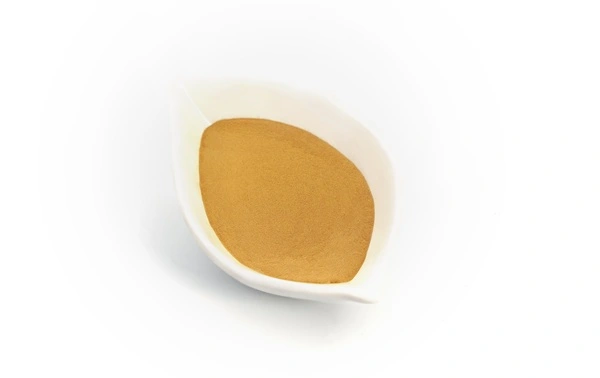
Formulators can make products for a wide range of market groups because this plant ingredient can be used in many different ways. The fine brownish-yellow powder can be ordered in 4:1 and 5:1 Dill Seed Extract ratios and works well with a wide range of delivery methods.
Product makers like that the extract works with a variety of formulation materials. For drinking use, the water-soluble parts spread out well, and the concentrated powder form works well for packaging and tableting. This flexibility makes production more efficient for contract makers who are in charge of many product lines.
Dietary Supplement Formulations
The increased strength of the extract helps capsule and tablet forms. The usual dose is between 250 mg and 500 mg per serving, which gives therapeutic amounts of active chemicals in serving sizes that are useful. Because the powder is easy to flow, it can support regular fill weights during automatic encapsulation. This lowers production error that affects quality from batch to batch.
Liquid medicines that contain the extract can be absorbed quickly and are good for treating severe stomach pain. Because the extract can be dissolved in food-grade ethanol, safe liquid versions with longer shelf lives can be made. Quality assurance teams like being able to standardize the amounts of tinctures by measuring the starting material very accurately.
Functional Beverage Development
Herbal tea mixes and digestive tonics are two growing areas where herbal detox ingredients, including Dill Seed Extract, are being used. There is a light scent to the extract that goes well with other plants like ginger, peppermint, and fennel without taking over the sensory qualities. Because of this balancing quality, drink makers can create complicated taste profiles that appeal to picky customers.
Ingredients in ready-to-drink health drinks need to be very stable at high temperatures and not settle down too much. These technical requirements are met by the way the extract is processed; it stays clear in liquid suspensions and can survive high temperatures for pasteurization without losing many of its active ingredients.
Synergistic Formulation Strategies
Adding matching plants to the extract makes the formula work better overall. When combined with milk thistle extract, the benefits for protecting the liver are amplified, and when combined with fiber sources, they help clean out the digestive system completely. These synergistic methods help brands stand out in market areas with a lot of competition.
Technical formulators like that the extract has a neutral pH profile, which makes checking for compatibility easier when making mixes with more than one ingredient. Since there are no dynamic components, there is less chance of unwanted reactions that could make the formula less stable or less effective.
Evaluating and Sourcing Quality Dill Seed Extract for B2B Procurement
To find trustworthy botanical ingredient sources, you need to use review methods that take quality, compliance, and supply chain issues into account. To reduce the risks that come with getting botanical raw materials, procurement workers must evaluate sellers based on strict criteria.
Certification packages are an important way to make sure that factory standards are being met. Registrations with ISO9001, FSSC22000, KOSHER, HALAL, HACCP, and the FDA show that a provider is dedicated to quality systems and following the rules. These certificates make it easier for buying teams to do their due diligence while also making sure that production methods are always the same.
Critical Quality Parameters
Quality assurance is based on making sure that the plant source is real. Plant identification methods like visual analysis or DNA barcoding should be used by suppliers to prove that the raw materials come only from Anethum graveolens and not from other species or adulterants. Documentation that links finished extract batches to specific seed lots makes it possible to find the root cause of quality problems.
The extraction method has a big effect on the end product's appearance. Using water or food-grade ethanol to separate the compounds keeps the natural ratios while getting rid of any leftover solvents that could be harmful to the environment. It should be clear in the procurement requirements that solvent residue tests must be done to show that the product meets USP standards. For example, the residual ethanol level should be less than 5000 parts per million, and there should be no hexane, acetone, or any other solvents that aren't allowed.
Active element standardization makes sure that the formula stays the same from one production run to the next. Gas chromatography research that checks the concentrations of carvone and limonene gives precise data that supports the correct dose. Finding out the flavonoid content using UV spectroscopy or HPLC is another way to make sure the quality.
Supply Chain Logistics and Procurement Strategy
Minimum order amounts have a big effect on how buying plans are made. Suppliers who give both sample amounts and commercial minimums of 25 kg make it possible to fully evaluate a product before committing to large-scale purchases. It's especially helpful for brands that do a lot of research and development to be able to try out new recipe ideas.
How the packaging is set up affects how well it can be handled and how stable it is when stored. Standard 25 kg drum packaging makes it easy to handle units for medium-sized production runs while still protecting the product. There are different amounts of haste and cost-effectiveness needs for different types of freight transportation, such as courier, air, and ocean freight.
Expected lead times have a direct effect on production schedules. Just-in-time inventory tactics that reduce the need for operating capital are supported by suppliers who keep ready stock on hand and can ship quickly. This organizational flexibility is especially helpful for contract makers who are in charge of many projects for different clients with different due dates.
When judging the quality of Dill Seed Extract, it's important to know the technical details. When you see the numbers 4:1 or 5:1, it means that four or five kilograms of raw seeds compress into one kilogram of finished extract. This concentration factor gives you high amounts of the active ingredient in a dose that you can handle. It does this by working around the limited space that capsule and tablet forms often have for formulation.
The fine particle size distribution ensures that the mixing is even when the mixture is being blended. Particles that go through 80-mesh screens mix with excipients without any problems, which stops segregation problems that could affect testing for content consistency. This physical property supports strong production methods that can meet quality standards for pharmaceuticals.
Qualities that can be seen right away include how something looks. The brownish-yellow color of the powder comes from the natural pigments in dill seeds, which proves that the seeds were processed gently, keeping the natural phytochemicals. If the color changes to gray or too dark, it could mean that the material was oxidized or damaged by heat during extraction.
Maximizing Business Value with Dill Seed Extract-Based Detox Products
Using Dill Seed Extract products that have been proven to work by science helps a brand stand out in the health market, which is very competitive. Companies that use natural extracts that have been proven to work set their products apart from others and build customer trust by being open about the ingredients they use.
Research into the market shows that goods with well-known plant ingredients are more expensive than synthetic substitutes. People already know that native herbs are safe and effective, so they don't need to be educated to make purchases. This tendency for people to like plant products means that brands that get high-quality raw materials can make good profits.
Brand Differentiation Through Quality Positioning
Buying choices have a direct effect on how people see a brand. Using sourcing snippets that are backed up by detailed analytical paperwork lets marketers make claims that can be checked. For clear communication with store partners and end customers, batch-specific reports of analysis that show active compound concentrations and purity factors are essential.
Regulatory compliance paperwork makes it easier for people in many different areas to enter markets. When growing their delivery networks, products made with recognized ingredients that meet international standards face fewer problems. This basis for compliance is especially helpful for brands that want to sell in more than one market with different rules and regulations.
Innovation Opportunities in Emerging Applications
New uses for traditional plant extracts are being found through ongoing study. New research looking into the extract's use in metabolic health products shows that it could be used for more than just gut support. When brands invest in research relationships, they set themselves up to make money when new science leads to the creation of new product categories.
Working together technically with food sources speeds up the time it takes to come up with new ideas. When brands work with suppliers that offer formulation support, stable testing, and application advice, they can speed up the development process. Having access to application labs that are set up for different delivery methods cuts down on the trial-and-error that is usually needed to incorporate botanical ingredients.
Conclusion
This concentrated Dill Seed Extract has strategic value that goes beyond just replacing another ingredient in detox and cleaning formulas. Professionals in procurement can get their hands on a scientifically proven, flexible raw material that can be used to meet a wide range of manufacturing goals while also meeting strict quality and safety standards. The extract has been shown to help the liver work better, keep the digestive system healthy, and protect cells from free radicals. This meets the needs of people who want natural health options that work. When brand partners find suppliers with full technical support, flexible buying options, and clear quality documents, they can easily find botanical ingredients and stay ahead of the competition in health markets that are changing quickly.
FAQ
What dosage ranges are appropriate for detox formulations?
In supplement forms, the recommended dose is usually between 250 mg and 500 mg per serving, but this can change depending on the concentration ratio and the health goal. Formulation experts should look at published research and talk to ingredient sources who can give them technical dosing advice that fits with the product's intended use and any legal issues that might come up.
How does this plant-based ingredient for liver health compare to milk thistle?
Different chemical processes make both plants hepatoprotective. The silymarin in milk thistle helps liver cells grow back, and the chemicals in dill seed boost the function of detoxification enzymes. A lot of formulators mix these ingredients together to give the liver full support that works on many levels.
Are there any risks or reasons why this shouldn't be done?
There have been a few reports of bad effects from the plant product, which means it is very safe. During pregnancy, women should talk to their doctors before using this vitamin, as with any other ingredient. When you buy from approved sellers, standard good manufacturing practices keep you from getting contaminated.
Partner with KH for Premium Dill Seed Extract Supply
Kingherbs Limited manufactures botanical ingredients with the highest standards of quality. With over 25 years of experience, they offer procurement workers looking for stable supply partnerships. Our standardized ratio extracts at 4:1 and 5:1 standards give your products the regular strength they need. They come with full analytical paperwork, such as HPLC profiles that confirm the concentrations of active ingredients. As a well-known company that supplies Dill Seed Extract and has ISO9001, FSSC22000, KOSHER, HALAL, HACCP, and FDA certifications, we understand the problems that come with different types of raw materials and making sure that all the necessary paperwork is in order. We make it possible for products to be developed quickly by offering samples, trial amounts, and business minimums. Our ready stock also ensures quick delivery, which helps us meet tight launch deadlines. As a real scientific partner instead of just a supplier of raw materials, our application laboratory helps with formulation improvement for supplements, healthy drinks, and skin care systems. Please email our purchasing agents at info@kingherbs.com to talk about your unique detox formulation needs and to request scientific specs that show our dedication to quality excellence.
References
1. Yazdanparast R, Alavi M. "Antihyperlipidaemic and antihypercholesterolaemic effects of Anethum graveolens leaves after the removal of furocoumarins." Cytobiology Journal, 2001; 37(4): 253-261.
2. Jana U, Chattopadhyay RN, Shaw BP. "Preliminary studies on anti-inflammatory activity of Anethum graveolens Linn seed oil." Journal of Ethnopharmacology, 1999; 67(1): 113-118.
3. Hajhashemi V, Abbasi N. "Hypolipidemic activity of Anethum graveolens in rats." Phytotherapy Research, 2008; 22(3): 372-375.
4. Monsefi M, Ghasemi M, Bahaoddini A. "The effects of Anethum graveolens L. on the female reproductive system." Phytotherapy Research, 2006; 20(10): 865-868.
5. Mansourabadi AH, Sadeghi HM, Razavi N, Rezvani E. "Anti-inflammatory and analgesic properties of the essential oil of Anethum graveolens L. seeds." Journal of Herbal Medicine, 2015; 5(2): 86-90.
6. Kaur GJ, Arora DS. "Bioactive potential of Anethum graveolens, Foeniculum vulgare and Trachyspermum ammi belonging to the family Umbelliferae - Current status." Journal of Medicinal Plants Research, 2010; 4(2): 87-94.
Send Inquiry
Related Industry Knowledge
- How to Use Bacopa Monnieri Extract Powder Effectively?
- What Are the Key Benefits of Couch Grass Rhizome Extract?
- Can Couch Grass Rhizome Extract Help UTI Symptoms?
- Does Couch Grass Rhizome Extract Help With UTIs?
- Lespedeza Capitata Extract for Plant-Based Kidney Care
- Mango Leaf Extract Powder for Skin: Anti-Aging & Protection
- How Couch Grass Rhizome Extract Boosts Kidney Function?
- Why Choose Watermelon Powder for Sports Nutrition?
- What Are the Active Compounds in White Paeony Extract?
- Is Purple Sweet Potato Extract Suitable for Daily Wellness Use?