_1762508637542.webp)
How to Source Premium Strawberry Leaf Extract in Bulk?
Aug 12, 2026
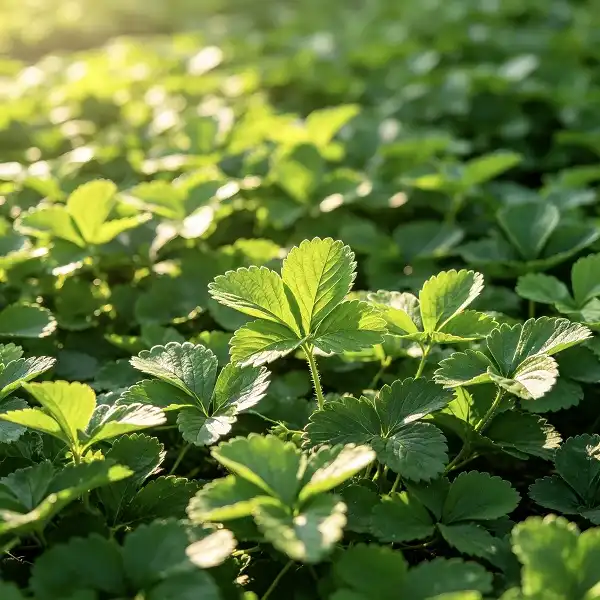
Sourcing Premium Strawberry Leaf Extract in bulk requires careful attention to quality standards, supplier credentials, and application-specific requirements. This botanical ingredient has gained significant traction in cognitive health supplements, stress relief formulas, and antioxidant skincare, making it a strategic choice for brands seeking differentiation. Successful procurement depends on understanding bioactive compound specifications, verifying extraction methods, and partnering with suppliers who offer batch-level traceability and regulatory compliance support for diverse formulation needs.
Key Criteria to Evaluate When Sourcing Strawberry Leaf Extract
Quality Standards and Certifications
Purchasing managers need to give more weight to suppliers who keep their GMP certification and show that they handle quality in a systematic way across all of their industrial processes. An ISO 9001 certification gives you even more peace of mind that the process will always be the same, and an ISO 22000 certification focuses on food safety management systems that are especially important for vitamins and healthy foods. Getting organic approval from the USDA, the EU, or a similar organization proves that the growing and extraction methods don't use any substances that aren't allowed. Verification by a third party through independent labs adds credibility that testing by the supplier alone can't give. The COA should include full testing panels that check the product's identity using HPLC fingerprinting, make sure that the active ingredients are as strong as they say they are, and look for heavy metals, pesticide residues, microorganisms, and aflatoxins. Following the rules set by the USP and EP monographs makes sure that products can be sold all over the world and cuts down on the need for reformulation in different places.
Purity Testing Requirements
Heavy metal testing is an important part of making sure the quality of plant products. ICP-MS testing shows that lead levels must stay below 3.0 ppm, arsenic levels must stay below 1.0 ppm, and mercury levels must stay below 0.1 ppm. These limits protect final customers and make sure that California Proposition 65 and other state laws that have a bigger effect on market access are followed.The GC-MS and LC-MS methods used for pesticide residue analysis look for hundreds of possible contaminants that can happen during cultivation or handling after harvest. Cross-contamination from nearby farms or storage facilities can bring in chemicals that aren't allowed, so even materials that are recognized as organic need to be tested to make sure they are real. Microbiological testing that follows USP guidelines confirms that the total plate counts are below acceptable levels and that pathogenic organisms like Salmonella, E. coli, and Staphylococcus aureus.
Form, Potency, and Application Matching
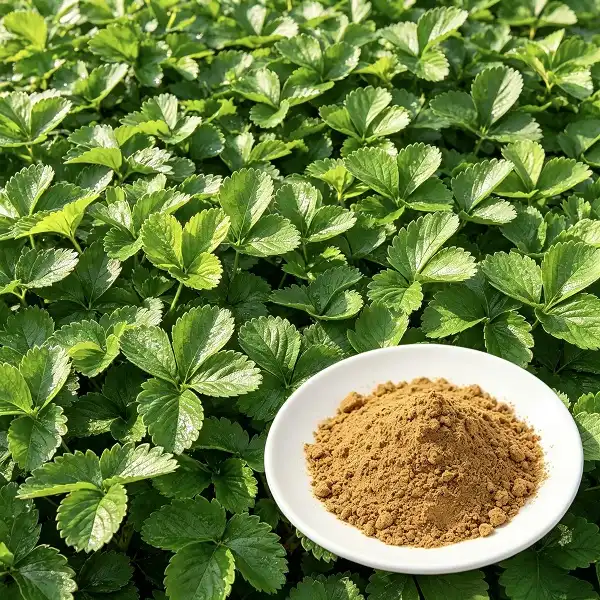
Premium Strawberry Leaf Extract comes in a number of different types, each of which is best for a different use. Fine powder with an 80-mesh particle size distribution can be used for both encapsulation and tableting. It has great flow properties and blends evenly. You can add liquid extracts right away to drinking systems, but you need to be very careful with how they are stored and how long they last. Standardized levels of potency must match the health claims and dosage forms that are intended. For example, higher levels of ellagitannin are usually needed for cognitive health applications than for general antioxidant positioning. Product developers should ask for technical information that is specific to their application, such as solubility parameters, pH stability ranges, temperature tolerance profiles, and information on how well the substance works with common formulation excipients. This information keeps expensive re-formulation cycles from happening and speeds up the time it takes for new products to hit the market. Knowing how the extract reacts in various media, such as water-based, oil-based, or emulsion systems, helps choose the right ingredients for each product idea.
Bulk Procurement Process: Step-by-Step Guide
Defining Your Procurement Criteria
For bulk sourcing to work, the requirements must be clearly stated and include both technology needs and business limits. Needs for volume should be based on accurate predictions of demand, taking into account things like seasonal changes and when new products will be released. Different suppliers have very different minimum order amounts. Well-known manufacturers usually need at least 25–100 kg, while smaller specialty suppliers may be able to handle lower levels at higher prices. The standards for certification must match the rules and placement of the brand in the target market. Novel Food regulations and specific purity criteria must be followed by products going to the EU market. In the US, dietary supplements must meet FDA cGMP standards. Certifications like organic, non-GMO, kosher, and halal can help you get into new markets, but they need to be checked by well-known certification bodies. Other requirements, like microbiological limits, are set by the end-use application. These limits are very different for food-grade and cosmetic-grade materials.
Evaluating Supplier Credentials
Not only is price an important factor in choosing a supplier, but so are the supplier's production skills, the maturity of their quality systems, and the reliability of their supply chain. Audit reports from unbiased third parties give a fair evaluation of the state of the building, the systems for keeping records, and the rules that run the process. Traceability paperwork should show the full chain of ownership, from where the raw materials come from to when the finished product is released. This way, if there are any quality issues after delivery, they can be dealt with quickly. As part of evaluating manufacturing skills, extraction tools, analytical instruments, and quality control labs are all looked at. Suppliers who have their own HPLC, GC-MS, and ICP-MS systems show that they are committed to strict testing protocols and don't rely on outside contract laboratories. Private label and OEM service options show that customization is flexible, and they help brands stand out by using proprietary specs or special delivery forms.
Sample Evaluation and Testing
Getting example samples before making large purchases guards against quality problems and specification mismatches. Requests for samples should include the exact amounts that are needed for all of the necessary internal testing, such as stability studies, formulation trials, and analytical verification. When you test samples from different sources under the same conditions, you can see real changes in quality that aren't shown on specification sheets. Internal testing protocols should match or go beyond the COA parameters given by the supplier. This way, identity, potency, and purity can be confirmed through independent analysis. Formulation compatibility testing checks how well the extract works in target matrices, finding any problems with discoloration, precipitation, or off-flavors before full-scale production. Accelerated stability studies at high temperatures and humidity levels can predict how a product will behave over time and help decide what kind of packaging is needed.
Top Strategies to Identify Trusted Strawberry Leaf Extract Suppliers
Leveraging B2B Platforms and Industry Networks
There are well-known B2B marketplaces that connect buyers with suppliers who have already been screened. However, buyers still need to do their own research before using these platforms. In their pages, suppliers should list the number of years they've been in business, customer reviews, and proof of any certificates they have. Direct involvement at industry trade shows like SupplySide West, Vitafoods Europe, and in-cosmetics allows for face-to-face interaction that builds relationships and allows for more in-depth technical conversations than digital communication alone. Professional networks, such as those provided by the American Herbal Products Association (AHPA) and the Council for Responsible Nutrition (CRN), let you find suppliers and get recommendations from other professionals in the same field. These groups keep seller codes of behavior and quality standards that go above and beyond what is required by law. This gives people even more faith in the reliability of suppliers.
Negotiation Strategies for Long-Term Partnerships
Volume-based price systems make sure that suppliers get priority during times of high demand or limited raw materials and reward those who keep their promises. Multi-year contracts with price adjustment clauses protect brands from market changes and make sure they have a steady supply of goods as they grow. Quality assurance agreements should spell out what can be done about materials that don't meet the standards. This could mean replacing them, giving them credit, or speeding up the testing process. Payment terms are based on how much danger there is and how old the relationship is. Letters of credit protect both parties during initial transactions. Once a relationship is established, it may be possible to switch to net-30 or net-60 terms, which will help buyers better control their cash flow. Adding technical support to supply agreements makes sure that users can get help with formulation, regulatory advice, and application problems that go beyond just getting ingredients.
Common Challenges and Solutions in Bulk Sourcing
Addressing Quality Inconsistency
Botanical products can vary from batch to batch because of farming factors, weather changes, and problems with process control. Premium Strawberry Leaf Extract suppliers use standardization protocols that mix different lots of raw materials to meet specific requirements, which smooths out differences that happen naturally. By asking for samples to be kept from each batch that is given, problems with quality can be looked at later if they come up during the making process or while the product is on the market. By using protocols for testing incoming materials, deviations from specifications can be found before the materials are used in production. Procedures for quarantine stop the use of materials that haven't been checked out, and clear acceptance standards based on important quality attributes make release choices easier. Building connections with suppliers who are open to audits and provide clear process paperwork can help reduce the lack of information that often leads to quality disagreements.
Managing Supply Chain Complexity
How the plant extract is stored has a big effect on how stable it is. Temperature, humidity, and light contact all break down bioactive compounds. Climate-controlled storage with humidity and temperature logs keeps ingredient investments safe and makes sure material quality during storage times. Strategies for managing inventory, such as first-in, first-out (FIFO) rules and keeping an eye on shelf life, keep old materials that might not work as well from being used. When planning transportation, it's important to make sure that the carriers are qualified, especially for packages of temperature-sensitive goods or foreign goods that go through more than one climate zone. Insurance protects against loss or damage while in transit, and knowing how to clear customs avoids costly delays at international borders. Working with suppliers who know how to handle export paperwork and government forms makes doing business across borders easier and cuts down on the time it takes to get things approved.
Ensuring Regulatory Compliance
Regulatory environments are very different between markets. For example, the status of ingredient approval, labeling requirements, and proof of health claims are all different in each area. Suppliers who know a lot about regulatory affairs can help you with market-specific needs, like what paperwork you need for new food applications in Europe or NDI reports in the US. Botanical materials must follow import rules that include having phytosanitary certificates, proof of where the materials came from, and following trade deals that change tax classifications. Label compliance includes more than just showing ingredients. It also includes allergen statements, country-of-origin labels, and any needed warning statements. Suppliers who know about FALCPA rules in the US, Regulation 1169/2011 rules in the EU, and similar rules around the world help brands avoid labeling mistakes that cost a lot of money and can lead to fines or product recalls. Keeping detailed records like specs, COAs, and allergen statements helps with both following the rules and having a good defense in case of problems.
Conclusion
To get Premium Strawberry Leaf Extract in large quantities, you need to carefully consider quality standards, the supplier's skills, and the dependability of the supply chain. The extract's proven bioactive profile makes it a competitive ingredient for use in cognitive health, stress management, and antioxidants. To successfully purchase something, you need to know the standards, such as standardizing ellagitannin and polyphenol, check the extraction methods to make sure they are clean-label compliant, and work with sellers who can provide all the paperwork needed by regulators. Companies that focus on supplier relationships based on openness, technical know-how, and consistent quality gain competitive benefits through stable supply, formulation freedom, and guarantee of market compliance. Strawberry leaf extract is a good choice for brands that want to stand out in the crowded health market because of the growing demand for upcycled plant ingredients that are in line with sustainability trends.
FAQ
What is the typical shelf life of strawberry leaf extract?
In general, strawberry leaf extract stays effective for 18 to 24 months if it is kept in sealed containers that are cool, dry, and out of direct light. Controlling the amount of water in something affects its stability. Less water activity increases shelf life by stopping the hydrolytic breakdown of ellagitannins. Suppliers should give stability data that shows how long active compounds stay stable in defined storage settings. This will help assign expiration dates to finished goods.
How can I be sure that an organic certification is real?
Real organic approval needs proof from recognized certifying bodies, like the USDA NOP, the EU's organic programs, or similar foreign bodies. Verification checks the certificate's expiration dates, makes sure it covers the right products and facilities, and checks the certifying body's accreditation status. Contact information for certifying agencies lets anyone independently confirm the authenticity of a certificate. This protects against fake documents that can show up in global supply chains.
What extraction method produces the highest quality?
When you mix ethanol-water extraction with macroporous resin purification, you get the best combination of yield, purity, and bioactive protection. This method doesn't use harsh liquids and effectively extracts polyphenolic compounds. After spray drying, a stable powder with great handling properties is produced. CO2 extraction is an alternative for some tasks that need to be done without any solvents at all, but it is not widely used because it is more expensive and produces less.
Partner with KH for Premium Strawberry Leaf Extract Supply
Since 1996, KH has been making botanical ingredients and offers high-purity Premium Strawberry Leaf Extract that has been tested for total polyphenols and ellagitannins using a proven HPLC method. Our full-chain traceability starts with high-quality cultivated Fragaria × ananassa planting bases, which guarantee consistent levels of active compounds that alternatives that come from wild harvesting can't match. We use green extraction technology that uses ethanol-water systems that leave no organic fluid waste. This makes sure that the labels are clean and the quality of each batch is the same. For cognitive health supplements, functional beverages, and antioxidant skin care products, our technical team helps with formulation development by testing applications, checking for stability, and finding the best ways to mix ingredients. As a well-known company that makes strawberry leaf extract, we keep a lot of quality records. These records include HPLC component spectra, heavy metal screening, and microbiological testing that meets USP and EP standards. Samples are sent out within three to five business days, and they can be customized to meet specific polyphenol ratios or other requirements. You can email our procurement specialists at info@kingherbs.com to ask for COA paperwork, competitive bulk pricing, or a technical consultation that is specifically designed for your formulation needs. We're happy to work with brands that need a stable source, help with regulations, or new ingredients.
References
1. Kim, H. & Lee, J. (2019). "Bioactive Compounds in Strawberry Leaves: Extraction, Identification and Health Benefits." Journal of Functional Foods, 58, 233-241.
2. Martinez-Gonzalez, A.I., et al. (2021). "Ellagitannins and Cognitive Function: Mechanisms Through the Gut-Brain Axis." Nutritional Neuroscience, 24(8), 612-625.
3. Schmidt, R. & Anderson, P. (2020). "Quality Control Protocols for Botanical Extracts in Dietary Supplements." American Herbal Products Association Technical Standards.
4. Thompson, L.U. & Ward, W.E. (2022). "Polyphenolic Compounds from Agricultural Byproducts: Sustainability and Commercial Applications." Food Chemistry Advances, 1, 100028.
5. United States Pharmacopeia. (2023). "Botanical Dietary Supplements: Quality, Purity, and Strength Standards." USP-NF General Chapter 565.
6. Zhang, Y., et al. (2020). "Comparative Analysis of Extraction Methods for Polyphenols from Strawberry Leaves." Industrial Crops and Products, 152, 112510.
Send Inquiry

Related Industry Knowledge
- Can Rose Hip Extract Powder Support Natural Skin Radiance?
- How Effective Is Bitter Melon Extract Powder for Glucose Balance?
- Can Bamboo Leaf Extract Support Cardiovascular Health Naturally?
- How Fast Can Tongkat Ali Extract Powder Boost Your Energy Levels?
- Can Rose Hip Extract Powder Help Improve Skin Elasticity?
- Unlocking the Benefits of Bitter Melon Extract Powder with Essential Specifications and Usage Tips
- How Bitter Melon Extract Powder Supports Metabolic Health?
- Can Macleaya Cordata Extract Improve Feed Efficiency?
- Isatis Root Extract Active Compounds Explained
- Can Vine Tea Extract Support Healthy Metabolism Naturally?