_1762508637542.webp)
Can Rose Hip Extract Powder Support Natural Skin Radiance?
Jun 30, 2026
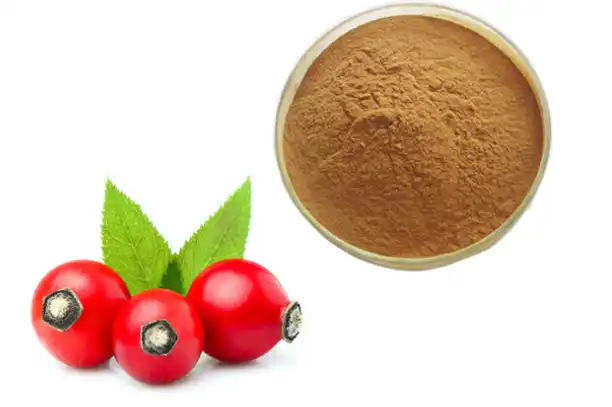
Rose Hip Extract Powder is a concentrated plant ingredient that is high in vitamin C, polyphenols, and bioflavonoids. It has become a popular natural way to make skin look brighter, and research backs it up. This fine yellowish-brown powder comes from Rosa rugosa fruit that was picked when it was at its ripest. It helps the skin in measured ways by protecting it from free radicals, supporting collagen production, and regenerating cells. Standardised rose hip extracts greatly improve skin hydration, lessen uneven pigmentation, and improve dermal barrier function. This makes them an essential ingredient for cosmetic and nutraceutical product development aimed at the growing "clean beauty" market.

Understanding Rose Hip Extract Powder and Its Benefits for Skin Radiance
The global skincare industry increasingly demands ingredients that combine efficacy with clean-label appeal. Rose hip extracts meet this requirement through their complex phytochemical profile that addresses multiple skin health pathways simultaneously.
Botanical Origins and Extraction Excellence
Rose hip extract comes from the fruit of Rosa rugosa Thunb, a hardy plant that is grown for its high nutritional value. Generic rose hip powder is just ground-up dried fruit, but high-quality products go through controlled processing that focuses the beneficial chemicals. The way the vitamins are extracted keeps the natural vitamin C complex, bioflavonoids, and galactolipids intact. This makes a powder that is better for your body than manufactured vitamins that are separated. The process leads to standard specs for ratio extracts (4:1, 10:1) and amounts of 5% to 75% vitamin C and 5% to 25% polyphenols, which can be checked using HPLC, UV, and titration.
Our extraction method only uses pure water or drinkable ethanol, so there are no dangerous liquid leftovers left over that could affect the safety of the product or the company's ability to follow the rules. With this natural selection method, the rose hips will dissolve quickly in a variety of formulations while still having the tangy flavour and bright colour that are typical of fresh rose hips. In the end, they made a powder that can last up to 24 months if stored properly and gives formulators a lot of freedom to use it in a wide range of situations.
Core Bioactive Components for Skin Health
Rose hip ingredients make your skin look brighter because they contain phytochemicals that work well together. Vitamin C is the main active ingredient; it works as both an antioxidant and an important cofactor in the formation of collagen. Dermatological journals have released research that shows that both topical and oral vitamin C supplements boost fibroblast activity. This makes the skin more pliable and reduces the depth of wrinkles. The naturally complexed vitamin C in rose hip products is better absorbed than manufactured ascorbic acid. This is because bioflavonoids are present and help the body absorb the vitamin C and give it to cells.
Rose hip products contain polyphenolic substances that strongly remove free radicals, as shown by ORAC (Oxygen Radical Absorbance Capacity) values that are much higher than those of many common antioxidant ingredients. These antioxidants stop melanogenesis pathways from working, which makes the skin lighter without the safety issues that come with hydroquinone or other chemical lighteners. Some of the extract's galactolipids have anti-inflammatory qualities that help the skin's barrier heal after being damaged by external factors.
Evidence-Based Efficacy for B2B Decision Making
When purchasing managers and R&D leaders look atRose Hip Extract Powder, they need data that backs up claims of effectiveness. Clinical studies that tested standardised rose hip extracts show that they should be used in skin health products. Following 8 weeks of daily use, a double-blind, placebo-controlled study with 94 subjects showed that rose hip powder greatly improved skin suppleness and decreased the depth of crow's feet wrinkles.
Another study in the peer-reviewed dermatology literature looked at how rose hip extract could be applied topically to skin that has been damaged by the sun. When compared to control groups, people who were given rose hip mixtures had statistically significant changes in the evenness of their skin colour and the density of their skin. The results of the instrumental study showed that the papillary dermis had more collagen, which supports the idea that vitamin C helps make collagen.
How to Use Rose Hip Extract Powder for Optimal Skin Results
Maximising the skin radiance benefits of rose hip extracts requires strategic formulation decisions that balance bioavailability, stability, and consumer appeal across diverse product formats.
Dosage Considerations for Different Product Categories
Rose hip extract doses work differently when taken by mouth compared to when applied to the skin, so it's important to think about the delivery method and how stable the active ingredient is. Oral supplements usually have 500 mg to 2 000 mg of a standardised extract every day. This gives the body therapeutic amounts of vitamin C and polyphenols, which help make collagen and protect it from free radicals. When making pills or tablets, our rose hip extract works great as a filler, so you don't need to use as many fillers, which could lower the percentage of the active ingredient.
Topical makeup formulations can benefit from absorption rates of 2 to 10 per cent, based on how the product is positioned and what active ingredients are used with it. Higher amounts are used in serums that claim to have intense anti-ageing and skin-brightening effects, while moisturisers and washes use moderate levels to back up their claims. Because our extract is water-soluble, it can be easily added to both oil-in-water and water-in-oil emulsion systems without the need for special methods for dissolving. To keep vitamin C stable and make sure the formula is safe for people with sensitive skin, formulators should think about optimising the pH and keeping recipes between 3.5 and 6.5.
Safety Profile and Regulatory Compliance
Several thousand years of traditional use and recent toxicity studies back up the fact that rose hip extract is very safe. The ingredient is generally recognised as safe (GRAS) for use in food and meets the safety standards set by international regulatory groups for cosmetics. Allergen testing shows that the extract doesn't contain any common sensitisers. This means that it can be used in recipes for sensitive skin and in hypoallergenic product positioning.
Documentation at the batch level includes full records of analysis that describe tests for chemical residues, heavy metals, and microbiological accuracy. Our factory keeps up with ISO9001, FSSC22000, KOSHER, HALAL, HACCP, and FDA standards. This makes sure that the whole supply chain can be tracked, from growing the plants to packing them. This qualification package meets the legal needs of procurement managers who work in places with a lot of rules, like the US, the EU, and the Asia-Pacific area.
Synergistic Ingredient Combinations
Strategically pairing ingredients makes the skin-whitening effects of rose hip extract even better while also giving the product a chance to stand out. When you mix rose hip extract with vitamin C sources that work well together, like magnesium ascorbyl phosphate or sodium ascorbyl phosphate, you get two-in-one products that protect you from free radicals right away and over time. The bioflavonoids that are naturally found in rose hip extract make the added vitamin C derivatives more stable and help cells take them up. This creates a recipe synergy that is greater than the sum of its parts.
Botanical oil mixtures work especially well in high-end skin care products. Putting rose hip extract and rosehip seed oil together makes complete goods that give both water-soluble vitamin C and lipid-soluble carotenoids, which fight multiple signs of skin ageing at the same time. Adding hyaluronic acid or ceramides to rose hip extract recipes makes them more hydrating. This makes it possible to make products that address all aspects of skin shine, from the amount of wetness to the evenness of colour.
Comparing Rose Hip Extract Powder with Other Natural Skin Radiance Solutions
Informed ingredient selection requires objective comparison of rose hip extract against alternative natural actives, evaluating performance, stability, cost-effectiveness, and market positioning factors.
Rose Hip Extract Versus Rose Hip Oil
Even though bothRose Hip Extract Powderand rose hip oil come from the same plant, they are used in different ways and have different active chemical profiles. Rose hip seed oil, which is made by cold pressing the seeds, contains vitamin E, fat-soluble pigments, and important fatty acids (linoleic and linolenic acid). These ingredients mainly work as emollients and lipid barrier boosters, which help with dry skin and makes the feel better.
Rose hip extract contains a water-soluble vitamin C complex, polyphenols, and bioflavonoids that work on different skin health processes, such as protecting against free radicals, making collagen, and stopping melanogenesis. The extract is more stable in water-based mixtures and functional drinks, where oils would separate and cause taste problems that aren't wanted. Purchasing departments that are making full lines of products often get both ingredients and use them in different ways depending on the needs of the recipe and how the benefits are positioned.
Standardised Extract Versus Vitamin C Isolates
Synthetic ascorbic acid and its forms are the main ingredients that compete with rose hip extract in skin-whitening products. Pure vitamin C powder has a higher percentage of active compounds and lower ingredient costs, which makes it a good choice for recipes that need to save money. Isolated vitamin C, on the other hand, has a hard time staying stable. It needs special packaging and buffering systems that make the mixture more complicated overall.
The vitamin C complex in rose hip extract is naturally stabilised and is more stable in both production and storage situations. The bioflavonoids that are present work together as antioxidants that protect vitamin C from reactive damage and improve its absorption and uptake by cells. Studies on how people think about vitamin C always show that they prefer "whole food" sources over fake ones. This supports strategies for charging more and making brands stand out.
Organic Certification Impact on Procurement Decisions
When choosing between organic and standard rose hip extract, you have to think about cost, supply stability, and business positioning. Organic approved extracts usually cost 30 to 50 per cent more than conventional options. This is because organic farming comes with higher compliance costs and lower yields. But organic certification lets you get into the clean beauty and natural goods markets, which are growing quickly, and organic ingredients are a big reason why people buy those products.
When it comes to the supply line, organic and standard sources are different. To grow organic rose hips, you need to plan ahead more and be more open to changes in the crop, which could affect your supply during times of high demand. Conventional sources offer more stable prices and more regular supply amounts, which are important for big producers who have set output plans.
Procuring Rose Hip Extract Powder: A Practical Buying Guide for B2B Clients
Strategic procurement of botanical extracts requires systematic evaluation of supplier capabilities, quality assurance protocols, and supply chain reliability to ensure consistent product performance and regulatory compliance.
Supplier Qualification and Certification Verification
Checking all of the suppliers' certifications is the first step in doing your research before choosing one. When going after global markets, quality assurance managers should demand proof of implementing the ISO9001 quality management system, getting FSSC22000 food safety certification, and getting any faith certifications that are needed (KOSHER, HALAL). Registration with the FDA gives people more faith in the quality standards and a focus on following the rules.
In addition to basic certificates, you should look at the scientific methods and tools stocks of the provider to see how well they can test. High-quality providers have their own HPLC, UV spectrophotometry, and gas chromatography equipment, so they can check the quality of their products in real time without having to rely on outside labs that take longer to get back to them. Ask for copies of recent certificates of analysis that show that the active chemical content, heavy metals screening, pesticide residue testing, and microbial factors are always the same from batch to batch.
Understanding Pricing Structure and Value Assessment
The price of rose hip extract depends on a number of things, such as the quality of the raw materials, the extraction ratio, the standardisation of the active compound, and the standards for approval. Ratio extracts (4:1, 10:1) usually have moderate to high prices. On the other hand, highly standardised vitamin C content standards (40%–70%) cost more because they need to be processed and quality controlled more thoroughly. Standardising polyphenols adds more value by improving the placement and support for antioxidant effectiveness.
Discounts for buying in bulk have a big effect on the total cost of purchase. Our company has variable minimum order amounts and can provide samples for the first round of formulating. After that, 25 kg business orders are accepted, which combine the costs of keeping inventory with the benefits of buying in bulk. Setting up blanket purchase orders with planned releases helps procurement teams get better prices while keeping an eye on stock space and working capital needs.
Logistics Management and Supply Chain Optimization
To be good at supply management, you need to know how to store things correctly and how long they will last. When kept in a cool, dry place away from direct light for 24 months, rose hip extract powder stays stable at its best. Standard packing in 25 kg fibre drums with double PE bags keeps moisture out well in most areas. Smaller amounts (100g, 1kg, 5kg, and 10kg) in food-grade plastic bags are good for tasting and small-batch production.
When choosing a means of transportation, speed needs are weighed against costs. Express delivery services can send samples and small orders within three to five business days, which is important in competitive markets where recipe development processes need to be quick. Large business orders that need to be delivered quickly because of production plans can use air freight. Ocean shipping is a cheap way to move planned inventory growth and restocking that doesn't need to be done right away. This is especially helpful for makers who keep enough safety stock to handle longer travel times.
Building Your Brand's Competitive Edge Using Rose Hip Extract Powder
Strategic ingredient selection and marketing positioning transform commodity formulations into differentiated products that command premium pricing and build lasting customer loyalty.
Product Development Strategies for Market Leadership
Consumer demand for natural skin radiance solutions has accelerated dramatically, creating opportunities for brands that authentically deliver on clean beauty promises. Rose hip extract enables formulation of products that satisfy both efficacy expectations and ingredient transparency requirements increasingly influencing purchase decisions. Developing comprehensive product lines that leverage rose hip extract across multiple delivery formats—oral supplements, topical serums, functional beverages—creates brand coherence while maximizing ingredient procurement efficiency.
Marketing Narratives That Convert Awareness Into Sales
Authentic storytelling that connects botanical origins to consumer benefits differentiates successful brands from commodity competitors. Effective marketing narratives for rose hip extract products emphasize the traditional use history spanning centuries across diverse cultures, creating heritage associations that resonate with consumers seeking time-tested natural solutions. Detailed sourcing stories that describe careful cultivation practices, peak harvest timing, and gentle extraction methods build transparency and trust while justifying premium pricing positions.
Anticipating Industry Trends and Innovation Opportunities
The botanical ingredients sector continues rapid evolution driven by consumer preferences, scientific discoveries, and regulatory developments. Emerging delivery system innovations create new opportunities for rose hip extract applications. Liposomal encapsulation technology enhances bioavailability of water-soluble actives including vitamin C, potentially improving efficacy at lower doses while supporting premium product positioning. Microencapsulation techniques protect sensitive compounds during processing and storage, enabling incorporation into challenging formulation matrices including high-temperature applications.
Conclusion
Rose hip extract powder represents a scientifically validated botanical ingredient that addresses growing market demand for natural skin radiance solutions across cosmetic, nutraceutical, and functional food applications. The concentrated bioactive profile featuring vitamin C, polyphenols, and bioflavonoids delivers measurable skin health benefits supported by clinical evidence and traditional use history. Strategic procurement requires evaluating supplier certifications, testing capabilities, and supply chain reliability to ensure consistent quality that supports brand credibility. Formulators benefit from the ingredient's versatility across diverse product formats, favourable safety profile, and clean label positioning that resonates with contemporary consumer values. Brands that authentically leverage rose hip extract through evidence-based marketing and quality formulation practices position themselves for competitive advantage in the expanding natural beauty market.
FAQ
What concentration of rose hip extract delivers visible skin radiance benefits?
Clinical studies demonstrate effective results with oral supplementation ranging from 500-2,000 mg daily of standardised extract, while topical formulations show benefits at 2-10% incorporation rates depending on accompanying active ingredients and product positioning. The optimal concentration varies based on extraction ratio and active compound standardisation, with higher vitamin C content (40%-70%) enabling lower total extract loading while maintaining efficacy. When developing formulations, consider the complete active ingredient profile rather than focusing exclusively on single compound percentages, as the synergistic phytochemical complex contributes to overall performance.
How does the extraction method impact rose hip powder quality for skin applications?
Solvent selection fundamentally affects extract safety, purity, and active compound preservation. Water or food-grade ethanol extraction methods maintain clean label positioning and regulatory compliance while preserving the delicate vitamin C complex and heat-sensitive polyphenols. Harsh chemical solvents may increase extraction efficiency but introduce residue concerns and potentially degrade bioactive components. Verify extraction methodology through supplier documentation and request solvent residue testing data when evaluating alternative sources. Temperature-controlled processing prevents thermal degradation of vitamin C, preserving the skin radiance benefits that distinguish high-quality extracts.
What documentation should procurement managers require when sourcing rose hip extract?
Comprehensive documentation packages should include current certificates of analysis showing active compound content, heavy metals screening, pesticide residue testing, and microbiological verification. Manufacturing certifications (ISO9001, FSSC22000, KOSHER, HALAL, HACCP) demonstrate quality system implementation and regulatory compliance orientation. Allergen statements, GMO status declarations, and stability study data support formulation development and regulatory submissions. Request detailed specifications including botanical source verification, extraction ratio or active compound standardisation, test methods employed, and storage recommendations to ensure consistency with formulation requirements.
Partner With KH for Premium Rose Hip Extract Powder Supply
KH (Kingherbs Limited) delivers traceable, standardised rose hip extract powder that meets the rigorous quality and documentation requirements of discerning B2B customers across the dietary supplement, cosmetics, and functional food industries. Since 1996, we have specialised in botanical ingredient production with end-to-end control from cultivation partnerships through final testing and certification. Our rose hip extract powder, derived from Rosa rugosa Thunb fruit, undergoes pure water or edible ethanol extraction that preserves natural bioactives while ensuring safety and regulatory compliance across global markets.
We maintain ready stock of multiple specifications, including ratio extracts (4:1, 10:1) and standardised grades (5%-70% vitamin C, 5%-25% polyphenols), verified through HPLC, UV, and titration methods. Samples ship within 3-5 business days to support your formulation development timeline, with flexible commercial order quantities starting at 25kg. Our comprehensive certification portfolio (ISO9001, FSSC22000, KOSHER, HALAL, HACCP, FDA) and complete batch documentation, including detailed HPLC analysis reports, address the compliance and traceability requirements of quality assurance managers operating in regulated markets. Contact our technical team at info@kingherbs.com to discuss your specific formulation requirements and experience the supply chain reliability that distinguishes KH as your preferred rose hip extract powder manufacturer and supplier.
References
1. Andersson, S.C., et al. "Effects of Rose Hip Intake on Risk Markers of Type 2 Diabetes and Cardiovascular Disease: A Randomised, Double-Blind, Cross-Over Investigation in Obese Persons." European Journal of Clinical Nutrition, vol. 66, no. 5, 2012, pp. 585-590.
2. Phetcharat, L., et al. "The Effectiveness of a Standardised Rose Hip Powder, Containing Seeds and Shells of Rosa canina, on Cell Longevity, Skin Wrinkles, Moisture, and Elasticity." Clinical Interventions in Ageing, vol. 10, 2015, pp. 1849-1856.
3. Winther, K. et al. "A Powder Made from Seeds and Shells of a Rose-Hip Subspecies (Rosa canina) Reduces Symptoms of Knee and Hip Osteoarthritis: A Randomised, Double-Blind, Placebo-Controlled Clinical Trial." Scandinavian Journal of Rheumatology, vol. 34, no. 4, 2005, pp. 302-308.
4. Pullar, J.M., et al. "The Roles of Vitamin C in Skin Health." Nutrients, vol. 9, no. 8, 2017, pp. 866-885.
5. Schwager, J., et al. "Rose Hip and Its Constituent Galactolipids Confer Cartilage Protection by Modulating Cytokine, Chemokine, and Matrix-Degrading Enzyme Expression." BMC Complementary and Alternative Medicine, vol. 14, 2014, pp. 273-284.
6. Telang, P.S. "Vitamin C in Dermatology." Indian Dermatology Online Journal, vol. 4, no. 2, 2013, pp. 143-146.
Send Inquiry
Related Industry Knowledge
- Can Rose Hip Extract Powder Support Natural Skin Radiance?
- How Fast Can Tongkat Ali Extract Powder Boost Your Energy Levels?
- What are the challenges in the production of Artemisinin Powder?
- The Anti-Aging Power of Rosehip Botanical Extract
- Olive Extract Powder vs Olive Oil: What’s the Difference?
- The Science Behind Couch Grass Rhizome Extract Benefits
- Is Watermelon Powder Suitable for Vegan Products?
- Macleaya Cordata Extract for Antimicrobial Support
- Can Olive Extract Powder Help Manage Blood Pressure Naturally?
- Premium Couch Grass Rhizome Extract for Detox & Wellness