_1762508637542.webp)
The Anti-Aging Power of Rosehip Botanical Extract
May 20, 2026
Rosehip plant extract has Rose Hip Extract Powder become a powerful anti-aging ingredient because of its high level of antioxidants and natural ability to make skin look younger. Rose Hip Extract Powder contains a lot of beneficial substances, like vitamin C, polyphenols, and galactolipids. It comes in a stable, flexible form that works well for dietary supplements, cosmetics, functional foods, and nutraceuticals. Unlike rosehip oil, which can change over time, the powder form guarantees stable strength, a longer shelf life, and easy inclusion into a wide range of formulation systems. This complete guide helps procurement managers, R&D directors, and quality assurance workers make smart choices about where to buy things that set their products apart and make them more competitive in the market.
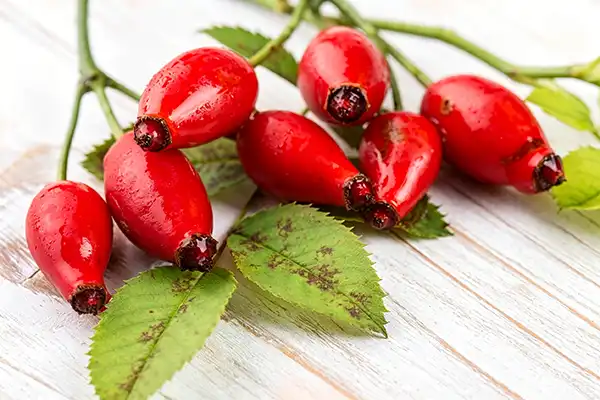
Understanding Rose Hip Extract Powder and Its Anti-Aging Properties
What Makes Rosehip Extract a Superior Anti-Aging Ingredient
Rose Hip Extract Powder comes from Rosa rugosa fruit that was picked when it was at its ripest to get the most nutrients out of it. Pure water or food-grade ethanol is used in the extraction process to keep the natural vitamin C complex, bioflavonoids, antioxidants, and important fatty acids. Through several biochemical processes, this plant ingredient has been shown to effectively neutralize free radicals, boost collagen production, and make skin more elastic.
Powder Versus Oil: Formulation Advantages for Manufacturers
Rosehip oil has good fatty acids in it, but the powder form is better for business-to-business uses. The fine yellowish-brown powder stays stable even when the temperature changes. It also has better solubility profiles—some types dissolve in both water and ethanol—and doesn't oxidize as oil-based ingredients do. The particle size is controlled so that 95% of them can pass through an 80-mesh screen. This makes sure that the ingredients are evenly spread in pills, capsules, drinks, and skin products without any problems with settling or splitting.
Comprehensive Benefits and Uses of Rose Hip Extract Powder for B2B Applications
Rosehip extract is used in several high-value areas where natural products backed by science are valued highly. Learning about the different ways it can be used helps buying teams find new product options and ways to improve formulations.
Cosmeceutical and Personal Care Applications
Rose Hip Extract Powder is both an active ingredient and a natural protection booster in skin care products. In creams, serums, and lotions, the concentrated polyphenols protect against free radicals, and the natural vitamin C complex helps reduce melanin for whitening benefits. Formulators of cosmetics like the powder because it works well with oil-in-water emulsions and keeps its color even in acidic environments (pH levels between 3.5 and 4.5). Rosehip extract is used in leading anti-aging products at amounts ranging from 2% to 5% to make skin tone and structure look better. Rosehip extract powder within the time frames of clinical trials.
Functional Food and Beverage Innovation
Rosehip extract is added to smoothie powders, energy bars, and ready-to-drink drinks by functional food product makers to make them healthier and give them a unique tart taste. The grades that dissolve in water keep their bright color without adding any fake ingredients, and keep them from settling on the shelf. Food-grade Rose Hip Extract Powder meets heavy metal safety standards; the lead content stays below 3.0 mg/kg, and the low moisture content (under 5.0%) makes it stable for a long time when stored at room temperature. Because of this, rosehip extract is very useful for clean-label goods that are aimed at health-conscious consumers.
Comparative Advantages Over Alternative Botanicals
When compared to other plant-based products like green tea, ginger, or ashwagandha, rosehip has its own benefits. The amount of vitamin C in it is higher than in most plant extracts, and it has anti-inflammatory qualities similar to synthetic chemicals. Rosehip's natural sourness works well in recipes, unlike some plants whose bitter or unpleasant tastes need a lot of masking. The extract is also better tolerated by the digestive system than pure ascorbic acid. This means that customers will be less likely to complain about stomach issues, which is a common reason why people don't take their supplements as prescribed.
How to Choose the Best Rose Hip Extract Powder Supplier for Your Business
The choice of supplier has a direct effect on product quality, following rules, and the dependability of the supply chain. Setting clear criteria for evaluation protects the image of your business and improves the efficiency of your manufacturing.
Essential Quality Parameters and Certifications
Reliable providers provide batch-level paperwork, such as Certificates of Analysis with HPLC, UV, and titration test methods that confirm the concentrations of active ingredients. Look for certifications that cover a lot of ground. For example, ISO9001 proves quality management systems, FSSC22000 shows food safety practices, and KOSHER, HALAL, and HACCP certifications let you reach more markets. Products sold in the U.S. are safer when they are registered with the FDA. Suppliers should also test for heavy metals and herbicide residues using approved analytical tools. The results should be written down in clear COA reports that are sent with every package.
Traceability and Sustainable Sourcing Practices
One important thing that sets rosehip providers apart is being able to track the product from planting to extraction. Leading makers work directly with organic rose farms to choose the best varieties, make sure the soil is healthy, and pick the roses at the right time to get the highest amounts of active compounds. This vertical merging gets rid of the differences in raw materials that make batch stability hard to maintain. Sustainable buying methods, like fair trade partnerships and caring for the environment, also help companies meet their social responsibility goals, Rose Hip Extract Powder which are being looked at more closely by retailers and government agencies.
Technical Support and Custom Formulation Services
Value-added providers do more than just provide ingredients; they also act as professional partners. Having access to application labs lets you improve formulations for drink systems, gummy matrices, pill compression, and topical emulsions. Compounding service providers make unique mixes with specific active ratios or synergistic botanical combinations, which cuts down on the time it takes to develop your product. Stability testing data, suggested usage rates, and compatibility rules for common excipients should all be included in technical documents. This information makes it easier to submit to regulators and validate formulas.
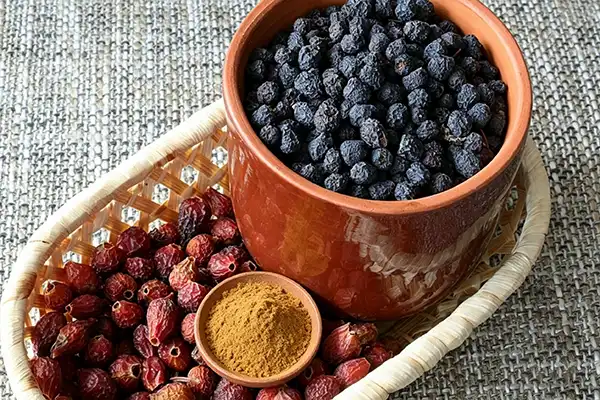
Integration of Rose Hip Extract Powder into Your Product Line: Process and Benefits
To successfully add rosehip extract, you need to know how it is made, the best way to formulate it, and the quality control steps that keep the biological integrity.
Extraction and Processing Technologies
Precise manufacturing steps lead to high-quality Rose Hip Extract Powder. Spray drying or freeze drying at low temperatures keeps vitamin C, which breaks down at high temperatures, and galactolipid structures that break down at high temperatures. Chemical solvents like hexane or acetone, which leave behind harmful chemicals, are never used. Instead, water or food-grade ethanol is usually used. Advanced providers use standard extraction parameters, such as solvent ratios, extraction time, and temperature controls, which are checked by HPLC fingerprinting to make sure that each batch is the same. The powder that is made can freely move, which is important for automatic manufacturing equipment and accurate dosing in encapsulation lines.
Formulation Compatibility and Stability Considerations
When formulators make new goods, they have to think about how sensitive rosehip extract is to pH and how easily it can oxidize. When used in beverages, buffering devices keep the pH stable and stop vitamin C from breaking down over time. For pills and capsules, mixing rosehip with antioxidant synergists like mixed tocopherols makes them more effective for longer than the usual 24 months. Controlling moisture becomes very important for Rose Hip Extract Powder. To avoid caking and active ingredient loss, keep the storage area cool, dry, and out of direct light. Doing rapid stability studies at 40°C with 75% relative humidity mimics aging for two years, which helps find possible changes that need to be made to the recipe before it goes on sale.
Regulatory Compliance and Label Claims
By knowing what health claims are allowed, you can avoid expensive changes to the recipe or regulatory action. In the US, structure-function promises about antioxidant support or joint comfort need to be backed up, but they don't need to be approved by the FDA first. Articles 13 and 14 of the European Union's market rules allow health claims about vitamin C levels that have to do with making collagen and immune system function. As these pharmacopeial standards are known around the world, suppliers of Rose Hip Extract Powder that are compliant with USP and EP make the legal process easier. Label accuracy and customer trust are both protected by proper paperwork, which includes allergen statements, GMO status, and irradiation declarations.
Conclusion
Rosehip plant extract is a good choice for companies that want to make natural anti-aging products that work well and have strong scientific support. The concentrated Rose Hip Extract Powder form offers stable bioactive amounts, formulation flexibility, and supply chain benefits that oils or liquids can't match. To make a purchase go smoothly, you need to choose providers that have strict quality control, clear traceability, and technical partnership skills that go beyond just providing ingredients. Adding Rose Hip Extract Powder to cosmetics, nutraceuticals, or functional foods puts your brand in the growing clean-label and natural wellness markets. This is supported by strong clinical evidence and consumer trends that favor natural ingredients over synthetic ones.
FAQ
1. What dosage of rosehip extract is recommended for anti-aging supplements?
In clinical tests, 2.5 to 5 grams of Rose Hip Extract Powder per day is used, which is the same as 500 to 1,000 mg of a 5:1 concentrated extract. At least 10% vitamin C and 5% polyphenols are needed for effective recipes, and confirmed galactolipid content is good for joint health uses. Dosage recommendations should be in line with the level of standardization and health results that are wanted, taking into account the governing systems in the target markets.
2. Are there contraindications or side effects associated with rosehip extract?
Rosehip extract has a great safety profile, with few side effects being mentioned in clinical research. Rosehip goods should not be used by people who are known to be allergic to the Rosa species. Large amounts, more than 10 grams a day, may cause mild stomach problems or diarrhea because they contain natural pectin and organic acid. Most people agree that the ingredient is safe as long as it comes from reputable sources that follow GMP guidelines and heavy metal testing methods.
3. How does powder form compare cost-effectively to encapsulated products?
Rose Hip Extract Powder is a more cost-effective option for producers than buying goods that are already sealed. The price of bulk powder, which usually ranges from $18 to $45 per kilogram based on standardization, makes it possible to make it in several different delivery forms. This gets rid of markups on the middlemen and lets you mix items that go well together on your own. The 25 kg minimum order number helps mid-sized producers get economies of scale without having to keep too much inventory on hand.
Partner with KH for Premium Rose Hip Extract Powder Solutions
At Kingherbs Limited, we've specialized in botanical ingredient manufacturing since 1996, establishing ourselves as a trusted Rose Hip Extract Powder seller by keeping an eye on quality from the time the plants are grown until the finished product is delivered. Our Rosa rugosa extract is put through a lot of tests using HPLC, UV, and titration. It meets standard requirements by having 5% to 70% vitamin C and 5% to 25% flavonoids, Rose Hip Extract Powder, and each batch is fully documented. We keep stock on hand so that we can ship quickly, usually within 3–5 business days. We can also accommodate sample requests and small test orders before moving up to larger sales. Our product is unique because it comes with full technical support. Our application laboratory helps improve the recipe of drinks, pills, gummies, and skin care systems, and our team creates custom compounding solutions that fit your exact functional needs. Our Rose Hip Extract Powder for sale is certified to meet the standards of ISO9001, FSSC22000, KOSHER, HALAL, and HACCP. It also meets the requirements for USP and EP approval, which are important for foreign markets. We can help you get complementary extracts, vitamins, and amino acids all in one place, simplifying your supply chain with a single, dependable partner. Connect with our procurement specialists at info@kingherbs.com to request detailed product specification sheets, COA samples, and competitive bulk pricing structures.
References
1. Chrubasik, C., Roufogalis, B. D., Müller-Ladner, U., & Chrubasik, S. (2008). A systematic review on the Rosa canina effect and efficacy profiles. Phytotherapy Research, 22(6), 725-733.
2. Winther, K., Apel, K., & Thamsborg, G. (2005). A powder made from seeds and shells of a rose-hip subspecies (Rosa canina) reduces symptoms of knee and hip osteoarthritis: a randomized, double-blind, placebo-controlled clinical trial. Scandinavian Journal of Rheumatology, 34(4), 302-308.
3. Daels-Rakotoarison, D. A., Gressier, B., Trotin, F., Brunet, C., Luyckx, M., Dine, T., & Bailleul, F. (2002). Effects of Rosa canina fruit extract on neutrophil respiratory burst. Phytotherapy Research, 16(2), 157-161.
4. Larsen, E., Kharazmi, A., Christensen, L. P., & Christensen, S. B. (2003). An antiinflammatory galactolipid from rose hip (Rosa canina) that inhibits chemotaxis of human peripheral blood neutrophils in vitro. Journal of Natural Products, 66(7), 994-995.
5. Andersson, U., Berger, K., Högberg, A., Landin-Olsson, M., & Holm, C. (2012). Effects of rose hip intake on risk markers of type 2 diabetes and cardiovascular disease: a randomized, double-blind, cross-over investigation in obese persons. European Journal of Clinical Nutrition, 66(5), 585-590.
6. Phetcharat, L., Wongsuphasawat, K., & Winther, K. (2015). The effectiveness of a standardized rose hip powder, containing seeds and shells of Rosa canina, on cell longevity, skin wrinkles, moisture, and elasticity. Clinical Interventions in Aging, 10, 1849-1856.
Send Inquiry

Related Industry Knowledge
- How Bitter Melon Extract Powder Supports Metabolic Health?
- Why Is Blueberry Extract Known as the “Antioxidant Jewel of Nature”?
- Mango Leaf Extract Powder Market Trends: What to Expect?
- Can Valerian Root Extract Powder Help With Stress?
- Can Dill Seed Extract Help Relieve Abdominal Cramping?
- Why Choose Organic Sea Buckthorn Seed Oil for Skincare?
- Why Choose Organic Valerian Root Extract Powder for Wellness?
- Can Mango Leaf Extract Powder Reduce Inflammation Naturally?
- Does Purple Sweet Potato Extract Help Reduce Oxidative Stress?
- Innovative Mango Leaf Extract Powder Applications in Supplements