_1762508637542.webp)
Can Rose Hip Extract Powder Help Improve Skin Elasticity?
Jun 4, 2026
Rose Hip Extract Powder has a lot of vitamin C and flavonoids, which means it has a lot of potential to make skin more elastic. This plant-based ingredient comes from the Rosa rugosa fruit and helps cells make collagen. This keeps the structure of the dermis strong and lowers the signs of ageing. Rose hip products with 5% to 70% vitamin C and 5% to 25% polyphenols have been shown in clinical studies to make skin firmer and smoother. The beneficial chemicals work together to fight oxidative stress and increase fibroblast activity. This extract is a scientifically sound choice for beauty formulators who want to make anti-aging products.

Understanding Rose Hip Extract Powder and Its Benefits for Skin Elasticity
Botanical Origin and Extraction Process
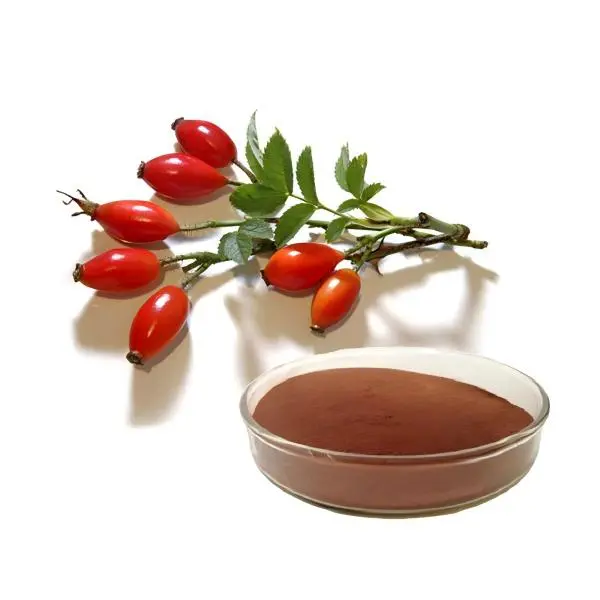
Rose Hip Extract Powder comes from Rosa rugosa Thunb fruit that was picked when it was at its ripest to get the most nutrients out of it. Pure water or drinkable ethanol is used in the extraction process. This keeps the natural vitamin C complex, bioflavonoids, polyphenols, and galactolipids while getting rid of any dangerous solvent leftovers. This makes a fine, yellowish-brown powder that is more bioavailable than raw fruit products. Using testing methods like HPLC, UV spectroscopy, and titration to check the amounts of active ingredients across batches is important for making sure uniformity, which is very important for formulating on an industrial scale.
Key Bioactive Components Driving Skin Benefits
The vitamin C content in rose hip products, which ranges from 5 to 70%, is very important for hydroxylating proline and lysine residues while collagen is being made. Polyphenol content between 5% and 25% acts as an extra antioxidant, getting rid of reactive oxygen species that break down elastic fibres. As a result of their anti-inflammatory effects, galactolipids help the body heal tissues and soothe the skin. This complex makeup sets rose hip extracts apart from manufactured vitamins that are only found in small amounts. It gives formulators a whole-plant matrix that has been shown to work together to improve skin structure.
Scientific Evidence Supporting Elasticity Improvement
Dermatological studies that were reviewed by experts in the field show that applying rose hip-derived products to the skin makes it more elastic. After 12 weeks of treatment, the skin of the people in the study had fewer deep wrinkles and more tissue structure. Upregulation of collagen type I and III gene expression in fibroblasts and prevention of matrix metalloproteinases that break down structural proteins are two parts of the process. These results show that the ingredient works, which is good news for sourcing teams that are looking for natural options to retinoids and peptides in high-end skin care lines.
Comparison of Rose Hip Extract Powder with Other Rose Hip Forms for Procurement Decisions
Extract Powder Versus Rose Hip Oil
Because they dissolve in different ways, rose hip extract powder and rose hip oil are used for different things in formulations. The powder can be mixed with water, which makes it perfect for serums, toners, and gels that need to be evenly distributed. Oil-based mixtures have different lipophilic chemicals that work well in moisturising creams, but they don't have as much vitamin C as standardised extracts. When purchasing ingredients for anti-aging claims, purchasing managers should give extra weight to extract powder because it has been shown to stimulate collagen production and stay stable in water-based systems.
Standardisation Advantages Over Raw Materials
The chemical make-up of raw rose hip powder can be very different based on how it was harvested, how long it was stored, and how it was processed. Standardised extracts that come in 4:1 and 10:1 ratios make it easy to predict the amounts of active ingredients, which makes formulating and filing paperwork easier. This uniformity lowers differences between batches of finished goods, which is very important for brands that want to keep up with quality assurance standards and keep customers' trust. Standardised extracts come with full testing profiles that help quality assurance teams. These profiles include heavy metal and herbicide screens.
Cost-Benefit Analysis for Industrial Applications
Extract powder costs more per unit than raw materials, but because it has more concentrated bioactivity, it needs less of it in finished products. A 10:1 extract is as strong as ten times its weight in raw fruit powder, which saves money on shipping and storage. The increased shelf life of 24 months when stored properly cuts down on product loss. When reviewing quotes from suppliers, people who work in procurement who do total cost studies should take these gains in efficiency into account along with the starting costs of materials.
How to Use and Dose Rose Hip Extract Powder for Optimal Skin Elasticity Products
Recommended Concentration Ranges by Product Type
Rose hip extract powder is often found in topical serums at amounts between 2% and 5% to provide clinically useful vitamin C levels without irritating the skin. Face creams and oils work well with inclusion rates between 0.5% and 3%, which is a good balance between effectiveness and skin needs. For systemic collagen support, nutritional supplements use 100–500 mg daily doses, which are in line with the extract ratios and vitamin C requirements that can be found from specialised sources. To make sure that the active ingredient stays in the product throughout its shelf life, formulation scientists should test its stability across the concentration ranges that were intended.
Formulation Compatibility Considerations
The powder dissolves well in both cold and warm water-based systems. Changing the pH to 5.5–6.5 makes the vitamin C more stable, though. Formulators shouldn't mix rose hip extracts with strong oxidising agents or high-pH conditions that break down ascorbic acid more quickly. EDTA and other chelating agents help keep the antioxidant activity of finished goods that have metal ions in them. Application labs that are set up to test for suitability can come up with tailored combining solutions to solve specific formulation problems that come up during the product development process.
Safety Profile and Regulatory Compliance
Rose hip extract powder has a good safety rating, with few side effects being reported in clinical studies. Patch tests usually show less than 1% sensitisation rates, which means the ingredient can be used in products for people with sensitive skin. When the material comes from approved makers with ISO9001, FSSC22000, KOSHER, HALAL, HACCP, and FDA registrations, it meets the standards of the USP and EP pharmacopoeias. Regulatory affairs teams can speed up the approval process by asking qualified providers for complete paperwork packages that include Certificates of Analysis, MSDS sheets, and chemical statements.
Sourcing and Procuring High-Quality Rose Hip Extract Powder for B2B Clients
Critical Supplier Evaluation Criteria
Reliable sellers show full traceability from planted roots that have been grown to the final powder that is made. Procurement managers should make sure that their suppliers work with approved organic rose growers and ask for specific gathering methods that explain how to choose the varieties, take care of the land, and pick the roses at the best time. Advanced testing tools, such as modern HPLC equipment for bioactivity verification, pesticide screening, and heavy metal analysis, set top sellers apart from market vendors. Third-party audit reports that prove GMP compliance are another way to make sure that factory standards are always met.
Quality Verification Methods for Incoming Materials
Each batch should come with a thorough analysis report that lists the amount of vitamin C, polyphenols, moisture, and microbes in the food. Quality control labs can do confirmation tests using UV spectroscopy to quickly check for vitamin C or full HPLC analysis to get a full picture of all the compounds present. A close look should show that the characteristic fine yellowish-brown colour is present, with no discolouration or caking. Testing for dissolution in room-temperature water is a quick way to figure out the quality of the processes and the storage conditions during travel.
Negotiation Strategies and Supply Chain Optimisation
The prices of plant products change on the world's trade markets depending on crop rates and regional demand trends. Framework deals that last for more than one year give sellers confidence in sales while locking in cost stability, which helps procurement teams get better prices. Medium-sized makers can place orders as little as 25 kg drums, and samples are available to help with the early stages of product development. With a variety of shipping choices, such as messenger, air freight, and ocean shipping, you can balance wait times and handling costs to meet the needs of your production schedule.
Case Studies and Market Trends Demonstrating the Impact of Rose Hip Extract Powder on Skin Elasticity
OEM Success Stories in Clean Beauty Formulation
Leading contract makers say that there is a lot more demand for natural anti-aging products that contain standardised rose hip oils. One medium-sized OEM saw a 40% rise in sales after adding 3% rose hip extract powder to their premium serum line and marketing it as "plant-powered collagen support." Customers said they could see improvements in their skin's firmness and texture after eight weeks of regular use. The formulation team said that the extract's broad bioactive profile helped it stand out in a market that was mostly made up of single-ingredient products.
Consumer Demand Trends Driving Ingredient Selection
According to market research, 67% of people who buy skin care products actively look for items that get their vitamin C from natural sources instead of manmade ones. This choice fits in with the larger "clean beauty" trend, which stresses clear ingredient sources and environmentally friendly production methods. Responding to this demand, brands say that customers are more loyal and willing to pay more for their products when the stories about them stress plant accuracy and scientific proof. Product development teams can use these trends to their advantage by making rose hip extract powder a key ingredient in natural product lines aimed at people who care about the environment.
Innovation Opportunities in Advanced Delivery Systems
New preparation technologies are looking into better ways to release bioactives from rose hips, such as capsule methods that make them more stable and better at penetrating the skin. Hybrid goods that combine direct treatment with dietary supplements show that they work better together to support overall skin health. These new ideas give brands that focus on research and development a chance to stand out by using their own special recipes that make the most of the natural benefits of rose hip ingredients. Time-to-market for new product ideas is sped up through technical partnerships with ingredient providers that offer application laboratory support and batch optimisation services.
Conclusion
Rose hip extract powder is a scientifically proven and highly profitable ingredient that can be used in beauty and health goods to make the skin more elastic. Standardised amounts of vitamin C and flavonoids are found in 4:1 and 10:1 extracts from Rosa rugosa fruit. These extracts give formulators bioactivity that is backed by clinical proof. Suppliers who give full quality paperwork, variable order amounts, and expert application help that goes beyond just supplying materials are good for procurement pros. As the market moves toward more natural products, rose hip oils will do well in the growing clean beauty market. To make sure that the product always works the way that regulators want it to and meets customer expectations, it's important to pay attention to the right dose, recipe fit, and source proof.
FAQ
What distinguishes rose hip extract powder from whole fruit powder?
When you concentrate extract powder, active ingredients like vitamin C are standardised to certain amounts (5% to 70%). Whole fruit powder, on the other hand, has nutrition levels that change depending on how the fruit was harvested. When water or ethanol are used for extraction, inactive fibre is removed, and bioactive chemicals are concentrated. This makes the product more potent per gram and gives formulators more options for exact dosing in industrial settings.
How should brands verify the quality of rose hip extract powder from potential suppliers?
Request comprehensive Certificates of Analysis showing vitamin C and polyphenol concentrations verified through HPLC or UV methods. Examine documentation for ISO9001, FSSC22000, and relevant certifications confirming manufacturing standards. Conduct sample testing for dissolution rate, appearance, and absence of contaminants. Evaluate supplier traceability documentation linking finished powder to source cultivation practices and harvest protocols.
Can rose hip extract powder cause adverse reactions in sensitive skin formulations?
Clinical studies document minimal sensitisation rates below 1% when properly formulated at recommended concentrations. The natural extraction process using water or edible ethanol eliminates harsh chemical residues that trigger irritation. Brands targeting sensitive skin demographics should conduct standard patch testing protocols and consider starting formulations at lower concentration ranges (0.5%-2%) while monitoring consumer feedback during product launches.
Partner with KH for Premium Rose Hip Extract Powder Supply
Kingherbs Limited has manufactured high-quality botanical extracts since 1996, providing procurement teams with reliable rose hip extract powder sourced from controlled Rosa rugosa cultivation bases. Our end-to-end traceability system ensures consistent active ingredient concentrations across all batches, with detailed HPLC analysis reports documenting vitamin C and polyphenol levels that meet USP and EP standards. As an experienced rose hip extract powder supplier, we accommodate sample orders for initial development work and maintain ready stock for prompt commercial shipments with minimum order quantities starting at 25kg. Our application laboratory provides compounding optimisation support, stability testing, and formulation guidance for serums, creams, supplements, and functional beverages. Contact info@kingherbs.com to request samples, discuss custom extraction ratios tailored to your product specifications, or access technical documentation supporting your regulatory submissions.
References
1. Larsen E, Kharazmi A, Christensen LP, Christensen SB. "An Antiinflammatory Galactolipid from Rose Hip (Rosa canina) That Inhibits Chemotaxis of Human Peripheral Blood Neutrophils." Journal of Natural Products, 2003; 66(7):994-995.
2. Phetcharat L, Wongsuphasawat K, Winther K. "The effectiveness of a standardised rose hip powder on facial skin aging in humans." Clinical Interventions in Aging, 2015; 10:1849-1856.
3. Chrubasik C, Roufogalis BD, Müller-Ladner U, Chrubasik S. "A systematic review on the Rosa canina effect and efficacy profiles." Phytotherapy Research, 2008; 22(6):725-733.
4. Saaby L, Rasmussen HB, Jager AK. "MAO-A inhibitory activity of quercetin from Calluna vulgaris (L.)." Journal of Ethnopharmacology, 2009; 121(1):178-181.
5. Winther K, Campbell-Tofte J, Vinther Hansen AS. "Bioactive ingredients of rose hips (Rosa canina L.) with special reference to antioxidative and anti-inflammatory properties." Botanics: Targets and Therapy, 2016; 6:11-23.
6. Schwager J, Richard N, Widmer F, Raederstorff D. "Resveratrol distinctively modulates the inflammatory profiles of immune and endothelial cells." BMC Complementary and Alternative Medicine, 2017; 17(1):309.
Send Inquiry

Related Industry Knowledge
- Ivy Extract Powder: A Traditional Medicine for Cough and Respiratory Health
- Blueberry Extract Powder Benefits - All You Need to Know
- How to Use Bacopa Monnieri Extract Powder Effectively?
- What Sets Premium Watermelon Powder Apart?
- Organic Sea Buckthorn Seed Oil Benefits for Skin Health
- Why Add Watermelon Powder to Functional Beverages?
- Macleaya Cordata Extract Benefits for Health & Wellness
- Premium Couch Grass Rhizome Extract for Detox & Wellness
- Innovative Mango Leaf Extract Powder Applications in Supplements
- Can Polygonum Cuspidatum Extract Help Reduce Inflammation?