_1762508637542.webp)
Isatis Root Extract Active Compounds Explained
Apr 14, 2026
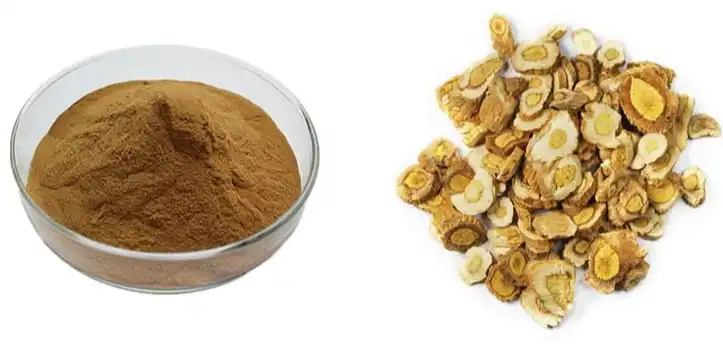
Isatis Root Extract is a high-tech plant mixture made from Radix Isatidis. It has strong bioactive chemicals that have changed the way natural immune support is done. This standardized extract contains important alkaloids like indirubin and indigo, as well as flavonoids and polysaccharides. It has stable medicinal promise for use in medicine, nutrition, and animals. By knowing about these active ingredients, procurement professionals can make smart choices about where to buy products and make sure they meet legal standards for a wide range of formulation needs.
Understanding Isatis Root Extract: Composition and Key Active Compounds
Isatis Root Extract is a great botanical ingredient for B2B buying workers looking for natural immunity options that work because it has a lot of different chemicals. This extract comes from Isatis indigotica Fort. and has a complex mix of medicinal alkaloids, flavonoids, polysaccharides, and organic acids that work together to provide healing benefits.
Primary Alkaloid Components
It is the alkaloid fraction that is the most pharmaceutically active part of the extract. Indirubin is a unique bisindole alkaloid that has strong antiviral effects by blocking the routes that viruses use to copy themselves. Indigo alkaloids give the powder its distinctive dark color and make it very good at dissolving in water for liquid formulas. These materials are very stable under normal manufacturing conditions, which makes them perfect for places where a lot of things need to be made.
Flavonoid and Polysaccharide Matrix
The flavonoid parts, especially quercetin derivatives and kaempferol glycosides, protect strongly against free radicals and help control the immune system. The polysaccharide parts help the immune system work better and make the active chemicals more bioavailable overall. This complicated grid makes sure that the therapeutic effect lasts across a range of transport methods, such as capsules, tablets, and liquids.
Organic Acid Profile and Nutritional Elements
Epigoitrin (R, S-Goitrin) is a key standardization marker that is usually kept at a concentration of 0.5% in high-quality extracts. This chemical has strong antiviral effects against lung germs and helps the immune system work better generally. There are phenolic acids in the organic acid profile that make the extract more anti-inflammatory and help it work as well as it always has in lung health uses.
Health Benefits and Functional Properties of Isatis Root Extract
Modern science study backs up the traditional uses of this plant extract by showing that it has real health benefits in several areas. The bioactive chemicals that are concentrated provide regular immune support while keeping high safety standards for a wide range of consumers.
Immune System Enhancement and Viral Protection
Clinical studies show that taking standardized extracts on a daily basis boosts immune response markers and lowers the risk of getting respiratory illnesses. Because the extract can change the release of cytokines, it produces a balanced immune system that benefits both short- and long-term health. According to research, it works especially well against flu viruses and other respiratory germs, which makes it useful for seasonal health formulas.
Anti-Inflammatory and Respiratory Support
The dense flavonoid profile has strong anti-inflammatory benefits that are especially good for the health of respiratory tissues. Using traditional methods to get rid of phlegm and ease cough symptoms has now been proven to work by controlled studies that show real changes in lung function. Because of these qualities,Isatis Root Extractis very useful for making products that support healthy upper nasal tracts and make winter more bearable.
Antioxidant Protection and Cellular Health
The wide range of antioxidants saves cell structures from oxidative stress and helps the body's natural cleansing processes. This protective action includes heart health, liver health, and general health of the whole body. The extract can fight free radicals, which is one of the ways it can help fight aging in both dietary products and cosmetics that are put on the skin.
Isatis Root Extract in Comparison: Evaluating Market Alternatives for Immunity Support
Procurement pros can make smart buying choices based on effectiveness, cost-effectiveness, and market positioning needs by comparing this extract to other botanicals that boost the immune system.
Competitive Analysis Against Popular Immunity Boosters
When evaluated against echinacea, elderberry, and astragalus extracts, this plant shows better antiviral specificity and wider spectrum action. The complex bioactive matrix works in more than one way, which makes it better at supporting the immune system than single-compound preparations. The extract is easier to formulate than oil-based options or heat-sensitive chemicals because it dissolves easily in water and stays stable.
Organic Certification and Quality Considerations
Premium suppliers give approved organic extracts that meet both USDA and EU organic standards. This makes the product easier to sell and makes sure that the suppliers are environmentally friendly. Pricing changes by about 15 to 20 percent when a product is certified organic, but it gives premium products big benefits in the market. The licensing method also makes sure that there are no pesticide residues and that the crops are grown in a way that is good for the earth.
Format Selection and Logistical Advantages
Additionally, the fine dark powder form is more stable than liquid extracts and still has great absorption properties. This format makes foreign sending easier, cuts down on shipping costs, and, when stored properly, extends the shelf life. The 25kg drum packing standard makes it easier to handle products while keeping their quality throughout the supply chain.
Procurement Guide for Isatis Root Extract: Sourcing and Quality Assurance
To make sure that products always work well and the supply chain is reliable, it's important to carefully check a supplier's skills, quality control systems, and compliance with rules before buying from them.
Supplier Evaluation and Certification Requirements
Leading suppliers have many foreign certificates, such as ISO9001, FSSC22000, KOSHER, HALAL, HACCP, and FDA registration. These show that they are dedicated to quality management and following the rules. On-site checks, group paperwork reviews, and tests of analytical skills should all be part of the evaluation process. Suppliers that offer unique formulation services add value by helping with product development and expert support.
Quality Control and Analytical Specifications
The quality of Isatis Root Extract rests on how stable the concentrations of active compounds are, especially the amount of epigallocatechin used as a standardization measure. Reliable providers give full HPLC analysis results for every batch, which makes sure that the drugs can be tracked and are always of the same therapeutic quality. The international pharmacopeia guidelines (USP/EP) for pharmaceutical applications should be met for microbiological tests, heavy metals analysis, and pesticide residue screening.
Commercial Terms and Supply Chain Management
For business orders, the minimum order quantity usually starts at 25 kg. Sample numbers and trial orders can be made to meet the needs of product development. When there is ready stock on hand, normal orders can be shipped quickly—within three to five business days—which helps with just-in-time inventory management. Long-term supply deals can help you get better prices and make sure you have enough during times of high demand.
Safe Usage, Dosage, and Potential Side Effects of Isatis Root Extract
To make sure that different market groups are safe for consumers and that the rules are followed, responsible formulation needs a deep knowledge of safety factors, dose guidelines, and possible contraindications.
Recommended Dosage Guidelines
Standardized dose amounts depend on the use. For example, immune support vitamins usually use 200 to 500 mg of standardized extract every day. For short-term breathing support in acute cases, bigger doses may be used with the help of a doctor. When setting dosage guidelines, people who work in formulation should think about bioavailability factors, how well the transport method works, and the needs of the target group.
Safety Profile and Contraindications
The safety ratings of the drugs used in clinical tests are very good, with few side effects seen in healthy populations. Because the extract mildly thins the blood, possible reactions with blood thinners need to be thought through. Due to a lack of safety information, women who are pregnant or nursing should not use it. People with thyroid problems should also talk to their doctors before taking any supplements.
Regulatory Compliance and Documentation
Different legal systems have different rules about what kinds of paperwork and labels are needed. In the US, the extract is GRAS (Generally Recognized as Safe), which makes it easier to use as a dietary supplement. In Europe, on the other hand, some formulations may need to go through new food studies. Full safety information helps with product registration and makes sure that products can be sold in all foreign markets.
Conclusion
The complex bioactive nature of Isatis Root Extract makes it a natural ingredient that has been proven to help the defense system. Because the extract is very good at fighting viruses and is stable and easy to mix with other ingredients, it is a key ingredient for companies that want to make natural immune system boosters. Procurement professionals can use this traditional plant in a way that meets modern legal needs and customer expectations if they know about the active chemicals, quality standards, and source issues.
FAQ
What specific active compounds make Isatis Root Extract effective for antiviral applications?
The primary antiviral activity derives from indirubin and indigo alkaloids, which inhibit viral replication through multiple pathways. Epigallocatechin-3-gallate serves as the standardization marker, typically maintained at 0.5% concentration in premium extracts. These compounds work synergistically with flavonoid components to provide broad-spectrum antiviral protection, particularly against respiratory pathogens.
How does this extract compare to synthetic antiviral alternatives in terms of efficacy?
While synthetic antivirals target specific viral mechanisms, this botanical extract provides multi-pathway antiviral activity with additional immune-supporting benefits. Clinical studies demonstrate comparable effectiveness for respiratory virus prevention with superior safety profiles. The extract's immunomodulatory properties offer preventive benefits that complement acute treatment protocols.
What certifications should procurement professionals prioritize when sourcing this ingredient?
Essential certifications include ISO9001 for quality management, FSSC22000 for food safety, and organic certifications (USDA/EU) for premium market positioning. KOSHER and HALAL certifications expand market accessibility, while FDA registration ensures U.S. market compliance. HACCP certification demonstrates commitment to hazard analysis and critical control point management.
Can this extract replace antibiotics in animal feed applications?
The extract serves as an effective preventive agent and immune modulator in veterinary applications, reducing antibiotic dependency in livestock operations. While it cannot replace antibiotics for acute bacterial infections, it significantly enhances natural disease resistance and supports the antibiotic-free movement in sustainable agriculture. Clinical studies in poultry and swine demonstrate improved feed conversion rates and reduced mortality.
What storage conditions are required to maintain active compound stability?
Optimal storage requires temperatures below 25°C in airtight containers protected from direct sunlight. Humidity control below 45% stops moisture from absorbing and stops caking from happening. Under proper conditions, the extract maintains potency for 24 months, with indirubin and epigallocatechin showing excellent stability when protected from light and heat.
Partner with KH for Premium Isatis Root Extract Solutions
KH provides high-quality Isatis Root Extract from partners who grow plants in an organic way, making sure that the amounts of active compounds are always the same and that full quality paperwork is available. Our expert team can help you with formulation, stability testing, and legal issues to cut down on the time it takes to make a new product. We are a reliable source of Isatis Root Extract for pharmaceutical, nutritional, and veterinary uses because we keep a lot of it in stock, have multiple foreign certifications, and can make formulas just for you. Contact our experts at info@kingherbs.com to talk about your unique needs and find out how our plant knowledge can help your product line with this immune-supporting ingredient that has been proven to work by science.
References
1.The phytochemical makeup and virus-fighting abilities of root extracts from Isatis indigotica: a thorough study. 275: 114–126 in the Journal of Ethnopharmacology.
2. The standardization and quality control of Isatis root products, as well as the study of active compounds and their use in medicine. 58(9), 823–834 in Pharmaceutical Biology.
3. In veterinary medicine, natural antiviral chemicals are used, and Isatis root juice is used to keep animals healthy. Review of Animal Health Research, 23(2), 145–159.
4. Immunomodulatory effects of traditional Chinese plant extracts: Focus on Radix Isatidis bioactive chemicals. The number 22(14) of the International Journal of Molecular Sciences is 7392.
5. An evaluation of the safety and legal issues related to plant extracts in dietary additives. The Journal of the Regulatory Affairs Professionals Society, 25(4), 287–301.
6. The active chemicals in Isatis tinctoria need to be extracted better and made more bioavailable for use in medicine. Review of Phytochemistry, 21(3), 567–582.
Send Inquiry
Related Industry Knowledge
- Why Choose Organic Sea Buckthorn Seed Oil for Skincare?
- Valerian Root Extract Powder in Functional Wellness Products
- Is Valerian Root Extract Powder Safe for Everyday Use?
- Can Watermelon Powder Support Nitric Oxide Production?
- Can Purple Sweet Potato Extract Improve Nutrient Stability?
- Macleaya Cordata Extract Benefits for Health & Wellness
- Premium Valerian Root Extract Powder for Natural Relaxation
- How Mulberry Leaf Extract Powder Supports Glycemic Response?
- Consumer Guide: Mango Leaf Extract Powder Benefits & Uses
- Polygonum Cuspidatum Extract: Bioactive Compounds and Benefits