
Vine Tea Extract Benefits: Is It Worth Adding to Your Routine?
Nov 6, 2026
Vine tea extract comes from Ampelopsis grossedentata, a plant the Tujia people in southern China have used for more than 600 years. If you're asking whether vine tea extract deserves a place in your product line or your daily routine, the short answer is this: it depends on sourcing quality, standardization, and intended use. This guide breaks down what vine tea extract is, what the research shows about its benefits, how dihydromyricetin drives its activity, and what procurement teams need to check before placing a bulk order. We built this resource for brand owners, formulators, and QA managers who need facts, not marketing copy.
What Is Vine Tea Extract and What Makes It Unique?
Vine Tea Extract Definition and Botanical Source
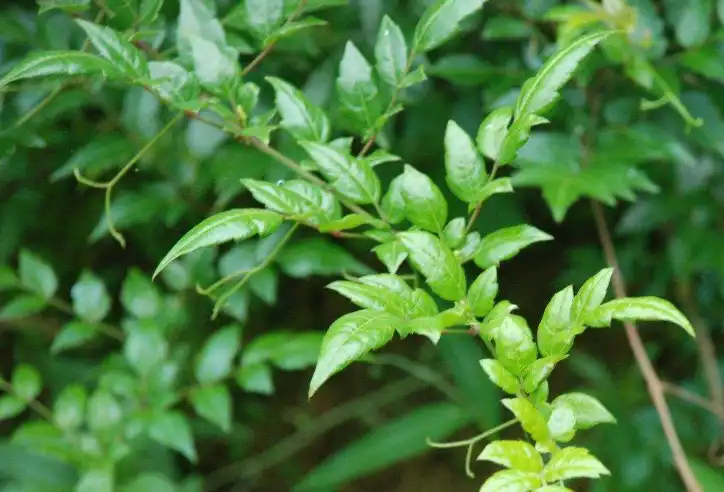
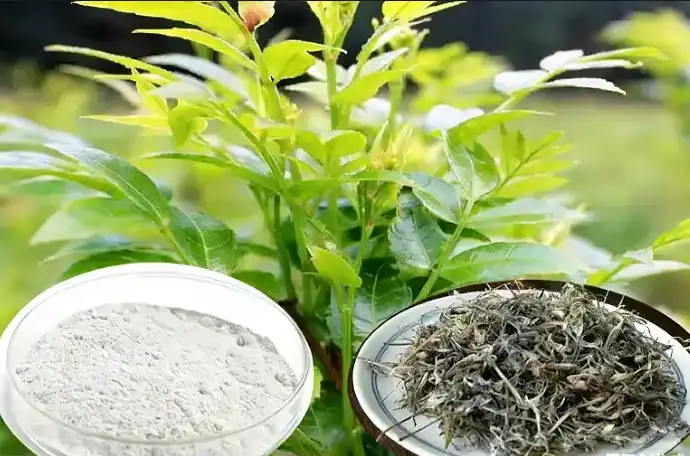
Vine tea extract is an extract of mostly leaves and stems of Ampelopsis grossedentata. It is also called vine tea, rattan tea, Teng Cha, DHM extract or ampelopsin extract. It is a one-of-a-kind plant ingredient, not a green tea extract, yet both are used in antioxidant-positioned items. A good specification should include the plant part used, the solvent used for extraction, the extraction ratio, and a method for botanical authentication such as HPLC fingerprinting.
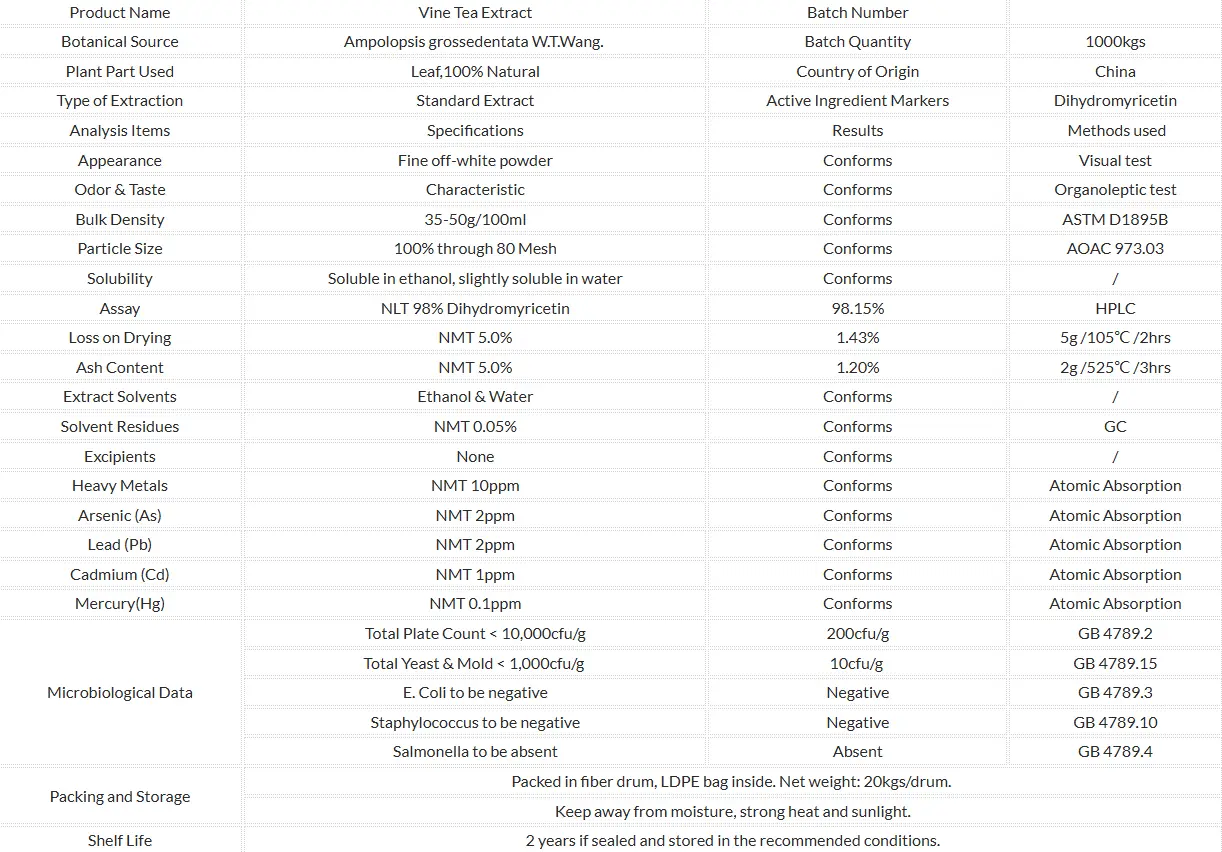
Specification:
Product Name: Vine Tea Extract
Botanical Source: Ampelopsis grossedentata W. T. Wang.
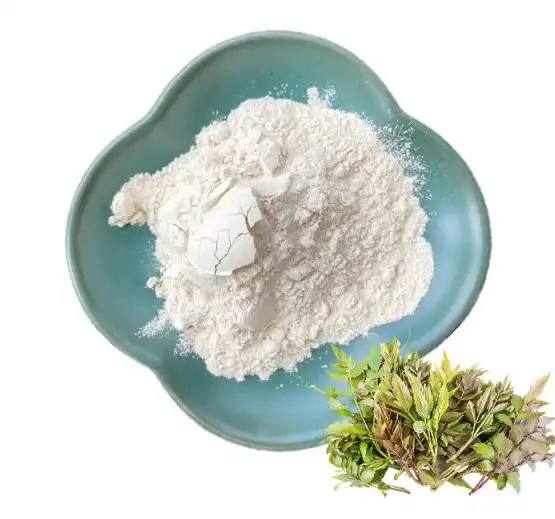
Appearance: Fine off-white to white powder
Plant Part Used: Leaf and Stem
Specification: Ratio Extract 4:1; 10:1; Dihydromyricetin 10% -98%; Myricetin 80%-98%
Test Method: HPLC
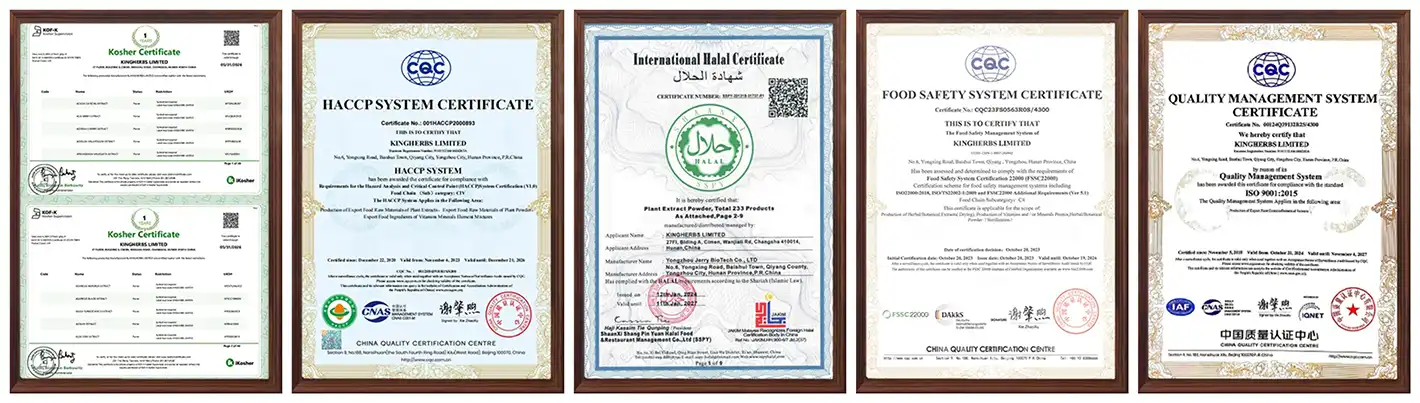
Certifications: ISO9001, FSSC22000, KOSHER, HALAL, HACCP, FDA, ORGANIC(EU), ORGANIC(USDA)
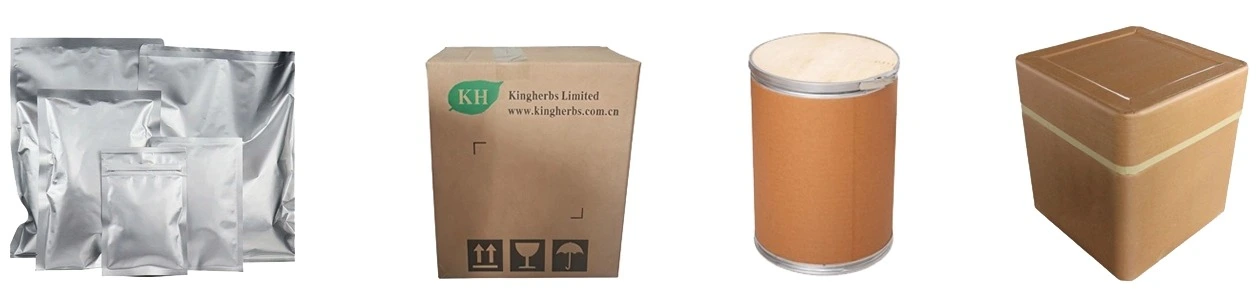
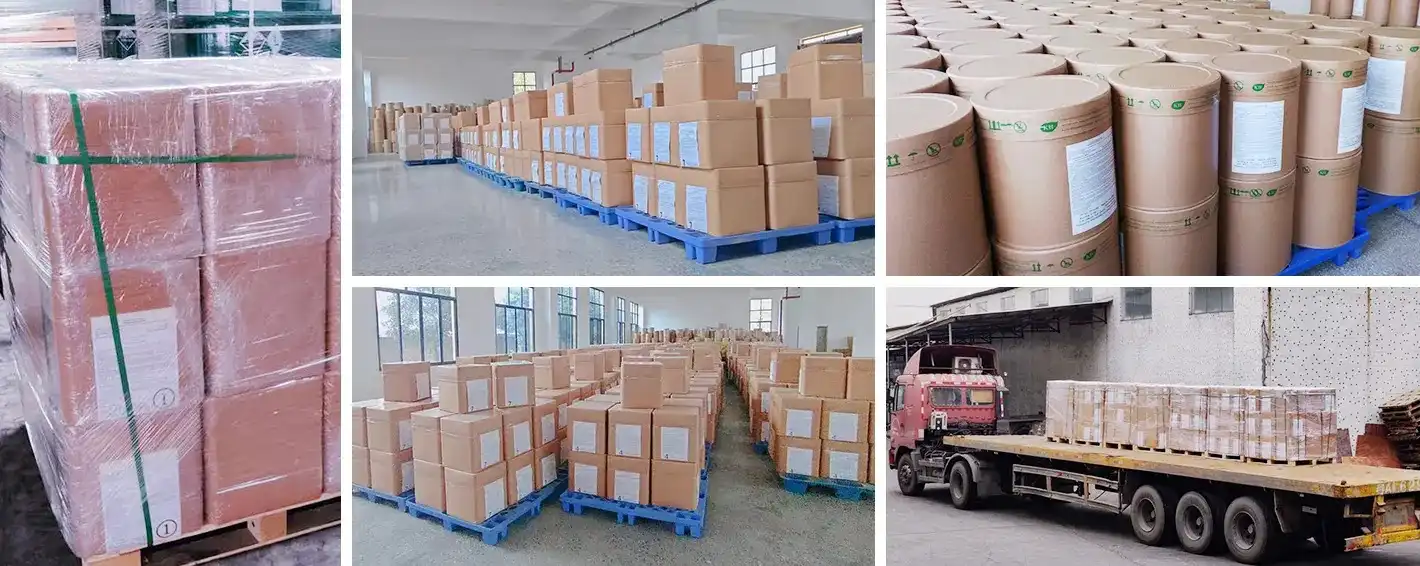
Packing Size: 25kg/drum
Transportation: Courier, Air, Ocean
MOQ: sample and small kgs trial order available, commercial order MOQ 25kg
Delivery: Ready stock, Prompt shipment
Vine Tea Extract Nutrition and Active Compounds
People seekingvine tea extract nutrition usually want to know about plant compounds, not calories or macronutrients. Polyphenols, flavonoids, trace minerals and other plant constituents related to antioxidant activity are included in the material. Dihydromyricetin is the major chemical; however, myricetin and other flavonoids show up on a routine test. The exact mix of these compounds varies by harvest location, kind of plant part used, manner of extraction, and final concentration, which is why two extracts marketed "vine tea" might test differently in a lab.
What Vine Tea Extract Is Not
A few explanations could prevent customers from costly labeling errors.
- Not all natural vine tea extract is green tea extract, milk thistle extract, resveratrol, or other pharmaceutical ingredients, even if marketing language puts them together under “liver support” or “antioxidant” categories. Each component has an identity testing method, active marker, and a regulatory history. “So there is a compliance risk in switching out one ingredient for another on a label without re-testing.”
- It is not a proven cure for liver disease, diabetes, or alcohol damage. However, studies are continuing, and most published work has been in cell or animal models, not in large trials of human individuals.
A plant extract on a supplement label doesn't guarantee every claimed benefit will pass regulatory muster. Brands still need to provide evidence for the claim before they may promote a health claim.
What Are the Key Vine Tea Extract Benefits for Daily Wellness?
Potential Vine Tea Extract Benefits
People are excited about vine tea extract benefits for antioxidant support, general wellness, and metabolic health. Any advantage obtained is dependent upon the quality of the extract, the quantity of active ingredients, the dose, and the health of the person. Traditional use as a daily beverage in Hunan and Guangxi provinces is independent of laboratory findings connected with a specific dose of DHM. When writing marketing material, producers should separate folk history from quantitative clinical results.
Vine Tea Extract Uses in Consumer Products
Natural vine tea extract is available as capsules, tablets, powders, ready-to-mix liquids, loose tea, functional meals, and combination formulas with milk thistle or green tea extract. Capsule shapes need appropriate flow and compression properties; liquid formats require solubility and a mild taste profile. We’ve seen formulators alter the ratio of extract specifically to manage the somewhat bitter note that DHM-heavy powders carry at higher dosages, as taste masking is dependent on ratio and particle size.
What Research Can and Cannot Confirm
Published research on this plant usually describes many endpoints: oxidative stress indicators, hepatic enzyme levels, glucose metabolism and inflammatory signaling (Shen et al., 2012). And in cells and animals, these markers alter in significant ways. Fewer big, controlled human tests. And because claim language constraints are country-specific, every structure/function claim should be reviewed by a regulatory or medical reviewer before it ever lands on a label, website, or distributor sell sheet.
How Does Dihydromyricetin (DHM) Contribute to Vine Tea Extract Benefits?
What Is Dihydromyricetin?
Dihydromyricetin is a flavonoid structurally related to Ampelopsis grossedentata. Also known as DHM or ampelopsin—all three names relate to the same molecule. A provider may offer DHM content as a percentage of the extract, milligrams per serving, or as a total extract equivalent. It’s wise to check the foundation of a stated value before comparing two quotations.
DHM and Antioxidant Properties
The molecular structure of DHM contains several hydroxyl groups, a property associated with free-radical scavenging in laboratory experiments. In vitro antioxidant activity may be a valuable screening technique, but does not automatically indicate a therapeutic benefit once the chemical has gone through digestion and metabolism. The report should be from a reliable lab, with a specified test technique, the reference standard utilized, the reason for reporting, and the lab’s certification, e.g., ISO/IEC 17025 accreditation.
DHM Standardization and Product Comparison
Not all vine tea extracts on the market have the same DHM level, and greater is not always preferable in every application. A capsule brand that has to hit a certain dosage target requires a different grade than a beverage brand that wants to achieve a light taste profile. The following table compares four popular product kinds.
| Product type | Typical specification focus | Buyer consideration |
|---|---|---|
| Whole vine tea powder | Botanical identity and moisture | Lower concentration; may retain more plant matrix |
| General vine tea extract | Extract ratio and polyphenols | Active level may vary between batches |
| Standardized DHM extract | Declared DHM percentage or quantity | More consistent formulation and dose control |
| Purified DHM ingredient | High-purity DHM assay | Requires stronger identity, purity, and regulatory review |
Here’s how Li Wei, a senior extraction engineer who works with botanical buyers around Europe and North America, described it during a supplier technical review: Buyers frequently want the largest percentage of DHM available, but the relevant question is which standard is suitable for their formulation and claim strategy. Depending on what the completed product has to achieve, a 10% DHM extract with tight batch consistency may outperform a 98% ingredient with broad fluctuation. This is consistent with what our own quality team finds in incoming shipments from diverse botanical sources.
Can Vine Tea Extract Support Liver Health and Natural Detoxification?
Liver-Related Research on Vine Tea Extract
DHM and vine tea extract have been studied in relation to oxidative stress and liver-related pathways, including a highly recognized study published in the Journal of Neuroscience in 2012, which assessed the impact of DHM on indicators of alcohol intoxication in animal models (Shen et al., 2012). That evidence is telling, but it’s from controlled lab circumstances, not sufficiently powered human clinical studies. Because there’s no data to back such a claim at this time, no brand should claim this extract “detoxifies” the liver or reverses alcohol-related harm.
Natural Detoxification: Scope and Limitations
The liver and kidneys already do physiological detoxification themselves, using enzyme systems that process contaminants 24/7. When taken carefully, vine tea extract is a better supplement to enhance wellbeing than it is a replacement for these organ systems. If you have jaundice, prolonged lethargy, stomach discomfort, or black urine, you need to see a doctor, not a supplement.”
Liver Health Safety Considerations
In this ingredient group, quality deficiencies are the biggest source of genuine danger.
- Contaminated, adulterated, mislabeled, or too concentrated preparations of vine tea extract provide a significant safety risk, independent of any questions regarding the safety profile of the plant itself. A batch produced near a polluted canal or otherwise treated with inadequate solvent control might introduce heavy metals or residual solvents unrelated to the plant itself.
- Buyers should verify identification testing, pesticide residue screening, heavy metal limits, microbiological limits, residual solvent testing, and stability data before allowing a cargo for manufacturing. Each of these checks captures a separate failure scenario; therefore, omitting one creates a blind hole in the quality file.
- If you have liver illness, are pregnant or nursing, or are on regular medication, see a certified health expert before introducing this or any other new botanical to your regimen. This simple procedure removes most of the preventable adverse-event reporting related to herbal supplements.
Can Vine Tea Extract Help Support Healthy Blood Sugar Levels?
Vine Tea Extract and Glucose Metabolism Research
The published studies on natural vine tea extract and glucose metabolism are linked to glucose uptake, insulin signaling, oxidative stress, and metabolic pathways. Most of this material originates from cell and animal research, which should be considered preliminary, not established human results. No brand should market this substance as a cure for diabetes or an alternative to a glucose-lowering drug.
Appropriate Use of Blood Sugar Claims
By FDA guidelines, a term such as “supports healthy glucose metabolism already within a normal range” is significantly different from a disease claim (FDA, 2023). Regulatory scrutiny is essential for every area in which a brand sells, from labels and commercials to websites and distributor decks. Each claim requires its own substantiation file, a specified serving-size explanation, and proof relevant to the product, not just a reference to the raw botanical.
Medication Interactions and Monitoring
Anyone on insulin, metformin, sulfonylureas, or GLP-1 drugs should receive a professional assessment before adding naturalvine tea extract to their regimen, since the combined effects on blood glucose are not completely known from human research. No one should modify a recommended treatment protocol based on supplement marketing language, no matter how exact the percentage claims are on a label.
Vine Tea Extract and Antioxidant Support: What Does Research Show?
Antioxidant Properties of Vine Tea Extract
Common laboratory techniques for determining antioxidant activity include the DPPH, ABTS, ORAC, FRAP assays, and total polyphenol assays (NIH ODS, 2024). The procedures measure distinct chemistry; thus, the result from one test doesn’t immediately translate to the other. A trusted result indicates the units, the control sample, the reference material, the lab procedure, and the test circumstances employed.
Antioxidant Results Versus Human Outcomes
A high result on a chemical antioxidant test does not directly evaluate what happens to DHM once it is in the circulation. The impact in the actual world is determined by bioavailability, metabolism, rate of absorption, choices of formulation, and dosage. Balanced label wording like “demonstrated antioxidant activity in laboratory testing” keeps marketing promises matched with the real data basis.
Comparison With Other Antioxidant Ingredients
Buyers often comparenatural vine tea extract against three other common antioxidant botanicals when planning a formula.
| Ingredient | Common active marker | Typical positioning | Key comparison point |
|---|---|---|---|
| Vine tea extract | DHM, polyphenols | Antioxidant and metabolic wellness | Requires botanical authentication and DHM assay |
| Green tea extract | Catechins, EGCG | Antioxidant and energy products | Caffeine and catechin levels require control |
| Milk thistle extract | Silymarin or silybin | Liver-support formulas | Standardization systems differ |
| Resveratrol | Resveratrol percentage | Antioxidant and healthy-aging products | Stability and bioavailability are important |
Can Vine Tea Extract Support Metabolic Health and Overall Wellness?
Potential Metabolic Health Applications
The areas of research related to vine tea extract and metabolic health include lipid metabolism, oxidative stress, inflammation, and energy regulation. “Ingredient-level research isn’t the same as finished product clinical evidence, so a brand that does its own stability or consumer study has a real edge over one that just cites general botanical literature.” “Diet, sleep and activity levels still explain the greatest proportion of influence on metabolic health outcomes.
Vine Tea Extract vs Green Tea, Milk Thistle, and Resveratrol
Each of the four antioxidant botanicals has its unique active compounds, caffeine profiles, extraction methods, and regulatory histories. The “best” decision relies on the target product, the audience it serves, the anticipated claim set, and the laws of the destination market. A sports nutrition company seeking a stimulant-free antioxidant combination has different goals than a liver-support brand combining this extract with milk thistle.
Three Practical Use-Case Scenarios
We work with most purchasers in these three circumstances.
- A supplement company prepares a standard DHM capsule or powder, private-label packaging, and a product-specific document file with identification, assay, and stability data before launch.
- Regional distributors need stable bulk powder, consistent test findings, multilingual specification sheets, and export logistics that meet destination country customs.
- Wellness program for users. A corporate wellness buyer or specialty retailer picks a completed product with clear labeling, realistic serving advice, printed safety warnings, and a traceable batch number on each container.
- Look at case: A European nutraceutical company called us in 2024 after a competitor's product failed a regular market evaluation due to shifting DHM levels. The brand converted from a generic 4:1 powder to a 10:1 extract standardized to 60% DHM utilizing batch-specific HPLC data with our lab staff. After six production runs, DHM variation dropped from ±15% to ±3% of label claim. Sample-to-first-production dropped from 45 to 18 days after specification lock. The brand's QA director informed our team that the paperwork bundle, not the content, passed regulatory file review on the original submission.
How Much Vine Tea Extract Is Commonly Used in Daily Supplements?
Vine Tea Extract Dosage Variables
Dosage of vine tea extract depends on the extract ratio, DHM %, the final form, and the strength of evidence for a particular claim. A raw botanical powder weight is not the same metric as a concentrated extract weight; therefore, comparing two items by “milligrams of vine tea” without looking into the ratio can lead to confused findings. The best course is to follow the verified serving recommendations for the completed product rather than a dosage from unrelated published research.
How to Take Vine Tea Extract
Vine tea extract is found as capsules, powders, brewed tea preparations, and functional meals, and each requires different management. The final experience is affected by the timing around meals, flavor masking, solubility in cold vs. hot beverages, and not exceeding the specified quantity of servings. Storage is also an area of concern, as moisture, light exposure, and temperature fluctuations may break down flavonoid content quicker than packaging alone would indicate; therefore, barrier-tested packaging is important for shelf-stable claims.
Side Effects, Contraindications, and Interactions
Most finalized forms include a few safety spots that overlap.
- All botanical ingredients (including vine tea extract) might cause mild gastrointestinal discomfort, individual sensitivity, or an unexpected allergic response – even if the product passes every quality test on file. “It should be a given for brands to have a basic allergy and discomfort warning on finished labels.”
- Pregnant or nursing adults, children, people with liver or renal illness, and those on regular medication should see a health expert before beginning this ingredient, since that group has the largest risk of an unexpected reaction.
- Medication screening is particularly important for glucose-lowering drugs, anticoagulants, antiplatelet drugs, sedatives, and drugs heavily metabolized by the liver because the combined effects of any flavonoid-rich botanical have not yet been fully studied in controlled human trials. “Safe for daily use” is not a fixed label; it is contingent upon product quality, dose, how long someone is using it, and that person’s individual health status at the time.
How to Choose a High-Quality Vine Tea Extract Supplement: Supplier Capability & Evaluation
High-Quality Vine Tea Extract Buying Checklist
A simple checklist detects most quality issues before manufacturing.
- Since the botanical trade worries about replacing it with a cheaper look-alike plant, confirm the botanical identity by macroscopic examination, microscopic investigation, chromatographic fingerprinting, or DNA-based testing if the application requires it.
- Compare the DHM assay, total polyphenol content, extraction ratio, plant part used, growing origin, and extraction solvent on the specification sheet to the batch certificate of analysis you are buying.
- Check heavy metals, pesticide residues, residual solvents, microbiological contaminants, mycotoxins, and common adulterants. A clean powder may fail any of these tests without notice.
- Check the batch number, production date, retest date, storage conditions, and growth area traceability record. This information supports a recall response if required.
“Avoid generic marketing sheets. Request a current batch analysis certificate for shipping. Even with the same product name, batch specifications may vary.”
Supplier Capability & Evaluation Price
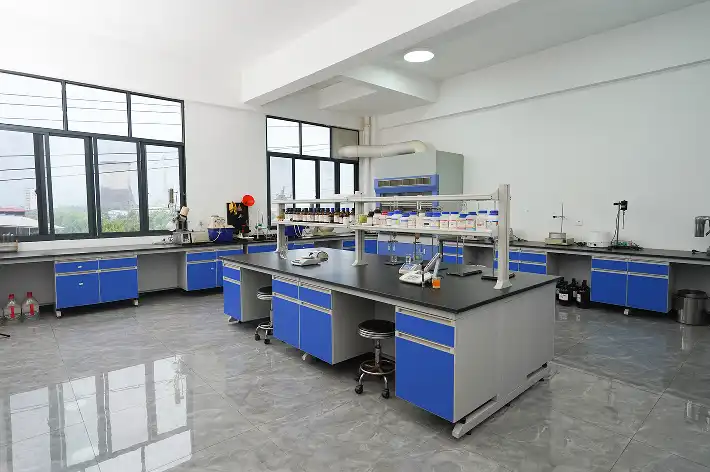
should not be discussed until supplier quality and papers are reviewed. Based on this priority, we founded Kingherbs Limited in 1996 and have grown from a regional ingredient trader to one of China's leading manufacturers of botanical and herbal extracts, vitamins, minerals, and amino acids for the supplement, food, cosmetic, and animal nutrition markets. We control variety selection, soil quality, and harvest timing to maintain active-ingredient concentration from batch to batch using our planting-base connections. Our application lab helps with formulation, stability testing, and compounding for capsule, powder, beverage, and skincare systems, and all grape tea extracts come with a batch-specific HPLC analysis. ISO 9001, FSSC 22000, HACCP, KOSHER, HALAL, and FDA-aligned production, plus Organic (EU) and Organic (USDA) options for clients that seek certification.
Procurement, Compliance, and Commercial Terms
A short set of questions during supplier screening prevents most supply chain surprises later.
| Procurement factor | Questions for buyers |
|---|---|
| MOQ | Is the minimum order different for bulk powder, capsules, and private label? |
| Lead time | What are standard and customized production timelines? |
| Payment terms | Are deposits, letters of credit, or staged payments available? |
| Incoterms | Are EXW, FOB, CIF, or DDP options offered for the destination market? |
| Documentation | Are COAs, SDS, specifications, allergen statements, origin documents, and stability data available? |
| Packaging | Are food-grade liners, drums, bags, sachets, or retail packaging supported? |
| Quality agreement | Are release criteria, deviations, complaints, recalls, and change controls defined? |
| Shelf life | Is shelf life supported by real-time or accelerated stability data? |
EU and US Compliance Considerations
The EU and US have different food supplement regulations, making it impossible for a label to pass both without alteration. Food-facility registration, cGMP standards under 21 CFR Part 111, labeling rules, and claim rules apply in the US, and FDA does not pre-approve most dietary supplements (FDA, 2023). Food-supplement regulations, health-claim criteria, botanical status assessment, novel-food considerations, contaminant limits, and national-market labeling requirements must be reviewed individually in the EU (EFSA, 2024). CE, UL, RoHS, and REACH are more relevant to supply chain equipment, packaging, and electronics than botanical food ingredients. ISO 22000, HACCP, FSSC 22000, GMP, and USP testing are even more important quality indicators for this ingredient category (USP, 2024).
Quality Verification and Risk Mitigation
Prior to a shipment clearing into inventory, a pre-shipment or incoming inspection plan should include the identification, appearance, moisture, assay result, microbiology, contaminant screening, package condition, and label correctness. The lab reports should provide the reference of technique, sample ID, date of test, specification limits, and approved signature. Don’t forget about third-party lab competence, so be sure to check for ISO/IEC 17025 certification, which adds a layer of assurance. The key risks to be screened for throughout this ingredient category include: botanical substitution, batch-to-batch fluctuation, undeclared excipients, inflated claims, inadequate moisture management, and insufficient traceability records.
Is Vine Tea Extract Worth Adding to Your Daily Wellness Routine?
When Vine Tea Extract May Be Reasonable
Natural vine tea extract is a reasonable addition to a routine or product line when the product has clear labeling, reputable third-party testing, realistic dose guidelines, and a wellness purpose that is not a disease claim. Standardized extracts are more convenient when consistent DHM consumption is important for formulation accuracy or quality control. It’s not a magic bullet, but most effective when it’s part of a multi-pronged approach that includes nutrition, exercise, sleep, and medical treatment as necessary.
When to Avoid or Seek Professional Advice
Some groups should think twice before taking this element without medical direction: pregnant or breastfeeding women, kids, those with major liver or renal problems, and anybody on a complicated drug routine. If you have an adverse response, chronic stomach issues, dizziness, or other odd changes in health after taking a new supplement, stop using it and see a health expert. Natural vine tea extract is neither a replacement for a recommended treatment plan nor a means of delaying a required medical assessment.
Final Decision Checklist
The decision-making process of most purchasers and end-users is shaped by six questions.
- Identity: Does the documentation on file match the actual plant and plant part used in production? Is the botanical source confirmed by an established identity-confirmation technique?
- Standardization: Is the specification sheet explicit about whether the active marker is DHM or another active marker? Is that number supported by a particular HPLC test and not a guess?
- Safety: Is the particular batch you’re buying tested and recorded for contaminants and microbiological dangers, or simply the ingredient category in general?
- Evidence: Are the marketing claims for this product in line with the actual strength of the published research, or are they overselling what cell and animal studies have revealed so far?
Fit: Does the product format, flavor profile, and serving size fit the intended use case, whether it's a capsule line, beverage, or bulk ingredient resale?
Are all certifications, current COAs, traceability records, MOQ terms, lead periods, and shipping logistics well documented prior to signing a purchase order?
Conclusion
Vine tea extract is a botanical substance containing DHM with promising antioxidant and metabolic studies but little large-scale human clinical evidence to date. End-users gain by examining the product quality and speaking to a health expert before using it on a regular basis. DHM specs should be locked down early and every batch documented, which is a plus for OEM/ODM companies. Distributors get reliable test results and reasonable lead times. If a supplier is as concerned about documentation and traceability as it is about pricing, then it is a boon for procurement teams. Quality verification, fair claim strategy, and supplier openness determine where this ingredient fits in a completed product or daily routine.
FAQ
1. What is vine tea extract?
Vine tea extract is a botanical extract made mainly from Ampelopsis grossedentata, traditionally brewed as a tea and used as an herbal ingredient in southern China. It commonly contains dihydromyricetin, also known as DHM or ampelopsin, as its main active flavonoid.
2. What are the main vine tea extract benefits?
Potential benefits include antioxidant support and researched effects on liver-related and metabolic pathways, based mainly on cell and animal studies. Human evidence is still developing, so broad disease-treatment claims are not supported yet.
3. How much vine tea extract should I take daily?
There is no single universal dose, since products differ in extract ratio, DHM concentration, and format. Follow the specific product label, and ask a health professional if you take medication or manage a medical condition.
4. Is vine tea extract safe for daily use?
Daily use may suit some adults when the product is properly manufactured, tested, and used as directed. Safety still depends on dosage, product quality, duration of use, individual health status, and any medications involved.
5. Does vine tea extract contain DHM?
Many vine tea extract products contain DHM naturally, though the concentration varies by batch and extraction method. Buyers should request a batch-specific HPLC assay showing the exact DHM level before approving a shipment.
6. What is the difference between vine tea extract and green tea extract?
Vine tea extract mainly provides DHM and related vine-tea polyphenols, while green tea extract is typically standardized to catechins such as EGCG and often contains caffeine. Their evidence base, taste profile, and regulatory considerations also differ.
7. What should buyers request from a vine tea extract supplier?
Request a product specification sheet, a current certificate of analysis, botanical identity data, a DHM assay, contaminant testing records, an allergen statement, an SDS, traceability information, relevant certifications, MOQ, lead time, and shipping documents.
Ready to Evaluate Vine Tea Extract for Your Product Line?
If your team needs a dependable vine tea extract manufacturer backed by batch-level HPLC testing and full traceability, KH can help with sample orders, custom DHM ratios, and formulation support for capsules, powders, and beverage systems. Our team at Kingherbs responds to technical questions directly, not through a long sales queue. Reach out at info@kingherbs.com with your target DHM specification, format, and annual volume, and we will send a specification sheet and current COA for review within a few business days.
About the Author
Cathy, Manager, Kingherbs Limited. Cathy has spent over a decade working directly with dietary supplement brands, contract manufacturers, and ingredient distributors across North America, Europe, and Southeast Asia on botanical extract sourcing, specification development, and export documentation. She works closely with Kingherbs' quality and application lab teams to help buyers match extract specifications to real formulation needs rather than generic marketing claims.
References
1. Shen Y, Lindemeyer AK, Gonzalez C, et al. "Dihydromyricetin As a Novel Anti–Alcohol Intoxication Medication." Journal of Neuroscience, 2012. Cited in sections on DHM research, liver-related pathways, and glucose metabolism. https://pubmed.ncbi.nlm.nih.gov/22492047/
2. U.S. Food and Drug Administration (FDA). "Current Good Manufacturing Practices (CGMPs) for Dietary Supplements," 2023. Cited in sections on blood sugar claim rules and US compliance. https://www.fda.gov/food/dietary-supplements/current-good-manufacturing-practices-cgmps-dietary-supplements
3. European Food Safety Authority (EFSA). "Botanicals and Botanical Preparations," 2024. Cited in the EU compliance section. https://www.efsa.europa.eu/en/topics/topic/botanicals
4. World Health Organization (WHO). "WHO Guidelines on Good Agricultural and Collection Practices (GACP) for Medicinal Plants," 2003. Cited in sections on sourcing and traceability. https://www.who.int/publications/i/item/9241546271
5. United States Pharmacopeia (USP). "Dietary Supplements and Herbal Medicines Compendium," 2024. Cited in sections on standardization and quality testing. https://www.usp.org/dietary-supplements-herbal-medicines
6. National Institutes of Health, Office of Dietary Supplements (NIH ODS). "Antioxidants: In Depth," 2024. Cited in the antioxidant research section. https://ods.od.nih.gov/factsheets/Antioxidants-HealthProfessional/
About the Author
Cathy, Manager, Kingherbs Limited. Cathy has spent over a decade working directly with dietary supplement brands, contract manufacturers, and ingredient distributors across North America, Europe, and Southeast Asia on botanical extract sourcing, specification development, and export documentation. She works closely with Kingherbs' quality and application lab teams to help buyers match extract specifications to real formulation needs rather than generic marketing claims.
Send Inquiry
Related Industry Knowledge
- Maral Root Extract Dosage: What Should First-Time Users Know?
- How Does Onion Extract Support Stronger, Healthier Hair?
- Dill Seed Extract Applications in Food, Cosmetics, and Wellness
- How to Choose the Best Aloe Vera Gel Powder Factory?
- What Makes Premium Lotus Leaf Extract High Quality?
- Melissa Officinalis Extract Quality Standards for Global Buyers
- How to Source Reliable Cocoa Seed Extract from China?
- Can Ivy Extract Powder Relieve Respiratory Congestion Fast?
- Can Rose Hip Extract Powder Help Reduce Joint Discomfort?
- Apple Root Extract Properties and Active Compounds