_1762508637542.webp)
How to Source Reliable Cocoa Seed Extract from China?
Jul 30, 2026
Sourcing reliable Cocoa Seed Extract from China demands a methodical approach that balances quality assurance, regulatory compliance, and supply chain efficiency. Given the botanical ingredient's growing popularity in dietary supplements, cosmetics, and functional foods, procurement managers need to verify supplier credentials, assess extraction methods, confirm batch-level documentation, and ensure compliance with international standards. Working with established manufacturers who provide comprehensive technical support, rapid sampling, and transparent traceability systems significantly reduces risk while securing consistent product quality that meets your formulation requirements.
Understanding Cocoa Seed Extract: Key Insights for Buyers
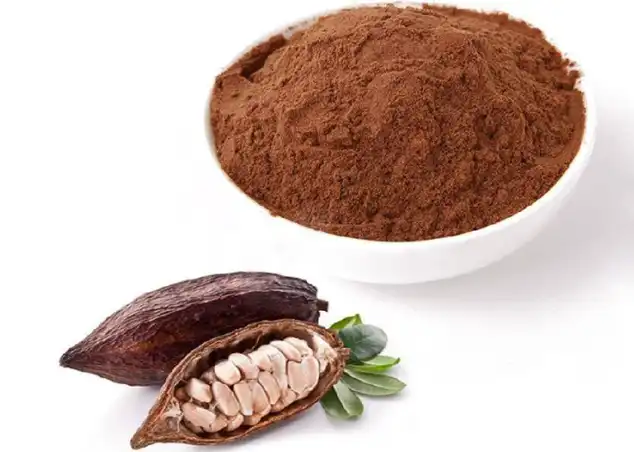
Professionals in sourcing need to know what makes fine Cocoa Seed Extract different from commodity-grade powders before they start talking about buying it. This plant-based ingredient comes from Theobroma cacao seeds and concentrates bioactive compounds by using special extraction methods that keep the medicine's therapeutic potential while getting rid of impurities.
What is Cocoa Seed Extract?
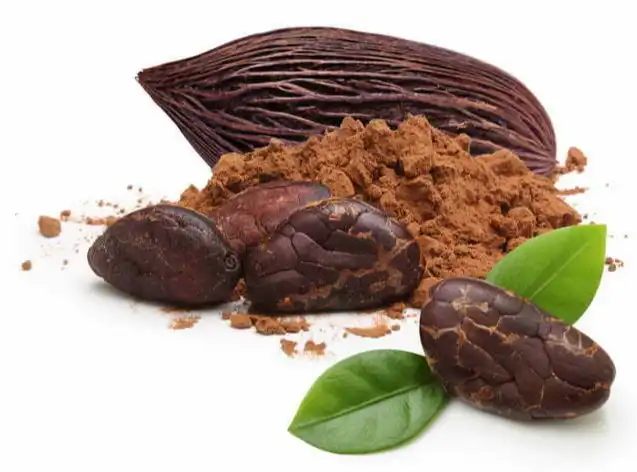
Advanced hydro-ethanol extraction methods are used to get this concentrated botanical ingredient from Theobroma cacao seeds. The fine brown powder that is made has a lot of polyphenols, mostly catechin, epicatechin, and procyanidins, as well as methylxanthines like theobromine and almost no caffeine. High-quality extracts keep the typical cocoa smell while being easier to dissolve than regular Cocoa Seed Extract.
Nutritional Profile and Bioactive Compounds
Its therapeutic value comes from the polyphenols it contains, which can be anywhere from 10% to 40% based on the amount of standardisation. Flavonoids can be anywhere from 1% to 20%, and theobromine levels can range from 4% to 98%, depending on the use. By getting rid of free radicals, these bioactives protect against free radicals, support heart health by making nitric oxide, and increase blood flow by widening blood vessels. The benefits come from better blood flow and antioxidant systems that help the brain work.
Application Versatility Across Industries
Cocoa polyphenols are used by supplement companies to make mood-boosting formulas, heart health pills, and antioxidant complexes. Its anti-inflammatory qualities are used by cosmetic companies to make anti-aging serums and skin barrier repair products. It is added to energy bars, drinks, and nootropic mixes by people who make functional foods. Animal nutritionists are looking into how it could be used in supplements for pets. Your buying needs will depend on what you're using it for, like whether you need a lot of theobromine for energy recipes or a lot of polyphenols for antioxidant claims.
Challenges in Sourcing Cocoa Seed Extract from China
There are many challenges in navigating the Chinese supply landscape for Cocoa Seed Extract, which can lower the quality of goods, cause delays, or cause problems with regulations. When buyers are aware of these problems ahead of time, they can take preventative steps instead of trying to fix problems after they happen.
Quality Inconsistencies and Purity Variations
A constant worry is that the quality of the extract can change. Some sellers of extracts make claims about their power that are too good to be true and can't be backed up by an independent lab. Formulation risks happen when there are differences between certificates of analysis and the actual composition of the product. The solvent used for extraction is very important. Hydro-ethanol methods keep the bioactivity while leaving no harmful residues. On the other hand, less effective methods may leave solvent traces or damage heat-sensitive compounds.
Certification Confusion and Gaps in Compliance
Even experienced buyers can get lost in the world of certifications. Not all ISO9001 certifications are equal, and some facilities keep records that are out of date. Organic certifications need more than just paperwork to be valid; being able to trace back to certified farms is important. For Halal and Kosher approvals to be valid, they must be regularly checked by recognised bodies. FDA registration doesn't mean that production methods will be approved by the FDA. Buyers need to know the difference between simple compliance and strong quality management systems that are backed by FSSC22000 or HACCP practices.
MOQ Pressures and Price Volatility
Minimum order amounts don't always work well with the needs for small-batch innovation or trial runs. Many manufacturers set industrial MOQs at 500 kg or more, which makes it hard for small businesses to try new formulations because they need cash flow. Price changes related to markets for raw cocoa beans make budgeting less certain. Rates of exchange add another variable. Before committing to bulk purchases, smart buyers look for sellers who allow flexible trial orders, preferably in sample sizes and small kg batches.
Supplier Reliability Assessment
Finding out if a provider is trustworthy from afar requires some detective work. Websites for businesses may show off impressive facilities that don't really show what they can do. Ratings on a trade site can be changed. References may be given only when needed. Physical checks are still useful, but they can't always be done. Buyers should ask for recent audit reports from a third party, check the validity of certifications with the organisations that gave them out, and insist on samples from current production runs instead of "reference samples."
Step-by-Step Approach to Finding Reliable Cocoa Seed Extract Suppliers in China
A structured buying technique lowers the risk of making a bad choice while also improving the results of choosing a seller. This step-by-step process starts with making sure the specifications are clear and ends with negotiating the contract.
Define Precise Product Specifications
Write down exactly what you need, like ratio extracts (4:1, 10:1), standardised flavonoid percentages (1%–20%), polyphenol ranges (10%–40%), or theobromine levels (4%–98%). Name the testing methods; UV and HPLC give varying levels of accuracy. Find out what qualifications your target markets need. Make it clear what the particle size requirements, moisture content limits, and microbiological standards are. Detailed specs get rid of confusion and make it possible to match buyers with suppliers.
Conduct Comprehensive Supplier Research
Use specialised trade platforms for plant ingredients instead of general markets. To meet producers in person, go to trade shows like SupplySide West, Vitafoods Asia, or CPHI China. Hire buying experts who know a lot about botanical ingredients and keep up-to-date networks of verified suppliers. Check out the websites of suppliers to see how technical they are. Reputable companies put out detailed product datasheets, application guides and analytical tools, not just marketing fluff.
Perform Initial Supplier Screening
Narrow down the prospects by checking their credentials. Check that your business is registered and that you have the right licenses to ship. Verify certifications by getting in touch with the organisations that issued them. Review the suppliers' product lines. Usually, suppliers that focus on Cocoa Seed Extracts do better than chemical sellers who deal in a wide range of chemicals. Check how well they can communicate and how technically competent they are during the first questions. Ask for pictures of the building and flowcharts of the process. Compare your planned volumes to the amount of production that can be done.
Request Samples and Conduct Independent Testing
Never rely on certificates of analysis from a supplier alone. Get samples from new production lots instead of old reference materials. Use approved outside labs to check for heavy metals (especially cadmium in cocoa goods), microbial contamination, and solvent leftovers, as well as to check for active ingredient levels using HPLC. Compare the colour consistency, particle regularity, and aroma characteristics of the product to the standards.
Negotiate Terms and Secure Support
Negotiating well is more than just setting prices per unit. Talk about fair payment terms that balance risk. Letters of credit offer security for both parties. Explain the difference between the lead times for normal orders and custom sales. Set up good ways to settle disagreements. Make sure that technical support is available for questions about formulation. Talk about trial order minimums before committing to large volumes. Everything should be written down in specific buying agreements.
Comparing Cocoa Seed Extract Products: What B2B Buyers Need to Know
Knowing what makes a product different helps you make better buying choices that are in line with your design goals and market positioning strategies. Even though they look the same, not all Cocoa Seed Extracts are the same in terms of their value.
Extract Types: Ratio vs. Standardized
Ratio extracts (4:1, 10:1) concentrate raw materials based on certain factors, but they can't promise that the bioactive levels will be the same from batch to batch. Standardised extracts with known amounts of polyphenols, flavonoids, or theobromine offer consistent strength, which is important for medical uses. Standardised choices are usually needed for dietary supplement brands that want to make specific health claims. Lower-priced ratio extracts may be used in functional foods that promote a wider range of health benefits.
Cocoa Extract vs. Other Antioxidant Sources
It helps to put your product in the right place by comparing cocoa polyphenols to green tea catechins, grape seed proanthocyanidins, or pine bark pycnogenol. Theobromine, a type of methylxanthine that is only found in Cocoa Seed Extract, gives you gentle energy without the jitters that caffeine does. Its high epicatechin content helps the heart in a way that other antioxidant sources don't. Using chocolate flavour notes makes you think of good things. Knowing these things that make them different helps with marketing claims and formulating that works better together.
Organic Certification Value Proposition
When something is certified organic, it usually costs 20–40% more than a regular grade. This investment provides proof of pesticide-free sources, appeals to consumers who like clean labels, and meets the needs of stores who need organic products. Certified organic options should be the first choice for companies that want to sell in natural health food stores, in Europe where organic rules are very strict, or in high-end markets. Standard food-grade material may be enough for brands that want to save money and sell through traditional store outlets.
Case Study: Successful Sourcing of Cocoa Seed Extract from China
Buying things in the real world can teach you more than just the best ways to do things. This case shows how structured diligence can help with common sourcing problems.
Client Background and Requirements
For a heart health formula, a European company that makes dietary supplements needed Cocoa Seed Extract that was standardised to 30% polyphenols. They wanted organic certification, heavy metal tests at the batch level, kosher certification, and 500 kg shipments every three months. In the past, suppliers sent products with uneven potency and bad solubility, which made it hard to make tablets.
Supplier Selection Process
The purchasing team looked at eight possible suppliers and chose the top three based on their FSSC22000 certification, organic qualifications, and ability to do HPLC tests in-house. They went to two sites in person to look at the extraction tools, quality control labs, and rules for storing raw materials. The chosen supplier had strong batch documentation systems that allowed them to show full traceability from certified organic cacao farms to finished powder.
Quality Validation and Ongoing Partnership
The first test on a sample showed that the polyphenol content was 31.2%, and there was great stability from batch to batch across five production lots. Cadmium amounts averaged 0.3 mg/kg, which is much lower than the 1.0 mg/kg standard set by the EU. The particle size distribution met the needs for tablet compression without any extra work being done. The provider helped with the client's individual formulation matrix and gave stability data for taste-masking techniques. After two years, the partnership has delivered 24 shipments in a row that met the requirements. On average, it took 18 days from the time of the order to the time of delivery.
Key Success Factors
Several important factors led to this relationship's success: clear communication of specifications from the start, independent confirmation instead of trusting assumptions, facility audits that showed what the capabilities were, flexible trial orders that reduced initial risk, and ongoing technical collaboration beyond transactional supply. The supplier's willingness to meet custom packaging and documentation needs for entering the European market added a lot of value that wasn't related to price.
Conclusion
Finding trustworthy Cocoa Seed Extract from China means finding a balance between quality control, following the rules, and making the supply chain work as efficiently as possible. A successful procurement relies on clear specifications, careful screening of suppliers with independent testing, and partnerships with makers who can offer technical help and clear traceability. Buyers can get consistent raw materials that meet formulation needs by learning about bioactive profiles, comparing product types, and using structured evaluation methods. This lowers the risks that come with quality variation, certification gaps, and sources that can't be trusted. Putting money into carefully screening suppliers pays off in the long run by keeping supply chains stable and making sure that products work as expected.
FAQ
1. How can I verify the authenticity and purity of cocoa extract?
Ask for detailed certificates of analysis that show the results of the HPLC test for theobromine and polyphenols. Hire third-party labs that are recognised by the industry to test samples from current production runs on their own. Instead of accepting photocopies, check the validity of the certification by calling the organization that issued it directly. Ask for batch tracking paperwork that connects the source of the finished Cocoa Seed Extract to the source of the raw materials. Suppliers who are good at what they do make analysis data easy to access and welcome independent proof.
2. What certifications should cocoa extract manufacturers hold?
Some important certifications are ISO9001 for quality management systems, FSSC22000 or HACCP for food safety protocols, and the right organic certifications if you want to say that your business is organic. Kosher and Halal certifications are important for some markets. FDA registration means that you can export, but it doesn't mean that you don't have to follow GMPs. Suppliers that work with pharmaceutical applications should show more proof of their legal qualifications. Check the validity of the certification—certifications that are outdated or stopped are useless.
3. What are typical lead times when ordering from China?
Sample orders from stock usually get sent out within three to five business days. Standard commercial sales usually take 15 to 20 days from the time the purchase order is confirmed until they leave. Custom formulas or amounts that aren't in stock may make delivery times 25–35 days longer. Depending on the ports of destination, ocean freight adds 20 to 40 days to the journey time. Air freight cuts the time to 7 to 10 days, but it costs more. Within 5 to 7 work days, express transport services can send samples all over the world. Suppliers with a lot of experience keep common specs in stock so that they can ship quickly.
Partner with KH for Premium Cocoa Seed Extract Supply
Kingherbs Limited brings over 25 years of botanical ingredient expertise to your Cocoa Seed Extract sourcing needs as a trusted manufacturer and supplier. We maintain complete supply chain control from certified planting bases through advanced hydro-ethanol extraction to finished powder production, ensuring consistent quality and authentic bioactive content. Our Cocoa Seed Extract offerings span ratio extracts (4:1, 10:1) through highly standardized options (polyphenols 10-40%, theobromine 4-98%, flavonoids 1-20%), all tested via UV/HPLC methods and certified under ISO9001, FSSC22000, KOSHER, HALAL, and HACCP protocols.
We understand the challenges procurement managers face—that's why we offer flexible trial orders starting from sample quantities, maintain ready stock for prompt shipment within 3-5 days, and provide comprehensive technical support including HPLC component spectra, formulation optimization assistance, and stability testing collaboration. Our pure water and edible ethanol extraction process eliminates harmful solvent residues while preserving full therapeutic potential, delivering exceptional solubility and characteristic cocoa aroma. Whether you're formulating cardiovascular supplements, mood-enhancing nutraceuticals, or antioxidant cosmetics, our application laboratory supports your development from concept through commercialization. Contact our team at info@kingherbs.com to discuss your specific Cocoa Seed Extract requirements and experience the difference that end-to-end traceability and technical partnership deliver.
References
1. Cooper, K. A., Donovan, J. L., Waterhouse, A. L., & Williamson, G. (2008). "Cocoa and Health: A Decade of Research." British Journal of Nutrition, 99(1), 1-11.
2. Rusconi, M., & Conti, A. (2010). "Theobroma cacao L., the Food of the Gods: A Scientific Approach Beyond Myths and Claims." Pharmacological Research, 61(1), 5-13.
3. Hurst, W. J., Stanley, B., & Glinski, J. A. (2011). "Characterization of Primary Standards for Use in the HPLC Analysis of the Procyanidin Content of Cocoa and Chocolate Containing Products." Molecules, 16(12), 9710-9718.
4. Andrés-Lacueva, C., Monagas, M., Khan, N., & Izquierdo-Pulido, M. (2008). "Flavanol and Flavonol Contents of Cocoa Powder Products: Influence of the Manufacturing Process." Journal of Agricultural and Food Chemistry, 56(9), 3111-3117.
5. Rios, L. Y., Bennett, R. N., Lazarus, S. A., & Rémésy, C. (2003). "Cocoa Procyanidins are Stable During Gastric Transit in Humans." American Journal of Clinical Nutrition, 77(5), 1156-1163.
6. Keen, C. L., Holt, R. R., Oteiza, P. I., Fraga, C. G., & Schmitz, H. H. (2005). "Cocoa Antioxidants and Cardiovascular Health." American Journal of Clinical Nutrition, 81(1), 298S-303S.
Send Inquiry
_1779935763194.webp "Purple Sweet Potato Extract")
Related Industry Knowledge
- What are the main benefits of Ivy Extract Powder for skin care?
- Why Do Manufacturers Prefer Natural Artemisinin Powder Extracts?
- Is Watermelon Powder Effective in Pre-Workout Blends?
- Organic Couch Grass Rhizome Extract for Premium Supplements
- Apple Root Extract Properties and Active Compounds
- What Makes Couch Grass Rhizome Extract Unique?
- Why Is Macleaya Cordata Extract Popular in Animal Nutrition?
- Couch Grass Rhizome Extract: Traditional Detox Powerhouse
- Consumer Guide: Mango Leaf Extract Powder Benefits & Uses
- Mulberry Leaf Extract Powder for Advanced Blood Sugar Support