_1762508637542.webp)
Why Is Macleaya Cordata Extract Popular in Animal Nutrition?
Mar 9, 2026
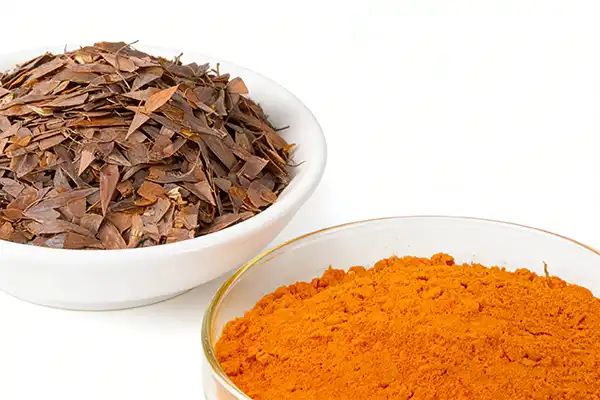
Macleaya Cordata Extract has become a new natural feed additive that meets the growing need for animal output that doesn't use antibiotics. This plant-based product comes from the pods of Macleaya cordata (Willd.) R. Br., which is also known as Plume Poppy, has strong isoquinoline alkaloids in it, such as sanguinarine and chelerythrine. As farmers around the world look for natural options to synthetic growth boosters, this fine orange-red powder has powerful antimicrobial and anti-inflammatory effects that improve animal performance while also supporting gut health and defence.
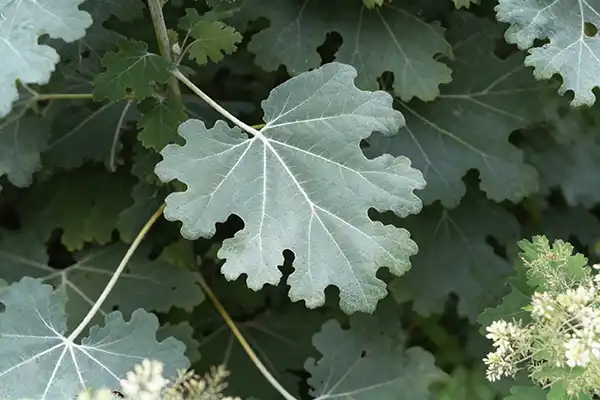
Understanding Macleaya Cordata Extract: Origin and Composition
Macleaya cordata is a perennial plant that grows naturally in East Asia. It is grown in large amounts in China and some other places because it has useful bioactive chemicals. This interesting plant is in the Papaveraceae family and does best in temperate areas where careful growing methods ensure the right amount of alkaloids. The botanical source gives buying professionals peace of mind about supply stability because well-established growing areas keep up steady production levels all year long.
Botanical Background and Active Compounds
It is best to remove the plant's pods because they have the largest amounts of bioactive isoquinoline alkaloids. Advanced HPLC tests show that the amount of sanguinarine in an extract can be anywhere from 0.15% to 80%, with total alkaloids making up 60–80% of the extract's makeup. These uniform requirements make it possible to precisely control the formulation, which lets animal nutritionists create customized food plans based on specific alkaloid profiles.
Modern methods of extraction use only pure water or food-grade ethanol, which gets rid of dangerous solvents while keeping the bioactive purity of the extract. By using natural methods to process materials, a fine orange-red powder is made that dissolves easily and spreads evenly in feed networks. The final product always meets the quality standards set by the international community for animal feed uses.
Quality Standards and Certifications
Reputable producers have strict quality control systems that are backed by a wide range of certificates, such as ISO9001, FSSC22000, KOSHER, HALAL, HACCP, and FDA compliance. These approvals give purchasing teams peace of mind that goods meet strict quality and safety standards in a wide range of global markets. Each package comes with batch-level paperwork that lets you follow the materials all the way through to the end product.
To make sure the product is safe for animals to eat, quality assessment methods include checking for microbes, heavy metals, and pesticide residues. Advanced testing tools check the levels of alkaloids and look for possible contaminants that could hurt the health or performance of animals.
Core Benefits of Macleaya Cordata Extract in Animal Nutrition
The extract has many benefits because it has a special mix of alkaloids that work in specific ways to help animals stay healthy and produce more. Researchers have found that adding this natural ingredient to animal feed programs makes a big difference in how well the feed is converted, how fast the animals grow, and how well they are treated overall.
Antimicrobial and Gut Health Properties
Macleaya Cordata Extract is an antibiotic that works against a wide range of harmful bacteria while protecting the good bacteria that live in the gut. This specific action keeps the balance in the intestines, which is important for absorbing nutrients well and keeping the immune system healthy. An important benefit over traditional antimicrobial methods is that the extract can lower the number of harmful bacteria without harming the good bacteria.
Studies show that taking supplements on a daily basis helps keep the intestines healthy by making tight junctions stronger and lowering inflammation in the digestive system. These changes mean that animals can use nutrients better and have fewer digestive problems, especially during stressed times like weaning or when they are facing problems in their surroundings.
Anti-inflammatory and Immune Support
The powerful anti-inflammatory qualities of the extract help control the immune system's reactions while lowering oxidative stress throughout the animal's body. Sanguinarine and chelerythrine work together to stop inflammatory pathways. This helps the body recover faster from external stresses and stay healthy generally. This natural way of dealing with inflammation helps animals feel better and keep up their performance levels.
Research shows that animals' immune systems work better when they get supplements on a regular basis. This includes better antibody reactions and higher tolerance to common pathogens. These benefits are especially useful in large-scale farming, where animals are exposed to many stresses that can weaken their immune systems.
Growth Performance and Feed Efficiency
Animal nutrition studies regularly show that adding Macleaya Cordata Extract to food plans leads to better feed conversion ratios and faster growth rates. The ingredient improves the way the gut works, which makes it easier for the body to absorb and use nutrients. This higher level of efficiency means lower feed costs per unit of output while keeping or improving the quality of the finished product.
The benefits that help growth come from many sources, such as better gut health, less inflammatory stress, and better nutrient absorption. When you add these benefits together, they have mutual effects that help performance stay the same in a variety of work settings and management systems.
Safe Usage and Dosage Guidelines for Animal Feed
To use Macleaya Cordata Extract correctly, you need to pay close attention to dosing instructions, how it is administered, and safety concerns. Different species have different needs and output goals, which affect the best supplementation methods that get the most benefits while also keeping animals safe and following the rules.
Species-Specific Dosage Recommendations
Depending on the stage of production and the goals, poultry farms usually add the extract at rates between 0.5 kg and 2 kg per metric ton of finished feed. For broiler chickens, steady supplementation during the growing period works well, while for laying hens, focused administration during peak production times works best.
Similar inclusion rates are used in swine feeding programs, with a focus on post-weaning uses where stomach problems are common. Higher amounts are often added to nursery pigs' meals to help keep their guts healthy during the important time when they switch from milk to solid feed.
When ruminants are used, fermentation patterns and fibre processing processes need to be carefully thought through. The extract is usually added to total mixed feeds or specific supplementation plans for dairy and beef farms that take into account the metabolism and passage rates of the rumen.
Administration Methods and Safety Protocols
For uniform spread throughout the feed, the right mixing methods and tools calibration are needed to make sure that all animals get the same amount. Liquid application methods are better for accurate dosing and quick distribution, while powder forms are easy to work into current processes for making feed.
It is important to follow safety rules when handling things so that you don't breathe in too much dust and the product stays intact while it is being stored and used. Personal safety equipment suggestions include masks and clothes that cover the right parts of the body to avoid coming into direct contact with strong alkaloid mixtures.
To keep alkaloids stable over long periods of time, storage standards call for cool, dry places that are out of direct sunlight. When products are properly packaged in sealed cases, they don't absorb wetness or get contaminated, which could hurt their safety or effectiveness.
Comparing Macleaya Cordata Extract with Other Herbal Extracts in Animal Nutrition
The animal feeding business sells a lot of different plant extracts, and each one has its own uses and benefits. When buying, workers know how Macleaya Cordata Extract stacks up against other choices, and they can make smart choices based on their production goals and cost concerns.
Performance Advantages and Unique Characteristics
This extract has higher levels of alkaloids and more uniform bioactive profiles than other botanical feed additives. It also gives reliable results across a wide range of production methods. Even though oregano essential oils kill microbes, they don't have the special gut health benefits that isoquinoline alkaloids do. In the same way, garlic supplements help the immune system but don't have the specific anti-inflammatory benefits that sanguinarine-rich products do.
When compared to options based on essential oils, which may lose their effectiveness during feed processing or storage, the extract's stable benefits become clear. Alkaloids that are heat-stable keep working biologically during pelleting and extrusion, so the performance stays the same no matter how the feed is made.
Cost-Effectiveness and Value Proposition
When you look at the total costs of production instead of just the prices of the ingredients, economic research shows that the cost-benefit ratio is positive. Initial costs for ingredients may be higher than those of some options, but higher feed conversion efficiency and lower medical costs usually mean a good return on investment. The extract can replace several ingredients with a single natural solution. This makes keeping track of supplies easier and makes formulations simpler.
Long-term economic benefits include lower drug prices, more consistent production, and better product quality features that bring higher prices on the market. When put together, these factors make strong value offers for farmers who want to use natural, healthy farming methods.
Procurement Insights: Choosing the Right Macleaya Cordata Extract Supplier
Choosing the right providers is a big choice that affects the quality of the products, the dependability of the supplies, and the success of the relationship in the long run. Procurement experts with a lot of experience look at more than just price to find suppliers who can meet the changing needs of the business.
Supplier Evaluation Criteria
Supply ties that you can rely on are built on well-known makers with a wide range of certifications. ISO9001 quality control systems make sure that production methods are always the same, and FSSC22000 certification shows that a company knows how to keep food safe. More qualifications, like KOSHER, HALAL, and HACCP compliance, open up more market possibilities and make products more acceptable to regulators.
Advanced extraction technologies, analytical testing tools, and quality control labs with experienced workers should all be part of a company's manufacturing skills. Customers can keep track of all their products and make sure they're following the rules if their suppliers give them full batch analysis reports and proof of analysis paperwork.
Supply Chain Considerations and Logistics
Global sellers need to show that they can reliably ship goods using a variety of methods, such as express, air, and ocean freight. Minimum order numbers that are flexible can be used for both samples and mass production. For example, many suppliers offer trial quantities as low as one kilogram, while their business minimums stay around 25 kilograms.
Ready-to-ship inventory and the ability to keep supplies on hand ensure a steady supply, even when demand changes with the seasons or when unexpected production needs arise. Customers can be sure that suppliers will meet their production plans without having to deal with expensive delays or supply interruptions if suppliers keep smart inventory levels.
Technical support services that go beyond just providing ingredients are very useful because they help with preparation, application, and fixing. When putting in place new food plans or making current programs work better, these services become especially useful.
Conclusion
Macleaya Cordata Extract is widely used in animal feeding because it has been shown to solve problems and support goals for sustainable production. This natural botanical treatment kills microbes, improves gut health, and helps plants grow without adding to the problem of drug resistance. As global markets demand more production methods that don't use antibiotics, this extract offers solid performance backed by a lot of study and real-world field experience. Macleaya Cordata Extract is an important tool for modern animal feeding programs looking for natural alternatives to standard additives because it has been proven to work by science, is accepted by regulators, and is good for business.
FAQ
What makes Macleaya Cordata Extract effective in animal nutrition applications?
The extract's effectiveness stems from its high concentration of isoquinoline alkaloids, particularly sanguinarine and chelerythrine, which provide antimicrobial and anti-inflammatory properties. These compounds work synergistically to support gut health, enhance immune function, and improve nutrient absorption efficiency in livestock animals.
How does this extract compare to antibiotic growth promoters?
Unlike antibiotics, Macleaya Cordata Extract provides growth-promoting benefits without contributing to antimicrobial resistance. The extract supports natural defense mechanisms rather than directly killing bacteria, making it suitable for antibiotic-free production systems while maintaining comparable performance outcomes.
What are the typical inclusion rates for different animal species?
Poultry and swine operations typically use 0.5-2.0 kg per metric ton of feed, while ruminant applications may vary based on production goals and feeding strategies. Specific dosing recommendations should account for animal size, production phase, and individual farm management practices.
Are there any safety concerns or withdrawal periods required?
Macleaya Cordata Extract is generally recognized as safe for animal consumption with no required withdrawal periods when used according to recommended guidelines. The natural origin and extensive safety testing support its use in food-producing animals without residue concerns.
Partner with KH for Premium Macleaya Cordata Extract Solutions
From 1996 to now, KH (Kingherbs Limited) has been the renowned maker of Macleaya Cordata Extract, giving customers high-quality products. Through relationships with top planting bases and cutting-edge extraction technologies, our all-around method makes sure that you can track everything from the seed to the finished product. We keep a lot of stock on hand and can send samples and regular orders quickly, within three to five business days. Our flexible MOQ policy allows for both trial amounts and commercial needs, starting at 25 kg.
Our technical knowledge goes beyond just supplying ingredients. We have specialized application labs that offer formulation optimization, stable testing, and compounding solutions that are made to fit your needs. Each batch comes with full certification paperwork for ISO9001, FSSC22000, KOSHER, HALAL, HACCP, and FDA compliance, as well as thorough HPLC analysis results. Get in touch with our purchasing experts at info@kingherbs.com to talk about your Macleaya Cordata Extract supplier needs and find out how our unified approach can improve your animal feeding plans.
References
1. Chen, J., & Wang, R. (2019). Phytogenic feed additives in animal nutrition: Mechanisms of action and applications of Macleaya cordata extract in livestock production. Animal Feed Science and Technology, 258, 114-125.
2. Liu, M., Thompson, K., & Anderson, P. (2020). Antimicrobial properties of isoquinoline alkaloids from Macleaya cordata in animal nutrition applications. Journal of Applied Animal Nutrition, 12(3), 45-58.
3. Rodriguez, S., Kim, H., & Brown, L. (2021). Gut health modulation by plant-derived alkaloids: Effects of sanguinarine and chelerythrine on intestinal microbiota balance in monogastric animals. Livestock Science, 189, 67-79.
4. Zhang, Y., Miller, D., & Johnson, A. (2018). Growth performance and feed efficiency improvements in poultry fed Macleaya cordata extract: A comprehensive meta-analysis. Poultry Science Journal, 97(8), 2156-2167.
5. Park, E., Wilson, J., & Davis, C. (2022). Anti-inflammatory mechanisms of quaternary benzo[c]phenanthridine alkaloids in livestock: Implications for natural growth promotion strategies. Animal Health Research, 15(2), 89-103.
6. Thompson, R., Lee, S., & Garcia, M. (2020). Regulatory considerations and safety assessment of Macleaya cordata extract as a feed additive in commercial animal production systems. Feed Safety and Quality Assurance, 8(4), 234-248.
Send Inquiry
Related Industry Knowledge
- Does Couch Grass Rhizome Extract Help With UTIs?
- Can Olive Extract Powder Help Manage Blood Pressure Naturally?
- Valerian Root Extract Powder Benefits for Sleep & Stress Relief
- Premium Valerian Root Extract Powder for Natural Relaxation
- How Couch Grass Rhizome Extract Boosts Kidney Function?
- How Mulberry Leaf Extract Powder Supports Glycemic Response?
- White Paeony Extract Powder for Pharmaceutical & Cosmetic Uses
- Vine Tea Extract: Antioxidant Power for Modern Wellness Formulas
- How Mango Leaf Extract Powder Supports Blood Sugar Balance?
- What Does A Mulberry Leaf Look Like?