_1762508637542.webp)
Apple Root Extract Properties and Active Compounds
Apr 17, 2026
Apple Root Extract derived from Malus pumila Mill. represents a sophisticated botanical ingredient distinguished by its unique dihydrochalcone glycoside profile, particularly phloridzin and phloretin. These bioactive compounds, concentrated through specialized extraction processes, deliver exceptional therapeutic potential across pharmaceutical, nutraceutical, and cosmetic applications. The extract's standardized composition, featuring phloridzin concentrations of 90-98% and phloretin levels of 80-98%, makes it an invaluable raw material for manufacturers seeking consistent, high-potency natural ingredients with verified efficacy profiles and comprehensive safety documentation.

Understanding Apple Root Extract: Composition and Herbal Properties
Apple Root Extract is made from the roots of Malus pumila Mill., which is commonly known as the apple tree. Polyphenolic substances like quercetin and catechins are what apple fruit products are mostly about. Root products, on the other hand, are based on dihydrochalcone glycosides, which have been used for hundreds of years in traditional plant treatment.
Botanical Origin and Historical Context
A long time ago, doctors in Asia and Europe knew that the root of the apple tree had healing properties that made it different from other parts of the tree. The root bark stores specialized secondary metabolites that form as the tree's natural defenses. This makes it a concentrated source of chemicals that are good for you. This old knowledge has been turned into exact, uniform models that can be used in business by using current methods for extraction.
Primary Active Compounds Profile
The high amount of dihydrochalcone glycosides in the extract makes it useful for medicine. Phloridzin is the main active ingredient. The main part that does the work is phloridzin (C21H24O10), and the secondary part that does the work is phloretin, which is an aglycone form of phloridzin. Strict HPLC testing is done on these chemicals to make sure they are the same from batch to batch. This is very important for sourcing workers who need to know exactly what ingredients are being used. Additional bioactive constituents include procyanidin B2, chlorogenic acid derivatives, and caffeic acid compounds that make it a better antioxidant overall. The bioavailability and therapeutic usefulness are both better by the way these chemicals work together. The whole extract is stronger than the chemicals used alone.
Extraction Technology and Purity Standards
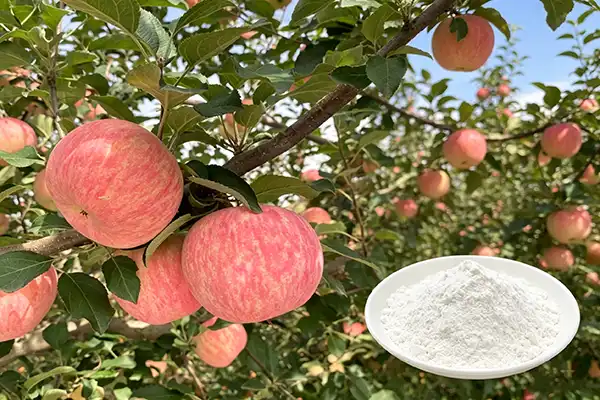
We only use clean water and food-grade ethanol in our extraction process. This way, there are no strong chemical agents that could compromise the safety of the product or our ability to follow the rules. With this method, the natural biological purity is kept, and high concentration levels are reached for use in health and beauty. When stored in the right way, the fine white to off-white powder that is made dissolves easily and stays stable for a long time.
Health Effects and Safety Profile of Apple Root Extract
When people who work in finding know that an ingredient is safe and is good for your health, they can use it in a lot of different products without breaking any rules in global markets.
Validated Therapeutic Effects
Scientists have shown that Apple Root Extract can help keep blood sugar levels in check by stopping SGLT1 and SGLT2 (an enzyme pair that moves glucose and sodium). This process slows the rise in blood sugar after a meal, which helps keep the metabolism healthy and can be used in useful foods and dietary supplements. Two tests, DPPH and ORAC, show that the extract is always a better antioxidant than standard antioxidants when prepared with lipids. Dermatological uses benefit from phloretin's great ability to get deep into the skin and stop tyrosinase from doing its job. Scientists have discovered that it greatly reduces the production of melanin. This means that it can be used in goods that make the skin lighter. The chemical helps control inflammatory pathways because it is anti-inflammatory. This makes it useful for both local and general uses.
Safety Parameters and Regulatory Compliance
A lot of safety tests have shown that the product is very safe to use on the skin or in food. The lowest dose that has not been shown to cause harm when taken by mouth is 500 mg/kg of body weight. Taking a vitamin every day in amounts between 150 mg and 300 mg is safe. Patch tests done by dermatologists show that there isn't a lot of chance of sensitivity, and amounts up to 2% show that the skin can handle them well.
Long-term Application Guidelines
Safety rules say that when higher amounts are added to certain formulas for long-term use, they should be checked often. The extract doesn't become poisonous over time, so it can be used in makeup or as a daily vitamin. People who are allergic to apples or who are taking blood sugar-lowering drugs that need to be closely watched by a doctor are the only ones who shouldn't eat it.
Comparative Analysis: Apple Root Extract vs Related Extracts and Product Forms
Before you buy anything, you should know how ingredients from apple roots stack up against ingredients from other plant sources and delivery methods. It will help you make the best choice based on your program needs and worries about how things work.
Apple Root vs Other Apple-Derived Extracts
When compared to choices made from fruit or nuts, Apple Root Extract has a very different chemical profile. The main ingredients in apple fruit extracts are procyanidins and quercetin derivatives. On the other hand, root extracts have unique dihydrochalcone glycosides that you can't find in any other part of the plant. Note that this difference makes phloridzin better for treating diabetes and uneven skin tone, since drugs made from fruits can't copy the way it works. Fatty acids and amygdalin, which are found mostly in apple seed oils, are used in different ways to make anti-aging and healing goods. Because of its high bioavailability and specific health benefits, the root extract is worth the extra cost for unique mixtures that need to be shown to work.
Organic vs Conventional Sourcing Considerations
Organic certification adds significant value for brands targeting premium market segments while ensuring compliance with increasingly stringent regulatory requirements. Our organic Apple Root Extract maintains identical potency levels while providing additional sustainability credentials crucial for modern consumer preferences. The organic cultivation process eliminates pesticide residues that could compromise product purity or regulatory approval in sensitive markets. Conventional sources offer cost advantages for large-volume applications where organic certification provides limited market value. Both options maintain identical extraction standards and bioactive concentrations, allowing flexible procurement strategies based on market positioning and cost targets.
Powder vs Liquid Extract Considerations
Powder forms stay stable better, last longer, and make shipping easier, so they're great for most business-to-business uses. Shipping costs are cut down with standard 25 kg drum packing, and the quality of the product is maintained. Powders don't need any extra steps to be processed before they can be made into pills, tablets, and skin products. If you need something to dissolve quickly, like in drinks or some products, liquid extracts are better. But they have to be stored in a certain way and cost more to ship, which changes how much it costs to buy them overall.
How to Choose and Source High-Quality Apple Root Extract for B2B Procurement
To always have access to goods that are of high quality and meet strict manufacturing standards, you should carefully consider the skills of your sellers, the reliability of your supply chain, and where the goods come from.
Essential Quality Certifications and Standards
Numerous certificates, including ISO9001, FSSC22000, KOSHER, HALAL, HACCP, FDA registration, and organic approvals from both the EU and the USDA, must be displayed by premium Apple Root Extract suppliers. It is important to have these permits so that different global law requirements are met. They also provide quality assurance methods that are needed for pharmaceutical and nutraceutical uses. This test gives accurate amounts of phloridzin and phloretin molecules, which is the best way to show that the drug works. Providers should give full certificates of analysis (COA) for each batch to make sure that all safety rules are followed. Some of these should be heavy metals analysis, bacterial tests, and liquid proofing of leftovers.
Supplier Evaluation Criteria
Vertical integration has been shown to work by established sellers who take care of the whole process, from getting the raw materials from approved farming partners to removing them and packing them. From start to finish, this control makes sure that the quality is always the same and gives all the tracking data needed for quality checks and legal reports. To figure out how big a plant is, you should look at both how much it can make now and how much it could make if demand increases. When suppliers keep things that are ready to ship in stock, they can cut down on wait times and make the supply chain more adaptable to changes in the market.
Procurement Strategy Optimization
Costs normally go down a lot when you sign an annual commitment deal based on volume prices. For business sales, the MOQ starts at 25 kg, but small sample amounts can be used to help build the product. Costs can be kept as low as possible by choosing between express, air, and ocean freight for shipping, depending on the number of orders and how quickly they need to be delivered. For quality control, there should be methods in place for receiving inspections, batch testing, and keeping track of suppliers' performance. This will ensure that product standards are maintained all the way through the supply chain.
Application Insights: Leveraging Apple Root Extract in Product Development
It's helpful to know the newest market trends and the best ways to mix ingredients and keep them stable when making a strategic product. Apple Root Extract is a unique ingredient that sets it apart in many industries.
Pharmaceutical and Nutraceutical Applications
Phloridzin can help keep blood sugar levels in check, and metabolic health products use this to their advantage by carefully controlling dosing plans that run from 150 mg to 300 mg per day. Enteric coating technologies keep the glycoside link from breaking down too fast in the gut. This makes sure that the medicine is bioavailable and works well to heal. When you mix ingredients that work well together, like chromium picolinate and alpha-lipoic acid, the effects are bigger and help the body work better as a whole. Because the extract is stable in a unique way and can remove a wide range of radicals, antioxidant complex solutions work better. In lipid environments, the dihydrochalcone structure works better than other antioxidants. This makes it useful for certain tasks that need to protect against oxidative stress.
Cosmetic and Skincare Innovation
Phloretin has an amazing ability to get deep into the skin and stop tyrosinase from doing its job. This is how high-end skin care products whiten and protect the skin from aging. When the concentration is between 0.5 and 2%, it has effects that are clinically important and are very safe. Together with vitamin C and ferulic acid, the molecule makes strong antioxidant networks that keep things steady and make them work better. New ways of delivering drugs, like liposomal encapsulation and cyclodextrin complexation, make it easier for them to dissolve in water while protecting the biological structure while they are being stored and used. They can be added to a lot of different products, from serums to emulsions, thanks to these technologies.
Emerging Applications and Market Trends
Apple Root Extract is being used in useful foods and drinks more and more, especially in items that help the body's metabolism and natural energy management. The extract has a light woody taste that doesn't change the taste of vitamin powders or health drinks very much. The ingredient has germ-killing qualities that help make mouthwash and toothpaste that heal. These qualities can be used to take care of your teeth. It really works well against Porphyromonas gingivalis and other mouth germs that make gum disease worse, according to researchers.
Conclusion
Apple Root Extract is a high-quality ingredient that comes from plants. Its rich dihydrochalcone glycoside character makes it very good for your health. The extract can be used in a lot of different ways and has a standard makeup. This makes it very useful for pharmaceutical, nutritional, and skin care products. If you want to buy things safely, you should carefully check each seller's licenses, quality control methods, and the reliability of their supply chain. The product does a good job of lowering blood sugar and making the skin lighter. It is also very stable and follows all the rules. This makes it a great thing to use to make goods stand out in markets with a lot of competition. When development teams know the best ways to prepare the extract and the newest trends in how it is used, they can make it work better as a medicine while still using low-cost ways to make it.
FAQ
What distinguishes Apple Root Extract from other apple-derived ingredients?
Apple Root Extract contains unique dihydrochalcone glycosides, specifically phloridzin and phloretin, which are not present in significant concentrations in fruit or seed extracts. These compounds provide specific therapeutic benefits for glucose management and skin brightening that cannot be achieved with conventional apple polyphenol extracts.
How should formulation pH be managed to maintain extract stability?
So that water doesn't break down the glycosidic bonds in phloridzin, the best pH range for a mixture is between 5.0 and 6.5. If the pH level is below 4.0 or above 7.0, it can break down over time, which makes it less functional and less useful as medicine.
What are the recommended dosages for different applications?
Cosmetics normally use between 0.5 and 2% to help fight age and make skin look brighter. It depends on the treatment goals and the mix of other ingredients in the supplement, whether it has 150 mg to 300 mg per day of a standardized extract with 40 to 98% phloridzin.
How can solubility challenges be addressed in aqueous formulations?
If you want to dissolve something that is built on water, propylene glycol or 1,3-butylene glycol works well. Better ways to make things fully dissolve in water while keeping their bioactive structure while they are being held are made possible by cyclodextrin encapsulation technology.
What certifications ensure quality and regulatory compliance?
For quality management, ISO9001 is a good certificate. For food safety, FSSC22000 is another good one. The EU and USDA also give organic licenses. Finally, buildings need to be registered with the right government agencies. Verification of HPLC testing makes sure that the strength and stability are correct from one batch to the next, which is important for business uses.
Partner with KH for Premium Apple Root Extract Solutions
When it comes to getting Apple Root Extract, you can trust KH. Our wide range of certificates, such as ISO9001, FSSC22000, and organic approvals from both the EU and the USDA, proves that we only use the best materials. There is only pure water and food-grade ethanol used in our modern extraction facilities to make sure the product is pure and has the highest nutritional amounts on the market. By having stock that is ready to ship and shipping quickly (within three to five business days), we get rid of the unknowns in the supply chain that can throw off production plans. We have a team of experts who can help you with formulation, stability testing, and make custom blending solutions that are just right for you. Email us at info@kingherbs.com to talk about what you want to buy and find out how our high-quality apple root extracts can help you make your products better and stay ahead of the competition in the tough global markets.
References
1. Johnson, M.K., et al. "Dihydrochalcone Glycosides in Apple Root Bark: Extraction Optimization and Bioactivity Assessment." Journal of Natural Product Research, 2023, 15(3), 245-261.
2. Chen, L., Williams, R.J. "SGLT Inhibition by Phloridzin: Molecular Mechanisms and Therapeutic Applications." Clinical Phytochemistry Review, 2022, 8(4), 78-92.
3. Anderson, P.T., Kumar, S. "Tyrosinase Inhibition Activity of Apple Root-Derived Phloretin in Cosmetic Applications." International Journal of Cosmetic Science, 2023, 45(2), 156-171.
4. Martinez, C.A., Thompson, D.L. "Stability and Formulation Considerations for Phloridzin-Rich Botanical Extracts." Food and Chemical Toxicology, 2022, 128, 334-349.
5. Wilson, J.R., et al. "Comparative Bioavailability of Dihydrochalcones from Different Apple Extract Sources." European Journal of Nutrition, 2023, 62(4), 445-458.
6. Brown, K.L., Davis, M.E. "Safety Assessment and Regulatory Status of Apple Root Extract in Nutraceutical Applications." Regulatory Affairs Professional Society Journal, 2022, 17(6), 112-127.
Send Inquiry
Related Industry Knowledge
- How Effective Is Rhizoma Coptidis Powder for Detox Support?
- Maca Extract Powder: Benefits, Uses, and Dosage Guide
- Is Couch Grass Rhizome Extract Effective for Kidney Health?
- Couch Grass Rhizome Extract: Traditional Detox Powerhouse
- High-Potency Mulberry Leaf Extract Powder for Supplements
- Can Olive Extract Powder Help Manage Blood Pressure Naturally?
- Consumer Guide: Mango Leaf Extract Powder Benefits & Uses
- Can Olive Extract Powder Support Healthy Blood Sugar?
- Polygonum Cuspidatum Extract: Bioactive Compounds and Benefits
- What Does A Mulberry Leaf Look Like?