_1762508637542.webp)
What are the main benefits of Ivy Extract Powder for skin care?
Jul 13, 2026
Ivy Extract Powder has standardised bioactive saponins, especially Hederacoside C, that improve microcirculation, help the skin detoxify, and soothe irritated or inflamed tissue. These benefits are especially important for current skin care products. This plant ingredient comes from Hedera helix leaves and is extracted in a controlled way. It helps with important formulation problems in makeup, like the need for natural anti-inflammatory agents, antioxidant protection, and better skin barrier function. It is a good choice for procurement managers who want active ingredients that can be used in a variety of ways and are clinically useful. These ingredients also fit with clean beauty trends and regulatory standards.
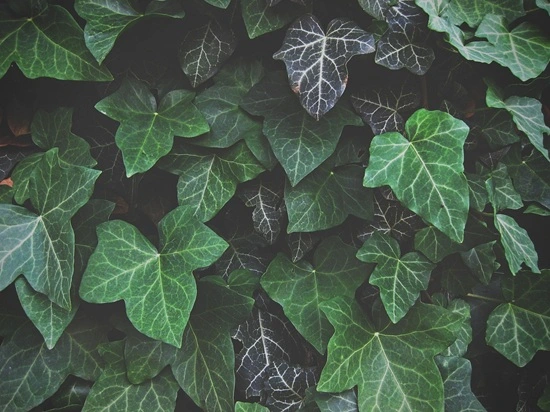
Understanding Ivy Extract Powder and Its Skin Care Benefits
What Is Ivy Extract Powder?
Ivy Extract Powder is a concentrated plant mixture made with food-grade ethanol or pure water, never dangerous solvents. This method keeps the bioactive chemicals' integrity while making sure they dissolve, flow, and stay stable at the best levels for a wide range of industrial uses. The extract is available in standard amounts ranging from 1% to 10% Hederacoside C and 5% to 30% total hederacosides (as confirmed by HPLC). The strength of the extract stays the same from one production batch to the next.
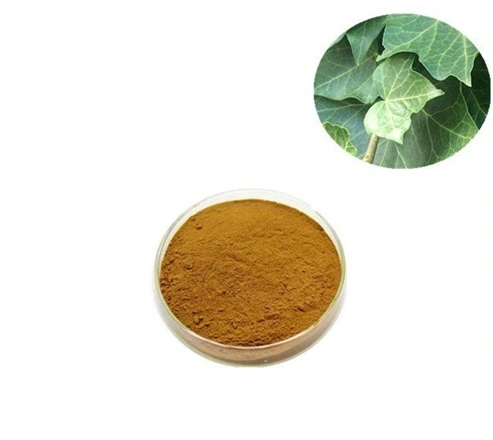
From planting basic partnerships to final product delivery, Kingherbs Limited controls the whole supply chain. This makes sure that the products can be tracked from the seed to the shop. This end-to-end oversight gets rid of the differences in raw materials that make it hard for cosmetics companies to find ingredients that work reliably. The powder that comes out has a dark colour and dissolves easily, so it can be used with creams, serums, gels, and masks.
Scientific Foundation for Skin Applications
Triterpenoid saponins found in Hedera helix products have been shown to control inflammatory processes and speed up the turnover of cells. These chemicals work with skin cell receptors to help microcirculation. This makes it easier for nutrients to get to cells and for trash to be removed at the surface level. The flavonoid content adds to the antioxidant defence by getting rid of free radicals that are made by UV light and environmental stresses.
Applying plant products that are high in saponins to the skin can stop water loss through the epidermis, making the skin's barrier stronger. This process works especially well for formulas that are meant to help skin that is dry, sensitive, or otherwise weakened. The anti-inflammatory properties help calm skin that is overly sensitive and reduce redness. The antimicrobial properties help keep the skin's bacteria in balance.
Nutritional Profile Supporting Cellular Health
In addition to flavonoids and saponins, the extract also has trace minerals and phenolic acids that help make collagen and mend cells. These parts work together to solve more than one skin problem with a single ingredient, which makes the mixture more efficient and saves money. This plant's active ability to do more than one thing fits with the current trend toward simple skin care routines with fewer but more effective ingredients.
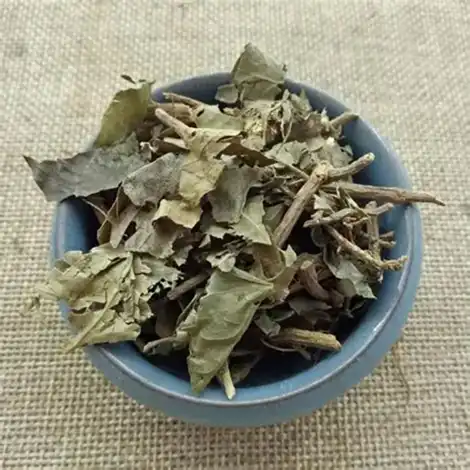
Core Benefits of Ivy Extract Powder for Skin Care Applications
The next section lists the main functional benefits of this plant ingredient that make it appealing for use in cosmetics. Each benefit meets a different need of the customer and gives producers technical advantages.
Enhanced Microcirculation and Skin Vitality
As a result of improving blood flow to the skin, bioactive saponins make the skin look and feel better. Better microcirculation speeds up the supply of oxygen and nutrients to skin cells and makes it easier for cellular waste to be removed. This result works especially well in products that are meant to reduce the look of dark circles, puffiness, or dull skin. This property is highly useful for procurement managers who are making eye care goods or brightening treatments.
Anti-Inflammatory and Soothing Properties
Several facial problems, like acne, rosacea, eczema, and early ageing, are made worse by inflammatory reactions. To change these reactions, the triterpenoid saponins in Ivy Extract Powder stop pro-inflammatory molecules at the cellular level. This ingredient is good for sensitive skin formulations and post-procedure healing items because it lowers redness and pain that can be seen. Because it comes from plants and has a gentle effect, it can be seen as a healthy choice compared to manufactured anti-inflammatory drugs.
Antioxidant Defense Against Oxidative Stress
Pollution, UV rays, and blue light are all environmental aggressors that make reactive oxygen species. These species damage cell structures and speed up the ageing process of the skin. This plant extract has flavonoids and phenolic substances that neutralise these dangerous molecules. This keeps lipid membranes, proteins, and DNA from getting damaged by oxidative stress. This antioxidant power backs up claims of anti-ageing and helps formulators meet customer needs for safe skin care that deals with the challenges of modern life.
Skin Detoxification and Pore Refinement
The extract helps the skin's natural cleansing processes by improving cellular metabolism and lymphatic flow. This process helps clear up the skin, reduce acne, and refine pores that are too big. These ingredients are good for formulas for mixed or oily skin because they help keep sebum production in check and reduce the look of acne. The ability to detoxify works well with other active ingredients that are often found in masks and treatments that clear up skin.
Improved Elasticity and Skin Firmness
By strengthening the extracellular matrix and promoting collagen stability, saponin chemicals help make the skin more elastic. This firming effect helps with problems like drooping skin, losing the outline of contours, and weakening. The people who make body care products, neck creams, or face contouring serums can use this benefit to make sure their products give real results that meet customers' standards of toned, lifted skin.
Because of these main benefits, Ivy Extract Powder is a flexible active ingredient that can help with many skin problems in anti-ageing, relaxing, clarifying, and defensive product categories. The scientific support and measured effects back up marketing claims and meet the technical needs of formulators looking for reliable plants that can do more than one thing.
How to Integrate Ivy Extract Powder Into Skin Care Products?
Recommended Dosage and Concentration Ranges
Depending on the benefit you want to achieve and the form of the product, the best concentration range for final mixtures is between 0.5% and 5%. Leave-on products like serums and creams usually have 1% to 3% for long-lasting effects, while masks and intense treatments can have up to 5% for stronger short-term effects. The extract is water-soluble, which makes it easier to mix with water during production. It can also be used with emulsion systems as long as it is properly mixed in.
Formulation Techniques and Product Compatibility
The powder form has clear benefits for research and development teams that want to precisely control doses and keep the product stable for longer. Before adding to the bulk phase, melting in a small amount of hot water (60–70°C) makes sure that the particles are spread out evenly and stops them from sticking together. Different types of cosmetics are compatible, such as gels, lotions, creams, toners, and sheet mask essences.
Using herbs that work well together, like chamomile, green tea extract, or hyaluronic acid, in synergistic mixtures makes the total effectiveness higher while creating unique product profiles. The extract works well with niacinamide, peptides, and vitamin C products, but formulators should test for compatibility to make sure the pH is right and that no interactions happen. The colour is neutral, and the smell is mild. This makes it easier to use in high-end formulas where sensory qualities are important.
Quality Factors Influencing Performance
Standardisation to certain marker chemicals ensures stability from batch to batch, which is very important for goods that are making clinical claims or going through efficacy testing. HPLC analysis gives exact numbers for the amount of Hederacoside C present, which helps quality control teams check the specs of raw materials in an objective way. To follow international rules for cosmetics, certificates of analysis should include tests for microbes, heavy metals, and chemical residues.
Kingherbs Limited sells products that are certified by several organisations, such as ISO9001, FSSC22000, KOSHER, HALAL, HACCP, and the FDA. This means that they can meet the needs of a wide range of markets. The tracking paperwork includes information about the botanical source, the harvest date, the extraction batch number, and the storage conditions. These are all important details that help quality assurance managers do their jobs and make regulatory reports easier. This amount of openness is becoming more important as brands are questioned about where their ingredients come from and how they treat the environment.
Comparison and Market Insights for Procurement Managers
Competitive Positioning Among Botanical Extracts
When compared to other plant actives like butcher's broom, horse chestnut extract, or gotu kola, Ivy Extract Powder has similar benefits for the circulatory system while being easier to dissolve and safer for skin use. When compared to crude plant extracts that can have different compositions, standardisation to specific saponin markers makes product performance more reliable.
Another thing to think about is how cost-effective something is. The price of the extract is usually in the middle of the range for premium botanical actives. It is easier to get than rare speciality ingredients, but it is worth more than common botanicals because they are standardised and have quality paperwork. When you buy in bulk, the price per unit goes down, and most pricing systems give you a discount when you buy 100 kg or more.
Supplier Selection Criteria
Suppliers with a good reputation show consistent quality through third-party testing confirmation, clear documentation of the supply chain, and quick expert help. Different companies in the same industry have different minimum order quantities, but forward-thinking sellers will accept both sample requests and small trial amounts (1–10 kg) to help with product development before making large-scale purchases. The business minimum of 25 kg is the right size for small to medium-sized producers' pilot production needs.
Lead times are another important factor in purchasing. Suppliers who keep ready-to-ship items on hand make quick prototyping and faster market launch possible. Samples can be delivered by courier within 3–5 business days. Commercial orders from stock can be shipped within a week, but orders that are made to specific specs may take 4 to 6 weeks to produce and ensure quality.
Pricing Benchmarks and Bulk Purchasing Guidelines
Standardised Ivy Extract Powder costs between $45 and $85 per kilogram on the market, based on the criteria (higher Hederacoside C content means higher price), order volume, and seller position. Most of the time, annual contracts or committed purchase agreements get you savings of 10 to 15 per cent while ensuring a steady supply. This is a strategic advantage during times when raw materials are hard to find or prices are changing quickly.
The cost of transportation depends on where you are and how quickly you need to get somewhere. Ocean freight is the most cost-effective way to send large amounts of goods (100 kg or more), and it usually takes 4 to 6 weeks to get to North American ports. Air freight speeds up delivery to 7–10 days, but it costs about three times as much. Express transport, on the other hand, can meet immediate small-quantity needs in 3–5 days. When reviewing seller offers, procurement teams should take these logistics factors into account when figuring out the total landed cost.
Addressing Safety, Side Effects, and Quality Assurance
Safety Profile and Contraindications
Applying properly made items that contain Ivy Extract Powder to the skin has a very good safety record, with few known side effects. The main worry is about possible allergy reactions in people who are already very sensitive to plants in the Araliaceae family. Before the full launch, patch testing procedures should include the finished formulation at the amounts that will be used to find any odd sensitivities.
Topical use still has a few limited contraindications, but taking it by mouth is very different from using it as a cosmetic and is not covered by skin formulas. Leave-on items shouldn't have amounts higher than 5% so that very sensitive people don't get irritated. Standard safety measures that apply to all cosmetics include keeping the pH of the mixture between 4.5 and 7.0 and keeping your eyes away from it.
Regulatory Compliance and Documentation
International rules for cosmetics allow the use of Hedera helix leaf extract in skin products as long as the quantity stays within certain limits. The ingredient is listed in the International Nomenclature of Cosmetic Ingredients (INCI) database as Hedera Helix Leaf Extract. This makes it easier for countries to follow the rules for product labels. The legal approval process for new products is sped up when suppliers provide full paperwork, such as proof of botanical identity, proof of country of origin, and proof of extraction method.
Certifications like ISO9001 show that a quality management system is being followed, and FSSC22000 proof shows that handling standards for food are higher than those for cosmetics. KOSHER and HALAL approvals help brands reach more customers in certain groups, and HACCP paperwork proves that production key control points are being watched. These certifications lower the risk of purchasing things and back up what brands say about the quality of their ingredients and how they get them.
Quality Control Protocols
For batch-to-batch uniformity, strict testing methods are needed that include checking the identity of the ingredients, measuring the amount of active compounds, checking for microbial limits, looking for heavy metals, and analysing pesticide residues. HPLC chromatograms confirm the saponin profile like a fingerprint, letting you compare it to reference standards and specification goals. With every package, suppliers should include full records of analysis that list testing dates, methods, and the signature of an authorised person confirming the information.
When asked, stability data backing the claimed shelf life (usually 24 months with proper storage) should be made available. This is especially important for procurement managers who are making goods that will take longer to get to customers. The best way to store powder is in a cool, dry place out of direct sunlight. Containers that are tightly sealed will keep powder from absorbing moisture that could lower its quality. These rules for dealing make sure that the specifications of the raw material are kept throughout the supply chain, from the manufacturer to the end formulation.
Conclusion
In conclusion, for skin care products looking for natural, multifunctional actives with scientific support, Ivy Extract Powder appears as a strategically useful plant ingredient. The standardised saponin content improves circulation, calms inflammation, protects against free radicals, and firms the skin, meeting a wide range of customer needs in the anti-ageing, sensitive skin, and cleansing product categories. Partnerships with suppliers that offer complete quality paperwork, variable order amounts, technical formulation support, and dependable delivery dates give purchasing managers a competitive edge. Strict standardisation, safety checks, and recording of legal compliance all lower risk while allowing new ideas to grow. As clean beauty trends continue to increase the need for effective botanical alternatives to synthetic compounds, it is important to understand this extract's functional properties, integration strategies, and sourcing issues in order to make successful product development and market differentiation.
FAQ
Is Ivy Extract Powder Suitable for All Skin Types?
Skin types that are average, dry, oily, mixed, and sensitive can all use the extract without any problems. The soothing and anti-inflammatory properties are especially good for skin that is sensitive or damaged, and the cleansing and cleaning properties help with problems that oily and acne-prone skin often has. The final product's usefulness depends on the concentration of the formula and the ingredients that support it. For sensitive skin users, a patch test is suggested.
How Long Before Visible Results Appear?
When you can start to see changes depends on what you want to achieve and how your skin naturally looks. After a few days of regular use, the cream may start to soothe and reduce redness. However, for changes in elasticity, the look of pores, and general skin tone, it usually takes 4 to 8 weeks of regular use. When procurement teams are making claims about how well a product works, they should plan clinical studies that last at least 8 to 12 weeks to see if the claims are true and to gather evidence for the marketing claims.
Can It Be Combined with Other Active Ingredients?
Ivy Extract Powder works well with hyaluronic acid, niacinamide, vitamin C products, peptides, and other plant extracts that are commonly used in cosmetics. Because it has a normal pH and doesn't react with most preservatives, it's easy to make products that do more than one thing. When putting together different active ingredients, stability testing is still needed to make sure they work well together and keep working throughout the product's shelf life.
Partner with KH for Premium Ivy Extract Powder Supply
Kingherbs Limited is ready to help you with your formulation development and supply chain needs by providing pharmaceutical-grade plant materials and extracting them with 30 years of experience. Hedera helix L. was used to make our Ivy Extract Powder. Leaves provide standard amounts of 1% to 10% Hederacoside C and 5% to 30% total hederacosides. These levels are confirmed by HPLC research and are backed up by a lot of paperwork, such as ISO9001, FSSC22000, KOSHER, HALAL, HACCP, and FDA certificates.
We can meet the needs of both research and development (R&D) sample requests and large-scale commercial orders. Our flexible minimums start at small trial amounts, and our normal commercial orders start at 25 kg. Ready-to-ship items allow for quick delivery; samples are sent anywhere in the world within 3–5 business days by fast transport. Our application laboratory can help you with formulation, stability testing, and making compounding suggestions that are special to your product needs, whether you are making serums, creams, masks, or new ways to give medicines.
We are not only a provider of Ivy Extract Powder, but also your technical partner as you create your product. There are records of analysis and full HPLC chromatograms for each batch that show the active ingredients, microbial limits, heavy metals, and pesticide traces. We can track our products all the way from controlled growing bases to advanced extraction. This makes sure that the quality is always the same, without the variations that can happen with other biological sources.
Email our team at info@kingherbs.com to get samples, technical data sheets, or to talk about making unique specs that fit your formulation goals. We welcome buying managers, R&D directors, and quality assurance workers to see how strict quality control and quick technical support can help you succeed faster in the market.
References
1. Wichtl, M. (2004). "Herbal Drugs and Phytopharmaceuticals: A Handbook for Practice on a Scientific Basis." Medpharm Scientific Publishers, Stuttgart, Germany.
2. Trute, A., Gross, J., Mutschler, E., & Nahrstedt, A. (1997). "In vitro antispasmodic compounds of the dry extract obtained from Hedera helix. "Planta Medica, 63(2), 125-129.
3. Sieben, A., Prenner, L., Sorkalla, T., Wolf, A., Jakobs, D., Runkel, F., & Häberlein, H. (2009). "Alpha-hederin, but not hederacoside C and hederagenin from Hedera helix, affects the binding behaviour, dynamics and regulation of beta-2-adrenergic receptors. "Biochemistry", 48(15), 3477-3482.
4. Cwientzek, U., Ottillinger, B., & Arenberger, P. (2011). "Acute bronchitis therapy with ivy leaf extracts in a two-arm study: A double-blind, randomised study vs. another ivy leaf extract. "Phytomedicine, 18(13), 1105-1109.
5. Hofmann, D., Hecker, M., & Völp, A. (2003). "Efficacy of dry extract of ivy leaves in children with bronchial asthma—a review of randomised controlled trials." Phytomedicine, 10(2-3), 213-220.
6. Gepdiremen, A., Mshvildadze, V., Suleyman, H., & Elias, R. (2005). "Acute anti-inflammatory activity of four saponins isolated from ivy: alpha-hederin, hederasaponin-C, hederacolchiside-E and hederacolchiside-F in carrageenan-induced rat paw oedema. "Phytomedicine", 12(6-7), 440-444.
Send Inquiry

Related Industry Knowledge
- Can Rose Hip Extract Powder Support Natural Skin Radiance?
- How Does Astaxanthin Powder And Oil Support Skin Health?
- Ivy Extract Powder: A Traditional Medicine for Cough and Respiratory Health
- The Surprising Health Benefits of Nettle Extract Powder and the Various Forms that you Can Find it
- 3 Surprising Passionflower Extract Powder Benefits for Holistic Wellbeing
- Can Cortex Phellodendri Powder Help with Skin Conditions?
- Couch Grass Rhizome Extract: Herbal Ingredient for Formulators
- Sustainable Growth Support with Macleaya Cordata Extract
- Is Olive Extract Powder Effective for Inflammation Control?
- Can Vine Tea Extract Support Healthy Metabolism Naturally?