_1762508637542.webp)
How Does Astaxanthin Powder And Oil Support Skin Health?
Jun 25, 2026
Astaxanthin Powder and Oil, which come from Haematococcus pluvialis microalgae, are great antioxidants that protect skin health directly. This natural pigment gets rid of free radicals better than many other antioxidants, which helps lower oxidative stress, which speeds up the ageing process. In both powder and oil forms, they get into the skin's cells to protect it from UV damage, keep wetness in, and help collagen production. Their different forms are useful for making different kinds of products. For example, oil forms are better at being absorbed by the body in softgel supplements and serums, while powder forms keep tablets and cosmetics stable. This makes powder forms essential for companies that want to make complete skin health solutions.
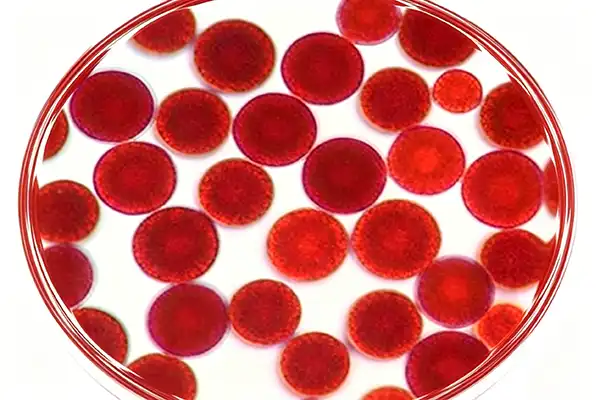
What Is Astaxanthin and How Does It Benefit Skin Health?
Astaxanthin belongs to the xanthophyll family of carotenoids, naturally synthesised by Haematococcus pluvialis algae under stress conditions. This vibrant red pigment gives salmon and krill their characteristic colouration and represents one of nature's most potent antioxidants available for commercial use.
Natural Origins and Extraction Technology
The process starts with carefully growing Haematococcus pluvialis in special labs. The growth factors, such as light strength, food balance, and external stress, are carefully controlled to get the highest quantity of astaxanthin. Either supercritical CO2 technology or food-grade ethanol are used in our extraction method to separate the carotenoid complex while keeping it in its original esterified form. These solvent-safe methods make sure that the finished goods don't have any dangerous leftovers and meet strict regulatory standards like FDA, KOSHER, HALAL, ISO9001, and FSSC22000 approvals. The extracts that are made look like fine red to dark red powder or thick red oil, and their astaxanthin content ranges from 1% to 96%, which can be confirmed by HPLC and UV testing.
Skin Health Benefits Through Antioxidant Mechanisms
Astaxanthin has a much higher ability to stop singlet oxygen than Vitamin E and beta-carotene, according to research. This higher antioxidant activity has real benefits for skin health that product managers and formulators should think about when making dermatological goods.
The carotenoid molecule goes through the cell barrier and protects both the inside and outside of the cell, making a full defence against external stresses. Reactive oxygen species are made by UV rays. These species break down collagen and elastic fibres, which causes lines and a loss of stiffness. Astaxanthin stops this chain of events by scavenging free radicals before they can damage structural proteins. This protects the structure and flexibility of the skin.
Researchers in clinical studies have shown that regular supplementation can improve the amount of wetness in the skin. Compared to baseline measures, participants' skin was more hydrated after supplementation. The way it works is that astaxanthin can lower inflammatory hormones that weaken the skin barrier, which lets the epidermal layers hold on to water better.
Anti-Inflammatory and UV Protective Properties
In addition to being an antioxidant, this pigment changes the way inflammation works in skin diseases. Downregulating NF-κB signalling is a key part of the inflammation reactions that are caused by UV light and environmental toxins. Astaxanthin absorbs certain bands of UV light and protects DNA in keratinocytes from damage. This anti-inflammatory action goes along with its photoprotective properties.
Human studies that measured the minimal erythema dose have shown that taking supplements by mouth makes the skin more resistant to UV light, which means that it can handle more UV light before it turns red. Because of this, it can be used in both dietary supplements and cosmetics that are put on the skin to protect against sun damage and repair damage caused by exposure.
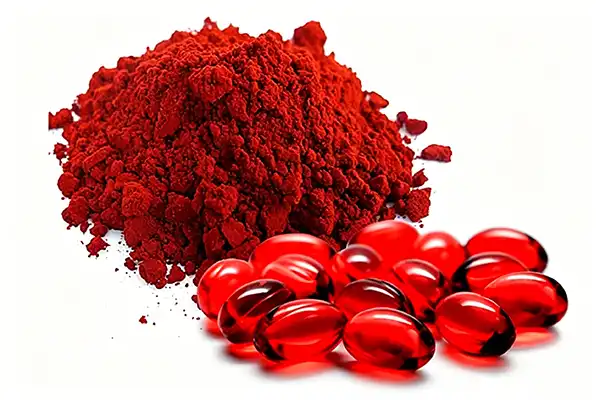
Astaxanthin Powder vs. Astaxanthin Oil: Which Is Better for Skin Health?
Selecting between Astaxanthin Powder and Oil requires understanding their distinct characteristics, which directly impact formulation compatibility, bioavailability, and end-product performance. Both formats originate from the same botanical source but undergo different processing stages that alter their physical properties and application suitability.
Purity, Bioavailability, and Absorption Efficacy
Astaxanthin that is based on oil usually has the carotene dissolved in medium-chain triglycerides or other lipid carriers. It comes out as a dark red oily liquid that mixes easily into softgel pills and fat-rich formulas. Because astaxanthin is lipophilic, it needs fat in the food to be absorbed properly in the digestive system. When the active ingredient is in an oil mixture, it is available right away because it is already in a fat matrix. This makes it easier for micelles to form during digestion and then be absorbed across the digestive tract.
Spray-dried algal biomass and microencapsulated beadlets made to be more stable and easy to handle are both included in powder forms. Microencapsulation covers astaxanthin molecules with protective materials, which are usually starch, gelatin, or modified cellulose. These protect the pigment from reactive breakdown while it is being stored and processed. Powder types are easier to work with when making tablets or drinks, but they might not be as bioavailable as oil if they are not eaten with fat-containing foods or added to systems that improve delivery of lipids.
Formulation Compatibility and Storage Considerations
Choosing between powder and oil forms has a big impact on how the product is made and how long it lasts. To keep oil mixtures from peroxiding, they need to be packed in light-resistant materials and flushed with a neutral atmosphere. This is because oxygen and light can break down unsaturated carotenoid chains. Our aluminium foil drums that are nitrogen-flushed keep our packages stable while they are shipped internationally by express, air freight or ocean.
When compared to raw oil, powder forms are more stable in dry settings and can handle higher processing temperatures. Because it can handle different temperatures, powder can be used in ways that involve heating, like making candies and pills. Moisture-proof packaging keeps the product from sticking and keeps it's free-flowing properties, which are important for correct doses in production lines. Large orders come in 25 kg drums, and sample sizes of 100g, 1 kg, 5 kg, and 10 kg are available for recipe tests and small-batch production runs.
Practical Procurement Factors for B2B Buyers
The two types have different cost structures. Oil usually costs more than other types because it takes more steps to remove and has a higher concentration potential. Formulators who make high-end softgel vitamins that aim for maximum bioavailability often say that the extra cost is worth it because the customers are happier and the product stands out. On the other hand, powder forms are more cost-effective for pills and functional foods that only need low amounts and are made with dry ingredients.
Storage needs affect the total cost of ownership, which is different from the buying price. In some areas, oil mixtures need to be stored in the fridge to keep them fresh longer, which adds to the costs of cold chain operations. Powder forms stay stable at room temperature as long as they are properly covered. This makes storage easier and lowers the costs of running a big inventory across various sites for sellers.
How to Select and Procure High-Quality Astaxanthin for Your Business
Identifying reliable suppliers involves evaluating multiple dimensions beyond price quotations. Quality assurance, regulatory compliance, and technical support capabilities separate competent vendors from those offering commoditised ingredients without value-added services.
Certification Requirements and Third-Party Verification
Procurement workers for Astaxanthin Powder and Oil should make it a priority for sellers to keep full sets of certifications that show they follow international quality standards. Our factories are registered with ISO9001, FSSC22000, KOSHER, HALAL, HACCP, and the FDA. This makes sure that the methods used to make our products meet strict safety and quality standards. Third-party labs test each production batch and give thorough Certificates of Analysis that show the amount of astaxanthin in the sample using HPLC, as well as the levels of microbes, heavy metals, and pesticide residues.
Organic approval is another important thing for brands that want to market their goods as natural and clean-label. Make sure that the sellers you're dealing with can provide you with proof that the finished extracts came from approved organic farms. As governmental bodies check the validity of ingredients and the purity of the supply chain, this end-to-end openness becomes more important.
Flexible MOQ and Sample Request Policies
When starting new products or going into areas you don't know much about, supply chain speed is important. Before committing to business amounts, we can handle orders of all kinds, starting with tests and small kilograms. Because of this, R&D teams can do stability tests, taste evaluations, and absorption studies without having to spend a lot of money up front. Commercial minimum order amounts start at 25 kg, which makes production efficient and easy for small to medium-sized businesses to reach while they build new product lines.
Quick delivery of samples shortens the time it takes to build a product. Our ready-to-ship inventory means that normal orders can be sent out within three to five business days, cutting out the need for long wait times that slow down market entry. Our application laboratory team provides technical support for custom formulas that need specific amounts of astaxanthin or packaging technologies.
Logistics Coordination and Global Reach
When you buy something from another country, things like sending paperwork, clearing customs, and following the rules in each country become more complicated. Experienced sellers keep up-to-date delivery networks that make messenger, air, and ocean shipping choices that can be tailored to the size, haste, and location of the package. We offer full paperwork packages that include business bills, packing lists, health certificates, and regulatory compliance statements that are needed for customs processing to go smoothly.
Some mixtures need to be shipped in a way that keeps the temperature stable because heat can break them down during travel. When the weather along the shipping routes threatens the stability of our products, our wrapping uses protected materials and heat tracking devices. This care with logistics makes sure that the astaxanthin powder and oil mixtures get to their target in perfect shape, no matter what the weather is like there or how far away it is.
Integration of Astaxanthin Powder and Oil into Skin Health Product Lines
Successful product development requires more than sourcing high-quality raw materials. Formulators must optimise concentration levels, ensure compatibility with complementary ingredients, and address stability challenges inherent in carotenoid-based products.
Formulation Best Practices and Concentration Optimisation
Finding the right dosage levels means finding a balance between how well the drug works, how much it costs, and the rules that govern it. Clinical research shows that taking 4 mg to 12 mg of this vitamin every day can help your skin's health. However, higher amounts of 0.1% to 1% are used in finished cosmetics for direct use. Based on the planned use, transportation method, and target customer group, our scientific team gives recipe advice.
Combinations of antioxidants that work well with astaxanthin improve general performance more than astaxanthin alone. When carotenoids are paired with Vitamin E, Vitamin C, or other carotenoids, they form antioxidant networks where one molecule repairs another after removing free radicals. By making the most of each ingredient's useful life, this refilling system increases the length of protection and lowers costs. Our application laboratory tests the stability of suggested formulas by looking at things like colour retention, reactive markers, and active content decline under conditions that speed up the ageing process.
Stability Considerations and Quality Control Measures
Keeping Astaxanthin Powder And Oil's effectiveness over a product's shelf life is a constant task that needs careful manufacturing methods. Carotene structures break down quickly in light, so consumer goods need to be packed in dark or orange glass cases. When oxygen comes in contact with red astaxanthin, it starts a chain of peroxidation reactions that turn it into colourless oxidation products that have no biological function. Using nitrogen cleaning during production and adding natural preservatives like mixed tocopherols can slow down these breakdown processes.
The pH level of an area also affects its stability; normal to slightly acidic conditions are best for preserving. Formulators who are making drinks or sweets need to make sure their mixtures have the right amount of buffering and do shelf-life studies to make sure that the astaxanthin stays in the mixtures under normal store conditions. The thorough HPLC analysis results that come with each batch set a standard for strength, which lets quality control staff keep track of decline rates and confirm expiration dates.
Temperature changes that happen during storage and distribution speed up the breakdown of chemicals. Setting limits on the highest temperature for keeping and teaching partners in the supply chain the right way to handle products saves their quality from the time they are made until they are used by customers. We give you detailed information about the best ways to store your products and data on their stability to back up claims about their shelf life for regulatory applications.
Addressing Common Concerns and Side Effects of Astaxanthin Powder and Oil
Safety profiles and potential adverse reactions constitute important considerations for brands launching new supplements or cosmetics. Transparent communication about evidence-based benefits versus marketing hype builds consumer trust and supports long-term brand reputation.
Safety Profile and Contraindications
Astaxanthin is safe for people to eat at normal supplement amounts, according to many safety studies. Natural astaxanthin from algae has been given the "Generally Recognised As Safe" label by regulatory bodies like the FDA. In clinical studies that used daily amounts of up to 40 mg for 12 weeks, there were no major side effects. In a few cases, there were mild stomach effects.
Women who are pregnant or nursing should talk to their doctors before starting supplements because there isn't a lot of complete safety data for these groups yet. People who are allergic to seafood sometimes worry about cross-reactivity, but astaxanthin from algae doesn't contain any shellfish proteins that cause allergic reactions. Labels that make it clear which plants were used help keep customers from getting confused and take this worry seriously.
Natural vs. Synthetic Distinctions
The market includes both natural astaxanthin supplements extracted from Haematococcus pluvialis and synthetic versions produced through petrochemical processes. These variants differ substantially in stereochemistry and biological activity. Natural astaxanthin exists predominantly as the (3S, 3'S) stereoisomer esterified with fatty acids, matching the form found in marine organisms. Synthetic astaxanthin comprises a racemic mixture of stereoisomers with significantly reduced antioxidant potency.
Research comparing absorption and tissue distribution demonstrates superior bioavailability for natural esterified forms. Procurement specifications should explicitly require natural algae-sourced astaxanthin verified through testing protocols that distinguish natural from synthetic origins. Our extraction processes utilise only Haematococcus pluvialis biomass, eliminating any possibility of synthetic contamination.
Long-Term Benefits and Consumer Satisfaction
Sustained supplementation yields progressive improvements in skin metrics, with optimal results appearing after 8 to 12 weeks of consistent use. This timeline reflects the gradual accumulation of astaxanthin in dermal tissues and the time required for collagen remodelling processes. Brands should set appropriate consumer expectations regarding the onset of visible benefits to prevent dissatisfaction from unrealistic claims.
Customer satisfaction data from long-term users highlights improvements in skin texture, reduced appearance of fine lines, and enhanced radiance. Repeat purchase rates among established astaxanthin consumers exceed many other nutritional supplements, indicating sustained value perception. B2B clients developing subscription models or loyalty programs benefit from this high retention characteristic when projecting customer lifetime value.
Conclusion
Astaxanthin powder and oil formulations deliver scientifically validated skin health benefits through multiple mechanisms including antioxidant protection, anti-inflammatory action, and UV damage mitigation. Procurement professionals must evaluate form selection based on bioavailability requirements, formulation compatibility, and storage capabilities. Natural algae-sourced astaxanthin demonstrates superior efficacy compared to synthetic alternatives, making supplier verification and certification review essential steps in quality assurance protocols. Successful product integration requires attention to concentration optimisation, stability preservation, and complementary ingredient selection. The robust safety profile and positive consumer outcomes support confident market positioning, while transparent communication about realistic benefit timelines builds brand credibility and long-term customer relationships.
FAQ
What distinguishes powder from oil forms of astaxanthin for skin applications?
Powder variants offer handling convenience for tablets and dry formulations, while oil forms provide enhanced bioavailability for softgel supplements and lipid-rich topical products. Powder maintains stability during high-temperature processing, whereas oil requires light-protected packaging but delivers immediate fat-soluble availability.
How should astaxanthin concentration be determined for cosmetic versus supplement applications?
Topical cosmetics typically incorporate 0.1% to 1% concentrations for antioxidant skin protection, while oral supplements range from 4 mg to 12 mg daily dosing. Formulators should conduct efficacy testing within their complete formulation matrix, as ingredient interactions affect optimal concentration levels.
What certifications validate astaxanthin quality for international markets?
ISO9001, FSSC22000, organic certifications, and third-party laboratory testing verify manufacturing standards and ingredient purity. Certificates of Analysis documenting HPLC-verified astaxanthin content, microbial limits, heavy metals, and pesticide residues provide batch-specific quality confirmation for regulatory compliance across jurisdictions.
What storage conditions preserve astaxanthin potency during distribution?
Light-resistant packaging, oxygen exclusion through nitrogen flushing, and temperature control below 25°C maximise stability. Powder forms tolerate ambient conditions when moisture-sealed, while oil formulations benefit from refrigerated storage in warm climates to extend shelf life beyond 24 months.
Partner with KH for Premium Astaxanthin Powder And Oil Supply
KH delivers pharmaceutical-grade natural astaxanthin powder and oil backed by comprehensive quality documentation and technical expertise. Our vertically integrated supply chain controls cultivation, extraction, and quality verification from seed to shipment, ensuring consistent active ingredient content verified through batch-level HPLC analysis. We accommodate flexible order volumes, including samples and trial quantities to support your formulation development process, with commercial orders shipped promptly from ready stock inventory. Our application laboratory provides compounding recommendations, stability testing support, and formulation optimisation guidance for dietary supplements, functional beverages, cosmetics, and nutraceutical applications. Contact our team at info@kingherbs.com to request technical specifications, pricing for your target volume, and samples of our certified Astaxanthin Powder and Oil supplier offerings.
References
1. Tominaga K, Hongo N, Karato M, Yamashita E. Cosmetic benefits of astaxanthin on human subjects. Acta Biochimica Polonica. 2012;59(1):43-47.
2. Chalyk NE, Klochkov VA, Bandaletova TY, Kyle NH, Petyaev IM. Continuous astaxanthin intake reduces oxidative stress and reverses age-related morphological changes of residual skin surface components. Nutrition Research. 2017;48:40-48.
3. Davinelli S, Nielsen ME, Scapagnini G. Astaxanthin in skin health, repair, and disease: a comprehensive review. Nutrients. 2018;10(4):522.
4. Ng QX, De Deyn MLZQ, Loke W, Foo NX, Chan HW, Yeo WS. Effects of astaxanthin supplementation on skin health: a systematic review of clinical studies. Journal of Dietary Supplements. 2021;18(2):169-182.
5. Yamashita E. Astaxanthin as a medical food. Functional Foods in Health and Disease. 2013;3(7):254-258.
6. Ito N, Seki S, Ueda F. The protective role of astaxanthin for UV-induced skin deterioration in healthy people—a randomised, double-blind, placebo-controlled trial. Nutrients. 2018;10(7):817.
Send Inquiry
Related Industry Knowledge
- How Does Rose Hip Extract Powder Boost Collagen Production?
- Angelica Officinalis Extract vs Angelica Sinensis Extract
- 3 Surprising Passionflower Extract Powder Benefits for Holistic Wellbeing
- The Power of Blueberry Extract Powder in Cosmetics
- Why Is Apple Root Extract Gaining Popularity in 2026?
- Valerian Root Extract Powder for Anxiety & Restlessness Relief
- Best Uses of Valerian Root Extract Powder in Supplements
- Vine Tea Extract Benefits: Science-Backed Health
- Is White Paeony Extract Safe for Daily Use?
- Why US Buyers Choose China for Mango Leaf Extract?