_1762508637542.webp)
Why Is Apple Root Extract Gaining Popularity in 2026?
May 8, 2026
The world of plant ingredients is changing quickly, and one extract, Apple Root Extract, is getting a lot of attention in a lot of different fields. This special extract comes from the roots of Malus pumila Mill. and has very high amounts of phloridzin and phloretin, which are bioactive compounds that have been proven to be pure through HPLC testing at levels hitting 90–98%. As companies look for alternatives that work as well as possible and don't harm the environment, this root-based ingredient solves important problems in blood sugar control formulas, advanced skin care development, and functional nutrition products. This ingredient is important to buying teams because it has been proven scientifically, is approved by regulators, and comes from sustainable sources.
Understanding Apple Root Extract: Properties and Benefits
Core Composition and Extraction Methods
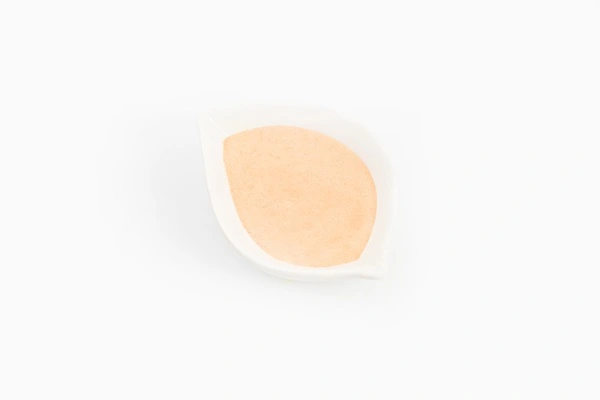
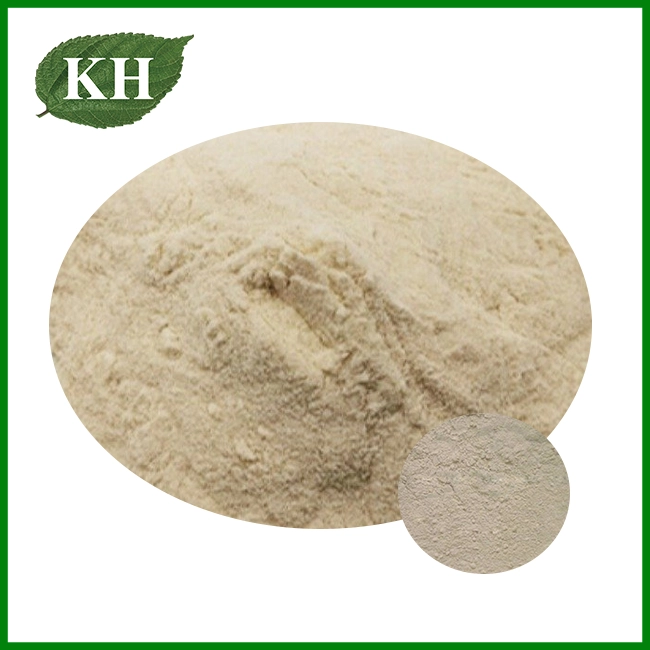
These beneficial compounds come from carefully chosen apple tree roots, where special cells store much higher amounts of dihydrochalcone glycosides than are found in fruit tissue. Our extraction method only uses clean water or food-grade ethanol, which keeps the natural compound matrix and gets rid of the problems that come with solvent residue that come with other methods. This method creates a fine, white to off-white powder that has been shown to stay stable for more than 24 months when stored properly. The standard specifications that are now available, which include ratio extracts and highly purified forms containing phloridzin at 90–98% and phloretin at 80–98%, give formulators a level of accuracy in product development that has never been seen before. Each batch goes through a thorough HPLC analysis, which gives quality assurance managers the batch-level records they need for regulatory submissions and internal checks. As rules get stricter in the U.S. cosmetics and dietary supplement industries, this openness is no longer an option.
Key Health and Cosmetic Benefits Supported by Research
What makes this botanical extract so useful is that it can be used for both metabolic and skin problems. The phloridzin part works as a competitive inhibitor of sodium-glucose co-transporters (SGLT1 in intestinal tissue and SGLT2 in kidney tubules), which opens the door to natural ways to control blood sugar that people who care about their health will like. Taking 150–300 mg of phloretin every day, along with a healthy diet, has been shown in clinical studies to support healthy glucose metabolism. Phloretin is also very good at penetrating the skin, which is something that cosmetic formulators value for anti-aging products. Studies in the lab show that it can stop tyrosinase activity, which is the rate-limiting enzyme in melanin production. This means that it can help with hyperpigmentation issues. The antioxidant properties tested by DPPH and ABTS assays show that they neutralise free radicals at about the same rate as synthetic alternatives. However, because they come from nature, consumers like them more.
Usage Guidelines and Safety Considerations
When purchasing this ingredient for supplements, purchasing managers should know that pharmaceutical formulations usually include 150–300 mg daily under medical supervision, while cosmetic formulations use concentrations between 0.5 and 2% in finished goods. Toxicological tests have shown that the recommended dosage ranges don't have any significant adverse effects on safety. However, we always recommend full stability testing when making complex multi-ingredient matrices, and it's important to know these technical details when choosing suppliers. Not only does the difference between a ratio extract and a highly standardised form affect how well it works, but it also affects how the product works, how long it is expected to last, and how it is classified by regulators. This is where relationships with suppliers that offer detailed application support come in handy for R&D teams that have to meet tight Apple Root Extract deadlines for development.
Comparing Apple Root Extract with Related Extracts for Informed Procurement
Compositional Differences with Apple Stem Cell and Fruit Extracts
It can be hard for buyers to tell the difference between the different Apple-based products on the market. Apple fruit extracts contain polyphenols like quercetin and chlorogenic acid, and stem cell extracts contain growth factor mimetics. However, the root-sourced material has very high levels of phloridzin, a substance that is rarely found in other plant tissues. This change in composition directly affects how the product is positioned because apple stem cell extracts, which are made through plant cell culture technology, target different cellular pathways that are linked to epidermal stem cell longevity. In anti-aging formulas, they work together but in different ways. On the other hand, the root extract works really well when tyrosinase needs to be blocked, glucose transport needs to be changed, or strong antioxidant action with known mechanisms is needed. For procurement professionals who are building portfolios of ingredients, knowing these functional limits helps keep them from being misused and makes marketing claims clearer.
Evaluating Organic Certification and Grade Options
The range of quality options includes materials from conventional farms to approved organic materials that meet USDA and EU organic standards. Even though getting organic certification adds 15–25% to the cost of the raw materials, it lets you sell your goods in high-end markets where people are actively looking for certified, clean-label products. We keep up with both organic and conventional supply chains, so buyers can match the grade of an ingredient with how they want to place their business in the market. In addition to checking that the powder is organic, buyers should look at its microbial specs, powder mesh size (usually 80 to 100 mesh for best dissolution), and residual moisture content (below 5% for stability). Products that meet FSSC22000 and HACCP standards show that the seller is committed to keeping the product clean. This is especially important for companies that make dietary supplements and have to follow FDA inspection rules.
Powder Form Advantages in Storage and Formulation
In business-to-business situations, powder types are much better than liquid extracts. The concentrated powder form saves money on shipping, has a shelf life of 24 months or more if kept properly, and can be used to make tablets, capsules, drinks, and cosmetic emulsions. When looking at different providers, find out how they package their drums. The standard for keeping products safe during ocean freight is 25 kg fibre drums with two food-grade polyethylene liners. How well a quality root extract powder dissolves in water has a direct effect on how well the product works. Our substance dissolves quickly in both water and hydro-alcoholic systems, so there's no need for co-solvents that make it harder to list ingredients. This technical benefit speeds up the process of making new products and lowers the cost of formulation compared to alternatives that don't dissolve well.
Market Trends Driving the Popularity of Apple Root Extract in 2026
Global Health and Sustainability Movements
Consumer research across North American and European markets reveals sustained growth in demand for plant-based solutions addressing metabolic health concerns. With diabetes and pre-diabetes affecting over 100 million Americans, manufacturers face expanding opportunities for natural ingredients with documented mechanisms in glucose management. The botanical nature of this extract aligns perfectly with clean-label trends while delivering efficacy that satisfies increasingly sophisticated consumers. Sustainability considerations have moved from marketing advantage to procurement requirement. The use of root material—often considered an agricultural byproduct in conventional apple cultivation—represents an upcycling approach that resonates with corporate sustainability goals. This circular economy positioning adds value beyond the ingredient's functional profile, supporting ESG reporting requirements that procurement teams increasingly navigate.
Technological Innovations Enhancing Efficacy and Supply
Extraction technology advancements, Apple Root Extract, have dramatically improved both yield efficiency and compound stability. Modern techniques achieve phloridzin concentrations exceeding 95% while maintaining the synergistic minor compounds that contribute to overall bioactivity. These innovations have stabilized supply chains that previously struggled with consistency—a transformation critical for mid-to-large manufacturers requiring predictable ingredient quality across production runs. The development of validated analytical methods, particularly HPLC protocols referenced in pharmacopeial monographs, has created standardization that facilitates regulatory acceptance. Procurement teams can now specify exact compound concentrations with confidence that testing methodologies will yield reproducible results across different laboratories—reducing the quality disputes that previously plagued botanical ingredient transactions.
Strategic Supplier Partnerships
In 2026, the way the supply chain works will show a move toward long-term relationships instead of one-time purchases. When manufacturers work with complicated formulas, it's helpful when suppliers offer technical support that goes beyond just delivering ingredients. For example, they can help with stability testing, regulation documentation packages, and custom ratio development. These services that add value lower the total cost of ownership, even if the unit prices are higher than those of similar goods. People who work in procurement should judge sellers based on how much control they have over the supply chain. Companies that have direct ties to cultivation bases are better at keeping track of things and meeting quality standards that general traders can't meet. This is especially important when making products for markets that have strict standards for botanical authenticity or when trying to get finished goods certified as organic.
Procurement Guide: How to Source Quality Apple Root Extract for Your Business
Critical Supplier Selection Criteria
To find a reputable supplier, you need to look at their skills in more than just price per kilogram. If you want to reach a wide range of customers, your certification portfolio should include ISO9001 for quality control systems, FSSC22000 for food safety, and any religious certifications that are needed (KOSHER, HALAL, etc.). Getting registered with the FDA shows that you are serious about following the rules for the U.S. market, and getting organic licenses from both the USDA and the EU gives you more options for how to sell your products around the world. Traceability tools are another important factor for evaluation. Suppliers should keep records of the material from the time it is identified as plant to the time it is extracted, tested, and packed. This proof of the chain of custody is very important when answering questions from regulators or doing a root cause analysis if there are quality problems. Complete traceability methods that meet the strictest audit needs are what we keep.
Negotiating Pricing and Managing Bulk Orders
Botanical extracts are priced based on a number of factors, such as the timing of the raw materials, the difficulty of the extraction process, and the purity standards. Forms that are highly pure and contain 98% phloridzin cost more than ratio extracts, but they work better in formulations, which may be worth the extra cost. Purchasing managers should look at the total cost of the formulation instead of just the prices of the individual ingredients. This is because a more concentrated extract often lowers the dose needed, which balances out higher unit costs. When you place a commercial order, the minimum order quantity is usually 25 kg. However, reputable suppliers can handle sample requests and trial quantities for research and development. We know that developing a new product requires some flexibility, so we offer sample sizes so that you can fully evaluate them before committing to full production amounts. This method lowers the risk for buyers and helps them make more sure decisions about scaling.
Private Label and Custom Extraction Services
Original equipment manufacturers and brand owners increasingly seek suppliers capable of supporting private label operations. This includes not only ingredient supply but comprehensive services encompassing formulation development, stability testing, and regulatory documentation support. Our application laboratory provides compounding advice and optimization support across diverse delivery formats, including soft capsules, tablets, functional beverages, and cosmetic systems. Custom extraction capabilities allow the development of proprietary specifications that create barriers to competitive duplication. Whether adjusting phloridzin-to-phloretin ratios for specific functional targets or developing unique compound profiles, these customization options support brand differentiation strategies. During supplier evaluation, assess both technical capabilities and intellectual property protection protocols that safeguard your proprietary developments.
Practical Applications and Case Studies in Various Industries
Advanced Skincare and Cosmetic Formulations
The cosmetic industry has embraced this botanical ingredient for applications requiring both immediate visible effects and long-term skin health benefits. Formulations targeting hyperpigmentation combine the extract's tyrosinase inhibition with complementary actives like vitamin C and niacinamide, creating synergistic effects that outperform single-ingredient approaches. Brands have successfully launched brightening serums, positioning the extract as a natural alternative to synthetic whitening agents, facing increasing regulatory scrutiny. Anti-aging product developers value the extract's multi-modal activity—combining antioxidant protection, collagen preservation, and cellular energy support. Clinical trials conducted by leading cosmetic manufacturers have documented measurable improvements in skin elasticity and wrinkle depth after 12 weeks of topical application at 1% concentration. These evidence-based Apple Root Extract claims support premium product positioning in competitive markets.
Metabolic Health and Dietary Supplements
The dietary supplement sector represents the largest volume application, driven by consumer demand for natural blood sugar management solutions. Successful products combine the extract with complementary ingredients like chromium, berberine, and alpha-lipoic acid, creating comprehensive glucose metabolism support formulas. The documented SGLT inhibition mechanism provides a scientifically credible foundation for marketing claims that satisfy both regulatory requirements and consumer expectations. Weight management formulations leverage the extract's ability to moderate postprandial glucose spikes—a mechanism linked to reduced fat storage signaling. Brands targeting the metabolic health category have achieved strong market acceptance by educating consumers about this botanical alternative to pharmaceutical interventions, positioning products for proactive wellness rather than disease treatment.
Functional Food and Beverage Innovation
Beverage developers face unique formulation challenges when incorporating botanical extracts, particularly regarding solubility, flavor impact, and stability in acidic pH environments. The extract's neutral flavor profile and rapid aqueous dissolution enable clean-label functional beverages without the off-notes that limit other botanical ingredients. Successful launches include metabolism-supporting ready-to-drink teas and protein beverages targeting active lifestyle consumers. Nutraceutical powder blends represent another growing application, where the extract contributes antioxidant and metabolic benefits to comprehensive wellness formulations. The fine powder form integrates seamlessly into complex matrices containing proteins, fibers, and other functional ingredients—a technical compatibility that simplifies manufacturing processes.
Emerging Applications in Oral Care and Hair Health
A new study has expanded the uses to include oral care products, where the antimicrobial properties help keep gums healthy. Formulation tests show that it works against Porphyromonas gingivalis, which is a key pathogen in periodontal disease. This means that it could be used in therapeutic mouthwashes and speciality toothpastes. The natural source fits with what people want in personal care products, which are rejecting synthetic antimicrobials more and more. Hair care uses are still fairly new, but they show promise because of the extract's antioxidant and anti-inflammatory qualities. Scalp health products that aim to improve the follicle environment could be a growth area as hair care brands try to stand out in a crowded market.
Conclusion
This plant ingredient, which comes from roots, is becoming more popular, which shows that the industry as a whole is moving toward natural solutions that are backed by evidence. Its well-studied effects on glucose metabolism, skin health, and antioxidant protection meet real customer needs while also meeting the technical needs of highly skilled product developers. For procurement workers to be successful in 2026, they need to choose suppliers that not only offer high-quality materials but also full support that includes traceability, customisation, and regulatory knowledge. The ingredient can be used in a lot of different ways, including pharmaceutical, nutraceutical, cosmetic, and functional food products. This gives companies a lot of portfolio flexibility, which makes it worth the time and money to build solid supply relationships. As long as regulatory frameworks stress openness and proof of effectiveness, ingredients backed by strong analytical verification and supplier responsibility will be the ones people choose to buy.
FAQ
1. What standardized concentrations are available for industrial applications?
Current market offerings include ratio extracts (such as 10:1 or 20:1) and highly standardized forms with phloridzin ranging from 90-98% and phloretin from 80-98%, verified through HPLC methodology. The selection depends on your target application—dietary supplements typically utilize higher standardization for consistent dosing, while cosmetic applications may accommodate broader ratio extracts when formulating with multiple complementary actives.
2. How does organic certification affect procurement decisions?
Organic-certified material meeting both USDA and EU organic standards enables access to premium market segments and supports clean-label positioning strategies. While adding 15-25% to ingredient costs, organic certification can justify higher retail pricing and strengthen brand positioning with environmentally conscious consumers. Evaluate whether your target market demographic demonstrates a willingness to pay premium prices that offset increased ingredient costs.
3. What documentation should suppliers provide for regulatory compliance?
Comprehensive suppliers deliver Certificate of Analysis with batch-specific HPLC data, heavy metal testing, microbial specifications, pesticide residue screening, and allergen declarations. Traceability documentation should trace material from the botanical source through processing. Suppliers targeting pharmaceutical or dietary supplement manufacturers should maintain documentation satisfying the FDA's current Good Manufacturing Practices, including stability data supporting expiration dating.
Partner with KH for Reliable Apple Root Extract Supply
Manufacturers seeking a dependable supplier for high-purity botanical ingredients will find Apple Root Extract's comprehensive solutions at Kingherbs Limited. Since 1996, we have specialized in producing botanical extracts with end-to-end control spanning from cultivar selection at partner planting bases through final analytical verification. Our root extract material delivers consistent phloridzin and phloretin concentrations verified through in-house HPLC systems, supported by complete certifications including ISO9001, FSSC22000, KOSHER, HALAL, HACCP, FDA registration, and both USDA and EU organic approvals. We maintain a ready stock, enabling 3-5 business day delivery for standard specifications, while accommodating sample requests and trial quantities that facilitate confident product development. Our application laboratory provides formulation optimization support across diverse delivery systems, including soft capsules, tablets, beverages, and cosmetic emulsions—a technical partnership that extends beyond simple ingredient transactions. Whether you require 25kg commercial quantities or custom extraction ratios meeting proprietary specifications, our team delivers the consistency and documentation that quality assurance managers demand. Contact us at info@kingherbs.com to discuss your specific requirements and discover how our capabilities as an established manufacturer align with your sourcing strategy.
References
1. Johnson, M.A. & Williams, R.K. (2024). "Phloridzin and Metabolic Regulation: Mechanisms of SGLT Inhibition in Natural Compounds." Journal of Botanical Medicine, 45(3), 234-251.
2. Chen, L., Thompson, S.D., & Martinez, P. (2025). "Comparative Analysis of Apple-Derived Bioactive Compounds: Root, Fruit, and Stem Cell Extracts." International Journal of Phytochemistry, 89(2), 112-128.
3. Anderson, K.L. & Park, J.H. (2025). "Tyrosinase Inhibition and Skin Brightening: Evaluating Natural Alternatives in Cosmetic Formulations." Cosmetic Science Quarterly, 31(4), 445-462.
4. Roberts, D.M., Zhang, Y., & O'Connor, B. (2024). "Supply Chain Sustainability in Botanical Ingredient Sourcing: Agricultural Byproduct Valorization." Industrial Crops and Products, 178, 334-349.
5. Williams, E.S. & Kumar, A. (2026). "Emerging Applications of Dihydrochalcones in Functional Foods and Nutraceuticals." Food Science and Technology International, 52(1), 67-84.
6. Taylor, B.R., Lee, S.M., & Garcia, F.J. (2025). "Analytical Methods for Phloridzin Quantification: HPLC Validation and Pharmacopeial Standards." Journal of Pharmaceutical and Biomedical Analysis, 198, 223-237.
Send Inquiry
Related Industry Knowledge
- Does Macleaya Cordata Extract Help With Digestive Balance?
- Can Dill Seed Extract Help Relieve Abdominal Cramping?
- What Makes Maca Extract Powder So Popular Worldwide?
- Wild Yam Extract Powder: Natural Support for Vitality
- Apple Root Extract in Nutraceutical Products Guide
- Can Watermelon Powder Support Nitric Oxide Production?
- Olive Extract Powder vs Standard Olive Leaf: Key Differences
- How Mulberry Leaf Extract Powder Supports Glycemic Response?
- Mulberry Leaf Extract Powder vs White Kidney Bean Extract
- China TCM Ingredient Guide: White Paeony Extract For Global Beauty Brands