_1762508637542.webp)
Can Rose Hip Extract Powder Help Reduce Joint Discomfort?
Jun 15, 2026
Together with its special mix of beneficial chemicals, Rose Hip Extract Powder has shown a lot of promise in relieving joint pain. Researchers have found that the galactolipids and polyphenols in this plant-based ingredient work together to reduce inflammation at the cellular level. This helps people with osteoarthritis naturally control their symptoms. Standardised extracts with 5% to 70% Vitamin C and 5% to 25% polyphenols provide targeted relief while supporting the health of connective tissues. This makes the ingredient more valuable for companies making joint health products to meet the growing demand for plant-based wellness solutions from customers.

Introduction
Over 92 million people in North America have joint pain, which makes things very hard for the fitness and healthcare industries. Botanical ingredients have gotten a lot of attention as procurement managers and product makers look for natural alternatives to traditional drug treatments that work well. Among these, ingredients made from rose hips have shown a lot of promise for use in joint-supporting products.
Because of the problems with regular NSAIDs, like stomach issues and heart problems after long-term use, people are looking for better alternatives. As the market for these products grows, businesses that make dietary supplements, nutraceuticals, and functional foods can use plant ingredients that have been proven to work by science to make their products stand out.
This complete guide answers all the questions that quality assurance managers, R&D leaders, and buying experts have when they are looking at rose hip products for business use. We look at the proof that this ingredient is good for joint health, list important criteria for finding it, and give decision-makers real recipe advice to help them safely add it to their product lines.
Understanding Joint Discomfort and Its Causes
The Inflammatory Cascade in Joint Tissue
Joint pain is mostly caused by ageing diseases that affect millions of people around the world. Osteoarthritis is the most common type. It happens when protective cartilage slowly wears away, letting bones rub against each other when you move. When someone has rheumatoid arthritis, their body attacks the linings of their joints, which leads to ongoing inflammation and tissue damage.
Oxidative Stress and Joint Degradation
Building up free radicals speeds up the breakdown of joint tissue in several ways. These unstable molecules hurt chondrocytes, which are special cells that keep cartilage in good shape, and cause inflammatory cytokines to be made. This starts a damaging loop in which inflammation causes more oxidative stress, which keeps tissue harm going.
Limitations of Conventional Approaches
NSAIDs and corticosteroids are used a lot in traditional pain treatment, but they only treat the symptoms and don't get to the root causes. There is evidence that long-term use can lead to stomach ulcers, kidney problems, and more heart problems. Because of these problems, there is a big need in the market for plant options that work on inflammation pathways and are safe. Natural anti-inflammatory chemicals can effectively meet this need.
What is Rose Hip Extract Powder and How Does It Work?
Botanical Origins and Extraction
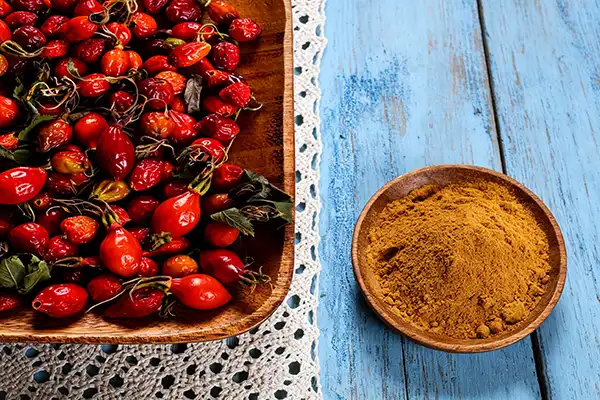
The element in Rose Hip Extract Powder comes from Rosa rugosa fruit that is picked when the flowers have died and the fruit is fully grown. The concentrated nutrients in these small, round fruits are kept by traditional ways of extraction. We only use pure water or food-grade ethanol in our manufacturing process. We don't use any dangerous solvents that could damage the safety and cleanliness of our ingredients.
The fine yellowish-brown powder that is made keeps the qualities of fresh rose hips while being more stable on the shelf for longer and giving you more options for how to use it. Specifications include 4:1 and 10:1 ratio extracts, standardised vitamin C levels from 5% to 70%, and polyphenol levels from 5% to 25%, all of which have been checked using HPLC, UV, and titration techniques.
Bioactive Components and Mechanisms
The success of the extract comes from its many chemical components working together. Bioavailability is better for natural vitamin C combinations with bioflavonoids than for manufactured ascorbic acid. This helps the body make collagen, which is important for keeping cartilage healthy. Galactolipids are special fatty acid molecules that have amazing anti-inflammatory qualities by stopping the action of pro-inflammatory enzymes without the stomach problems that come with regular medicines.
Free radicals speed up the breakdown of joint tissue, but polyphenolic chemicals neutralise them. These antioxidants keep chondrocytes safe from oxidative damage and change the way inflammation signals are sent. The mix provides a multi-targeted method that targets both the signs and underlying reasons of joint pain, which makes this plant different from treatments that only target one process.
Comparative Advantages
When compared to camu camu or acerola cherry, which are also sources of antioxidants, rose hip ingredients have unique benefits for creation. The balanced food profile includes chemicals that are good for joints in addition to vitamin C, and the gentle nature is still fine for sensitive people. Better bioavailability makes sure that nutrients are absorbed properly, which maximises their healing potential at doses that can be sold and are good for pills, functional foods, and drinks.
Evaluating Rose Hip Extract Powder for Joint Health: Evidence and Case Studies
Clinical Research Foundation
A lot of controlled studies have shown that exercising regularly is good for your joints. A major study that came out in Osteoarthritis and Cartilage looked at 112 people with osteoarthritis for four months. People who took standardised rose hip extract reported 40% less pain than people who took a placebo. They also reported better movement and quality of life. It is important to note that these benefits happened without any bad effects, which shows that the safety profile was good.
Mechanism Validation Studies
A study in the Scandinavian Journal of Rheumatology found that Rose Hip Extract Powder galactolipids are the main active ingredients. They were able to stop cartilage breakdown at the molecular level. Inflammatory substances like interleukin-1β and tumour necrosis factor-alpha are stopped by these chemicals. These substances cause cartilage to break down in arthritic joints. The anti-inflammatory effects happened at levels that can be reached through regular supplementation, which supports the use of commercial preparation methods.
B2B Application Success
Supplement makers who use certified herbs in joint health formulas say their products do well on the market and get good comments from customers. Contract manufacturers making private label products have been able to make their products stand out by combining standard rose hip ingredients with botanicals that work well together, such as turmeric and boswellia. This makes synergistic formulations that appeal to health-conscious consumers looking for all-around joint support.
Quality assurance teams stress how important it is to have galactolipid and flavonoid levels checked by a third party. Proof of active ingredient amounts at the batch level ensures stability in preparation and backs up label claims, both of which are important for brands to stay in line with regulations and build trust with customers in competitive markets.
Selecting the Right Rose Hip Extract Powder Supplier for B2B Procurement
Essential Certifications and Quality Standards
Reliable providers keep a full range of certifications that show they are good at making things and following safety rules. Check for ISO9001 quality control systems, FSSC22000 food safety certifications, and facility-specific qualifications like FDA registration, KOSHER, HALAL, and HACCP certifications. These certificates show that quality control methods and tracking systems have been put in place, which is necessary for getting pharmaceutical-grade ingredients.
Testing and Documentation Requirements
Full batch records should include HPLC analysis results with active ingredient profiles, screening for pesticide residues, heavy metal tests, and bacterial confirmation. Your quality assurance teams can check the quality of ingredients before adding them to production runs by using Certificate of Analysis paperwork that shows standards have been met. When suppliers give thorough MSDS documents, it makes safe working processes and regulatory reports easier.
Supply Chain Reliability
Check to see if a seller is vertically integrated and if they have buying agreements. Companies that work directly with organic farms make sure that the quality of their raw materials stays the same from season to season. This ability to track the powder from seed to finished product gets rid of quality changes that mess up production plans and make the product less consistent.
This is shown by Kingherbs Limited's relationships with high-quality planting bases that give them exact control over plant variety choice, land management, and harvest time. This seed-to-extract control makes sure that the plant identity is correct and that the active ingredient content is optimised. This solves the main problem that procurement managers have, which is that they want safe, reliable supply lines for commercial manufacturing.
Flexible Order Terms
When buying things on a commercial scale, sellers need to be able to handle different order amounts. For business sales, the minimum order quantity starts at 25 kg, and samples are available for initial review. This lets R&D teams work on formulating new products before committing to large purchases. Just-in-time production plans are supported by ready stock and fast shipping (usually 3–5 business days for regular items). This lowers the cost of keeping inventory on hand.
Courier, plane, and ocean freight choices make transportation flexible enough to handle both urgent sample needs and cost-effective mass transfers. Standard shipping in 25 kg fibre drums with double PE covers protects the goods while they're in transit, and custom packing choices can be made to fit special handling needs.
How to Use Rose Hip Extract Powder for Maximum Joint Health Benefits
Dosage Guidelines and Timing
In clinical tests showing benefits for joint health, daily doses of standardised extract were usually between 2.5 and 5 grams. This equals about 500 mg to 1000 mg of pure powder that has been standardised to certain amounts of galactolipids. When making nutrition supplements, people who make them should think about these amounts based on research to make sure they work and are cost-effective.
Bioavailability optimisation happens when consumed with foods that have a reasonable amount of fat, which makes it easier for lipophilic chemicals like galactolipids to be absorbed. This factor affects the suggested format—taking pills with food or drinking functional drinks with meals gives better results than taking them by themselves on an empty stomach.
Application Format Options
The versatile powder integrates seamlessly into multiple delivery systems, expanding market opportunities for brands:
Capsule and Tablet Formulations of Rose Hip Extract Powder: The powder flows well through encapsulation equipment and compresses effectively for tablet manufacturing. Combining standardized rose hip material with complementary joint health ingredients like glucosamine, MSM, or curcumin creates comprehensive formulations addressing multiple pathways. The neutral taste and fine particle size prevent flavor or texture issues in finished products.
Functional Food Integration: Food and beverage developers incorporate the ingredient into smoothie powders, nutrition bars, and fortified drinks. The natural tangy flavor complements fruit-based formulations while contributing nutritional value beyond joint support. The powder dissolves readily in liquid systems, maintaining suspension without grittiness when properly formulated.
Topical Applications: Cosmetic formulators utilize the natural vitamin C content and antioxidant properties in anti-aging skincare products. While topical application addresses skin health rather than internal joint support, the ingredient's versatility expands market opportunities for companies serving multiple product categories.
Market Positioning Strategies
Consumer preference increasingly favors organic, sustainably sourced ingredients with transparent supply chains. Brands highlighting botanical authenticity, standardized active content, and comprehensive testing differentiate their products in crowded markets. Clean label positioning—emphasizing natural extraction without synthetic solvents—resonates strongly with health-conscious consumers willing to pay premium prices for quality assurance.
Product developers should consider combination formulations addressing multiple wellness concerns simultaneously. Joint health formulations incorporating immune support claims through documented vitamin C content create broader appeal, while antioxidant positioning attracts consumers focused on healthy aging beyond mobility alone.
Conclusion
The scientific evidence supporting rose hip ingredients for joint discomfort management continues strengthening, creating compelling opportunities for dietary supplement brands, nutraceutical manufacturers, and functional food companies. The multi-targeted mechanism addressing inflammation, oxidative stress, and cartilage health distinguishes this botanical from single-pathway interventions, while the favorable safety profile eliminates concerns associated with long-term NSAID usage.
Successful product development requires partnering with suppliers demonstrating comprehensive quality control, transparent testing, and flexible manufacturing capabilities. The combination of standardized active content, complete documentation, and reliable supply chains enables quality assurance teams to confidently integrate these ingredients into commercial formulations that meet both regulatory requirements and consumer expectations for effective natural joint health solutions.
FAQ
How does rose hip extract compare to glucosamine for joint health?
While glucosamine provides building blocks for cartilage synthesis, rose hip ingredients offer complementary benefits through anti-inflammatory and antioxidant mechanisms. Clinical research shows both ingredients support joint health through different pathways, making combination formulations particularly effective. The botanical option appeals to consumers preferring plant-based alternatives to shellfish-derived glucosamine, expanding market reach for brands offering inclusive product options.
What extraction method ensures optimal active ingredient preservation?
Water or food-grade ethanol extraction preserves heat-sensitive bioactive compounds while eliminating harmful solvent residues. This gentle approach maintains the natural vitamin C complex, galactolipids, and polyphenols in their most bioavailable forms. Suppliers using harsh chemical solvents may achieve higher yields but compromise ingredient purity and safety—critical considerations for quality-focused brands. Always verify extraction methodology during supplier evaluation to ensure ingredient integrity matches your formulation requirements.
Can formulations combine rose hip powder with other joint health ingredients?
Absolutely. The ingredient combines synergistically with turmeric, boswellia, ginger, and traditional joint health compounds. The complementary mechanisms—anti-inflammatory activity from multiple botanical sources plus structural support from glucosamine and chondroitin—create comprehensive formulations addressing joint health from multiple angles. Technical support from experienced suppliers helps optimize ratios and ensure compatibility across different delivery formats, supporting successful product development from concept through commercial manufacturing.
Partner with KH for Premium Rose Hip Extract Powder Supply
Kingherbs Limited brings over 25 years of botanical ingredient expertise to your joint health formulation projects. As a leading rose hip extract powder manufacturer, we provide procurement teams with the quality assurance, technical support, and supply chain reliability essential for successful product development.
Our vertically integrated sourcing—from controlled cultivation partnerships through advanced extraction facilities—delivers consistent batches meeting USP and EP standards. Each lot includes comprehensive HPLC analysis documentation, pesticide screening, heavy metal testing, and bioactivity verification, giving your quality assurance teams complete confidence in ingredient integrity.
We understand that formulation development requires flexibility. Our team welcomes sample requests and small trial orders before commercial commitments, while our application laboratory provides compounding advice, stability testing support, and custom ratio formulations tailored to your specific product positioning. Ready stock availability ensures prompt shipment within 3-5 business days, supporting your production schedules without costly delays.
Contact our technical team at info@kingherbs.com to discuss your joint health ingredient requirements. We deliver the botanical quality, documentation rigor, and collaborative partnership that transforms ingredient sourcing from a procurement challenge into a competitive advantage for your brand.
References
1. Christensen R, Bartels EM, Altman RD, et al. "Does the hip powder of Rosa canina (rosehip) reduce pain in osteoarthritis patients? A meta-analysis of randomized controlled trials." Osteoarthritis and Cartilage, vol. 16, no. 9, 2008, pp. 965-972.
2. Warholm O, Skaar S, Hedman E, et al. "The effects of a standardized herbal remedy made from a subtype of Rosa canina in patients with osteoarthritis: a double-blind, randomized, placebo-controlled clinical trial." Current Therapeutic Research, vol. 64, no. 1, 2003, pp. 21-31.
3. Rein E, Kharazmi A, Winther K. "A herbal remedy, Hyben Vital (standard powder of a subspecies of Rosa canina fruits), reduces pain and improves general wellbeing in patients with osteoarthritis." Phytomedicine, vol. 11, no. 5, 2004, pp. 383-391.
4. Larsen E, Kharazmi A, Christensen LP, et al. "An anti-inflammatory galactolipid from rose hip (Rosa canina) that inhibits chemotaxis of human peripheral blood neutrophils in vitro." Journal of Natural Products, vol. 66, no. 7, 2003, pp. 994-995.
5. Winther K, Apel K, Thamsborg G. "A powder made from seeds and shells of a rose-hip subspecies (Rosa canina) reduces symptoms of knee and hip osteoarthritis: a randomized, double-blind, placebo-controlled clinical trial." Scandinavian Journal of Rheumatology, vol. 34, no. 4, 2005, pp. 302-308.
6. Schwager J, Hoeller U, Wolfram S, et al. "Rose hip and its constituent galactolipids confer cartilage protection by modulating cytokine and chemokine expression." BMC Complementary and Alternative Medicine, vol. 11, no. 1, 2011, pp. 105-118.
Send Inquiry
Related Industry Knowledge
- Can White Willow Bark Extract Powder Promote Joint Health?
- Can Bamboo Leaf Extract Improve Hair Strength and Growth?
- Can Bamboo Leaf Extract Boost Antioxidant Levels Naturally?
- Astaxanthin Oil vs Powder: Which Form Is Better for You?
- Wild Yam Extract Powder: Natural Support for Vitality
- Valerian Root Extract Powder for Beverage & Tea Formulations
- Valerian Root Extract Powder vs Whole Root Powder — Key Differences
- Macleaya Cordata Extract in Modern Phytogenic Feed Additives
- Does Lespedeza Capitata Extract Support Toxin Clearance?
- Can Mulberry Leaf Extract Powder Help Reduce Carb Absorption?