_1762508637542.webp)
Astaxanthin Oil vs Powder: Which Form Is Better for You?
Jun 2, 2026
Which astaxanthin oil or powder to use depends on your manufacturing needs, the purpose you want to Astaxanthin Powder And Oil use it for, and the bioavailability you want. In the nutrition, skincare, and functional food industries, Astaxanthin Powder and Oil each have their own benefits. The oil form usually dissolves and absorbs lipids better, which makes it perfect for softgel packaging. On the other hand, powder forms work best for compressing tablets, making drinks, and other tasks that need precise dosing stability. When buying managers and R&D leaders understand these basic differences, they can choose raw materials that meet product performance goals, follow regulations, and are cost-effective.
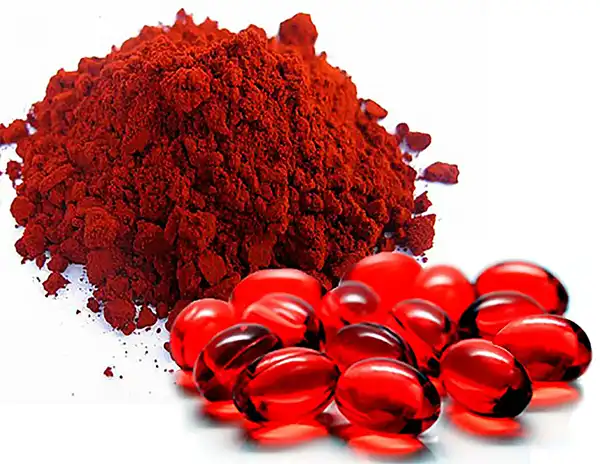
Understanding Astaxanthin: Powder and Oil Forms
Natural Origins and Antioxidant Power
Astaxanthin is a naturally occurring carotenoid that gives salmon, shrimp, and flamingos their unique pink-red color. It is found in Haematococcus pluvialis microalgae. Because this compound's molecules are made up of conjugated double bonds and hydroxyl groups on both ends, it can cross cell walls and protect cells from damage inside and outside of cells. According to research, astaxanthin can reduce singlet oxygen much more quickly than either beta-carotene or vitamin E. This makes it a great ingredient for products that are trying to be healthy. The finished shape and quality depend on the extraction method. Astaxanthin that comes from plants mostly has the (3S,3'S) stereoisomer in an esterified form, which makes it a Natural Astaxanthin Supplement more stable and bioactive than manufactured versions. This difference is very important for brands that want to have a clean label and better health results.
Extraction Techniques: Natural vs Synthetic Pathways
Food-grade ethanol or supercritical CO2 technology is used for natural astaxanthin extraction. This makes sure that the process is safe for solvents and meets organic and non-GMO standards. These methods keep all of the bioactive chemicals intact without leaving behind any dangerous substances. At KH, we only use pure water and food-grade ethanol, which means that the goods we make are very pure in color and dissolve quickly. Synthetic astaxanthin comes from petrochemicals and usually appears as a racemic mixture that has a lot less antioxidant power in living things. In many places, regulations make it illegal for people to eat fake versions, so natural sources are the best choice for cosmetic and food supplement uses. B2B buyers who care about user trust and follow the rules should check the supplier's paperwork to see where the plants came from and what stereoisomer composition they have.
Common Industrial Applications
In different industries, powder and oil play different roles. Lipid carriers make oil more bioavailable, which is why it works so well in high-dose softgel pills. Powder versions work best for making hard capsules, compressing tablets, and making drinks where water needs to be able to mix with the powder. Cosmetic formulators like oil for anti-aging and photo-protection serums and creams, while powder forms work well in dry powder-to-cream systems and color makeup. Both types are used as feed additives in aquaculture, where they improve the color of farmed fish and shrimp and boost their immune systems in high-density breeding situations. Astaxanthin is used by pet food companies in high-end formulas to help pets stay healthy by using its antioxidant qualities to help the skin, coat, and joints.
Astaxanthin Powder vs Oil: Key Differences and Benefits
Bioavailability and Absorption Efficiency
Because it is lipophilic, oil-based astaxanthin is more bioavailable because it works with bile salt-mediated absorption routes in the digestive system. It has been shown in clinical tests that esterified astaxanthin in oil suspension can reach higher plasma amounts than free-form forms. Because of this, oil is the best choice for therapeutic doses in clinical nutrition and performance supplements. Nano-emulsion or starch-matrix technologies help powder forms, especially ones that dissolve in cold water, get around the problems that come with standard solubility. With these new technologies, companies that make drinks and candies can add astaxanthin to their products without worrying about color bleeding or sedimentation. However, absorption rates may be different based on the quality of the capsule and the makeup of the matrix. Teams in charge of buying things should ask for dissolution and stable data that is specific to the area where the products will be used.
Product Stability and Shelf Life Considerations
The way astaxanthin is stored has a big effect on how stable it is in both forms. For oil to stay potent for 24 months at temperatures below 15°C, it needs to be stored in containers that keep air out, block light, and are flushed with nitrogen. The fatty structure naturally protects, but it can still go rancid if it is exposed to air and light. When properly packed in aluminum foil bags or drums, powder forms, especially microencapsulated beadlets, can last up to 36 months longer. The protective structure keeps oxygen from coming into direct contact with the carotenoid core. This slows down the rate of breakdown during storage and distribution. We use nitrogen-flush packaging and light-protection methods to keep astaxanthin effective throughout the Natural Astaxanthin Supplement global supply lines. This solves a problem that many foreign buyers have: long transit times.
Application-Specific Advantages Across Sectors
When making nutraceuticals, oil is used to make softgels with doses between 4 mg and 12 mg, while powder is used to make tablets and hard capsules with precise dose control. Functional beverage makers need powders that can be mixed with cold water and don't break down in acidic settings. High shear processing and temperature sensitivity are two problems that candy makers have to deal with in a special way. Premium beadlet powders can handle these stresses without breaking down into white leftovers. For cosmetic uses, emulsion systems need to be stable. Astaxanthin oil works well with vitamin E and lipid-soluble actives in serums, and it stays photo-stable in pump devices that keep air out. Powder forms are sometimes used in mineral makeup and formulas that don't need water. Manufacturers of aquaculture feed use top-coating methods that protect the oil from thermal breakdown during extruder processing. This makes sure that the coloring works well and the survival rate goes up.
Which Astaxanthin Form Should You Choose? (Decision Support Approach)
Assessing Application Requirements
The first thing you should think about is the format of your end output. Softgel makers should focus on high-concentration oil types that work with standard methods for packaging. Tablet and tablet makers can use free-flowing powders that are easy to crush and don't contain much water. Formulators of drinks need approved grades that dissolve in cold water and have clear information on how they dissolve. The manufacturing conditions must match the technical specs. For high-temperature extrusion, you need beadlets that don't melt or oil coats that are added after the process. Functional drinks with acidic pH levels need matrix-protected powders that don't break down easily when exposed to protons. Before agreeing to bulk purchase, formulation labs should test for compatibility in real-world production settings.
Evaluating Absorption Efficiency and Bioavailability
When the best bioavailability is important for product placement, like in clinical nutrition or high-end food supplements, oil types are better. Higher amounts of astaxanthin in the blood are caused by the esterified structure and lipid carrier, which improve uptake in the intestines. This directly relates to dose effectiveness and possible gains in health outcomes that brands can use in their marketing messages. Well-designed powder systems that use nano-emulsion technology, on the other hand, can get close to oil-level solubility while giving manufacturers more options. Purchasing managers should ask providers for compared bioavailability data, such as pharmacokinetic studies that show rates of absorption and plasma retention times. These measures allow selection based on proof that matches product claims and what target consumers expect.
Regulatory Compliance and Quality Certifications
Cash flow and inventory risk are affected by minimum order amounts. We can take both sample orders and business sales starting at 25 kg, so formulators can test how well the product works before ramping up production. For product launches that need to happen quickly, delivery speed is very important. Our ready stock position allows for quick shipment within 3–5 business days for normal specs. When it comes to international markets, different rules apply. In Europe, buyers often put an emphasis on organic approval and Novel Food compliance. In the US, on the other hand, FDA registration and USP guidelines are more important. Japanese customers may need specific levels of heavy metals and tests for leftover solvents. When choosing a supplier, you should look at their certificates, such as ISO9001, FSSC22000, KOSHER, HALAL, and HACCP. Traceability includes checking the plant source and keeping records at the batch level. Each package should come with full certificates of analysis that list the amount of astaxanthin found using HPLC, as well as the limits for microbes, chemical residues, and heavy metals. End-to-end traceability from growing the algae to extracting the active ingredient and encasing it gives the proof needed for regulatory applications and customer checks.
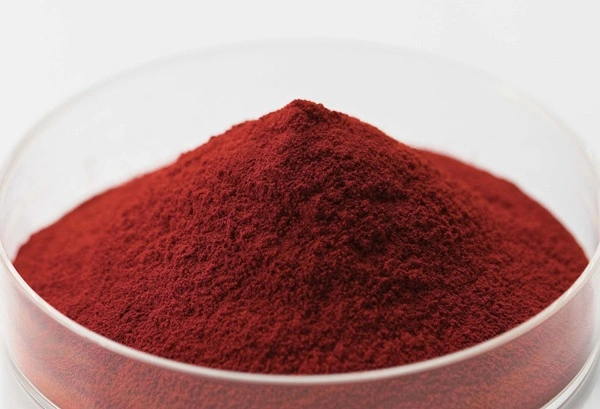
Procurement Guide: How to Buy Astaxanthin Powder and Oil in Bulk
Supplier Credibility and Quality Assurance
To find trusted astaxanthin providers, you need to do more than just compare prices. Check out the manufacturing options, such as agreements for controlled algae cultivation that handle choosing the strains, controlling the growth conditions, and deciding when to collect. These upstream controls have a direct effect on the quality of the raw materials and the amounts of the active ingredients. Facilities that follow good manufacturing practices (GMPs) and have written standard operating procedures for extraction, packaging, and testing should be part of quality control systems. Audits by third parties, such as well-known licensing groups, provide independent proof of compliance. Even though they take a lot of time and effort, site trips are very Astaxanthin Powder And Oil helpful for learning about production hygiene, equipment upkeep, and lab capabilities. We welcome checks from customers and offer video tours of our facilities to buyers from other countries.
Contract Considerations: MOQ and Bulk Pricing
The minimum order amounts strike a balance between the buyer's inventory risk and the supplier's ability to make things quickly. For known specs, standard business minimums usually start at 25 kg. However, for custom formulations, bigger pledges may be needed to cover setup costs. We can take small-batch trial orders to help with formulating and trying the market before full-scale sales. Bulk price systems should take number promises into account while still being clear. Long-term supply deals can help you get better prices and be given priority during times of high demand. The terms of the contract must include quality standards, sample procedures, ways to settle disagreements, and measures for "force majeure." When custom ratio mixes or secret encapsulation technologies are made together, intellectual property security becomes important.
Packaging, Shelf Life Management, and Delivery Logistics
It turns out that protective packaging is necessary to keep astaxanthin stable. For large shipping, we use metal foil bags inside fiber drums, and nitrogen flushing gets rid of the oxygen. Seals that keep out moisture and materials that block light are examples of secondary packing. Samples weighing 100g to 10 kg are sent in food-grade plastic bags that can be used for testing in the lab. To do international operations well, you need to know how to classify dangerous materials, fill out customs forms, and move them at the right temperature. We offer a range of shipping choices, such as courier for samples, air freight for pressing orders, and ocean freight for bulk transfers at a low cost. Transit time optimization finds the best mix between speed and cost, taking into account things like clearing customs and making the last transfer to a factory. Our world transportation network makes sure that products arrive on time and in good condition, so there aren't many interruptions in production.
Conclusion
Before choosing between astaxanthin oil and powder, you need to carefully think about the needs of the application, the bioavailability, the practical tasks, and the legal requirements. Oil forms are better at absorption and work well for high-dose softgels. Powder forms are more versatile and can be used in tablets, drinks, and makeup. Both of them still have the high antioxidant power that makes astaxanthin a top element in many fields. Partnering with suppliers that offer regular quality, thorough documentation, expert help, and quick logistics is key to successful procurement. By matching material requirements with performance standards for end use, brands can make their products work better while keeping costs low and compliance risks low.
FAQ
1. What distinguishes natural from synthetic astaxanthin sources?
The natural astaxanthin from Haematococcus pluvialis is mostly the (3S,3'S) stereoisomer in esterified form, which makes it more stable and bioactive. Synthetic versions come from petroleum sources and are racemic mixes that have a lot less antioxidant power in living things. Synthetic astaxanthin can't be used in food supplements in many places because of regulations. This means that natural sources are necessary for consumers to accept and follow the rules.
2. How do storage requirements differ between oil and powder forms?
For the best 24-month shelf life, astaxanthin oil needs to be kept in cases that keep air out, block light, and are flushed with nitrogen. Powder forms, especially microencapsulated beadlets, can stay stable for 36 months if they are stored in cool, dry places and sealed in aluminum foil bags with desiccants. Both types break down quickly in light, heat, and air, so strict handling rules are needed all over delivery networks.
3. Can astaxanthin oil integrate into hard capsule formulations?
When used directly, there is a chance of leaks, and the gelatin shell could break down. Before it can be encapsulated, oil has to be sprayed dry or adsorbed onto carriers like silicon dioxide. This change usually lowers the end concentration of astaxanthin compared to powder beadlets that were made for that reason, which affects how well the dose works and how much it costs to make.
Partner with KH for Premium Astaxanthin Supply Solutions
KH has more than 25 years of experience working with botanical ingredients and can help B2B buyers find trusted Astaxanthin Powder and Oil providers. We have full control over the whole process, from forming relationships to grow algae to using only clean water and food-grade ethanol for extraction—never harmful solvents. This promise gives you very pure colors, fast dissolution, and safety factors that help you place your product with a clean label. We keep both oil and powder forms in stock, with strengths ranging from 1% to 96%. These strengths have been confirmed by HPLC tests and come with full batch paperwork, such as certificates of analysis. Our application laboratory helps with recipe improvement for drinks, gummies, pills, and skin care systems, and it can also test for stability. We are registered with the FDA, have ISO9001, FSSC22000, KOSHER, HALAL, and HACCP certifications, so we meet foreign legal standards. We also offer flexible minimums, ranging from sample numbers to business volumes. You can email our expert team at info@kingherbs.com to get quotes, samples, and buying advice that are specifically made for your purpose.
References
1. Ambati, R.R., Phang, S.M., Ravi, S., and Aswathanarayana, R.G. (2014). Astaxanthin: Sources, Extraction, Stability, Biological Activities and Commercial Applications. Marine Drugs, 12(1), 128-152.
2. Guerin, M., Huntley, M.E., and Olaizola, M. (2003). Haematococcus astaxanthin: Applications for Human Health and Nutrition. Trends in Biotechnology, 21(5), 210-216.
3. Higuera-Ciapara, I., Felix-Valenzuela, L., and Goycoolea, F.M. (2006). Astaxanthin: A Review of its Chemistry and Applications. Critical Reviews in Food Science and Nutrition, 46(2), 185-196.
4. Hussein, G., Sankawa, U., Goto, H., Matsumoto, K., and Watanabe, H. (2006). Astaxanthin, a Carotenoid with Potential in Human Health and Nutrition. Journal of Natural Products, 69(3), 443-449.
5. Lorenz, R.T. and Cysewski, G.R. (2000). Commercial Potential for Haematococcus Microalgae as a Natural Source of Astaxanthin. Trends in Biotechnology, 18(4), 160-167.
6. Yuan, J.P., Peng, J., Yin, K., and Wang, J.H. (2011). Potential Health-Promoting Effects of Astaxanthin: A High-Value Carotenoid Primarily from Microalgae. Molecular Nutrition & Food Research, 55(1), 150-165.
Send Inquiry
Related Industry Knowledge
- Nettle Extract Powder Uses and Plant Profile
- Is Dill Seed Extract the Next Trending Herbal Ingredient?
- Isatis Root Extract Active Compounds Explained
- Is Macleaya Cordata Extract Effective for Swine Production?
- Why Is Macleaya Cordata Extract Popular in Animal Nutrition?
- How to Choose High-Quality Mango Leaf Extract Powder?
- Olive Extract Powder Benefits: Antioxidant & Health Support
- Macleaya Cordata Extract Benefits for Health & Wellness
- Mango Leaf Extract Powder: Nature’s Antioxidant Powerhouse
- Lespedeza Capitata Extract: Targeted Botanical for Urinary Wellness