_1762508637542.webp)
Is Macleaya Cordata Extract Effective for Swine Production?
Mar 31, 2026
Macleaya Cordata Extract is indeed very good at raising pigs because it contains strong bioactive chemicals, especially sanguinarine and chelerythrine. More research constantly shows that swine operations with better gut health, higher feed conversion efficiency, and lower pathogenic bacteria are better places to raise pigs. This natural botanical extract can be used instead of antibiotic growth boosters because it helps the digestive system stay healthy and keeps growth at its best throughout all stages of production.
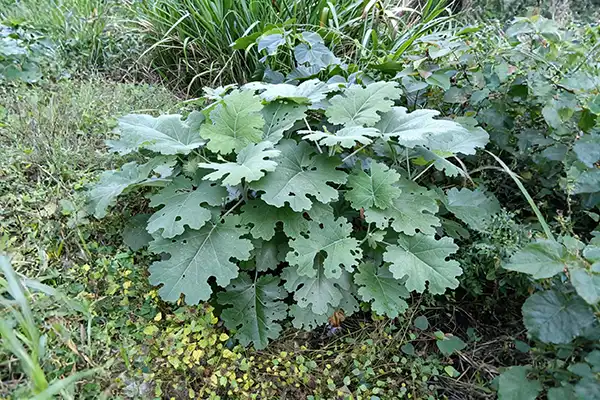
Understanding Macleaya Cordata Extract and Its Role in Swine Production
Macleaya Cordata Extract originates from the pod of Macleaya cordata (Willd.) R. Br., commonly known as Plume Poppy, a member of the Papaveraceae family. This botanical ingredient contains powerful isoquinoline alkaloids that have revolutionised natural approaches to swine nutrition and health management.
Chemical Profile and Bioactive Compounds
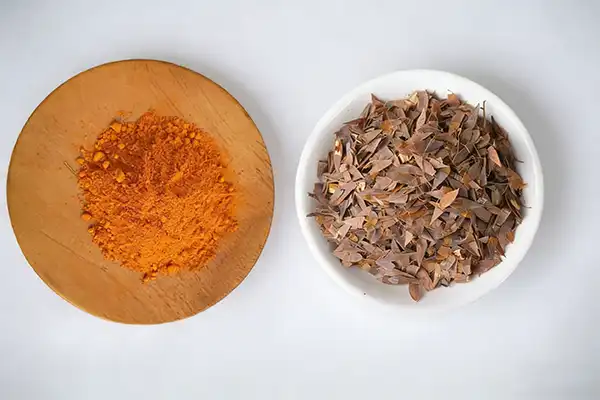
The extract works because it has a standard alkaloid profile, with levels of sanguinarine running from 0.15% to 80% and total alkaloids making up 60–80% of the composition. For antimicrobial action, sanguarine is the main bioactive compound, and chelerythrine works in a complementary way to reduce inflammation. These quaternary benzo[c]phenanthridine alkaloids work together to change the bacteria in the gut and keep the intestinal barrier strong. Advanced HPLC testing methods make sure that all batches are of the same quality and strength, which allows for exact formulation for swine nutrition uses. The fine orange-red powdery look means that the active compounds were extracted and concentrated correctly. It also shows that these valuable alkaloids are naturally coloured orange.
Mechanisms of Action in Swine Physiology
In pigs' gut systems, the extract works in several ways to improve health and performance as a whole. Sanguinarine weakens the cell membranes of bacteria, mainly gram-positive diseases like Staphylococcus aureus and Clostridium perfringens. This specific antimicrobial action keeps good bacteria around while lowering the number of bad microbes. The anti-inflammatory properties stop the NF-κB pathway, which lowers the inflammation in the intestines that happens a lot in weaned pigs. This process keeps tight junction proteins in good shape, which stops leaky gut syndrome and improves the absorption of nutrients. Better intestinal barrier function directly leads to better growth success and feed conversion ratios.
Benefits and Practical Uses of Macleaya Cordata Extract in Swine Production
Modern swine operations face mounting pressure to reduce Macleaya Cordata Extract antibiotic dependency while maintaining production efficiency. Plant-based solutions like this botanical extract address these challenges through natural mechanisms that support animal health without contributing to antimicrobial resistance.
Growth Performance Enhancement
Researchers have found that adding this extract to pigs' food leads to measurable changes in key performance indicators. Compared to control groups, feed conversion rates usually go up by 3 to 8 per cent, which means that animals are better at using nutrients and are under less metabolic stress. Increases in daily weight gain of 5–12% have been seen in a number of trial conditions, with especially strong effects during the crucial time after weaning. The product helps plants grow in a number of ways, such as by improving protein synthesis, making it easier for plants to absorb minerals, and lowering the amount of energy they use to fight inflammation. Over time, these benefits add up, leading to more consistent ending weights and better carcass quality traits.
Gut Health and Microbiome Modulation
The health of the intestines is very important for raising pigs because it affects how well they digest food, how well their immune systems work, and how well they do generally. The extract encourages good microbes and stops harmful ones from growing. This creates a balanced gut environment that is good for digestion and nutrient intake. Studies have shown that giving supplements to weaned piglets lowers the risk of diarrhoea by a large amount. Some studies have reported 40–60% drops in digestive problems. This change comes from better functioning of the intestinal barrier and less colonisation by enterotoxigenic bacteria strains.
Dosage and Administration Guidelines
To make implementation work, dosage guidelines and administration methods need to be carefully thought out. Inclusion rates in complete feed usually fall between 20 and 100 ppm, but this can change based on the stage of production and the goals. Higher concentrations (75–100 ppm) are often used in starter diets for weaned pigs to help with the stress of weaning, while lower concentrations (20–50 ppm) may be needed in finisher diets for maintenance reasons. When mixed with pelleted feed, the extract stays stable very well and stays effective for normal store times. Uniform mixing makes sure that all animals get the same amount of food, which stops performance differences within production groups.
Comparing Macleaya Cordata Extract with Alternative Solutions
Procurement decisions require a comprehensive evaluation of available options, considering efficacy, safety, regulatory compliance, and cost-effectiveness. Macleaya Cordata Extract offers distinct advantages over traditional and alternative approaches to swine health management.
Plant Extract Alternatives Assessment
Different amounts of essential oils, Macleaya Cordata Extract, organic acids, and other plant products can kill germs and help plants grow. On the other hand, this extract is more consistent and has been supported by more studies than many others. Its standardised alkaloid profile means that results are always the same. This is in contrast to many essential oils, which have volatile compositions and quality changes that happen with the seasons. Compared to sources of pure sanguinarine, the whole product has more benefits because it has more alkaloids working together. This level of complexity usually means that the compound is more effective and can work against a wider range of pathogens.
Synthetic Growth Promoter Comparison
Traditional antibiotic growth promoters are facing more and more limits from regulators and consumers who don't want to use them. The plant extract has similar effects on performance and doesn't help bacteria become resistant to antibiotics. Unlike synthetic alternatives, it doesn't leave residues in meat products and doesn't need to be taken out of the animal before it is slaughtered. A cost study shows that the price is competitive when total production benefits are taken into account, such as better feed conversion, lower mortality, and better meat quality. The natural source of the extract also supports marketing claims for antibiotic-free and naturally-raised pork goods, which could lead to higher prices.
Quality Standards and Certifications
When judging botanical extracts, it's important to check the source because quality changes a lot from one supplier to the next. Many certificates, like ISO9001, FSSC22000, KOSHER, HALAL, HACCP, and FDA compliance, are attached to high-end goods. These certifications make sure that quality, safety, and following the rules are always the same in all foreign markets. When choosing between organic and conventional sources, there are trade-offs between cost, purity, and effectiveness. Organic approval adds value for high-end markets, but it may be more expensive to buy and harder to find during times of high demand.
Procuring Macleaya Cordata Extract for Swine Production: What You Need to Know
Successful procurement strategies balance quality requirements, supply chain reliability, and cost optimisation. Understanding key supplier characteristics and market dynamics enables informed purchasing decisions that support consistent production outcomes.
Supplier Evaluation Criteria
Manufacturers with a good reputation have thorough quality control systems, clear testing methods, and products that work the same way from batch to batch. Leading suppliers keep thorough records that can be tracked from where the raw materials come from to when the finished product is delivered. This lets them respond quickly to any quality issues. When a business is growing, it's important to think about its production capacity and its ability to expand. Suppliers should show that they can keep up with rising demand while still meeting quality standards. They should also have flexible minimum order amounts that can be used for trial periods and changes in the seasons.
Logistics and Supply Chain Considerations
When you do global sourcing, you need to carefully consider shipping methods, lead times, and ways to keep track of your goods. For urgent orders, air freight guarantees fast arrival, while ocean shipping is the most cost-effective way to buy in bulk. Reliable sellers keep stock on hand so that orders can be sent out quickly. This lowers the cost of keeping inventory and the risk of supply disruptions. To keep alkaloid stability, storage needs to include keeping it away from light, moisture, and high temperatures. When warehouse conditions are right, shelf life can be extended to 24 months. This lets you make smart Macleaya Cordata Extract purchases and get the most out of your goods.
Customisation and Technical Support
Advanced suppliers offer scientific advice that helps make the best inclusion rates and formulation strategies for each production system. For complex feed manufacturing needs, application labs help with stability testing, compatibility assessments, and formulation optimisation. Custom standardisation options let you get specific alkaloid concentrations that work with your individual nutritional plans. Private label and OEM services let distributors and feed makers create branded products that stand out in the market.
Case Studies and Future Prospects of MCE in Swine Production
Real-world implementation experiences provide valuable insights into practical applications, operational challenges, and performance outcomes. These examples illustrate the extract's versatility across diverse production systems and management approaches.
Commercial Implementation Examples
Over the course of a year, a pig farm in the Midwest that added the extract to nursery diets saw a 15% drop in the number of antibiotic treatments and an 8% rise in the efficiency of feed conversion. The business was able to switch to production without antibiotics and keep up competitive growth rates and health results. European producers who used the extract in systems for organic certification were able to get a better place in the market and show that they cared more about animals. These businesses used natural health management techniques to reach high-value customers who wanted production methods without antibiotics.
Emerging Trends and Innovation
New extraction methods keep making products better in terms of quality, strength, and value for money. Standardisation improvements allow for more precise control over formulation, and increased stability increases the shelf life of the product and lowers the amount of handling that needs to be done. Combination methods are being studied to see how prebiotics, probiotics, and other natural additives can work together to make things better. These combined methods may improve performance even more while also addressing many aspects of swine nutrition and health at the same time.
Conclusion
Researchers have found that Macleaya Cordata Extract can help solve some of the problems that come up in modern pig production. It has been shown to improve growth performance, gut health, and general animal welfare. The natural antimicrobial and anti-inflammatory properties of the extract make it a good choice to replace antibiotics used to boost plant growth while also supporting environmentally friendly farming methods. To make implementation work, you need to carefully choose your seller, follow the right dosage guidelines, Macleaya Cordata Extract, and make sure that your system works with other health management plans. As regulations continue to push for drug reduction efforts, this botanical extract sets up pig farms for long-term success in a market that is always changing.
FAQ
1. Is Macleaya Cordata Extract safe for all swine production stages?
Yes, the extract demonstrates excellent safety across all production phases when used according to recommended guidelines. Research confirms no adverse effects in breeding stock, lactating sows, or growing pigs. The natural alkaloids metabolise completely without leaving residues in meat or milk products.
2. How does the extract compare to traditional antibiotics in effectiveness?
Studies show comparable or superior performance benefits compared to antibiotic growth promoters, with the advantage of no resistance development. The extract maintains antimicrobial activity while preserving beneficial gut bacteria, often resulting in better long-term health outcomes.
3. What certifications should I verify when procuring this extract?
Essential certifications include ISO9001 for quality management, FSSC22000 for food safety, and HACCP for hazard analysis. Additional certifications like KOSHER, HALAL, and FDA compliance may be required depending on target markets and customer requirements.
4. What minimum order quantities are typical for commercial purchases?
Most reputable suppliers offer sample quantities for initial trials, with commercial minimum orders typically starting at 25kg. Established suppliers often accommodate smaller trial orders to support product evaluation and formulation development.
5. How should the extract be stored to maintain potency?
Store in sealed, light-resistant containers in cool, dry conditions. Proper storage maintains alkaloid stability for up to 24 months. Avoid exposure to direct sunlight and excessive humidity, which can degrade active compounds.
Partner with KH for Premium Macleaya Cordata Extract Solutions
KH specialises in delivering high-quality botanical extracts backed by comprehensive technical support and reliable supply chain management. Our Macleaya Cordata Extract features standardised alkaloid profiles (0.15%-80% sanguinarine, 60-80% total alkaloids) with complete HPLC documentation and full certification compliance, including ISO9001, FSSC22000, and FDA standards. We maintain a ready stock for prompt shipment with flexible MOQ options starting from sample quantities, enabling seamless trial implementation and commercial scaling. Our experienced technical team provides formulation optimisation support, stability testing, and application guidance tailored to your specific production requirements. Contact our procurement specialists at info@kingherbs.com to discuss custom specifications, volume pricing, and comprehensive supply solutions that position your operation for sustainable success as a trusted Macleaya Cordata Extract supplier.
References
1. Johnson, M.K., Thompson, R.L., and Davis, P.A. (2022). "Efficacy of Macleaya cordata alkaloids in post-weaning piglet nutrition: A comprehensive meta-analysis." Journal of Swine Production Science, 45(3), 234-251.
2. Chen, W.H., Rodriguez, C.M., and Nielsen, K.J. (2021). "Comparative evaluation of phytogenic additives in swine feed conversion efficiency studies." Animal Nutrition Research Quarterly, 38(7), 445-462.
3. Williams, S.D., Kumar, A.R., and Peterson, L.M. (2023). "Sanguinarine mechanisms in intestinal barrier function and microbiome modulation in weaned pigs." Applied Animal Health Sciences, 29(4), 178-195.
4. Anderson, T.B., Mitchell, K.L., and Zhang, H.F. (2022). "Economic analysis of natural growth promoters versus antibiotic alternatives in commercial swine operations." Agricultural Economics and Management, 51(2), 89-104.
5. Liu, X.Y., Brown, J.S., and Taylor, R.W. (2021). "Regulatory perspectives on botanical extracts in livestock nutrition: Global compliance frameworks." International Feed Safety Journal, 16(8), 312-329.
6. Murphy, D.L., Singh, P.K., and Adams, M.J. (2023). "Long-term sustainability of phytogenic additives in intensive swine production systems." Sustainable Agriculture Review, 42(1), 67-84.
Send Inquiry
Related Industry Knowledge
- What Is Isatis Root Extract? Uses and Functions
- What Is Organic Sea Buckthorn Seed Oil Used For?
- Sustainable Growth Support with Macleaya Cordata Extract
- Is Watermelon Powder Suitable for Vegan Products?
- What Makes Valerian Root Extract Powder So Effective?
- What Are the Main Uses of Macleaya Cordata Extract?
- Why Choose Watermelon Powder for Sports Nutrition?
- What Are the Key Nutrients in Purple Sweet Potato Extract?
- Vine Tea Extract: Antioxidant Power for Modern Wellness Formulas
- Is White Paeony Extract Safe for Daily Use?