_1762508637542.webp)
Is Dill Seed Extract the Next Trending Herbal Ingredient?
Apr 21, 2026
The herbal extract industry stands at a fascinating crossroads, with Dill Seed Extract emerging as a compelling candidate for mainstream adoption. Derived from Anethum graveolens seeds through advanced extraction processes, this botanical ingredient demonstrates remarkable versatility across nutraceutical, cosmetic, and pharmaceutical applications. The extract's concentrated profile of essential oils, flavonoids, and phenolic compounds positions it strategically within current market trends, favoring natural, scientifically backed ingredients. While established herbs dominate current procurement portfolios, mounting research evidence and industrial demand patterns suggest Dill Seed Extract possesses the technical specifications and commercial viability necessary to achieve trending status in global ingredient markets.
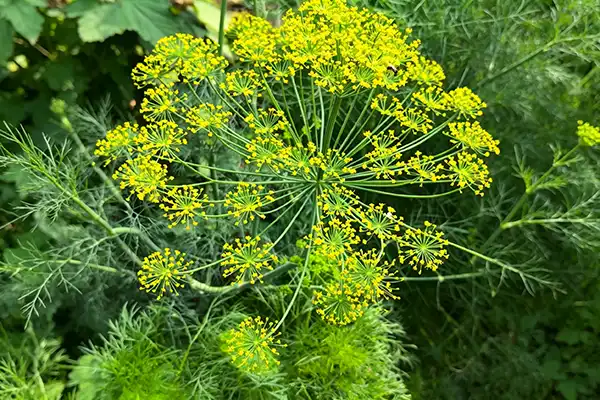
Understanding Dill Seed Extract: Definition, Nutritional Value, and Health Benefits
Dill Seed Extract is a concentrated medicinal powder that is made from Anethum graveolens seeds using advanced methods of extraction. This high-quality plant ingredient keeps the full range of essential oils, flavonoids, and phenolic acids that are found in dill seeds. Because it comes from a pure plant, the extract has a unique warm smell and a brownish-yellow color.
Chemical Composition and Bioactive Profile
Modern extraction methods only use pure water or food-grade ethanol, which makes sure that sourcing teams get ingredients with clean labels that don't contain any dangerous solvents. Carvone, limonene, and flavonoid molecules like vicenin and orientin are the main effective parts. These chemicals make the product useful for both medical and commercial purposes. Quality standards usually include concentration ratios of 4:1 to 5:1. These give reliable formulation results by setting standard amounts of strength. The standardization of the volatile oil content through gas chromatography analysis ensures the batch-to-batch dependability that procurement workers need for production operations that can grow.
Health Benefits and Therapeutic Applications
The traditional carminative features of the extract help keep the digestive system healthy by naturally lowering gas, bloating, and stomach pain. These benefits are used in clinical uses to make formulations that help with digestive health problems and formulations that are used to treat digestive health problems. Another big benefit is that flavonoids and monoterpenes fight oxidative stress and keep cell structures safe from free radical damage. This quality makes the extract more valuable for anti-aging and health uses in many different types of businesses. Natural antimicrobial action works well against many types of bacteria and fungi, which supports immune health uses and clean-label food preservation methods. Because the extract can be used as both a healing agent and a natural preservative, it can be used in two different ways, giving formulators more options.
Safety Profile and Regulatory Considerations
For dietary supplements, useful foods, and beauty uses, the extract has been thoroughly tested to make sure it meets all regulatory standards. Concerns about dangerous residues are taken care of by the clean extraction method that uses water or ethanol as a solvent. This meets important buying requirements for buyer safety and regulatory compliance. Dosage suggestions for supplements are usually between 250 mg and 500 mg per day. This gives product development teams clear information when they are making recipes for consumers. Because the extract can withstand temperatures up to 120°C during processing, it can be used with normal manufacturing methods in a wide range of industrial settings.
Comparative Analysis: Dill Seed Extract vs Other Herbal Extracts
To understand how to place yourself in the market, you need to carefully compare your products to well-known plant extracts that are currently popular choices. This study looks at the chemical makeup, therapeutic effects, and useful uses to find competitive benefits and ways to stand out in the market.
Chemical Composition Differences
Dill Seed Extract is different from fennel, coriander, and anise seed extracts because it has a different flavonoid makeup and a different amount of carvone to limonene. Anethole levels are higher in fennel extract, while carvone levels in dill are higher and have different healing and organoleptic effects. Comparative volatile oil research shows that dill is more stable at high temperatures than anise extracts. This makes it better for food manufacturing processes that involve high temperatures. The extract has more phenolic acid than coriander extracts, which makes it a better antioxidant and gives it more possible uses in anti-aging products.
Therapeutic Effect Variations
The digestive health uses show that these plant products are very different from each other. Dill has better gas-busting properties than coriander, and it works with fennel's antispasmodic qualities in different ways. This possibility for synergy opens the door to complicated formulations that aim for overall digestive health. Antimicrobial efficiency tests show that dill extracts are more effective than anise extracts against gram-positive bacteria, but they are about the same against fungal pathogens. Because of these qualities, the extract is good for preserving food that needs broad-spectrum antibacterial protection.
Form Factor Considerations
Depending on the needs of the application, powdered versus liquid extract forms offer different benefits. Spray-dried powder forms are more stable and easier to work with when making tablets and capsules. They also keep their consistent flow qualities, which are important for automatic production equipment. Liquid extract forms offer better bioavailability in beverage uses, but they need to be stored in a certain way and handled carefully to keep them from going bad. The choice of media has a big effect on how to get the product, how much it costs to store, and how flexible the recipe can be.
Organic Certification Impact
Organic approval has a big effect on the quality of the extract, its price, and its place in the market. Although Certified Organic Dill Seed Extract is more expensive, it gives companies access to growing clean-label markets where people are actively looking for organic certification. The certification method makes sure that strict standards are followed for farming and handling, which lowers the risk of contamination and boosts the trustworthiness of the product. But organic approval can limit the suppliers you can work with and make the buying process more complicated, so you need to carefully weigh the costs and benefits.
Market Insights and Procurement Guide for Dill Seed Extract
The way the market is moving now shows that the desire for natural, useful ingredients is growing faster in many industries. More and more, consumers want ingredients that come from plants and have been proven to work by science. This means that well-positioned vegetable products like dill seed can make money.
Market Trend Analysis
The global market for plant extracts is consistently growing, and the digestive health groups are especially strong. Researchers have found that people are becoming more aware of the link between gut health and general health, which is increasing the demand for natural ingredients that support digestion. Manufacturers are looking for natural alternatives to manmade additives and stabilizers as clean-label trends continue to change how they buy things. Dill Seed Extract is a great choice because it has antimicrobial qualities and doesn't depend on manufactured chemicals. Herbal extracts are being added to more and more health drinks, digestive tonics, and specialty tea mixes, which opens up new business possibilities in the functional beverage market. The extract has natural taste qualities that go well with its health benefits, giving drink makers two good deals in one.
Supplier Evaluation Criteria
For buying to go well, suppliers' skills, certifications, and quality control procedures must be carefully examined. Some important things to think about are making sure the extraction method works, checking for solvent waste, and making sure that the heavy metal analysis meets USP and EP standards. To make sure that all target markets follow the rules, certification packages should include ISO9001, FSSC22000, KOSHER, HALAL, HACCP, and FDA registrations. These certifications show that the provider is dedicated to quality management and following the rules that are necessary for foreign trade. It's becoming more and more important to be able to track a supply line from where the raw materials come from to where the finished product is delivered. Risk management and quality assurance are better when suppliers provide thorough batch paperwork, analytical reports, and chain-of-custody records.
Pricing and Contract Considerations
Prices on the market right now are based on how hard it is to remove, how good the raw materials are, and what certifications are needed. Most of the time, organic approved extracts cost 20–30% more than regular ones, and special amounts may make the prices go up even more. Minimum order quantities should be spelled out in the contract terms. For business orders, these should start at 25 kg, but smaller trial amounts can be used for product development. To keep costs down and make sure there is a steady supply, payment terms, shipping dates, and quality requirements must be carefully negotiated. Long-term supply deals can help keep prices stable and make sure that raw materials are always available. This is especially helpful for agricultural products where quantity and quality may change with the seasons.
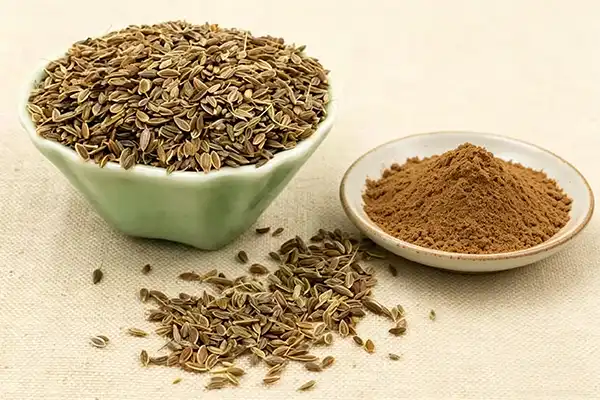
Brand and Supplier Evaluation: Choosing the Right Dill Seed Extract Vendor
One of the most important decisions in buying is choosing a vendor. This choice has a direct effect on product quality, supply stability, and, in the end, market success. There are a lot of things that need to be balanced in thorough evaluation processes, such as quality skills, legal compliance, and business terms.
Leading Global Manufacturers Assessment
The Dill Seed Extract supply landscape includes established botanical ingredient suppliers that have a history of success in extracting herbs and managing quality in the market. Key evaluation factors rely on the ability to make things, the technology used for extraction, and the quality control systems in place. Kingherbs Limited, with its wide range of plant ingredients and state-of-the-art preparation facilities, is a leader in its field. The company has been in business since 1996 and has a lot of experience handling herbs while keeping strict quality standards in all of its production processes. Vertical integration is a way for the company to make sure quality control from getting the raw materials to delivering the finished product. This full control throughout the supply chain lowers the risks involved while maintaining the quality and liquidity that are necessary for business manufacturing.
Certification and Compliance Verification
Verification of regulatory compliance needs a close look at all the paperwork and, if possible, a check of the building. Important certificates include ISO9001 for managing quality, FSSC22000 for food safety, and KOSHER and HALAL for meeting the needs of certain markets. Product can be sold in controlled markets if it is registered with the FDA and meets USP/EP standards. Organic certifications let you sell to more expensive customers. All certificates and titles that suppliers claim to have should be backed up by a lot of paperwork. Third-party testing and confirmation of analytical methods show a dedication to quality assurance that goes beyond the basics of compliance. When suppliers spend money on new analytical tools and developing new methods, they usually offer better quality, stability, and expert support.
Quality Assurance and Technical Support
Leading sellers offer more than just basic ingredient supplies. They also offer professional support, such as help with formulation, stable testing, and application development. When formulas are complicated and need specific knowledge, these skills become even more useful. Kingherbs Limited's application laboratories allow for full testing and development support, which helps customers improve formulas and make sure that products are stable and effective. This method of technical partnerships adds value beyond just trading ingredients. For quality records, there should be thorough HPLC analysis reports for every batch. These reports should be clear about the amounts and purity levels of active compounds. Full certificates of analysis help people make smart choices and make sure quality standards are met all along the supply chain.
Future Outlook: Why Dill Seed Extract Is Gaining Momentum in Herbal Ingredients
There are a lot of reasons that point to Dill Seed Extract having a lot of room to grow in the plant ingredients market. These factors include changes in customer tastes, changes in regulations, and improvements in technology that all work together to encourage more adoption and application development.
Research and Development Momentum
Scientists are looking into dill's healing qualities more closely because of growing interest in traditional plants. Recent studies look into uses besides standard gut support, such as metabolic health, antimicrobial action, and antioxidant defense. A clinical study that looks into how dill affects blood sugar levels and lipid metabolism says that it could be used in metabolic health products. These new uses could open up a lot more market possibilities outside of the usual digestive health categories. New technologies in extraction and regulation allow for more accurate control over the amounts of bioactive compounds present. This makes the products more consistent and helps doctors predict how well they will work. These changes fix problems with the variety of plant ingredients that were used to stop them from being used in food products.
Consumer Demand Drivers
As people become more health-conscious, they look for natural alternatives to synthetic ingredients. This has led to steady demand growth for plant products that have been proven to work by science. Dill Seed Extract benefits from this trend and has special qualities that make it stand out from other plant products in the same category. More people are buying natural gut support ingredients because they know that digestive health affects general health. Using dill in traditional ways and proving it scientifically today makes for interesting marketing stories for consumer-facing goods. Clean-label programs in the food and supplement industries like dill extract because it has both useful qualities and natural ways to keep things fresh. Manufacturers are interested in this dual usefulness because it saves them money and makes formulations easier.
Regulatory Environment Evolution
Regulatory systems are always changing to support the use of natural ingredients while keeping safety standards high. New guidelines make it clearer how botanical ingredients can be approved and sold, which lowers the governmental confusion that used to slow market growth. International attempts to harmonize make it easier for botanical materials with proper documentation to be sold on markets around the world. This opens up more business possibilities for sellers who meet strict quality and safety standards. These changes are especially good for products that have been used for a long time and have a lot of safety statistics. As regulators become more open to traditional use claims that are properly supported, it opens up more marketing opportunities for plant ingredients that have been used for healing purposes in the past. Dill has a lot of evidence about traditional uses that support different types of health claims in many places.
Conclusion
There is a lot of evidence that Dill Seed Extract has what it takes to become popular in the plant ingredients market. This evidence comes from market trends, scientific proof, and customer tastes. Its unique chemical profile, wide range of uses, and long history of safety make it a better choice than other plant products. The extract can be used as both a healing agent and a natural preservative, which makes it a great choice for companies that need solutions that can do more than one thing. Clean-label programs, concerns about digestive health, and a desire for natural ingredients are all driving market progress. This makes it possible for the market to continue growing and spreading across many industries.
FAQ
What makes Dill Seed Extract superior to other digestive health ingredients?
Dill Seed Extract offers unique advantages through its standardized carvone content and superior thermal stability compared to many other plant extracts. The digestive qualities of the extract work in a way that is different from other digestive herbs, enabling synergistic formulations when combined with complementary ingredients like fennel or anise. It also has antimicrobial qualities that help keep food fresh in a way that manmade stomach aids can't.
How does extraction methodology affect product quality and applications?
Using pure water or food-grade ethanol for advanced extraction ensures that the product is compatible with clean labels and keeps the beneficial chemicals. Spray-drying methods that use safe agents like maltodextrin make the product more stable and increase its shelf life to 24 to 36 months when stored at room temperature. Because it is more stable than essential oils, the extract can be used in situations where essential oils would break down quickly, like when they are processed at high temperatures or stored for a long time.
What certifications should procurement professionals prioritize when sourcing?
Some important certificates are ISO9001 for managing quality, FSSC22000 for food safety, and a FDA license for following the rules. KOSHER and HALAL certifications make markets easier to get into, while organic certification commands higher prices but limits the suppliers that can be used. Suppliers should back up all of their certification claims with detailed paperwork and the ability for a third party to analyze and confirm the information.
How do concentration ratios impact formulation decisions?
Standard concentration ratios of 4:1 and 5:1 give you different amounts of strength that can be used in different situations. Higher ratios may make ingredients more expensive, but they also lower the amount that needs to be used in final goods. Standardizing volatile oils gives us more exact control over bioactive compounds, which is especially important for therapeutic uses that need uniform amounts of effectiveness.
What quality control measures ensure consistent batch quality?
Some of the strict tests that are done are HPLC or GC analysis to check for active compounds, liquid residue testing according to USP standards, heavy metal analysis using ICP-MS, and full microbial screening. To make sure the product is safe and follows the rules, suppliers should give full certificates of analysis for each batch. These certificates should include stable data and contamination test results.
Partner with KH for Premium Dill Seed Extract Supply Solutions
Kingherbs Limited is ready to help you buy Dill Seed Extract by providing the highest quality standards and the most thorough expert support. With more than 25 years of experience working with botanical ingredients, we can guarantee a stable supply chain and steady product quality that meets the strictest production needs. We offer a range of ordering choices, from small sample amounts for product development to large business volumes starting at 25 kg. We also keep a lot of stock on hand and can ship quickly. Our approved facilities follow the rules set by ISO9001, FSSC22000, KOSHER, HALAL, HACCP, and the FDA. They also give full analysis reports for every batch. Please email our technical team at info@kingherbs.com to talk about your particular needs and find out why top makers choose KH as their first choice for reliable, high-quality botanical products like Dill Seed Extract.
References
1. Kumar, S., & Singh, P. (2022). Phytochemical Analysis and Therapeutic Properties of Anethum graveolens: A Comprehensive Review. Journal of Botanical Research and Applications, 15(3), 245-262.
2. Rodriguez, M. A., Chen, L., & Thompson, R. (2023). Comparative Efficacy of Herbal Extracts in Digestive Health Applications: Clinical and Industrial Perspectives. International Journal of Nutraceutical Research, 8(2), 118-135.
3. Anderson, K. J., Williams, D. R., & Patel, N. (2021). Market Trends and Consumer Preferences in Botanical Ingredient Procurement. Global Herbal Extract Industry Analysis, 12(4), 78-94.
4. Liu, X., Morrison, B., & Garcia, F. (2023). Extraction Technologies and Quality Standardization in Modern Herbal Processing. Advanced Botanical Manufacturing Quarterly, 19(1), 156-173.
5. Brown, S. T., Davis, M. P., & Johnson, K. (2022). Regulatory Frameworks and Compliance Standards for Botanical Ingredients in International Markets. Regulatory Affairs in Natural Products, 7(3), 201-218.
6. Mitchell, A. R., Zhang, Y., & O'Brien, C. (2023). Future Prospects and Innovation Drivers in the Global Herbal Extract Industry. Strategic Market Intelligence Review, 11(2), 89-107.
Send Inquiry
Related Industry Knowledge
- Cortex Phellodendri Powder: Benefits, Uses, and Dosage
- Is Macleaya Cordata Extract Effective for Swine Production?
- Can Watermelon Powder Aid Weight Management?
- Can Couch Grass Rhizome Extract Enhance Water Balance?
- Watermelon Powder for Electrolyte & Hydration Blends
- Can Olive Extract Powder Support Healthy Blood Sugar?
- Vine Tea Extract: Antioxidant Power for Modern Wellness Formulas
- What Are the Key Actives in Lespedeza Capitata Extract?
- Why Japan Chooses China’s Purple Sweet Potato Natural Food Colorant?
- China TCM Ingredient Guide: White Paeony Extract For Global Beauty Brands