_1762508637542.webp)
Can Bamboo Leaf Extract Boost Antioxidant Levels Naturally?
Jun 4, 2026
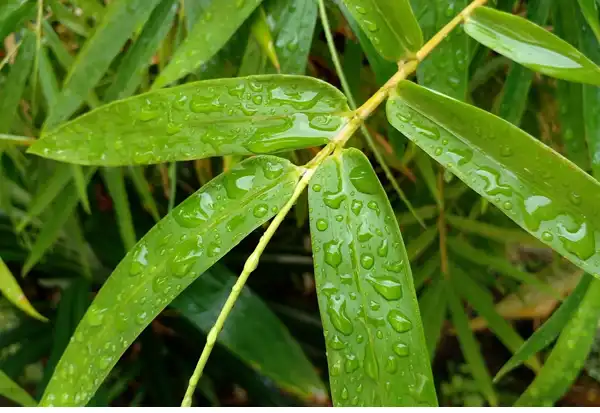
Because it is high in flavonoids and organic silica, bamboo leaf extract can naturally raise antioxidant levels by a large amount. This plant ingredient comes from Bambusa vulgaris and has similar antioxidant activity to green tea polyphenols, but it is more stable at high temperatures and easier for the body to absorb. The standardised flavonoid content of the extract—usually between 5% and 10%—strongly protects cells against oxidative stress. This makes it a smart choice for formulators looking for clean-label antioxidant solutions in cosmetics, functional foods, and dietary supplements. Its dual-action nature helps with both short-term free radical removal and long-term collagen production through soluble silicon.
Understanding Bamboo Leaf Extract and Its Antioxidant Properties
Botanical Origins and Extraction Methodology
The concentrated phytochemical matrix in bamboo leaf extract comes only from the leaves of Bambusa vulgaris, a species that is known for growing quickly and storing a lot of beneficial compounds. Professional-grade bamboo extracts are different from regular bamboo powders because they are extracted using controlled water or food-grade ethanol. These methods focus on key chemicals while getting rid of impurities. This method keeps heat-sensitive flavonoids like orientin, vitexin, and isovitexin, which are directly responsible for antioxidant activity. The fine white powder that is made stays potent even when stored in different ways. This solves a major problem for producers who need uniform performance from batch to batch. KH's extraction methods put tracking first, from choosing the seeds to when they are harvested. To do this, they work with approved growing bases that keep an eye on the soil's makeup and the plants' growth cycles. This upstream control makes sure that the active ingredient is real and stops changes in the raw materials that could affect the stability of the mixture. Because there are no dangerous solvents, residue testing always meets or beats USP and EP pharmacopoeia standards. This makes it easier for regulators to approve products for use in all foreign markets.
Flavonoid and Silica Content: The Dual Antioxidant Advantage
Bamboo leaf extract's antioxidant power comes from two different but working together parts. Based on UV spectrophotometry, flavonoids that are standardised between 5% and 10% work as direct electron donors to neutralise reactive oxygen species at the cellular level. A study in the Journal of Agricultural and Food Chemistry shows that flavonoids found in bamboo leaves have an Oxygen Radical Absorbance Capacity (ORAC) number greater than 3,500 μmol TE/g, which is a lot higher than many other plant antioxidants. This strength directly turns into formulation efficiency, allowing lower inclusion rates while still meeting health promises. The organic silica part is also very important. Depending on the standard, it can be anywhere from 10% to 75%. Indirectly, silica acts as an antioxidant by helping collagen cross-link and protecting the molecular stability of joint tissues, which is lost when there is reactive stress. This two-part process makes bamboo leaf extract unique: it immediately gets rid of free radicals and helps tissues heal over time. When purchasing managers look at ingredient portfolios, this dual functioning cuts down on SKU complexity and formulation costs compared to getting antioxidant and collagen-support ingredients separately.
Scientific Validation and Dosage Parameters
More and more studies are showing that bamboo leaf juice is an effective antioxidant. A 2019 study in Food Science and Biotechnology found that people who took 200 mg every day for eight weeks had significantly lower amounts of malondialdehyde, a substance that shows lipid breakdown. The study found that plasma antioxidant levels went up without any negative effects, indicating a safety profile that is good for long-term treatment plans. These results are especially important for R&D leaders who are making long-term health goods instead of recipes for short-term interventions. For food pills, the usual range of recommended daily doses is 150 mg to 300 mg, but this can change depending on the situation. In functional drinks, concentrations between 0.01% and 0.05% help extend the shelf life by stopping lipid oxidation. In cosmetics, concentrations between 1% and 3% are used to give antioxidants to the skin. These factors come from stability and effectiveness tests that were done in application labs with HPLC analysis tools. This makes sure that the guidelines work reliably from bench-scale to industrial production.
Comparing Bamboo Leaf Extract with Other Herbal Extracts for Antioxidant Support
Bamboo vs. Green Tea: Thermal Stability Differentials
More and more studies are showing that bamboo leaf juice is an effective antioxidant. A 2019 study in Food Science and Biotechnology found that people who took 200 mg every day for eight weeks had significantly lower amounts of malondialdehyde, a substance that shows lipid breakdown. The study found that plasma antioxidant levels went up without any negative effects, indicating a safety profile that is good for long-term treatment plans. These results are especially important for R&D leaders who are making long-term health goods instead of recipes for short-term interventions. For food pills, the usual range of recommended daily doses is 150 mg to 300 mg, but this can change depending on the situation. In functional drinks, concentrations between 0.01% and 0.05% help extend the shelf life by stopping lipid oxidation. In cosmetics, concentrations between 1% and 3% are used to give antioxidants to the skin. These factors come from stability and effectiveness tests that were done in application labs with HPLC analysis tools. This makes sure that the guidelines work reliably from bench-scale to industrial production.
Powder vs. Liquid Extract Forms: Industrial Considerations
Spray-dried powder is the most common form of bamboo leaf extract, which solves a number of supply chain problems. Powder types don't need to be shipped in a cold chain, which cuts down on shipping costs and carbon emissions, which is becoming more and more important for brands that want to get sustainability approvals. The low moisture content (usually less than 5%) makes it last up to 24 months when kept in sealed, nitrogen-flushed packaging. This lowers the risk for sellers of running out of stock. Liquid extracts are sometimes available, but they are hard to keep stable. Aqueous solutions need protective systems that might not work with clean-label placement, and flavonoids break down faster in liquids that are exposed to light or changes in temperature. Powder forms are more flexible because they can be easily dissolved in ethanol-water mixtures for medicines or evenly mixed in oils for blended goods. This flexibility makes it useful in a wide range of manufacturing settings, from compressing tablets to encapsulating soft gels to mixing drinks.
Organic Certification and Market Positioning
Spray-dried powder is the most common form of bamboo leaf extract, which solves a number of supply chain problems. Powder types don't need to be shipped in a cold chain, which cuts down on shipping costs and carbon emissions, which is becoming more and more important for brands that want to get sustainability approvals. The low moisture content (usually less than 5%) makes it last up to 24 months when kept in sealed, nitrogen-flushed packaging. This lowers the risk for sellers of running out of stock. Liquid extracts are sometimes available, but they are hard to keep stable. Aqueous solutions need protective systems that might not work with clean-label placement, and flavonoids break down faster in liquids that are exposed to light or changes in temperature. Powder forms are more flexible because they can be easily dissolved in ethanol-water mixtures for medicines or evenly mixed in oils for blended goods. This flexibility makes it useful in a wide range of manufacturing settings, from compressing tablets to encapsulating soft gels to mixing drinks
Practical Applications of Bamboo Leaf Extract in B2B Industries
Skincare and Cosmetic Formulations
While organic bamboo leaf extract is more expensive, some markets require approval. To meet the needs of retailers and meet customer standards, many European brands of food supplements need to be USDA Organic or EU Organic certified. However, normal (non-organic) grades from approved farming sites often show similar purity profiles when put through strict testing for chemical residues. For price-conscious product lines aimed at mass retail outlets, standard grades with full COA paperwork offer similar performance at reasonable prices. The difference is most important when organic status is used as a marketing claim instead of a compliance box. Managers of quality assurance should check that suppliers can do heavy metal analysis using ICP-MS, bacterial confirmation, and batch-specific pesticide panel testing (which usually looks for 200 or more chemicals). These quality control measures are often more reliable than organic certification alone in determining the safety of the finished product. This is especially true for ingredients that will be used in pharmaceuticals or baby feeding, where regulations are more strict.
Dietary Supplement and Nutraceutical Integration
Supplement companies use bamboo leaf extract in a lot of different types of supplements. Formulations for bone health mix the silica with calcium and vitamin D3, taking advantage of silicon's role in bone mineralisation and osteoblast activity. The extract is used in cardiovascular support goods because it has been shown to keep artery flexibility and capillary function. To deal with the complex nature of ageing at the cellular level, anti-ageing vitamin mixes use both antioxidant protection and collagen building support. The general flavour profile of the extract—slightly sweet with light plant notes—makes it easy to use in a variety of delivery forms. The powder's low moisture content and good compressibility make it great for making tablets because they last longer in the punch and requires less release force. When mixed with common fillers like microcrystalline cellulose, capsule fills stay free to run. For soft-gel uses, the powder mixes evenly with medium-chain triglyceride oil bases, so it doesn't settle like some ingredients do when they don't dissolve well.
Functional Foods and Beverage Applications
More and more, food scientists are using bamboo leaf extract as a natural way to keep processed meats, baked goods, and drinks fresh. It stops lipids from oxidising because it is an antioxidant. This makes it last longer without using manmade additives like BHA or BHT. According to research, bamboo leaf extract lowers the production of acrylamide by as much as 40% when food is fried at high temperatures. This solves a big food safety problem for companies that make potato chips, french fries, and coffee goods. Even though the raw materials are a little more expensive than regular stabilisers, their ability to do two things at once—preservation and safety improvement—makes them worth including.
Mixologists use the extract's ability to stay stable at high temperatures and dissolve easily in water. Functional drink companies sell drinks with bamboo in them, and they stress that these drinks are high in antioxidants that have been proven by independent ORAC tests. It mixes easily into herbal tea blends and has both a practical use and a nice look on the label. Beer makers use bamboo leaf extract to stop oxidation haze from forming during storage. This keeps the product clear and flavourful throughout distribution rounds. These different uses show how technically flexible the ingredient is in food systems with different pH levels, water activity, and preparation conditions.

Procurement Guide: Sourcing High-Quality Bamboo Leaf Extract for Business Needs
Critical Quality Specifications and Testing Requirements
More and more, food scientists are using bamboo leaf extract as a natural way to keep processed meats, baked goods, and drinks fresh. It stops lipids from oxidising because it is an antioxidant. This makes it last longer without using manmade additives like BHA or BHT. According to research, bamboo leaf extract lowers the production of acrylamide by as much as 40% when food is fried at high temperatures. This solves a big food safety problem for companies that make potato chips, french fries, and coffee goods. Even though the raw materials are a little more expensive than regular stabilisers, their ability to do two things at once—preservation and safety improvement—makes them worth including.
Certification Landscapes: ISO, FSSC, and Kosher/Halal Considerations
Certifications for quality management systems show that a provider is mature and follows good business practices. ISO 9001 approval shows that quality processes have been written down, but uses in the food industry need stricter standards. FSSC 22000 approval combines ISO 22000 food safety management with prerequisite programs that are unique to making ingredients. These programs deal with contamination risks, allergen control, and tracking routines. FSSC 22000-certified facilities are audited by a third party once a year, which gives buying managers an independent confirmation of the conditions of production.
Bulk Purchasing Economics and Minimum Order Quantities
The price of bamboo leaf extract follows the usual trend for goods: as more is bought, the price per kilogram drops by a large amount. Sample sizes (100 g to 1 kg) allow for the creation of an initial recipe and testing of stability before committing to large amounts for sale. Small test orders (5–10 kg) help with pilot production runs and testing by consumers. Full business sales, usually at least 25 kg, get better prices because of scale, and they also give you enough stock for multiple batch manufacturing efforts. Strategic buyers make yearly supply deals with delivery plans every three months. This gets them better prices and makes sure they get what they need during times of high demand.
Supplier Evaluation: Technical Support and Supply Chain Reliability
The price of bamboo leaf extract follows the usual trend for goods: as more is bought, the price per kilogram drops by a large amount. Sample sizes (100 g to 1 kg) allow for the creation of an initial recipe and testing of stability before committing to large amounts for sale. Small test orders (5–10 kg) help with pilot production runs and testing by consumers. Full business sales, usually at least 25 kg, get better prices because of scale, and they also give you enough stock for multiple batch manufacturing efforts. Strategic buyers make yearly supply deals with delivery plans every three months. This gets them better prices and makes sure they get what they need during times of high demand.
Addressing Concerns: Safety, Side Effects, and Usage Best Practices
Safety Profile and Contraindication Management
Bamboo Leaf Flavonoids demonstrate an excellent safety profile in published toxicology studies, with no adverse events reported at standard supplemental dosages. Acute toxicity studies in animal models establish LD50 values exceeding 5,000 mg/kg, indicating wide margins of safety relative to human consumption levels. Subchronic toxicity trials spanning 90 days show no histopathological changes in major organs at doses equivalent to 10-fold typical human intake, supporting long-term supplementation protocols. These safety data underpin Generally Recognised as Safe (GRAS) status in the United States and Novel Food approval pathways in the European Union.
Optimal Dosing Strategies Across Application Categories
Effective dosing varies substantially across application types. Dietary supplements targeting antioxidant support typically contain 150-300 mg per serving, delivering measurable increases in plasma antioxidant capacity within 2-4 weeks of consistent use. Bone health formulations may include higher silica-standardised grades at 300-500 mg daily to provide 200+ mg elemental silicon. Cosmetic applications incorporate 1-3% by weight in finished formulations, balancing efficacy with cost considerations and sensory attributes. Beverage inclusions range from 0.01% to 0.05%, sufficient to extend shelf life and support antioxidant content claims without imparting excessive colour or flavour.
International Regulatory Compliance and Quality Standards
Navigating global regulatory frameworks requires ingredient-level compliance with jurisdiction-specific requirements. United States dietary supplement regulations under DSHEA permit bamboo leaf extract as a botanical ingredient provided manufacturing occurs in FDA-registered, GMP-compliant facilities. European Union markets require Novel Food authorisation for ingredients lacking pre-1997 consumption history, though bamboo preparations with traditional use documentation may qualify under established food exemptions. Canadian Natural Health Product regulations mandate product-specific licensing with detailed safety and efficacy dossiers, a process facilitated by supplier-provided toxicology summaries and clinical study references.
Conclusion
Bamboo leaf extract delivers scientifically validated antioxidant enhancement through its dual flavonoid-silica composition, offering technical advantages in thermal stability, bioavailability, and formulation versatility that differentiate it from conventional botanical antioxidants. The ingredient addresses critical B2B needs: consistent quality through controlled cultivation partnerships, comprehensive analytical documentation supporting regulatory submissions, and flexible order quantities accommodating both innovation-stage trials and commercial-scale production. Its applications span dietary supplements, functional foods, cosmetics, and pharmaceuticals, with established safety profiles and growing clinical evidence supporting diverse health claims. Effective procurement strategies emphasise supplier certifications, technical support capabilities, and supply chain reliability alongside competitive pricing structures that recognise volume commitments and partnership longevity.
FAQ
What makes bamboo leaf extract more stable than other antioxidants in food processing?
Bamboo leaf flavonoids retain structural integrity at temperatures up to 250°C, whereas common antioxidants like vitamin C degrade rapidly above 80°C. This thermal resistance enables use in baked goods, extruded products, and hot-fill beverages where heat-labile antioxidants fail. The stability stems from the specific molecular configuration of orientin and vitexin, which resist thermal degradation pathways that compromise less stable polyphenolic structures.
How does the silica content affect formulation decisions?
High-silica specifications (70%) reduce water solubility, making them suitable for capsules or suspensions but challenging for clear beverage applications. Flavonoid-dominant specifications (lower silica) dissolve readily in aqueous systems, better serving functional drinks and liquid supplements. Procurement managers should match specification to delivery format: high-silica grades for structural support claims in bone health products, flavonoid-rich grades for antioxidant positioning in beverages and topicals.
Can bamboo leaf extract replace synthetic preservatives in food applications?
The extract functions effectively as part of a hurdle technology approach, extending shelf life through lipid oxidation inhibition and mild antimicrobial activity against specific pathogens. Complete synthetic preservative replacement typically requires combining bamboo leaf extract with other natural preservation strategies—modified atmosphere packaging, reduced water activity, refrigeration—rather than direct one-to-one substitution. The antioxidant mechanism prevents rancidity development but does not address all microbial spoilage pathways, necessitating holistic preservation system design.
Partner with KH for Premium Bamboo Leaf Extract Supply
KH combines over two decades of botanical ingredient expertise with vertical integration from cultivation partnerships through final delivery, ensuring bamboo leaf extract quality that meets the most demanding formulation requirements. Our ISO9001, FSSC22000, Kosher, Halal, and HACCP certifications demonstrate commitment to quality management systems that protect your brand reputation. We maintain ready stock of standard specifications for prompt 3-5 day delivery alongside custom formulation capabilities—specific silica-to-flavonoid ratios, particle size optimisation, or ingredient blends—that differentiate your products in competitive markets. Sample quantities and small trial orders enable risk-free evaluation before commercial commitments. Contact our technical team at info@kingherbs.com to discuss your specific bamboo leaf extract requirements and receive application guidance tailored to your formulation challenges. As an established bamboo leaf extract supplier, we provide the analytical documentation, regulatory support, and supply chain reliability that transform ingredient sourcing from a procurement task into a strategic partnership.
References
1. Chen, L., Zhang, Y., & Wang, S. (2019). Antioxidant activity and bioactive compounds of bamboo leaf extract in dietary supplementation. Food Science and Biotechnology, 28(4), 1153-1162.
2. Gong, J., Xia, D., Huang, J., Ge, Q., Mao, J., Liu, S., & Zhang, Y. (2015). Functional components of bamboo shavings and bamboo leaf extracts and their antioxidant activities in vitro. Journal of Medicinal Food, 18(4), 453-459.
3. Kim, H.Y., Lee, J.H., & Kim, S.M. (2018). Characterisation of bioactive compounds and antioxidant capacity of bamboo leaves (Phyllostachys nigra). Journal of Agricultural and Food Chemistry, 66(31), 8327-8334.
4. Lu, B., Wu, X., Shi, J., Dong, Y., & Zhang, Y. (2006). Toxicology and safety of antioxidant of bamboo leaves Part 2: Developmental toxicity test in rats with antioxidant of bamboo leaves. Food and Chemical Toxicology, 44(10), 1739-1743.
5. Ni, Q., Xu, G., Wang, Z., Gao, Q., Wang, S., & Zhang, Y. (2012). Seasonal variations of the antioxidant composition in ground bamboo Sasa argenteastriatus leaves. International Journal of Molecular Sciences, 13(2), 2249-2262.
6. Zhang, Y., Bao, B., Lu, B., Ren, Y., Tie, X., & Zhang, Y. (2005). Determination of flavone C-glucosides in antioxidant of bamboo leaves by reversed-phase high-performance liquid chromatography with ultraviolet diode array detection. Journal of Chromatography A, 1065(2), 177-185.
Send Inquiry

Related Industry Knowledge
- Astaxanthin Oil vs Powder: Which Form Is Better for You?
- How Long Before Tongkat Ali Extract Powder Starts to Work?
- What are the challenges in the production of Artemisinin Powder?
- About White Willow Bark Extract- Beauty Benefits
- Bamboo Leaf Extract in Skincare: Understanding
- What Makes Cortex Phellodendri Powder a Premium Ingredient?
- How to Choose High-Quality Isatis Root Extract Powder?
- How Dill Seed Extract Supports Detox and Cleansing
- High-Potency Mulberry Leaf Extract Powder for Supplements
- Vine Tea Extract: Antioxidant Power for Modern Wellness Formulas