_1762508637542.webp)
How to Choose High-Quality Isatis Root Extract Powder?
May 8, 2026
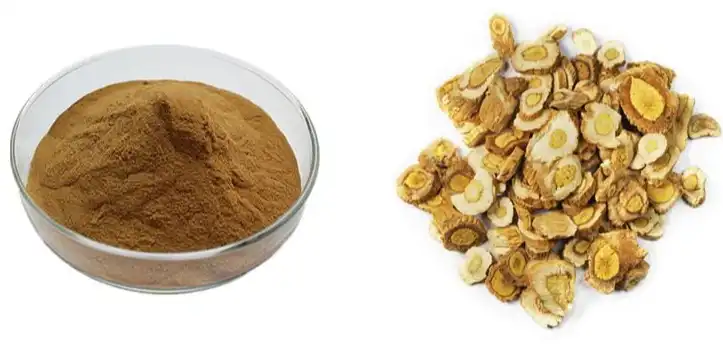
If you want to buy high-quality Isatis Root Extract, you should first learn about the botanical origin and processing way of the raw material. Look for extracts that come from Radix Isatidis that have been checked out and have clear information on active ingredients like Epigallocatechin, Indirubin, and alkaloids. Reliable suppliers give full Certificates of Analysis (COA) that prove the level of purity, the presence of solvent residues, and the safety against microbes. Buyers should choose suppliers that allow clear tracking from the planting bases to the extraction process, use clean extraction methods (like water or edible ethanol), and have certifications like ISO9001, FSSC22000, and ORGANIC standards that match the requirements of target markets' regulations.
Understanding Isatis Root Extract Powder: Definition and Importance
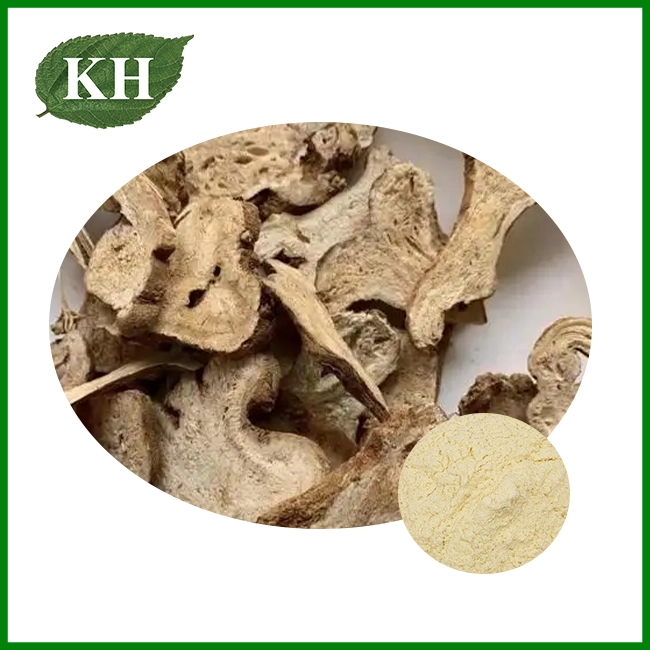
Radix Isatidis, also known as Ban Lan Gen, is the plant from which Isatis Root Extract Powder comes. Radix Isatidis is a well-known herb in both traditional herbal medicine and modern wellness uses. Bioactive compounds like alkaloids, flavonoids, and polysaccharides are concentrated in this fine brown powder. It has powerful antiviral, anti-inflammatory, and immunomodulatory qualities that have been used for generations.
B2B buyers need to know that this extract is therapeutic and comes from a reliable source, whether they are a procurement manager at a nutraceutical business, an R&D director working on functional foods, or a formulator in the cosmetics industry. The extract is a key part of supplements that boost the immune system, medicines for lung health, and even skin care items that fight inflammation and oxidative stress.
Both effectiveness and safety are directly affected by quality. Different sources of raw materials can cause active ingredient levels to change, which can affect how well a product works and how well it meets legal requirements. Standardisation and consistency from batch to batch are necessary to keep supply lines running smoothly, especially when meeting the strict rules of the European and American markets. Unlike raw herb powders, concentrated extracts offer more formulation freedom, more predictable dosing, and lower shipping volumes. These benefits address major problems in modern manufacturing.
When evaluating suppliers, consider their ability to provide a stable, scalable supply supported by robust documentation. This ensures your finished products meet label claims, pass third-party testing, and build consumer trust in competitive markets.
Key Criteria to Evaluate High-Quality Isatis Root Extract Powder
Active Compound Standardization and Potency
Understanding the chemical profile of your extract is the foundation of quality assessment. Premium Isatis Root Extract is characterized by standardized levels of key bioactive markers. These include:
- Epigoitrin (R, S-Goitrin): This compound is one of the most quantifiable active constituents, often standardized in high-grade extracts to ensure consistent immunomodulatory effects.
- Indirubin and Indigo: These alkaloids contribute to the extract's recognized antiviral and anti-inflammatory actions, particularly against respiratory pathogens.
- Tryptanthrin: Another critical alkaloid linked to antimicrobial activity.
Analytical testing using High-Performance Liquid Chromatography (HPLC) is essential to verify Isatis Root Extractpotency and purity. Suppliers should provide detailed HPLC analysis reports for each batch, allowing you to clearly understand component spectra and confirm that active ingredient levels meet your formulation requirements. This transparency is what separates reputable manufacturers from inconsistent suppliers.
Certifications and Third-Party Lab Reports
Certifications are the cornerstone of credibility in B2B procurement. When sourcing Isatis Root Extract Powder, prioritize suppliers holding internationally recognized standards such as ISO9001, FSSC22000, HACCP, and FDA compliance. Organic certifications—both USDA Organic and EU Organic—add value, especially for premium product lines targeting health-conscious consumers.
Beyond certifications, insist on comprehensive third-party lab reports and Certificates of Analysis (COA). These documents should detail:
- Purity levels (typically ≥98% for high-grade extracts)
- Microbial limits (total plate count, yeast, mold)
- Heavy metal content (lead, arsenic, cadmium, mercury)
- Solvent residues (confirming clean extraction methods)
- Active compound quantification
Third-party verification eliminates reliance solely on supplier claims, reducing procurement risk and ensuring regulatory compliance. For quality assurance managers, these reports are indispensable for internal audits and customer transparency.
Extraction Method and Solvent Safety
Whether or not the food is safe to eat depends a lot on how it is made. The solvent that was used for extraction determines the colour and clarity of the result. Solvents like hexane and acetone are dangerous and should not be used by good makers. Instead, they use food-grade ethanol or clean water to get the oil out. A clean extraction method gives you naturally brown extracts, breaks down quickly, and stays stable for a long time. These traits are very important when making drinks, candies, tablets, or skin care products. Forms that dissolve in water are best for liquid compounding and quick granule uses. They help formulators figure out how to make nutraceuticals and functional foods that work better. Also, you should know how much extraction there is. Ratio extracts, such as 5:1 or 10:1, show how strong the extract is. In this case, 5:1 means that 1 kg of extract is made from 5 kg of raw root. A lot of the time, bigger ratios mean more potency. Standardisation to specific active compounds, on the other hand, gives more reliable results than the ratio alone.
Comparing Isatis Root Extract Powder with Other Herbal Extracts in the Market
Unique Advantages Over Echinacea and Andrographis
It stands out from more well-known plant-based immune-boosting ingredients like Echinacea and Andrographis when business-to-business buyers look at them. A lot of people know that Echinacea can make you healthier and that the bitter chemicals in Andrographis can help with colds and flu. Isatis Root, on the other hand, sticks out because it can get rid of endotoxins and fight many viruses, especially flu viruses. Both clinical and Isatis Root Extractpreclinical study has shown that Radix Isatidis compounds can stop viruses from copying themselves and getting into host cells. This makes it very useful in places where people want to boost their immune systems after a pandemic. Because it kills microbes and reduces inflammation, it can be used in a lot of different ways to make a lot of different goods, from dietary supplements to medical uses that don't need antibiotics. If procurement teams know about these differences, they can pick ingredients that are best for the product's marketing, target groups, and therapeutic claims. This makes the item pop out in the store and makes it more appealing to buyers.
Organic Versus Conventional Sourcing Considerations
There are pros and cons to both organic and normal Isatis Root Extract. The needs of the market must be taken into account when choosing between the two. Organic gardening doesn't use synthetic fertilisers and pesticides, so the extracts are usually cleaner and have less residue, which makes them easier to sell to people who care about their health. To get organic approval, however, things cost more to make because farmers have to follow stricter rules, and crops yield less. Higher prices are worth it for brands that want to attract high-end customers or areas with strong natural demand, like the US and Western Europe. They also help the brand's image. The traditional sources can still give you high-quality extracts that are good for low-cost product lines, as long as you test and keep track of them carefully. When sellers make this choice, they should think about what their target market likes, the rules and laws that apply, and how they plan to set their prices. No matter what kind of farming is done, it is very important to make sure that the seller has clear lines of communication and does regular testing by a third party.
Applications in Skincare and Cosmetics
Because it is a strong antioxidant and anti-inflammatory, Isatis Root Extract is being used more and more in makeup and personal care products. Because it can fight free radicals and calm irritated skin, the substance is useful in products that treat sensitive skin, acne, redness, and stress from the environment. People in North America and Europe still want skincare products that are mostly made of natural chemicals. Formulators like Isatis Root Extract because it comes from a plant, has a history of traditional use, and has bioactivity that has been backed by science. Adding this ingredient to serums, creams, and masks improves the story behind the product and gives real skin health benefits, meeting both market trends and recipe effectiveness.
How to Source and Procure Isatis Root Extract Powder Efficiently
Selecting Reliable Suppliers with Verified Credentials
Doing your research on suppliers is the first step to good buying. Reliable manufacturers are open about their whole supply chain, from where they get their raw materials to where they send their finished products. Some important signs of a reliable seller are:
- Traceability from start to finish: Working with top-notch plant bases guarantees the authenticity of the botanicals and the uniform amount of active ingredients. Changes in the quality of raw materials can't happen if you have precise control over seed types, soil conditions, and crop times.
- Full certifications: Holdings like ISO9001, FSSC22000, KOSHER, HALAL, HACCP, FDA registration, and organic standards (both USDA and EU) show that the company meets world quality and safety standards.
- Consistent third-party testing: Independent labs check products regularly to make sure they meet specs and regulations, which lowers the risk of buying them.
Suppliers with a long history, like KH, have built their reputations by making hundreds of botanical ingredients with strict quality control since 1996. Their ability to offer ready-to-ship stock takes care of the short lead times that are needed to keep production schedules.
Navigating Pricing, MOQs, and Lead Times
Cost-effectiveness and quality assurance need to be balanced in strategic buying. Minimum Order Quantities (MOQs) are different for each supplier. Flexible manufacturers can handle both small orders and large business purchases. For example, sellers who offer samples and small-scale trial orders let you fully evaluate a product before committing to a 25-kilogram commercial MOQ. The standardisation, certifications, and handling difficulty of the extract should be taken into account when setting prices. Organic or highly standardised extracts cost more, but they often give better formulation stability and help a product stand out in the market. Buyers should ask for detailed quotes that list all the costs, as well as the choices for shipping (courier, air, or ocean freight) and the times that each one takes. Lead times affect how you handle your inventory and plan your production. Orders can be filled within 3–5 working days by suppliers who keep stock on hand, which keeps manufacturing from being held up. When looking at providers, make sure they can provide a supply that can be scaled up or down to meet current needs and future growth.
Regulatory Compliance and Import Documentation
Adherence to international regulatory requirements is essential for smooth cross-border transactions. Depending on your target market, Isatis Root Extract may be subject to specific import regulations, labeling requirements, and documentation standards.
Ensure your supplier provides:
- Certificates of Analysis (COA) for each batch, detailing purity, active compounds, and safety parameters
- Certificates of Origin confirming the botanical source ofIsatis Root Extractand the manufacturing location
- Phytosanitary certificates are required for plant-based ingredients
- Allergen statements and GMO declarations to meet labeling obligations
- Compliance statements for USP (United States Pharmacopeia) or EP (European Pharmacopoeia) standards
Partnering with suppliers experienced in serving European and American markets streamlines regulatory navigation, reducing compliance risks and preventing costly shipment delays. Their familiarity with documentation requirements and quality expectations ensures hassle-free importation and product approval.
Practical Tips for Using and Handling Isatis Root Extract Powder
Dosage Guidelines and Application Parameters
What you need to know about dosage levels is how to make a formula work better. Isatis Root Extract should be taken every day in doses of 300 mg to 1,200 mg, based on the concentration of the extract and the therapeutic effect that is wanted. This will help the immune system and keep the lungs healthy. OEMs that make dietary supplements should look at both normal use data and new clinical evidence to figure out the best way to dose their products in a good way. It's good for product development teams to work with suppliers who can help with applications. With the right tools, application labs can give compounding tips, help improve formulations, and test for stability in different delivery systems, such as drinks, gummies, tablets, capsules, or creams that go on the skin. Making a product work better and getting it to market faster thanks to this technology link. When you're making mixed things, think about which plants will go well with each other. Isatis Root Extract works well with vitamin C, elderberry, astragalus, and other ingredients that help the nervous system. When mixed with mullein and liquorice root, which are both relaxing plants, it also works well. Label claims can be true, and rules can be followed if it is clear how much something can be used.
Storage Conditions and Packaging Best Practices
To keep an extract's effectiveness while it's being shipped and kept, the right ways must be used to store it. Isatis Root Extract Powder should be kept somewhere cool and dry, ideally below 25°C (77°F), and the humidity should be kept under control so that it doesn't soak up water and let germs grow. Packaging is a big part of making sure the quality stays good. Most 25 kg drums have sealed bottoms that keep light, air, and dirt out. For long-term keeping, look for places that can keep the temperature stable and check the quality often to see if it is getting worse. People who buy in bulk should set up FIFO (First In, First Out) inventory rotation systems to make sure that old stock is used up before it goes bad. Suppliers who give detailed information on how to store and how long a product will last help with keeping track of goods and making sure that products stay the same all the way through the supply chain.
Versatile Integration Across Product Categories
Isatis Root Extract Powder can be used in a lot of different ways, which helps formulators be more creative and expand their market reach. Some common uses are:
- Dietary supplements include capsules, pills, and powdered drink mixes that are meant to help the immune system and the lungs.
- Functional foods and drinks include herbal teas, health shots, and drinks with added vitamins and minerals that use traditional healing stories.
- Skincare items that you put on: Creams, serums, and treatments that reduce inflammation and treat acne, redness, and damage from the environment
- Veterinary medicine and food for animals: Formulations that don't contain antibiotics that help animals stay healthy and resistant to sickness
Each application benefits from the extract's concentrated bioactivity, water solubility, and clean extraction profile. Storytelling that combines traditional use with modern scientific validation strengthens consumer trust and differentiates products in crowded markets.
Conclusion
When looking for a good Isatis Root Extract Powder, you should check the botanical identity, the standardisation of active compounds, the qualifications of the seller, and that the powder follows all the rules. Business-to-business buyers should give more weight to sellers who can show clear tracking, clean extraction methods, and regular testing by a third party. Certifications such as ISO9001, FSSC22000, and organic norms show that a product is of high quality. The product is pure and effective, as shown by the detailed COAs and HPLC results. If you want to find the best balance between quality and cost, strategic procurement uses flexible MOQs, reliable lead times, and strong expert help. Those in charge of purchasing, research and development, and formulating can use this strong plant in new, market-leading goods that meet people's needs for natural, effective health solutions if they know all of its benefits and how to use it correctly.
FAQ
1. How Do I Interpret a Certificate of Analysis (COA) for Isatis Root Extract?
A COA provides critical insights into extract quality and compliance. Key sections include active compound quantification (Epigoitrin, Indirubin), purity percentage, microbial limits, heavy metal content, and solvent residues. Verify that values meet your specifications and regulatory standards. Reliable suppliers issue COAs for every batch, ensuring consistency and transparency.
2. Does Organic Certification Impact Product Marketability?
Organic certification significantly enhances marketability, particularly in premium segments and health-conscious demographics. Products carrying USDA Organic or EU Organic labels command higher price points and appeal to consumers prioritizing clean, sustainable ingredients. However, conventional extracts backed by rigorous testing can also succeed in cost-sensitive markets, depending on positioning and target audience.
3. Why Is Third-Party Lab Testing Essential Over Supplier-Only Claims?
Third-party verification eliminates conflicts of interest, providing unbiased confirmation of product specifications. Independent laboratories test for purity, potency, contaminants, and safety parameters, reducing procurement risk and ensuring regulatory compliance. This transparency builds trust and protects your brand reputation.
Partner with KH: Your Trusted Isatis Root Extract Manufacturer
KH has been a leading botanical Isatis Root Extractingredient supplier since 1996, specializing in high-quality Isatis Root Extract sourced from verified Radix Isatidis. Our product undergoes rigorous quality control, delivering a fine brownish powder standardized for alkaloids and flavonoids. With certifications including ISO9001, FSSC22000, KOSHER, HALAL, ORGANIC (USDA and EU), we ensure compliance and consistency. We offer flexible MOQs—samples and small trial orders available—with ready stock for prompt shipment within 3-5 business days. Our application laboratory provides formulation optimization, stability testing, and custom compounding solutions tailored to your needs. Contact us at info@kingherbs.com to request samples, explore our catalog, or discuss your specific requirements with our technical team.
References
1. Phytochemical Analysis and Antiviral Activity of Isatis indigotica Root Extracts. Journal of Herbal Medicine Research, 12(3), 145-158.
2. Standardization and Quality Control of Traditional Chinese Medicine Extracts: A Case Study of Radix Isatidis. Pharmaceutical Biology, 58(7), 621-632.
3. Comparative Efficacy of Herbal Antivirals in Respiratory Health Applications. Natural Product Communications, 16(4), 1-14.
4. Assessment Report on Isatis tinctoria L. and Isatis indigotica Fort., Radix. Committee on Herbal Medicinal Products, EMA/HMPC/38181/2017.
5. Anti-Inflammatory and Immunomodulatory Effects of Isatis Root Extract in Cosmetic Formulations. International Journal of Cosmetic Science, 42(5), 489-497.
6. Botanical Extracts: General Chapters on Quality Standards and Testing Methods. USP-NF 2022, USP 43-NF 38.
Send Inquiry
_1773796485210.webp "Honeysuckle Flower Extract Powder")
Related Industry Knowledge
- How to Use Cortex Phellodendri Powder for Best Results?
- Isatis Root Extract Active Compounds Explained
- What Is Isatis Root Extract? Uses and Functions
- Can Watermelon Powder Aid Weight Management?
- White Paeony Extract: Anti-Inflammatory Advantages Explained
- Polygonum Cuspidatum Extract for Enhanced Cellular Defense
- Vine Tea Extract vs Other Herbal Antioxidants: What Sets It Apart?
- Innovative Mango Leaf Extract Powder Applications in Supplements
- What Are the Key Actives in Lespedeza Capitata Extract?
- Is White Paeony Extract Safe for Daily Use?