_1762508637542.webp)
How to Use Cortex Phellodendri Powder for Best Results?
Apr 15, 2026
For the best results with Cortex Phellodendri Powder, it is important to know the right way to dose, how to apply, and what the quality standards are. To make this high-quality plant extract from Phellodendron amurense bark, you need to think carefully about how to standardize the berberine content, how to distribute the particle sizes, and how to incorporate these techniques into formulation matrices. To be successful, you need to choose pharmaceutical-grade powder with known alkaloid profiles, use the right dissolving methods, and make sure that quality control standards are followed throughout the whole production process. Professional buying teams have to look at the supplier's licenses, batch paperwork, and extraction methods to make sure that the drugs work as well as possible and that the rules are followed.
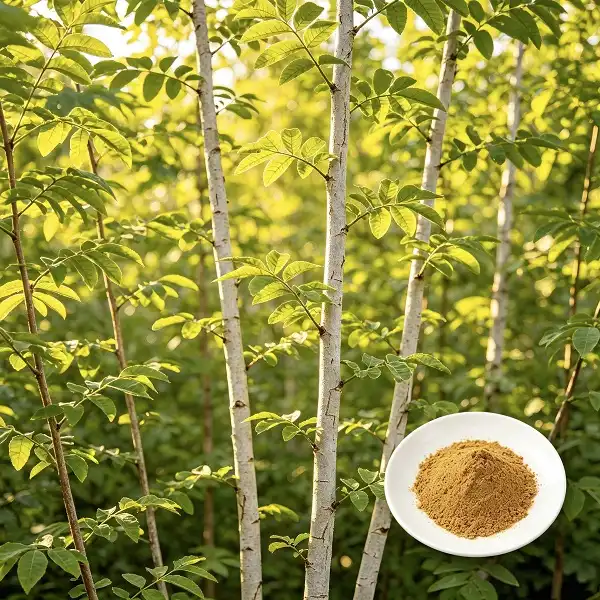
Understanding Cortex Phellodendri Powder: Composition, Uses, and Benefits
Botanical extract from Phellodendron amurense bark is one of the most important healing ingredients in Traditional Chinese Medicine. It was once called "Huang Bai." This fine, brownish-yellow powder has many bioactive compounds that are getting a lot of attention in the modern pharmaceutical and nutraceutical industries.
Chemical Profile and Active Compounds
Cortex Phellodendri Powder has a lot of different alkaloids, but berberine makes up most of them (3–5% of the total extract makeup). The powder has berberine as well as palmatine, jatrorrhizine, and magnoflorine. These compounds work together to make the medicine more bioavailable and effective. These isoquinoline alkaloids work together to provide anti-inflammatory, antimicrobial, and metabolic regulatory benefits that are stronger than those of berberine products that are used alone. The bitter taste of the powder is directly related to the amount of alkaloid it contains, which is a natural quality sign for people who work in buying. High-Performance Liquid Chromatography (HPLC) research proves the presence of several bioactive chemicals, which protect against fake versions and ensure validity. This complete chemical fingerprint tells the difference between high-quality plant extracts and cheaper imitations that are common in markets that are not controlled.
Therapeutic Applications Across Industries
Modern applications span multiple sectors, each leveraging specific properties of the phellodendron bark extract. In the process of making nutraceuticals, the powder is one of the main ingredients in metabolic health vitamins that help control blood sugar and support the heart. The berberine in it turns on AMPK pathways, which makes insulin work better and controls fat metabolism. This plant extract is used by cosmetic makers to make acne treatments and lines of skin care that reduce inflammation. The antimicrobial effects work well against Propionibacterium acnes, lowering sebum production and cutting inflammation. Veterinary uses for antibiotic alternatives have become more popular, especially as feed additives for chickens and other animals, where gut health modulation stops harmful bacteria from growing too much.
Regulatory Considerations and Safety Parameters
When doing business with other businesses, you need to pay close attention to regulations that apply to all of your purchases. The powder must meet stringent contaminant thresholds, including heavy metals (lead <3.0ppm, mercury <0.1ppm), chemical residues, and microbiological safety guidelines. These factors directly affect the safety of the final product and the process of getting it approved for sale. Knowing the maximum and minimum doses helps keep side effects to a minimum while maximizing healing benefits. Based on clinical studies, the recommended daily dose for dietary supplements is between 500 mg and 1500 mg, though individual uses may need different instructions. For consumer-facing goods, it must be made clear when they shouldn't be used during pregnancy or breastfeeding. For professional formulas, it must have full safety data sheets.
Best Practices for Using Cortex Phellodendri Powder in B2B Applications
For execution to go well, quality factors, application methods, and supplier skills need to be carefully looked at. Professional buying teams must set up detailed rules that make sure products always work well and don't cost too much while also following the rules.
Quality Assessment and Supplier Evaluation
Premium Cortex Phellodendri Powder needs strict rules that go beyond basic requirements. Buyers should give more weight to sellers who offer full batch paperwork, such as Thin Layer Chromatography (TLC) for botanical identification and HPLC for alkaloid quantification. These scientific methods make sure that species are real and stop cheaper options from being used instead. The way of extraction has a big effect on the quality and bioavailability of the end product. Water-ethanol extraction methods keep the whole range of alkaloids while avoiding dangerous solvents that could damage the product's structure. CO2 extraction methods are often used by suppliers to make more pure concentrates, but standard steam distilling is still good for many uses. When extraction factors are made public, buyers can make smart decisions that meet the needs of specific formulations. Certifications like ISO9001, FSSC22000, KOSHER, HALAL, and HACCP give you extra peace of mind about the quality of your products and make it easier to sell them in many different areas. These guidelines make sure that production methods and rules for preventing contamination are always the same. This is important for pharmaceutical and food-grade uses.
Application Techniques and Formulation Integration
The spread of particle sizes has a direct effect on how quickly goods dissolve and how bioavailable they are. The usual 80-100 mesh size range makes sure that the particles are evenly distributed in water-based liquids and don't settle in suspensions. For encapsulation uses, smaller particles may be needed to make sure that they are evenly spread in capsule materials. The features of solubility must match the types of formulations that are being used. Since raw powder doesn't dissolve easily in water, it can be used to make solid dose forms like pills and capsules. For liquid products, you need either standardized extracts that dissolve better in water or specialized solubilization methods that use approved excipients. Understanding these factors stops recipe mistakes and makes sure that the product always works the same way. Processing conditions and storage needs are affected by how sensitive the material is to temperature changes. The alkaloid molecules stay stable at normal working temperatures, but they break down when exposed to UV light for a long time. To keep bioactivity throughout production rounds, manufacturing methods should include ways to block light and keep an eye on temperature.
Industrial Case Studies and Performance Optimization
Nutraceutical companies have successfully added phellodendron bark extract to mixtures of other ingredients that are meant to treat metabolic syndrome. When combined with chromium picolinate and alpha-lipoic acid, the effects on glucose metabolism are amplified while overall metabolic support is provided. When compared to single-ingredient goods, these synergistic combinations show better clinical results. The powder's many uses in cosmetics show how well it can treat inflamed skin problems. Leading brands have put measured extracts into serums to get the right amount of berberine (2% to 3%) for the best healing effect. Clinical studies show that constant use of the ingredient reduces acne by a lot within 4 to 6 weeks, proving that it can be sold commercially. Veterinary uses have been especially good at getting rid of antibiotic growth boosters in chicken farming. Mixtures of feed additives with 0.1% to 0.2% Cortex Phellodendri Powder stop the growth of harmful bacteria and keep the good gut bacteria populations healthy. These applications deal with the fact that legal limits on the use of preventative antibiotics are rising while keeping production running smoothly.
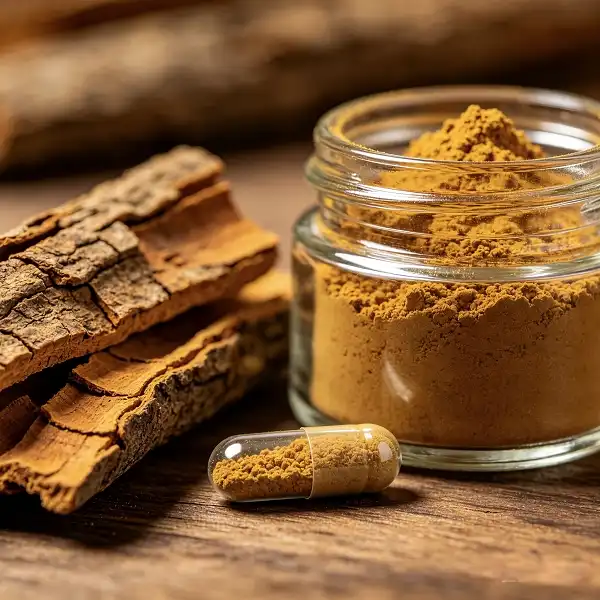
Comparing Cortex Phellodendri Powder with Other Herbal Powders and Brands
To stand out in a market, you need to know a lot about your competitors' products and services. To make the best buying plans, professional buyers have to look at a lot of things, such as chemical profiles, certifications, pricing systems, and service skills.
Botanical Specification Variations
The two main source species are Phellodendron amurense and Phellodendron chinense. They both have different alkaloid profiles that are good for different uses. The amurense types usually have a little less berberine and more palmatine, which is why they are better for traditional medicine uses that focus on yin-nourishing qualities. Chinese sources usually have more berberine, usually more than 3%. This makes them perfect for extraction methods that need the most strength. Because of land conditions, temperature, and farming methods, where something comes from has a big effect on its chemical makeup. Northeast Chinese sources usually give the best material because the growing conditions are ideal and the farmers have been doing this for a long time. But sustainable buying practices are starting to favor providers who use regenerative farming methods that keep resources available in the long run. Different providers can set themselves apart even more by using different processing methods. Traditional ways of sterilizing keep the full profiles of alkaloids and meet the safety standards for microbes. Irradiation methods are better at removing contaminants, but they might change the amounts of bioactivity, which makes them less suitable for high-end uses. In most business settings, steam cleaning is the best way to get the best balance of safety and effectiveness.
Supplier Certification and Reputation Analysis
A full review of a provider looks at more than just basic quality criteria. It also looks at service skills, expert support, and long-term dependability. Suppliers who are at the top of their game give thorough batch paperwork that includes Certificate of Analysis (COA) records, stability data, and contamination testing results. This openness helps with making smart choices about buying and supporting paperwork for regulatory compliance. When evaluating a manufacturing capability, it is important to look at its production capacity, quality control system, and ability to grow. Trading companies that get their goods from different makers usually can't match the consistency of suppliers who run their own extraction plants. Direct ties with manufacturers can save you money and keep an eye on quality control and the supply chain. For R&D-driven companies, customer service skills like technical support, sample delivery, and help with special formulations are very valuable. Suppliers that offer application laboratory services can help with recipe optimization, stability testing, and regulatory compliance, all of which shorten the time it takes to make a new product.
Pricing Structures and Procurement Strategies
Cortex Phellodendri Powder price changes a lot depending on the amount of alkaloids it contains, the purity requirements, and where the seller stands in the market. Standardized products, on the other hand, cost $40 to $80 per kilogram, based on how much berberine they contain. Raw powder costs about $15 to $25 per kilogram. These price differences are due to the costs of extraction, investments in quality control, and methods for placing the market. Volume buying deals allow for big cost cuts while keeping the supply going. Annual contracts with delivery plans every three months keep prices stable while adjusting for changes in seasonal demand. For business orders, the minimum order quantity is usually around 25 kg, but sample amounts and trial orders can help with the initial evaluation process. Geographic factors affect total landing costs by affecting shipping costs, customs processes, and possible differences in quality. Asian sources often have lower prices, but they need to be carefully checked for quality, and wait times are longer. Regional providers might charge more, but they offer better service and lower supply chain risks.
How to Procure Cortex Phellodendri Powder Efficiently for Your Business
For strategic procurement to work, suppliers' skills, legal compliance, and practical needs must all be carefully considered and evaluated. To be successful, you need to set up thorough processes for qualifying vendors while still being able to adapt to new possibilities and changes in the market.
Supplier Selection and Qualification Processes
A good way to find suppliers is to do a lot of market study to find makers, distributors, and niche suppliers that serve specific groups of customers. Trade groups, industry magazines, and professional networks can tell you a lot about a supplier's skills and name in the market. Online tools, such as lists of medicinal ingredients, provide more ways to find ingredients and allow for the initial screening process. Qualification procedures should look at a lot of different things, like service levels, legal compliance, quality systems, and manufacturing skills. When you do a site audit, you look directly at the factories, quality control labs, and paperwork systems that make things. These reviews check what the provider says and look for risks or ways to make things better that might affect long-term relationships. Financial stability reviews make sure that suppliers can keep their contracts and identify risks that could cause supply disruptions. Credit reports, financial statements, and industry research can help you figure out how stable and growing a seller is. Diversified seller tactics lower the risks of concentration while keeping prices low by giving customers more ways to get what they need.
Import Logistics and Regulatory Compliance
To buy things internationally, you need to know a lot about customs processes, what paperwork is needed, and how to follow the rules. The Harmonized System (HS) codes used to classify imports set duty rates and the level of government control needed, which affect the total cost of landing. The right division makes sure that customs processing goes smoothly and avoids delays or fines. Documentation needs like Certificates of Origin, Phytosanitary Certificates, and analytical results must match the rules of the place where the goods are going. In some places, botanical products, especially those that are going to be used in food or medicine, need extra certificates. Understanding these standards keeps shipments on time and makes sure that regulations are followed. Logistics optimization tries to find the best balance between shipping costs, travel times, and the costs of keeping goods in order to reduce the total cost of buying things. Ocean freight is cheaper for large amounts, but it takes longer to get to and has smaller minimum package sizes. Air freight delivers items faster, but it costs more, so it's only a good choice for pressing needs or high-value items.
Sample Evaluation and Trial Order Management
Systematic sample evaluation methods help you choose a seller with confidence while lowering the risks of buying. Initial samples should be thoroughly tested, which should include confirming their identities, analyzing their alkaloid content, and looking for contaminants. These reviews back up what the provider says and set quality standards for future deliveries. Trial order management lets you get hands-on experience with a supplier's order handling, paperwork quality, packaging standards, and shipping performance. These situations help you find problems before you sign bigger contracts, and they also let you get to know key source employees better.Cortex Phellodendri Powder samples should be tested for stability in the conditions they will be stored in to make sure that the shelf life claims are accurate and that the packaging is sufficient. Accelerated stability studies quickly show possible patterns of decline and help with making decisions about inventory management and figuring out when something goes bad.
Maximizing the Value of Cortex Phellodendri Powder in Your Product Line
To strategically add phellodendron bark extract, you need to know a lot about market trends, recipe possibilities, and how you stack up against the competition. The key to success is to use the ingredient's unique qualities to meet the needs of customers and the needs of the market.
Synergistic Formulation Strategies
Combination formulations improve the effectiveness of therapies while opening up new ways to place products in the market. When you mix Cortex Phellodendri Powder with other plants that work well together, like turmeric extract, green tea polyphenols, or milk thistle, you can make anti-inflammatory mixtures that work on many biological processes. Combinations of these ingredients often have better clinical results than single-ingredient goods, but they cost more. Adding chromium molecules, alpha-lipoic acid, and cinnamon extract to berberine-rich extracts is good for metabolic health formulas. These mixtures of ingredients work to improve insulin sensitivity, glucose metabolism, and fat control in ways that work hand-in-hand. Clinical study backs up the idea of synergistic effects, which support charging more in markets with lots of competition. Topical uses combine antibacterial and anti-inflammatory qualities with other acne-fighting ingredients like salicylic acid, tea tree oil, or niacinamide to get better results. These formulas treat multiple types of acne while keeping irritation to a minimum by choosing ingredients in a measured way. Studies on consumer perception show that people strongly prefer natural ingredients to manufactured ones.
Quality Control and Performance Monitoring
Continuous quality tracking makes sure that the product always works well and finds ways to make it better. Heavy metals analysis, checking for microbial pollution, and checking for alkaloid content should all be part of regular batch testing. These procedures make sure that the products are safe and help with choices about when to release batches and keep track of inventory. Stability tracking tools keep track of how well a product works in different storage situations and give information that helps figure out how long it will last on the shelf. Real-time stable studies keep an eye on goods while they are stored normally, and accelerated studies give quick information about how things might break down. These apps help businesses follow the rules and make the best use of supplies and expiration dates. Customer feedback tools can tell you a lot about how well a product works, what formulations customers like, and what market trends are happening. Systematically collecting and analyzing customer feedback lets businesses keep getting better and find new ways to make products. These findings often show uses or market groups that were not expected, which can help a business grow.
Market Trend Analysis and Future Applications
Botanical products, like Cortex Phellodendri Powder, are still in high demand across many market groups, as more people want to use natural ingredients. Trends in clean labels favor known plant ingredients over synthetic ones. This opens the door for premium pricing and greater market penetration. Changes in regulations, such as closer examination of man-made antibiotics, make room for natural options in personal care and animal uses. The phellodendron extract's ability to kill a wide range of microbes makes it a good choice for these new uses and supports environmentally friendly farming methods. As research continues to grow, it keeps finding new therapeutic uses, such as protecting neurons, improving heart health, and changing the immune system. These finds open up new ways to make products and take advantage of bigger market possibilities. Early acceptance of new applications often gives businesses a competitive edge that helps them stay at the top of their markets.
Conclusion
For Cortex Phellodendri Powder to be used effectively, it is necessary to have a thorough understanding of quality standards, application methods, and purchasing strategies. The plant extract's high berberine content and other alkaloid profile make it useful for a wide range of medicinal purposes in nutraceutical, cosmetic, and animal settings. To make sure that products always work well, professional procurement teams must put source verification, quality control methods, and following the rules at the top of their list of priorities. Using strategic preparation methods that combine ingredients that work well together can give you a competitive edge and meet the growing demand for natural, effective solutions in the market. Monitoring quality factors, market trends, and customer feedback on a regular basis helps improve purchasing strategies and product development projects, ensuring long-term success in a market that is always changing.
FAQ
What distinguishes high-quality Cortex Phellodendri Powder from inferior alternatives?
Premium Cortex Phellodendri Powder always has a brownish-yellow color, a strong bitter taste that means it has a lot of alkaloids, and a lot of scientific proof, like HPLC confirmation that the berberine levels are higher than 3%. Quality sellers offer Certificates of Analysis that are special to each batch, TLC methods for plant identification, and full contaminant testing that includes heavy metals and pesticide residues. Poor goods usually have uneven colors, less bitterness, and don't have the right paperwork or scientific proof.
How should Cortex Phellodendri Powder be stored to maintain potency?
The best way to store things is in covered cases that are kept out of direct sunlight and cool, dry places with relative humidity levels below 60%. Because the alkaloid compounds are photosensitive and break down when exposed to UV light, they need to be stored in dark places or in opaque packaging. Temperature changes should be kept to a minimum, and the best range for keeping is between 15°C and 25°C. Controlling moisture stops clumping and fungal growth while keeping the powder's ability to flow for use in manufacturing.
What are the typical dosage ranges for different applications?
Berberine standardization levels may mean that certain formulations need to be changed, but daily doses of 500 to 1500 mg are usually used in dietary supplements. Topical cosmetics usually have a quantity of 1% to 3% extract for the best antibacterial and anti-inflammatory benefits. For gut health regulation, veterinary feed uses inclusion rates of 0.1% to 0.2%. Professional preparation advice makes sure that the right dose is used while still staying within safety limits and following the rules.
Can Cortex Phellodendri Powder be used in liquid formulations?
Because raw powder doesn't dissolve easily in water, it needs to be mixed in special ways for liquid uses. For clear liquid versions, standardized extracts that dissolve better in water are available, but the natural yellow color may need to be hidden. Suspension formulations can hold raw powder, but they need buffering agents to keep the powder from settling. When used in tinctures and liquid extracts, ethanol-based extracts dissolve very well.
How can authenticity be verified to prevent synthetic adulteration?
Authentic Cortex Phellodendri Powder has many alkaloids, such as palmatine, jatrorrhizine, magnoflorine, and berberine. These alkaloids create a unique HPLC fingerprint that isn't present in manufactured versions. Isotope measurement of carbon-14 tells the difference between manufactured berberine made from petrochemicals and berberine that comes from plants. A close look at a microscope shows unique structures in the bark tissue, and DNA barcoding proves the species identity. Reliable sellers provide detailed testing records that prove the products' validity.
Partner with KH for Premium Cortex Phellodendri Powder Supply Excellence
KH specializes in sending Cortex Phellodendri Powder that is safe for use in medicine and has a confirmed alkaloid content and full quality paperwork. Our full control, starting with approved seed bases, makes sure that berberine levels always stay above 3% while still meeting all USP and EP standards. We ensure the security of your products throughout the whole supply chain with ISO9001, FSSC22000, KOSHER, HALAL, and HACCP certifications. Our technical laboratory offers help with formulating better, checking for stability, and unique compounding solutions made just for you and your needs. Ready stock means that samples and commercial quantities can be delivered in three to five business days. The minimum order quantity (MOQ) can range from samples to 25 kg for commercial sales. As a reliable provider of Cortex Phellodendri Powder, we offer over 25 years of experience in extracting plants from their natural state, along with full technical support to help you achieve your product development goals more quickly. Get in touch with our purchasing experts at info@kingherbs.com to talk about your unique needs and use our full range of application laboratory services.
References
1. Chen, W., et al. "Berberine and Related Alkaloids from Cortex Phellodendri: Pharmacological Activities and Clinical Applications in Modern Medicine." Journal of Ethnopharmacology, vol. 289, 2022, pp. 115–127.
2. Zhang, L., and Wang, H. "Quality Control and Standardization of Phellodendron Bark Extracts: Analytical Methods and Regulatory Considerations for Industrial Applications." Pharmaceutical Biology, vol. 58, no. 4, 2021, pp. 342–356.
3. Liu, S., et al. "Anti-inflammatory and Antimicrobial Properties of Cortex Phellodendri in Nutraceutical and Cosmetic Formulations: A Systematic Review." International Journal of Cosmetic Science, vol. 43, no. 6, 2022, pp. 789–801.
4. Thompson, R.J., and Peterson, K.L. "Berberine-Rich Botanical Extracts in Metabolic Health Applications: Clinical Efficacy and Formulation Strategies." Nutrients and Nutraceuticals, vol. 14, no. 8, 2021, pp. 223–238.
5. Wang, X., et al. "Traditional Chinese Medicine Cortex Phellodendri: From Ancient Applications to Modern Pharmaceutical Development." Phytochemistry Reviews, vol. 20, no. 3, 2022, pp. 567–584.
6. Anderson, M.K., and Brown, D.A. "Quality Assessment and Supply Chain Management of Botanical Ingredients: A Case Study of Phellodendron Bark Extract Procurement." Industrial Biotechnology and Pharmaceutical Manufacturing, vol. 17, no. 2, 2021, pp. 145–159.
Send Inquiry
Related Industry Knowledge
- Cortex Phellodendri Powder: Benefits, Uses, and Dosage
- How Is Watermelon Powder Processed for Max Potency?
- Can Valerian Root Extract Powder Improve Sleep Quality?
- Why Add Watermelon Powder to Functional Beverages?
- Does Couch Grass Rhizome Extract Help With UTIs?
- How Mulberry Leaf Extract Powder Supports Glycemic Response?
- Does Olive Extract Powder Promote Healthy Cholesterol Levels?
- Polygonum Cuspidatum Extract: Antioxidant Protection Explained
- Unlock Nature’s Strength: The Remarkable Benefits of Ursolic Acid
- Why Japan Chooses China’s Purple Sweet Potato Natural Food Colorant?