_1762508637542.webp)
How Is Watermelon Powder Processed for Max Potency?
Mar 31, 2026
For best potency, watermelon powder is processed using advanced dehydration methods that keep the fruit's natural bioactive compounds while making a stable, concentrated ingredient. To get the most potency, carefully controlled low-temperature drying methods, picking the fruit at the right time, and preparing it right away are all important. Modern freeze-drying and vacuum dehydration methods protect heat-sensitive nutrients like L-citrulline and lycopene, making sure that the finished watermelon fruit powder keeps its nutritional value and useful qualities needed in industrial settings.

Understanding Watermelon Powder: From Fruit to Fine Powder
From fresh watermelon fruit to high-potency powder is a long and difficult process that needs to be done carefully at every step. To make watermelon juice powder, you must first choose high-quality Citrullus lanatus types that are known for having a lot of L-citrulline and strong antioxidant profiles. The fruit's unique makeup, which is mostly water and has a lot of nutrients, brings both possibilities and challenges for processors who want to keep as many bioactive compounds as possible.
Nutritional Profile and Bioactive Components
L-citrulline levels in fresh watermelon are usually high, ranging from 0.7 mg to 3.6 mg per gram of fresh fruit weight. When these amino acids are processed correctly, they concentrate a lot. Good watermelon fruit powder has L-citrulline amounts that are higher than 15-20% by weight. The characteristic pink colour comes from lycopene content, which has strong antioxidant qualities that stay stable when processing parameters are optimised. Electrolytes like potassium and magnesium are important to the mineral profile and help keep the heart healthy and muscles working well. The nutritional density of the powder is high thanks to vitamins A, C, and B6. This makes it useful in many fields, from sports nutrition to functional drinks.
Industrial Applications Driving Quality Demands
The modern food and supplement industries need watermelon powder ingredients that always work well and give the right amount of potency. For nitric oxide support, sports nutrition formulas need to know that the L-citrulline level is stable. Functional beverage makers want to make sure that the colour and flavour profiles stay the same under different processing conditions. Dehydrated watermelon can be used in many ways, including as a beauty product. Its natural antioxidants and hydrating compounds are good for your face. For these different uses, processing methods that keep many bioactive compounds in watermelon powder safe at the same time are needed, which makes things more difficult for producers.
Challenges in Processing Watermelon Powder for Maximum Potency
Converting fresh watermelon into potent powder form encounters significant technical obstacles that can dramatically impact final product quality. The fruit's high water content and delicate nutrient structure require specialised approaches that balance efficiency with bioactive preservation.
Heat Sensitivity of Key Nutrients
Lycopene degradation occurs rapidly when exposed to elevated temperatures, with significant losses beginning around 60°C during conventional drying processes. Even though L-citrulline is more stable at high temperatures, its structure can change in ways that make it less bioavailable when exposed to heat for a long time. Spray drying methods that use temperatures between 150°C and 180°C often damage these important compounds. Vitamin C is also hard to work with because breakdown rates go up dramatically when temperatures are high. To keep these heat-sensitive nutrients intact, handling temperatures must be below 40°C. This makes drying take a lot longer and makes production more complicated.
Microbial Control and Quality Assurance
The naturally occurring sugar in watermelon makes it easy for microbes to grow during preparation. To keep a product safe while keeping its nutritional value, you need to use advanced environmental controls and fast handling methods. Manufacturers of Watermelon Powder must follow strict HACCP rules to keep the powder from getting contaminated, instead of using high-temperature pasteurisation, which would harm bioactive chemicals. Controlling the amount of water activity is very important during the dehydration process to stop mould growth and keep sugars from drying out too much, which can turn them into caramel and ruin the flavour.
Oxidation Prevention Strategies
Exposure to oxygen during processing can rapidly degrade both flavour compounds and antioxidants. The natural phenolic compounds in watermelon are particularly susceptible to oxidative damage, requiring inert atmosphere processing or vacuum conditions to maintain potency. These requirements add complexity to production systems but are essential for achieving premium quality watermelon fruit powder.
Advanced Processing Techniques to Optimise Watermelon Powder Quality
Modern processing technologies have revolutionised the production of high-potency watermelon powder, enabling manufacturers to preserve delicate nutrients while achieving excellent product stability. These advanced methods represent significant improvements over conventional drying techniques.
Freeze Drying Technology for Superior Retention
Lyophilisation, or freeze drying, is the best way to keep bioactive chemicals safe when making watermelon juice powder. This method works in a vacuum at temperatures between -40°C and -80°C, and it skips the liquid phase by changing the molecules into a gas. Since there is no liquid water during drying, many of the processes that break down nutrients in watermelon powder are stopped. According to research, freeze-dried watermelon powder keeps up to 95% of its original L-citrulline content, while regular spray drying only keeps 60–70%. The levels of lycopene preservation stay the same, and the ingredient keeps its unique colour and antioxidant qualities that make it useful in many situations. The porous structure that is made by freeze drying also improves the ability to rehydrate, which makes it easier to dissolve in drinks and more bioavailable when taken as vitamins.
Vacuum Drying Innovations
There is a cheaper way to dry things called hoover drying, which is similar to freeze drying but better at keeping nutrients than air drying. Working with less pressure lets you get rid of moisture at lower temperatures, usually between 35°C and 50°C, which keeps sensitive substances from being overheated. Today's Hoover cleaners have exact temperature and pressure controls that make drying faster while still protecting the bioactive integrity. The lower oxygen level also helps keep vitamins and phenolic compounds from breaking down due to oxidation during the process.
Optimised Milling and Particle Size Control
Post-drying processing is very important for deciding the quality and functionality of the end product. Modern milling systems make particles of the same size, which improves their ability to dissolve and mix, which is important for industrial uses. When it comes to beverage formulations and dietary supplements, watermelon powder with uniform particle distribution between 80 and 120 mesh works best. Cryogenic grinding, which is done at temperatures of liquid nitrogen, stops heat from being generated during size reduction, which could damage volatile flavour compounds and nutrients that are sensitive to heat. This technology makes it possible to make fine powders without the heat damage that comes with traditional grinding methods.
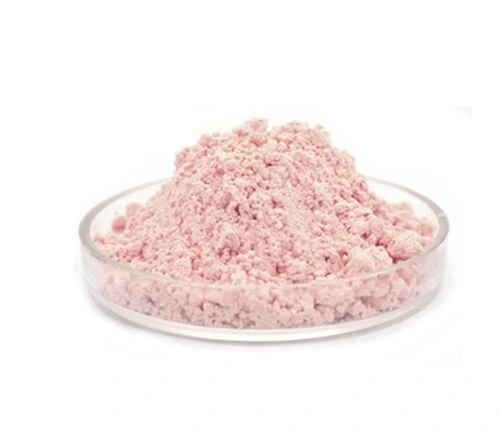
Comparing Watermelon Powder with Alternative Products
Understanding the advantages of watermelon powder compared to other watermelon-derived ingredients helps procurement professionals make informed sourcing decisions that align with their specific application requirements and quality standards.
Powder vs. Juice Concentrates
Watermelon juice concentrates have some benefits when it comes to processing, but they are very limited when it comes to how they can be mixed and how long they can be stored. Liquid concentrates need to be kept in the fridge and don't last as long as properly processed watermelon fruit powder, which stays stable for 18 to 24 months with the right storage circumstances. Juices have a lot of sugar, which can make formulations more difficult, especially in sports nutrition, where carbohydrate amounts need to be carefully controlled. Powder forms give you more control over the formulation and make it easier to make sure that the bioactive content is the same in all runs of the product.
Extract Standardisation Benefits
Standardised watermelon powder extracts ensure the amount of L-citrulline they contain, but they may lose some of the other important nutrients that are in whole fruit powder. Watermelon Powder made from whole fruit has more bioactive substances, like vitamins, minerals, and secondary metabolites, that make it more nutritious overall. Extracts are good for specific uses because they give consistency. For all-around nutrition uses, whole fruit powders are especially useful because the synergistic benefits of these nutrients working together are often better than isolated compounds.
Organic Certification Advantages
Organic versions of watermelon powder have extra market benefits because they are certified by a third party, which checks the quality of the source materials and the way they are made. These approvals, like USDA Organic and EU Organic standards, need proof of the whole supply chain, from growing the crops to processing them. Organic ingredients are often priced higher because they are seen as better, and consumers want goods with clean labels. To keep conventional ingredients from getting mixed in, manufacturing plants must keep their working lines separate and follow strict rules.
Procurement Insights: How to Source High-Quality Watermelon Powder
Successful procurement of premium watermelon powder requires a comprehensive evaluation of suppliers, processing capabilities, and quality assurance systems. The complexity of modern supply chains demands thorough due diligence to ensure consistent product quality and regulatory compliance.
Supplier Certification and Compliance Standards
The best Watermelon Powder providers have a lot of certifications that show they care about quality and safety. Strong quality management systems are required for ISO 9001 certification, and FSSC 22000 approval is all about managing food safety throughout the supply chain. Extra certifications like KOSHER, HALAL, and HACCP let you reach certain groups of people who have special needs.FDA registration makes sure that you follow US laws, and GMP certification shows that you follow good production practices that are important for pharmaceutical and nutraceutical uses. For these certifications to be valid, there must be regular audits and methods for continuous improvement that help keep product quality high.
Technical Support and Application Assistance
Superior providers offer a wide range of technical support services in addition to providing basic ingredients. This includes help with formulation, help with stability testing, and application advice that is tailored to the needs of the business. Customers can check the bioactive content and make sure the product meets standards by getting access to detailed analytical data, such as HPLC analysis reports for each batch. Application labs that are set up to test cosmetics, supplements, and drinks are very helpful for product development projects. These places can test for compatibility, study shelf life, and improve formulations, such as watermelon powder, which speeds up the time it takes for new goods to hit the market.
Supply Chain Reliability and Scalability
Supply chain resilience is shown by established sellers who use a variety of sourcing networks and smart inventory management. Customers save money on stocking costs when items are in ready stock and can be shipped quickly. This supports just-in-time manufacturing. Samples and small-scale trial orders, along with flexible minimum order amounts, let you do a full evaluation before committing to large-volume purchases. The commercial MOQ of 25 kg is in line with how things are usually used in industry, and it keeps costs low for sellers.
Conclusion
For watermelon powder to be as effective as possible, it needs to be processed using complex technical methods that balance keeping the nutrients while still making the business profitable. Modern drying methods, like freeze drying and vacuum processing, help companies keep heat-sensitive compounds like L-citrulline and lycopene while making stable, useful ingredients that can be used in many commercial settings. To be successful in procurement, you need to carefully look at a supplier's skills, certifications, and expert support services to make sure that quality standards are met and regulations are followed across all global markets.
FAQ
1. What makes watermelon powder more potent than fresh fruit?
The dehydration process concentrates bioactive compounds, resulting in L-citrulline levels that can be 10-15 times higher than in fresh fruit. Proper processing techniques preserve these nutrients while removing water content that would otherwise dilute the functional components.
2. How should watermelon powder be stored to maintain potency?
Optimal storage conditions include cool temperatures below 25°C, low-humidity environments with less than 60% relative humidity, and protection from direct light. Oxygen-barrier packaging helps prevent oxidative degradation of sensitive compounds like lycopene and vitamin C.
3. What certifications should I look for when sourcing watermelon powder?
Essential certifications include ISO 9001 for quality management, FSSC 22000 for food safety, and relevant organic certifications if required. Additional certifications such as KOSHER, HALAL, and HACCP may be necessary depending on target markets and applications.
4. Can watermelon powder be customised for specific applications?
Reputable suppliers offer customisation options including specific L-citrulline concentrations, particle size optimisation, and blending with complementary ingredients. Custom formulations require detailed specifications and may involve minimum order quantities for specialised processing.
5. What is the typical shelf life of high-quality watermelon powder?
Properly processed and packaged Watermelon Powder maintains potency for 18-24 months when stored under recommended conditions. Regular testing of key bioactive compounds helps verify continued product quality throughout the shelf life period.
Partner with KH for Premium Watermelon Powder Solutions
KH specialises in delivering high-potency watermelon powder manufactured through advanced processing techniques that preserve maximum bioactive content. Our end-to-end control from seed to final product ensures consistent quality and traceability that meets the most demanding industrial requirements. As an experienced watermelon powder manufacturer, we provide comprehensive technical support, including detailed HPLC analysis reports, application assistance, and customisation capabilities for specific formulation needs.
Our facility maintains multiple certifications, including ISO 9001, FSSC 22000, KOSHER, HALAL, HACCP, FDA, and both EU and USDA Organic standards, ensuring compliance with global regulatory requirements. Ready stock availability and prompt shipment capabilities support your supply chain efficiency, while flexible MOQ options enable thorough product evaluation. Contact us at info@kingherbs.com to discuss your watermelon powder requirements and experience the reliability of working with a trusted supplier committed to your success.
References
1. Journal of Food Science and Technology: "Optimisation of Freeze-Drying Parameters for Watermelon Powder Production and Nutrient Retention Analysis"
2. Food Chemistry International: "Comparative Study of L-Citrulline Preservation in Watermelon Processing Methods"
3. International Journal of Food Engineering: "Advanced Drying Technologies for Fruit Powder Manufacturing: Quality and Efficiency Analysis"
4. Nutraceuticals Research Quarterly: "Bioactive Compound Stability in Watermelon-Derived Ingredients During Processing and Storage"
5. Food Processing and Preservation Science: "Microbial Safety and Quality Control in Watermelon Powder Production Systems"
6. Applied Food Biotechnology Review: "Industrial Applications of Watermelon Powder: Processing Requirements and Market Trends"
Send Inquiry
Related Industry Knowledge
- Apple Root Extract in Nutraceutical Products Guide
- How Watermelon Powder Enhances Athletic Recovery?
- Premium Couch Grass Rhizome Extract for Urinary Tract Support
- Why Choose Organic Valerian Root Extract Powder for Wellness?
- Does Couch Grass Rhizome Extract Help With UTIs?
- White Paeony Extract Powder for Pharmaceutical & Cosmetic Uses
- Vine Tea Extract in Weight Management Products — A Deep Dive
- Polygonum Cuspidatum Extract: Bioactive Compounds and Benefits
- Can Lespedeza Capitata Extract Promote Healthy Fluid Balance?
- Mango Leaf Extract Powder: Nature’s Antioxidant Powerhouse