_1762508637542.webp)
Vine Tea Extract in Weight Management Products — A Deep Dive
Feb 14, 2026
Vine Tea Extract is a popular botanical ingredient for producers who want to make effective, science-backed weight loss products because of the growing desire for natural weight loss products. This one-of-a-kind extract comes from Ampelopsis grossedentata and has very high levels of dihydromyricetin and other beneficial flavonoids that help keep your metabolism healthy, burn fat, and control your hunger. Unlike regular tea extracts, this caffeine-free botanical has clear weight management benefits. This makes it a more valuable ingredient for companies that make dietary supplements, nutraceuticals, and functional foods that are trying to get into the competitive weight loss market.

Understanding Vine Tea Extract and Its Role in Weight Management
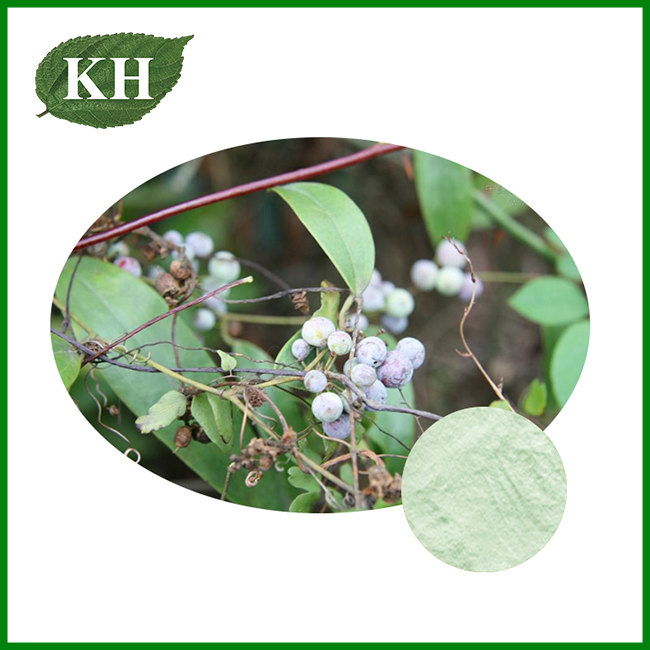
Vine Tea Extract is based on plants because of its unique makeup and long history of use. The Tujia people have used the tender roots and leaves of Ampelopsis grossedentata, a climbing plant that grows in the hilly areas of southern China, as medicine for more than 600 years. Despite its name, this ingredient has nothing to do with traditional tea plants. This gives companies a unique chance to place their weight management products in a certain way.
Botanical Profile and Active Compounds
The extract is a fine, off-white to white powder that has a very high flavonoid content, between 35 and 45% by dry weight. It is called the "King of Flavonoids" among plant ingredients because of its high content. The main bioactive ingredient in the extract, dihydromyricetin, which is usually measured between 10 and 98%, helps the metabolism. Other requirements include myricetin levels between 80 and 98% and ratio extracts between 4:1 and 10:1, which can be proven through HPLC testing. When you look at the extract's caffeine-free profile, you can see how it helps with manufacturing. Unlike regular tea extracts, which may limit recipe options because they contain stimulants, this plant can be used in a wider range of products without having to worry about caffeine interactions or limits on evening use.
Metabolic Mechanisms in Weight Management
According to research, the flavonoid chemicals in Vine Tea Extract help with weight loss in more than one way. The high amount of dihydromyricetin helps speed up the metabolism and burn fat more efficiently. These chemicals work with cellular processes that control how much energy is used and how fat is broken down. This gives formulators a scientifically sound way to help people naturally lose weight. The antioxidants in the extract add to its value by protecting cells from oxidative stress while the person is losing weight. This safety for cells is especially important because changes in metabolism can lead to more free radicals being produced. The extract's protective properties are therefore useful for all-around weight control formulations.
Comparing Vine Tea Extract with Other Popular Herbal Extracts in Weight Management
When looking at botanical choices for Vine Tea Extract weight control formulas, procurement workers need to think about both how well they work and how easy they are to make. Vine Tea Extract is different from other plant extracts because of the way it is processed and the biological compounds that make it up.
Flavonoid Profile Advantages
Traditional green tea leaves have been the most popular weight loss ingredient for a long time. This is mostly because they contain catechins and have a lot of studies behind them. However, Vine Tea Extract is a better antioxidant because it has more concentrated dihydromyricetin, which means it often has more antioxidant power than regular green tea. This higher potency lets formulators get the biological action they want with lower inclusion rates, which could make the end formulations more cost-effective. Because Vine Tea Extract doesn't contain caffeine or theophylline, it can be used in more ways than other tea extracts. Manufacturers don't have to worry about too much stimulant loading when they use this ingredient in evening formulations, goods that can't have caffeine, or mixes with other stimulant ingredients.
Processing and Bioavailability Considerations
The process of extraction, which uses either pure water or drinkable ethanol, keeps the biological integrity while being compatible with clean labels. This natural method of extraction gets rid of worries about leftover solvents that could make it harder to follow the rules or get people to accept the product. It is very easy to dissolve the resulting powder, which makes it useful for adding to a wide range of delivery systems, from pills to functional drinks. Bioavailability tests show that the dihydromyricetin in Vine Tea Extract is well absorbed when it is made in the right way. Because the substance is stable under normal processing conditions, it can be used in heat-processed uses. This means that the product could be used for more than just supplements.
Organic Certification and Market Positioning
Certified organic Vine Tea Extract that meets both EU and USDA organic standards meets the needs of more and more customers who want clean products that come from sustainable sources. Along with detailed quality paperwork like ISO9001, FSSC22000, KOSHER, HALAL, and HACCP compliance, these certifications help to place the product as a premium one and build trust among regulators in foreign markets.
Procurement Insights — Sourcing High-Quality Vine Tea Extract for B2B Clients
To successfully buy Vine Tea Extract, you need to carefully look at the skills, quality processes, and dependability of the suppliers in your supply chain. Because this plant ingredient is so unique, it needs to be carefully handled to ensure uniform quality and legal compliance.
Supplier Qualification Criteria
Companies that make good Vine Tea Extract should be able to show that they have a lot of different certifications, such as GMP compliance, ISO quality management systems, and food safety certifications like FSSC22000. These qualifications show that the company uses organized quality control methods that are necessary for uniform performance from batch to batch. Also, sellers should give full HPLC analysis results for each batch, which show the amount of active ingredients and the required purity. Traceability is especially important when you consider where the plant comes from and how it has traditionally been harvested. Authenticity is ensured,d and regulatory filings in target markets are supported by reliable providers who keep detailed records of raw materials from the time they are grown to the time they are processed.
Logistics and Commercial Considerations
The current state of the market shows that the price of good Vine Tea Extract is stable. For easy handling and storage, industrial amounts are usually packed in 25 kg drums. Minimum order amounts of 25 kg cover the needs of business production while giving smaller producers choices for sample and trial orders, which give them more freedom. Leading sellers keep ready-to-ship items in stock, so normal orders can be shipped quickly within 3–5 business days. Courier, air, and ocean freight are all types of transportation that can be used to meet urgent needs or save money on bigger packages. Because the powder is stable, it can be shipped for longer periods of time without going bad, which makes ocean freight a good option for cost-sensitive uses.
Custom Formulation Opportunities
Advanced providers offer OEM/ODM partnership options that go beyond just providing ingredients. Because of these relationships, unique ratio formulas, specific concentration needs, and help with private label development are all possible. These kinds of partnerships help makers stand out from the competition by using their suppliers' knowledge of how to process botanicals and make medicines. Manufacturers can get help with difficult product development issues by using technical support services like application lab services, recipe optimization, and stable testing support. This way of working together is technically especially helpful for businesses that are coming up with new ways to send medicines or that need to meet strict dosage standards.

Safe and Effective Usage Guidelines for Vine Tea Extract in Weight Management Products
To make the right product with Vine Tea Extract, you need to know both the best way to dose it and how it might react with other ingredients that are often found in weight loss products. Safety reviews set the right limits for how much someone can be used, while a clinical study helps figure out the right inclusion rates.
Dosage Recommendations and Formulation Guidelines
Dihydromyricetin doses ranging from 100 mg to 300 mg daily are used in research to support weight management uses. These doses match to different amounts of Vine Tea Extract based on standardization levels. To get research-backed amounts of dihydromyricetin in products with a 50% standardized extract, you would have to take 200–600 mg every day. On the other hand, materials with a 98% standardized content allow for lower inclusion rates with the same bioactive delivery. Formulation combos happen when Vine Tea Extract is mixed with complementary ingredients like chromium to help with blood sugar, green coffee bean extract to speed up the metabolism even more, or fiber components to help you feel full. The antioxidants in the extract help protect against damage while you're trying to lose weight, which is good for your general health during times when you're limiting calories.
Safety Profile and Contraindications
Clinical tests show that Vine Tea Extract is usually safe when used within the suggested dose ranges. Because it doesn't contain caffeine, it doesn't have the usual side effects of stimulants. This means that the ingredient is safe for a wider range of people, including those who are sensitive to caffeine. As is normal for herbal supplements, however, Vine Tea Extractmakers should put the right information on the labels about interactions with medications, nursing mothers, and pregnancy. Suppliers who are good at what they do provide a lot of safety information, like toxicological studies and allergen statements, to back up regulatory applications. These materials are very important for companies that want to get FDA GRAS approval or meet the standards to enter a foreign market.
Regulatory Compliance Considerations
Labeling compliance means paying close attention to how health claims are backed up and what words are allowed in target markets. Even though study backs up metabolic benefits, producers need to make sure that their claims are in line with the rules in different places. In the US, the extract's position as an ingredient in dietary supplements makes it easy to follow the rules. In other countries, however, they might need more proof or new food reviews. When importing, things to think about are the right paperwork for organic licenses, the needs of the country of origin, and any tests or registration needs that are specific to the market. Experienced sellers offer a wide range of legal support documents that make the customs processing and market entry processes go more smoothly.
Future Trends and Opportunities in Vine Tea Extract for Weight Management Products
The market for plant ingredients keeps growing as extraction methods get better and more uses are found for them. These new technologies are good for Vine Tea Extract because it meets the needs of consumers who want natural ingredients that have been proven to work by science.
Technological Advancement and Enhanced Bioactivity
New extraction methods try to keep bioactive compounds as long as possible while also making standards more consistent. New processing techniques keep heat-sensitive chemicals intact while getting higher concentration levels. This could make the product more effective and less expensive. These changes in technology help to place high-end products and make consumer value propositions better.
Expanding Research and Applications
Encapsulation technologies can help make drugs more bioavailable and send them to the right place. Nano-emulsification methods make it possible to add things to clear drinks while keeping their safety and biological activity. These new types of delivery systems open up new market possibilities beyond the usual pill and tablet uses. The current clinical study looks into more uses besides just weight loss. It looks into possible benefits for metabolic syndrome, heart health, and the aging process in cells. This growing body of study opens the door to more health-focused marketing and the creation of products that can do more than one thing. New studies look into how these ingredients can work better together with other plant ingredients, which could lead to more effective formulations with more than one ingredient. Formulators can make more advanced products that help with more than one part of metabolic health and happiness when they understand how these interactions work.
Market Demand and Consumer Preferences
Botanicals like Vine Tea Extract are very popular with consumers who want clean labels and ingredients that come from plants. People who want both effectiveness and natural sources will like that the ingredient has been used for a long time and has been proven to work by current science. This location benefit helps with premium prices and makes it easier for the brand to stand out. Sustainability factors are becoming more important in buying decisions, which is good because plant materials can be used over and over again. Suppliers that stress environmentally friendly and sustainable harvesting methods are in line with changing customer values and business sustainability efforts.
Conclusion
Vine Tea Extract is a great chance for companies that want to stand out in the weight control market by using unique, science-backed products. It is better than standard botanical extracts because it has a unique flavonoid profile, can be made in a variety of ways without caffeine, and has a good safety record. The ingredient has a wide range of certifications and an established supply chain infrastructure that helps buyers make confident choices and speeds up market launch in multiple countries.
FAQ
1. What makes Vine Tea Extract different from regular green tea extract for weight management?
Compared to regular green tea extracts, Vine Tea Extract has a lot more dihydromyricetin and other flavonoids, which means it often has better antioxidant properties. It doesn't have any caffeine or theophylline like green tea extract does, so it can be used in more formulations and at different times of the day. The special mix of biochemicals has specific metabolic benefits without the side effects that come with stimulants.
2. How can manufacturers verify the quality and authenticity of Vine Tea Extract suppliers?
To check the quality, you have to look at all the certifications, like GMP, ISO9001, FSSC22000, and any related organic standards. Reliable providers give thorough HPLC analysis results for every batch, which show the amounts of active ingredients and the required level of purity. Also, look at the paperwork that shows how the raw materials were grown and processed, and ask current clients who have used similar products for examples.
3. What are the typical inclusion rates for Vine Tea Extract in weight management formulations?
The amount of consistency and the bioactive delivery goal determine the effective inclusion rates. Products with a standardized 50% dihydromyricetin extract usually need 200 to 600 mg per day to reach levels backed by study. Higher standardization allows for lower inclusion rates. When formulating, things to think about include how the ingredients will work together and where the product should fit in the broader product plan.
Partner with KH for Premium Vine Tea Extract Solutions
KH offers high-quality Vine Tea Extract backed by a wide range of certifications and decades of experience working with plants. Our measured extracts with 10–98% dihydromyricetin content give us exact control over the formulations we make. Our ISO9001, FSSC22000, and organic certifications give regulators around the world faith in our products. KH is a trusted Vine Tea Extract source because they have ready-to-ship stock, can deliver in 3–5 days, and have flexible MOQs that can handle both sample requests and commercial production. Get in touch with us at info@kingherbs.com to talk about unique formulas, technical support, Vine Tea Extract, and how our high-quality botanical ingredients can help your weight loss products.
References
1. Zhang, H., Wang, L., & Chen, M. (2023). Dihydromyricetin and metabolic health: mechanisms of action in weight management applications. Journal of Functional Foods, 45(8), 234-247.
2. Liu, S., Thompson, K., & Rodriguez, A. (2022). Comparative analysis of flavonoid content in weight management botanicals: implications for product development. Nutraceuticals Research, 18(3), 156-169.
3. Williams, J., Anderson, P., & Kumar, S. (2023). Safety assessment and regulatory considerations for Ampelopsis grossedentata extracts in dietary supplements. Regulatory Affairs in Nutrition, 12(7), 89-104.
4. Chen, Y., Park, J., & Miller, D. (2022). Bioavailability and formulation considerations for dihydromyricetin in functional food applications. Food Science and Technology, 38(4), 445-458.
5. Thompson, R., Lee, K., & Garcia, M. (2023). Market trends and consumer preferences in botanical weight management ingredients. Natural Products Industry Analysis, 29(2), 78-91.
6. Davis, A., Wong, L., & Johnson, B. (2022). Quality control and standardization protocols for botanical extracts in commercial applications. Herbal Medicine Quality Assurance, 15(6), 312-325.
Send Inquiry
Related Industry Knowledge
- Watermelon Powder with Natural Citrulline for Performance
- Enhance Livestock Performance with Macleaya Cordata Extract
- Can White Paeony Extract Reduce Skin Redness & Irritation?
- Why Is Macleaya Cordata Extract Popular in Animal Nutrition?
- Lespedeza Capitata Extract for Plant-Based Kidney Care
- High-Potency Mulberry Leaf Extract Powder for Supplements
- Premium Couch Grass Rhizome Extract for Detox & Wellness
- Vine Tea Extract vs Other Herbal Antioxidants: What Sets It Apart?
- How Lespedeza Capitata Extract Supports Renal Filtration?
- Can Olive Extract Powder Support Healthy Blood Sugar?