_1762508637542.webp)
Valerian Root Extract Powder vs Whole Root Powder — Key Differences
Apr 2, 2026
Understanding the difference between Valerian Root Extract Powder and whole root powder is very important when looking for plant ingredients for nutraceutical formulations. The extract form has a normal amount of valerenic acid (0.2% to 0.8%) and concentrated bioactive compounds. The whole root powder, on the other hand, has the whole plant matrix and a range of potencies. This difference in standardisation has a big effect on formulation uniformity, dosage needs, and the effectiveness of the final product in sleep aid and anxiety relief uses.
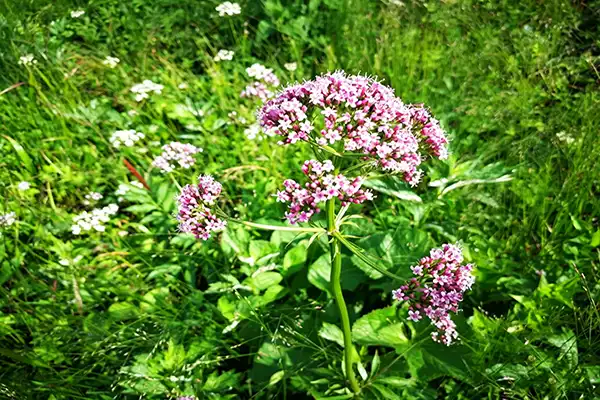
Understanding Valerian Root: Whole Root Powder and Extract Powder
The fundamental distinction between these two valerian forms lies in their processing methodologies and resulting chemical profiles. Whole root powder represents the complete dried and milled root of Valeriana officinalis L., maintaining the entire botanical matrix including fibrous components, naturally occurring moisture, and variable concentrations of active constituents.
Processing Methods and Standardization
Advanced hydro-alcoholic extraction methods are used to concentrate bioactive compounds in Valerian Root Extract Powder. These methods use exact solvent ratios and controlled temperature parameters. We use only pure water and edible ethanol for extraction, which gets rid of harmful solvents while keeping the volatile oils and vital valerenic acids. When this process is done, a fine brown powder is made that has normal concentration ratios between 4:1 and 10:1. The way of extraction has a direct effect on the chemical fingerprint of the finished product. We use HPLC to make sure that every batch has the same amount of valerenic acid, acetoxyvalerenic acid, and hydroxyvalerenic acid. These are the main chemicals in valerian that help the GABA signalling systems.
Botanical Source and Quality Control
Both goods come from Valeriana officinalis L., but they are of very different quality. Whole root powder still has the normal range of variations that come with agricultural goods. The amounts of active compounds change depending on the harvest, the type of soil, and the time of year. Standardization methods used in extract processing help to fix these problems. Because we work with approved planting sites to get our crops, we have full control over the varieties, soil conditions, and harvest times. This end-to-end tracking stops changes in the quality of the raw materials and keeps the real botanical identity of Valerian Root Extract Powder from the seed to the finished powder.
Key Differences Between Valerian Root Extract Powder and Whole Root Powder
The contrasts between these valerian forms extend beyond processing methods to encompass critical factors affecting formulation success and procurement decisions. Understanding these differences enables informed supplier selection and product specification alignment.
Potency and Bioavailability Considerations
Concentrated active substances in standardized Valerian Root Extract Powder make sure that the medicine works as expected. Whole root powder usually has 0.1% to 0.3% valerenic acids, but our extract always has 0.2% to 0.8% levels, which have been proven by thorough HPLC testing. This difference in concentration means that less medicine is needed, and capsules can be filled more quickly. The bioavailability profile is also very different between forms. Processing extracts breaks down cellular structures, which makes compounds easier to access and faster for the body to absorb them. Clinical studies show that standardized extracts improve sleep quality measures compared to whole root preparations. This is because the bioactive compounds are more easily accessible.
Formulation Versatility and Manufacturing Efficiency
Extract powder is better for production because the particles are spread out more evenly and the powder flows more easily. Our product specifications make sure that 95% of it goes through an 80-mesh screen, which makes it easier to fill capsules and make tablets consistently. The fine brown powder keeps the colour the same from batch to batch. Another important difference is shelf stability. Over time, enzymes can break down whole root powder, and flammable oil can be lost. By reducing moisture and controlling storage conditions, extract processing stabilizes bioactive chemicals, which can make them last up to 24 to 36 months under the right conditions.
Safety Profiles and Regulatory Compliance
When bought from reputable companies that follow GMP approval standards, both types have great safety records. But extract standardization improves quality assurance by keeping track of batches and checking them analytically. Our certificates include FDA compliance, KOSHER, HALAL, HACCP, ISO9001, and FSSC22000. This makes sure that all of our regulations are in line with the needs of different markets. Controlling the amount of heavy metals in an extract is easier when you use concentration methods to keep an eye on and get rid of contamination more precisely. Heavy metal levels must stay below 10ppm according to our Valerian Root Extract Powder specifications. This supports clean label formulations and customer safety expectations.
Decision-Making Factors for B2B Procurement: Choosing Between Extract and Whole Root Powder
Strategic procurement decisions require a comprehensive evaluation of multiple factors beyond initial pricing considerations. The choice between valerian formats impacts long-term product success, manufacturing efficiency, and market positioning outcomes.
Cost-Benefit Analysis and ROI Evaluation
Valerian Root Extract Powder costs more per kilogram than whole root powder, but the cost-per-dose is better because it has more concentrated strength. Standardizing extracts makes it possible to calculate exact doses, which cuts down on formulation waste and improves the predictability of production. Our 25kg drum package makes shipping more efficient and keeps our wholesale prices for business orders low. The volumes needed for each type are very different. The concentration of the extract lets companies make therapeutic doses (300 mg to 600 mg) in smaller capsules, which lowers the cost of packing and makes it easier for customers to follow the directions. Because of this efficiency, profit margins are better even though more raw materials have to be bought.
Supplier Evaluation Criteria
When choosing valerian suppliers, checking the suppliers' certifications becomes very important. Our wide range of certifications, which includes agreement with USP and EP standards, makes sure that regulations are the same in all global markets. Each shipment comes with traceability paperwork that shows the whole chain of control, from growing the plants to packaging them up. Premium suppliers are different from commodity suppliers because they offer technical help. Our application laboratory can help you improve your formulation, test its stability, and make custom compounds that meet the needs of your particular product. This method of working together goes beyond just providing basic ingredients and includes a full development partnership.
Custom Formulation Support
In today's nutraceutical markets, new ways of mixing different plant extracts with specific amounts of potency are needed. Our technical team gives full compounding advice for complicated formulations, including how to improve stability and interaction potential across a range of delivery systems, such as drinks, gummies, tablets, and skin care products. Minimum order amounts are flexible enough to meet the needs of both testing samples and mass production. Sample orders and small-batch trials let you fully evaluate a product before committing to bigger purchases. This lowers the risks of development and makes sure that the product will work with other formulations.
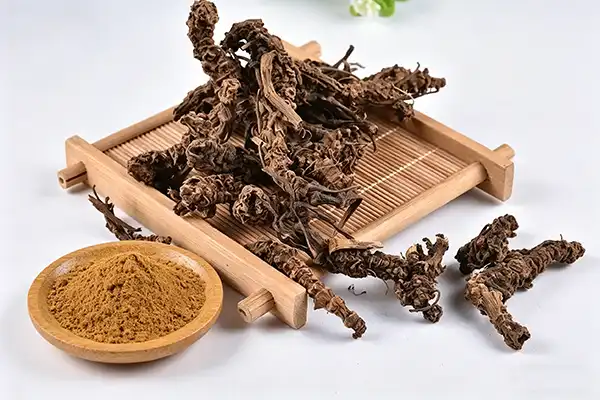
Comparison with Alternative Natural Sleep and Anxiety Aids
The natural sleep aid market Valerian Root Extract Powder encompasses numerous botanical options, each offering distinct advantages and application characteristics. Understanding how valerian positions against alternatives enables informed portfolio development and competitive positioning strategies.
Efficacy Comparison with Melatonin and Hops
Valerian Root Extract Powder works by changing the GABA system instead of adjusting the circadian rhythm, which makes it different from products that use melatonin. Compared to synthetic sleep aids, a clinical study shows that this method improves the start of sleep and makes you less groggy in the morning. People who are looking for alternatives to drugs like the fact that it is not addictive. Hops products work better with valerian because they have synergistic effects. Many effective formulas combine the two plants to make them work better. Our expert team gives advice on the best ratios and extraction compatibility for multi-botanical formulas that aim to help with all aspects of sleep.
Market Adoption Trends and Consumer Preferences
People want standardized botanical extracts more than whole plant products because they expect them to work the same way every time and because they are easier to dose. As more products come with "clean labels," natural extraction methods that use water and ethanol instead of manmade solvents are becoming more popular. For premium placement, organic certification can be useful, but it's not always available because it depends on farming methods and the cost of keeping the certification up to date. For a variety of market positioning strategies, our sourcing network includes both conventional and organic choices.
Procurement Best Practices and How to Secure Quality Valerian Root Extract Powder
Successful botanical ingredient procurement requires systematic evaluation processes addressing quality verification, supplier reliability, and logistics optimization. These practices minimize supply chain risks while ensuring consistent product quality.
Supplier Channel Evaluation
When compared to distributor networks, direct relationships with manufacturers often offer better pricing and access to technical help. We can ship items all over the world using courier, air, and ocean services. This gives us the freedom to set flexible arrival times based on inventory needs and budget concerns. Digital marketplaces are convenient, but they might not have the technical help and quality control tools that are needed for pharmaceutical-grade applications. When you have a connection with a manufacturer, you can get batch documentation, analytical certificates, and ongoing technical support that will help your formulation succeed.
Quality Verification Protocols
When looking at new sources, analytical testing verification becomes very important. As part of our thorough testing procedures, we check for active chemicals using HPLC, test for microbes and heavy metals, and check for pesticide residues. Each shipment comes with a thorough certificate of analysis that proves it meets certain criteria. Sample evaluation tools let you do a full evaluation before making a business commitment. Our ready-to-ship stock means that samples can be sent out quickly—within three to five business days—which speeds up the process of formulating new products and responding to market needs.
Long-Term Partnership Development
Transactional buying isn't as important in sustainable procurement, Valerian Root Extract Powder methods, as building relationships with suppliers. Our technical partnership model offers ongoing formulation support, insights into market trends, and cooperation on product development that goes beyond just providing ingredients. As part of inventory management support, help with predicting demand is given, as well as flexible buying options that can be used to accommodate seasonal changes and promotional needs. This collaborative method makes sure that supplies are always available and minimizes the amount of money that needs to be spent on inventory.
Conclusion
Choosing between Valerian Root Extract Powder and whole root powder has a big effect on how well the recipe works, how efficiently it is made, and how competitive it is in the market. Even though they require a bigger initial investment, standardized extracts offer better stability, higher bioavailability, and better manufacturing properties. The high concentration makes it possible to give doses more cheaply while still meeting patients' expectations for reliable therapeutic results. To make sure a product is a long-term success, strategic purchasing choices should put supplier certification checks, technical support, and the chance of a long-term partnership ahead of price comparisons alone.
FAQ
1. What are the primary advantages of valerian extract powder over whole root powder for supplement manufacturing?
Extract powder provides standardized potency levels (0.2%-0.8% valerenic acids), improved bioavailability through enhanced compound accessibility, and superior manufacturing efficiency via optimized particle size and flowability characteristics. The concentration process eliminates batch-to-batch variability common in whole root preparations while reducing required dosage volumes.
2. How do I determine appropriate dosage levels for valerian extract formulations?
Dosage calculations depend on extract concentration ratios and target therapeutic outcomes. Typical effective ranges span 300mg-600mg for standardized extracts containing 0.4%-0.8% valerenic acids. Our technical team provides formulation guidance based on specific concentration levels and intended applications, ensuring optimal efficacy while maintaining safety margins.
3. What safety considerations should procurement teams evaluate when sourcing valerian ingredients?
Critical safety factors include heavy metal content verification (below 10ppm limits), microbial testing compliance, pesticide residue screening, and supplier GMP certification status. Our comprehensive testing protocols and certification portfolio, including FDA compliance, ensure regulatory alignment and consumer safety across diverse market applications.
4. What quality certifications should I expect from reliable valerian extract suppliers?
Essential certifications include ISO9001 for quality management, FSSC22000 for food safety, and relevant religious certifications (KOSHER, HALAL) for broad market access. Additional HACCP and FDA compliance demonstrates commitment to pharmaceutical-grade quality standards, while USP and EP compliance ensures global regulatory acceptance.
Partner with KH for Premium Valerian Root Extract Powder Supply
KH stands as your trusted Valerian Root Extract Powder manufacturer, delivering consistent quality through end-to-end traceability from certified planting bases to final packaging. Our standardized extracts maintain 0.2%-0.8% valerenic acid content verified through rigorous HPLC testing, ensuring reliable formulation outcomes for your sleep aid and anxiety relief products. With comprehensive certifications including ISO9001, FSSC22000, and FDA compliance, we support your regulatory requirements across global markets. Our application laboratory provides custom formulation support, stability testing, and technical consultation extending beyond basic ingredient supply. Ready stock availability enables prompt 3-5 day delivery for samples and commercial orders, while flexible MOQ accommodations support both development and production requirements. Contact our technical team at info@kingherbs.com to discuss your specific valerian extract specifications and discover how our partnership approach can enhance your product development success.
References
1. Bent, S., Padula, A., Moore, D., Patterson, M., & Mehling, W. (2006). Valerian for sleep: a systematic review and meta-analysis. American Journal of Medicine, 119(12), 1005-1012.
2. Fernández-San-Martín, M. I., Masa-Font, R., Palacios-Soler, L., Sancho-Gómez, P., Calbó-Caldentey, C., & Flores-Mateo, G. (2010). Effectiveness of Valerian on insomnia: a meta-analysis of randomized placebo-controlled trials. Sleep Medicine, 11(6), 505-511.
3. Patočka, J., & Jakl, J. (2010). Biomedically relevant chemical constituents of Valeriana officinalis. Journal of Applied Biomedicine, 8(1), 11-18.
4. Stevinson, C., & Ernst, E. (2000). Valerian for insomnia: systematic review of randomized clinical trials. Sleep Medicine Reviews, 4(4), 319-332.
5. Taibi, D. M., Landis, C. A., Petry, H., & Vitiello, M. V. (2007). A systematic review of valerian as a sleep aid: safe but not effective. Sleep Medicine Reviews, 11(3), 209-230.
6. Wagner, H., & Jurcic, K. (2002). Valerian: pharmacological and clinical studies. Planta Medica, 68(4), 289-294.
Send Inquiry
_1779935700347.webp "Onion Extract")
Related Industry Knowledge
- Is Valerian Root Extract Powder Right for You?
- How Watermelon Powder Enhances Athletic Recovery?
- What Makes Mango Leaf Extract Powder a Top Herbal Ingredient?
- Valerian Root Extract Powder: Nature’s Solution for Insomnia
- What Is Macleaya Cordata Extract Used For?
- What Are the Main Uses of Macleaya Cordata Extract?
- What Are the Active Compounds in Mulberry Leaf Extract Powder?
- Vine Tea Extract: Antioxidant Power for Modern Wellness Formulas
- High-Purity Lespedeza Capitata Extract for Nutraceutical Use
- Can Purple Sweet Potato Extract Support Cellular Protection?