_1762508637542.webp)
Can White Willow Bark Extract Powder Promote Joint Health?
Jun 12, 2026
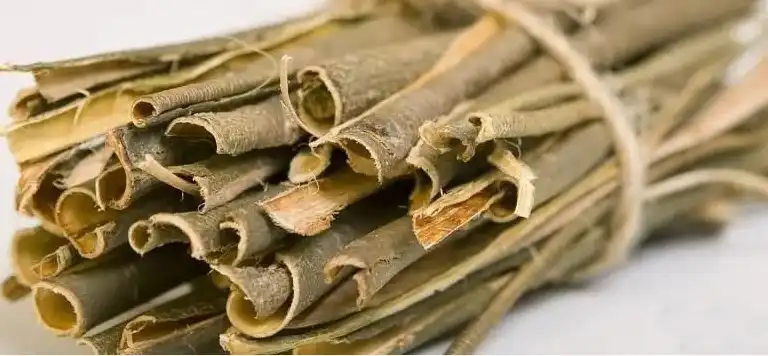
White Willow Bark Extract Powder can help keep your joints healthy because it naturally reduces inflammation and eases pain. This plant ingredient comes from the bark of the Salix alba tree and has salicin in it, which is a beneficial substance that the body slowly changes into salicylic acid. This slow change process provides long-lasting relief from joint pain while minimising the stomach issues that are common with fake options. When mixed with flavonoids and tannins, the extract fights inflammation in more than one way. This makes it a useful ingredient for nutrition brands and pharmaceutical companies around the world to use in joint support formulas.
Understanding White Willow Bark Extract Powder and Its Role in Joint Health
The plant product from Salix alba bark has become a popular ingredient for joint health uses in the food supplement and medicine industries. More and more, procurement managers and formulation experts are looking for natural solutions that work well in the real world without the safety issues that come with using NSAIDs for long periods of time. This extract meets that need because it has a special mix of phytochemicals.
Botanical Origin and Active Constituents
This standard ingredient comes from the inner bark of Salix alba trees and is extracted with water and ethanol to keep its medicinal chemicals. Salicin, the main ingredient, works as a natural prodrug. It is broken down slowly by your body through routes in your liver and intestines, which makes its pharmacokinetic profile milder than that of aspirin. This extended-release process creates steady plasma levels that support long-term joint comfort without sudden highs that could hurt delicate tissues. Besides salicin, the extract also has other polyphenols that work well together, such as antioxidants and tannins. These chemicals protect against reactive stress in joint tissues by acting as antioxidants. Researchers have found that this multi-component matrix has benefits that can't be gotten from separate manufactured chemicals. This gives R&D teams a chance to make their products stand out.
Mechanism of Action for Joint Support
Keeping inflammatory reactions in check and protecting the structure of cartilage are important for joint health. The excerpt deals with both issues in different ways. When salicin is eaten, it is changed by enzymes into saligenin and then oxidizes to salicylic acid. This molecule stops cyclooxygenase enzymes from working, which lowers the production of prostaglandins, which start inflammation processes. NSAIDs work right away in the stomach, but this delayed action happens throughout the body, so it doesn't affect the stomach directly. The antioxidants that are present add to the anti-inflammatory benefits by changing the nuclear factor-kappa B signalling pathways. Tannins have numbing qualities that may help keep joint tissue healthy. This all-around method makes the ingredient perfect for joint health products that are meant to treat long-term pain rather than short-term pain.
Available Forms and Specifications
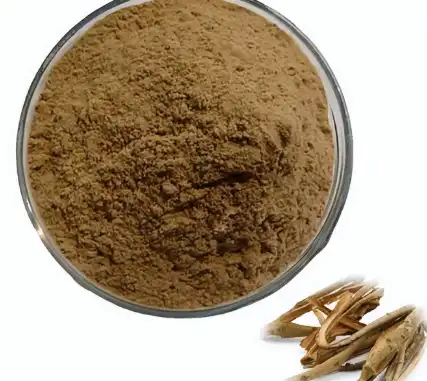
Knowing the different choices for specifications helps buying teams match the right raw materials to the needs of the recipe. Ratio extracts at 4:1, 10:1, 15:1, and 25:1 give you different strength amounts that can be used for different tasks. The standardized salicin level is between 1% and 98%, which lets you precisely set the dose. Testing with HPLC makes sure that each batch is the same, which is very important for supplement companies that need to meet label promises and government regulations. The fine, brown-yellow powder flows very well, which makes it perfect for packing and tableting. When 95% of the material goes through 80-mesh sieves, it mixes evenly in mixtures of more than one ingredient. A bulk density of 0.45 to 0.65 g/ml makes production processes run more smoothly. As you move from lab samples to business production runs, these technical details become important.
Scientific Evidence and Benefits for Inflammation and Pain Relief
Clinical research supports the extract's efficacy for joint-related discomfort, providing procurement professionals with evidence to evaluate supplier claims and communicate product benefits.
Clinical Studies on Joint Health Applications
Willow bark treatments for osteoarthritis and lower back pain have been studied in a number of controlled studies usingWhite Willow Bark Extract Powder. A study in the American Journal of Medicine looked at 210 people with chronic low back pain. They found that taking a standardized extract with 240 mg of salicin every day for four weeks significantly reduced their pain compared to a placebo. People who took part said they had more movement and less functional damage, which are directly related to the growth of joint health products. Another study that looked at osteoarthritis of the hip and knee found that taking supplements every day cut pain scores by about 14% after two weeks of use. Even though the effects were small compared to pharmaceutical treatments, this natural method worked and didn't cause the stomach problems that can happen with long-term NSAID use. These results back up placement methods that stress both safety ratings and effectiveness for long-term use.
Comparative Advantages Over Synthetic Alternatives
The product has clear benefits that are important to brands and people who care about quality. Traditional NSAIDs like ibuprofen work quickly, but they come with well-known risks like stomach ulcers, heart problems, and kidney damage if they are used for a long time. The slow change of the plant option lowers direct stomach exposure, which is one of the main safety concerns for long-term joint support products. When compared to ginger and other plant-based anti-inflammatories, willow bark extract works in a different way. Curcuminoids change the activation of genes that cause inflammation, while salicin stops the production of prostaglandins immediately. Because these effects work together, the chemical can be used in mixtures that target more than one inflammation pathway. Product designers can use these differences to give their products a unique place in the market.
Optimal Dosage and Usage Guidelines
In clinical studies, 120 to 240 mg of standardized salicin was used every day, which is equal to 1,000 to 2,000 mg of an extract that was standardized to contain 15% salicin. For supplement companies making pills or tablets, this dose range gives them ideas on how to make the supplements. Since the effects don't show up right away (usually between 2 and 7 days for full effect), these items are better for supporting joints over time rather than relieving pain right away. When stored properly, the extract stays effective for 24 months, as shown by stability tests. It should be kept away from moisture and direct sunlight. This long-term security helps both contract makers and brand owners handle their supplies well. Specifications like having a moisture content below 5% and an ash content below 5% make sure that the product works the same way in every production batch.
Quality and Sourcing: Choosing the Best White Willow Bark Extract Powder for B2B Procurement
Selecting reliable suppliers requires understanding quality benchmarks and verification methods that protect your formulation integrity and regulatory compliance.
Critical Quality Parameters for Industrial Buyers
Aside from price, procurement choices should be based on a number of technical factors. UV spectroscopy methods are not very specific and may give false results, so HPLC testing is still needed to confirm the salicin level. HPTLC fingerprinting confirms the validity of the plant material, ruling out the possibility of falsification with cheaper Populus species that lack the same bioactivity. These scientific controls keep your brand's image safe and make sure that your products always work the same way. Contaminant screening takes care of safety issues that are very important for medicine and food supplement uses. USP rules say that the amount of heavy metals must stay below 10 ppm. It is necessary to test for pesticide residues according to USP 561 standards because tree tissue can bioaccumulate poisons from farming areas. Testing for microbes should show that the product meets the current Good Manufacturing Practice standards for total plate numbers, yeast, mould, and disease absence.
Verification of solvent residues makes sure that only water and food-grade ethanol were used in the extraction process. Gas chromatography is used to make sure that the amount of leftover ethanol stays within the ICH limits. Toxic solvents like methanol that might be left over from bad handling are avoided. In global markets, these technical checks tell the difference between high-quality providers and sources that might not be reliable.
Certification Standards and Regulatory Compliance
The best makers ofWhite Willow Bark Extract Powderkeep a lot of certifications that show they have good quality control methods and safe products. ISO9001 approval makes sure that all production tasks use the same quality control methods. The FSSC22000 certification is all about making sure that products that go into the supply lines of functional foods and health supplements are safe. Certifications like KOSHER and HALAL open up more market possibilities for brands that cater to certain groups of people. HACCP approval shows that proactive risk analysis methods keep products from getting contaminated during production. Registration with the FDA gives sellers that sell to the US market extra peace of mind, but registration by itself does not ensure product quality. For buying teams that don't want to take risks, combining multiple licenses is the best way to show that a buyer can be trusted.
Following the instructions in the USP and EP papers guarantees quality that is good enough for use in drug research. These pharmacopeial standards set high standards for identity, purity, and contaminant levels that are higher than what is usually needed for food supplements. Companies that make things for pharmaceutical companies should give priority to sellers who meet these high standards.
Supplier Evaluation Checklist for Procurement Teams
Setting up a methodical review process can help you find partners who can help your business grow in the long run. Request Certificates of Analysis for the most recent production runs and check the analysis data to make sure it is the same for all of them. When it comes to process control, suppliers with tight standard errors on salicin levels are better than those with high variability. Check the openness of the supply chain by asking for information about where the plants come from and how they are grown. Traceability to specific growing sites gives trust in the accuracy of the raw materials and lets problems with quality be looked into. Suppliers who grow their own plants often have better control over the quality of their starting materials than those who buy them on the spot market.
Check to see if the computer help goes beyond just providing ingredients. During the product creation process, application labs that help with formulation, stability testing, and suitability studies are very helpful. This all-around help cuts down on recipe risks and speeds up the time it takes to get new goods to market. Rapid sample services that send evaluation numbers within 3–5 business days show that the company is efficient and cares about its customers, which leads to a reliable commercial supply.
Market Overview and Procurement Guide for White Willow Bark Extract Powder
Understanding market dynamics and supplier landscapes enables strategic sourcing decisions that optimize cost and quality parameters.
Global Supply Chain Landscape
StandardizedWhite Willow Bark Extract Powderconcentrates can be made in a few key areas, and each has its own benefits for buying strategies. China still has the most output potential because it has a well-established system for extracting resources and is close to sources of raw materials. In the past few years, Indian providers have increased their skills, giving customers more options that are just as technical. European makers usually charge more, but they may be able to help brands that want to sell their products as coming from Europe. The price of standardized extracts changes a lot depending on how much salicin they contain, their approval status, and how much you order. For industrial numbers, ratio extracts at 10:1 usually cost between $15 and $25 USD per kilogram, while highly standardized versions at 25% salicin cost between $35 and $50 USD per kilogram. Certified organic standards add 20–40% more to the price, because of tighter growing rules and a smaller supply. These standards give you a way to compare quotes from different suppliers.
Minimum order numbers affect how easy it is for businesses of all kinds to place orders. Leading makers take sample orders and trial amounts that are less than 25 kg. This lets people come up with new recipes and test the market without having to spend a lot of money. For commercial output, the minimum order size is usually 25 kg to get the most out of the manufacturing process. This method is open enough to work for both new names and well-known companies that need to buy a lot of products.
Strategic Approaches for Supplier Partnerships
Successful procurement relationships extend beyond transactional exchanges to strategic partnerships supporting mutual growth. When initiating supplier inquiries, clearly communicate technical specifications including desired salicin content, certification requirements, and intended applications. This transparency allows suppliers to recommend appropriate grades and identify potential formulation concerns early in discussions. Request detailed technical documentation including extraction methods, quality control procedures, and stability data supporting shelf-life claims. Suppliers providing comprehensive technical packages demonstrate scientific rigour and manufacturing sophistication. This documentation becomes essential when preparing regulatory submissions or responding to customer inquiries about ingredient quality.
Negotiate supply agreements that balance price considerations with supply security and technical support access. Annual contracts with scheduled deliveries provide cost advantages through volume commitments while ensuring material availability during peak production periods. Including provisions for analytical testing, collaboration and formulation support adds value beyond commodity pricing considerations.
Risk Management in Botanical Ingredient Sourcing
Botanical supply chains face unique risks requiring proactive management strategies. Crop variations can affect raw material availability and pricing, particularly for certified organic specifications. Developing relationships with multiple qualified suppliers creates redundancy, protecting against supply interruptions. Maintaining safety stock for critical ingredients buffers against unexpected demand surges or supply delays. Adulteration remains a persistent concern in botanical ingredient markets. Economic fraud involving synthetic salicylic acid spiking can compromise product authenticity while creating regulatory risks. Implementing incoming material testing protocols, including identity confirmation and potency verification, protects your formulations. Carbon-14 testing can detect synthetic adulteration when dealing with unfamiliar suppliers or unusually low-priced offerings.
Conclusion
White Willow Bark Extract Powder represents a scientifically supported, market-ready ingredient for joint health applications across dietary supplement, pharmaceutical, and functional food sectors. Its natural anti-inflammatory mechanism, combined with a favourable safety profile, addresses growing consumer demand for botanical alternatives to synthetic compounds. Procurement professionals equipped with knowledge about quality benchmarks, analytical requirements, and supplier evaluation criteria can confidently integrate this ingredient into product portfolios. The extract's versatility across multiple application formats, from capsules to topical preparations, provides formulation flexibility for diverse product development initiatives. Success in this ingredient category requires partnerships with manufacturers demonstrating technical expertise, quality system certifications, and supply chain transparency that support long-term business objectives.
FAQ
Is White Willow Bark Extract Powder safe for long-term joint support supplementation?
Clinical studies demonstrate favourable safety profiles when used at recommended dosages for chronic applications. The gradual conversion to salicylic acid reduces gastric exposure compared to NSAIDs. Individuals with aspirin sensitivities, pregnant or nursing women, and those taking anticoagulant medications should consult healthcare providers before use. Quality products from certified manufacturers meeting pharmaceutical-grade standards exhibit excellent safety records suitable for ongoing joint health support formulations.
What distinguishes whole extract from isolated salicin for formulation purposes?
Whole extract contains the complete phytochemical matrix, including flavonoids and tannins, that provide synergistic antioxidant and anti-inflammatory effects. Isolated salicin offers precise dosing control but lacks these complementary compounds. Most joint health applications benefit from whole extract formulations that deliver the full spectrum of bioactive constituents. Standardization to specific salicin percentages allows consistent potency while maintaining the natural constituent profile.
What typical lead times should procurement teams expect when ordering from certified suppliers?
Established manufacturers maintaining ready stock typically ship sample orders within 3-5 business days via courier services. Commercial orders of 25 kg or larger generally ship within 5-10 business days depending on certification requirements and specification customization. Certified organic specifications may require additional lead time due to limited production batches. Planning procurement cycles with appropriate lead time buffers ensures uninterrupted production schedules.
Partner with KH for Premium Willow Bark Solutions
KH specializes in supplying pharmaceutical-grade botanical extracts backed by comprehensive technical support and rigorous quality assurance. Our White Willow Bark Extract Powder, standardized from 1% to 98% salicin via HPLC verification, meets the exacting demands of nutraceutical formulators and dietary supplement manufacturers requiring consistent, traceable ingredients. With ISO9001, FSSC22000, KOSHER, HALAL, and HACCP certifications, we deliver the quality credentials your regulatory compliance requires. Our application laboratory provides formulation consulting, stability testing, and customized compounding solutions transforming ingredient specifications into market-ready products. Sample quantities ship within 3-5 business days, allowing rapid evaluation before commercial commitments. As an experienced white willow bark extract powder supplier, we offer one-stop procurement covering botanical extracts, vitamins, and minerals with flexible MOQs accommodating both trial orders and bulk production needs. Contact our technical team at info@kingherbs.com to discuss your joint health formulation requirements and discover how our end-to-end supply chain control delivers the purity, potency, and consistency your brand demands.
References
1. Schmid B, Lüdtke R, Selbmann HK, et al. Efficacy and tolerability of a standardized willow bark extract in patients with osteoarthritis: randomized placebo-controlled, double blind clinical trial. Phytotherapy Research. 2001;15(4):344-350.
2. Chrubasik S, Eisenberg E, Balan E, Weinberger T, Luzzati R, Conradt C. Treatment of low back pain exacerbations with willow bark extract: a randomized double-blind study. American Journal of Medicine. 2000;109(1):9-14.
3. Vlachojannis JE, Cameron M, Chrubasik S. A systematic review on the effectiveness of willow bark for musculoskeletal pain. Phytotherapy Research. 2009;23(7):897-900.
4. Oltean H, Robbins C, van Tulder MW, Berman BM, Bombardier C, Gagnier JJ. Herbal medicine for low-back pain. Cochrane Database of Systematic Reviews. 2014;12:CD004504.
5. Shara M, Stohs SJ. Efficacy and safety of white willow bark (Salix alba) extracts. Phytotherapy Research. 2015;29(8):1112-1116.
6. Nahrstedt A, Schmidt M, Jäggi R, Metz J, Khayyal MT. Willow bark extract: the contribution of polyphenols to the overall effect. Wiener Medizinische Wochenschrift. 2007;157(13-14):348-351.
Send Inquiry
Related Industry Knowledge
- Artemisinin concentration and antioxidant capacity of Artemisia annua distillation by product
- Vine Tea Extract Benefits Explained: What Buyers Need to Know
- White Willow Bark Extract Powder Benefits: Nature’s Time-Tested Remedy for Resilience and Relief
- What Makes Maca Extract Powder So Popular Worldwide?
- Is Cortex Phellodendri Powder Safe for Daily Use?
- Top Reasons to Add Valerian Root Extract Powder to Your Lineup
- Does Watermelon Powder Boost Immune Function?
- Purple Sweet Potato Extract in Premium Functional Beverages
- How Mango Leaf Extract Powder Supports Blood Sugar Balance?
- Why US Buyers Choose China for Mango Leaf Extract?