_1762508637542.webp)
Vine Tea Extract Benefits Explained: What Buyers Need to Know
May 19, 2026
It is now clear that Vine Tea Extract is an important ingredient for people in charge of buying things and for research and development teams that are looking for new plant-based choices. It comes from the plant Ampelopsis grossedentata and is high in flavonoids and dihydromyricetin. Flavonoids and dihydromyricetin are strong antioxidants that are needed in many goods, such as cosmetics, functional foods, and dietary supplements. People can be sure that the products they buy will meet quality standards and market needs if they know what chemicals are in them, where to get them, and the rules that must be followed.
What Is Vine Tea Extract? A Comprehensive Overview
Botanical Origins and Traditional Significance
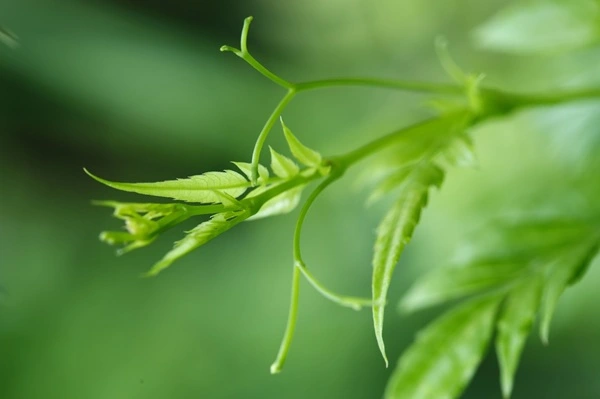
The climbing plant Ampelopsis grossedentata W. T. Wang thrives in the mountainous regions of southern China, where the Tujia people have valued it as traditional herbal medicine for over 600 years. Despite its name, this plant bears no relation to Camellia sinensis, the source of traditional tea. The tender stems and leaves of this unique botanical serve as the raw material foundation, delivering a naturally caffeine-free extract suitable for formulations targeting diverse consumer needs.
Chemical Composition and Extraction Methodology
Different ways exist to make goods more uniform for people who buy things, such as standardized extracts with dihydromyricetin levels between 10% and 98% and ratio extracts with 4:1 or 10:1 concentrations. This lets the formulation teams pick specs that are a good mix of how much they cost and how well they work. HPLC verification gives a number that tells you how much of an active ingredient is there. This number supports what the label says and what the government wants in paperwork. Because it doesn't have caffeine or theophylline in it, it can be used in functional foods and drinks, which would usually be hard to make if they had stimulants in them.
Standardization Specifications and Quality Benchmarks
There are different ways to standardize products for procurement workers, such as ratio extracts with 4:1 or 10:1 concentrations and standardized extracts with dihydromyricetin contents ranging from 10% to 98%. This gives formulation teams the freedom to choose specs that balance how much they cost with how well they work. HPLC verification gives a number that shows how much of an active ingredient is present, which backs up label claims and regulatory paperwork needs. The fact that it doesn't contain caffeine or theophylline means that it can be used in functional foods and drinks, where stimulant presence would normally make formulation difficult.
Vine Tea Extract Benefits: Scientific Insights and Practical Uses
Understanding the documented biological activities of this botanical extract informs strategic product development decisions and competitive differentiation opportunities.
Powerful Antioxidant Protection
The high dihydromyricetin content delivers exceptional free radical scavenging activity, protecting cellular structures from oxidative damage. Comparative studies demonstrate antioxidant capacity that rivals or exceeds established benchmarks like green tea catechins. This property translates into practical applications across anti-aging cosmetics, neuroprotective supplements, and cardiovascular health formulations where oxidative stress represents a primary mechanism of concern.
Anti-inflammatory Support
Research documentation indicates potential anti-inflammatory properties that may support the body's natural inflammatory response pathways. This characteristic positions the extract as a valuable component in joint health supplements, sports recovery products, and wellness formulations targeting chronic inflammatory conditions. The natural origin aligns with consumer preferences for botanical alternatives to synthetic anti-inflammatory agents.
Liver Health Support
Hepatoprotective effects documented in scientific literature create significant opportunities within detoxification products and liver support formulations. The extract's ability to support healthy liver enzyme levels and protect hepatocytes from chemical stress makes it particularly valuable for brands addressing alcohol-related liver concerns or metabolic liver health. This application area represents substantial Vine Tea Extract market demand within both dietary supplement and functional food categories.
Metabolic Wellness Applications
Evidence suggests beneficial effects on blood glucose regulation, lipid profile management, and cardiovascular parameters when incorporated into comprehensive wellness protocols. These metabolic benefits enable product positioning within weight management supplements, diabetic-friendly functional foods, and heart health formulations. The multi-target activity provides formulation teams with a single ingredient capable of addressing multiple metabolic pathways.
Natural Preservation Capabilities
Beyond direct health benefits, the extract's antioxidant properties function as natural preservation agents, extending shelf life in food and beverage applications without synthetic additives. This dual functionality reduces formulation complexity and supports clean label initiatives that resonate with health-conscious consumers. Brands can leverage this attribute to simplify ingredient decks while maintaining product stability.
Antimicrobial Properties
Preliminary research indicates antimicrobial activity against various microorganisms, suggesting potential applications in immune support formulations and topical products. While this area requires additional clinical validation, it represents an emerging opportunity for brands seeking novel positioning strategies within crowded supplement markets.
Comparing Vine Tea Extract to Other Popular Extracts in the Market
Strategic ingredient selection requires understanding how this botanical extract compares to established antioxidant sources within the B2B supply landscape.
Vine Tea Extract Versus Green Tea Extract
While green tea extract dominates the current market share within antioxidant supplements, vine tea offers distinct advantages. The absence of caffeine eliminates concerns about stimulant effects, sleep disruption, or contraindications with caffeine-sensitive populations. Dihydromyricetin provides a different mechanistic profile compared to green tea catechins, potentially offering enhanced hepatoprotective benefits that create differentiation opportunities. Procurement teams targeting relaxation-focused formulations or evening-use products find these caffeine-free characteristics particularly valuable.
Organic Certification Considerations
When deciding between organic and conventional specs, you have to weigh the costs of certification against the benefits of market positioning. Organic vine tea extract costs more, but it gives brands certification credentials that customers who care about the environment and high-end market segments value. Both choices from trusted sellers are pure enough, but organic certification gives you extra peace of mind about pesticide residues and environmentally friendly farming methods. Buying choices should be in line with what the target market wants and how the brand wants to be positioned.
Powder Versus Capsule Format Selection
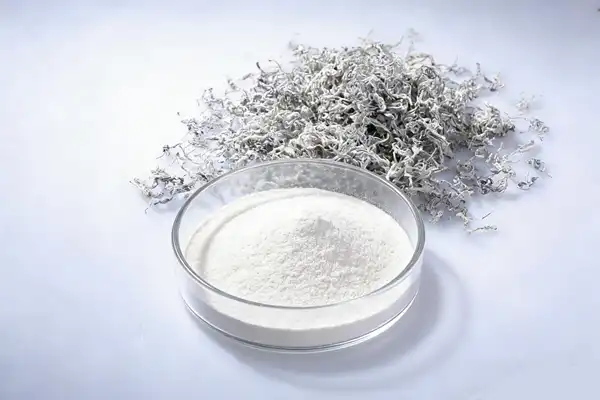
Raw powder formats give you the most freedom for custom formulation work because they let you make exact ratio changes and blend different ingredients. Contract manufacturers and brands that do their own research and development (R&D) usually like powder specs for making their own unique formulas. Different types of supplement formulations can use different specs, which include 4:1 and 10:1 ratio extracts and standardized extracts containing 10% to 98% dihydromyricetin. Standard packaging in 25 kg drums makes it easier to move and store large amounts of goods for medium to large-sized manufacturing operations.
Buying and Sourcing Vine Tea Extract: A B2B Procurement Guide
Successful procurement outcomes depend on systematic supplier evaluation and a clear understanding of quality benchmarks within the botanical extract supply chain.
Certification Requirements and Regulatory Compliance
Managers in charge of quality assurance must make sure that suppliers keep the right Vine Tea Extract certifications, such as ISO9001 for quality management systems, FSSC22000 for food safety, and HACCP for hazard analysis methods. Religious dietary approvals, like KOSHER and HALAL, help brands that cater to certain groups of people get into more markets. International markets need brands to be registered with the FDA and have organic certifications from both the EU and the USDA. This is especially important for brands that want to export or serve customers in a variety of regions. These certifications are the bare minimum and not extras that are optional. During the supplier qualification process, procurement teams should ask for up-to-date certification paperwork to make sure that the certificates are still valid and cover the specific factories that will be making your orders.
Supplier Transparency and Manufacturing Capabilities
The most reliable providers let you track everything from the plants' growth to the final packaging. We work with controlled planting bases that let us keep an eye on things like harvest timing, soil conditions, and the choice of varieties, all of which have a direct effect on the amounts of active constituents. This control at the beginning of the process eliminates the quality changes that happen a lot in commodity botanical markets, where it's hard to find consistent sources for raw materials. Full disclosure of the extraction method, solvent specifications, and processing parameters that affect the final product's qualities should all be part of transparent manufacturing. Suppliers who provide detailed scientific information, such as HPLC chromatograms and batch-specific Certificates of Analysis, show the quality focus that is needed for a partnership to last.
Minimum Order Quantities and Sample Availability
For commercial purchases, the minimum order size is usually 25 kg, and the items must be packed in standard drums to get the best unit economy and transportation efficiency. But product development teams benefit from sample rules that are easy to change so that formulation trials can happen without spending a lot of money. Look for suppliers that let you buy samples in small amounts and quickly fill them, usually within three to five business days for in-stock items. This responsiveness shortens the time it takes to create a new product and lets new formulations be tested quickly on the market.
Pricing Benchmarks and Cost Optimization
Prices vary a lot depending on the level of standardization. Specifications that are highly concentrated (90–98% dihydromyricetin) cost more than ratio extracts or lower levels of standardization. When buyers commit to buying in bulk, they can usually get better prices, but they need to weigh the savings they get against the costs of keeping inventory and the need for formulation flexibility. Organic certifications usually cost 20–30% more than regular requirements, but this is a cost that is worth it when you're going after high-end customers or approved organic product lines.
Technical Support Capabilities
The best ties with suppliers go beyond just buying things and include technical partnerships as well. Application labs with facilities for testing drinks, making gummies, compressing tablets, and studying the stability of skin care products speed up the process of going on the market. Suppliers who offer advice on formulation optimization, compounding, and stability testing can be used as extra R&D resources. This is especially helpful for small and medium-sized brands that don't have a lot of technical staff on staff. Custom ratio development and specific functional targeting capabilities allow for the creation of unique formulations that make it harder for competitors to enter the market. At this level of technical collaboration, suppliers need to be good at both analysis and application across a wide range of product groups.
Potential Side Effects and Risk Management for Vine Tea Extract Buyers
Responsible procurement practices include a thorough understanding of the safety profiles of Vine Tea Extract and implementing quality control protocols that protect brand reputation and consumer welfare.
Known Side Effects and Contraindications
Clinical studies show that it is generally well-tolerated, with few side effects seen in healthy populations. There is some mild stomach pain that sensitive people sometimes feel. This pain generally goes away when the dose is changed or the drug is taken with food. While there have been no major reports of drug interactions, smart labelling should include normal disclaimers telling people with pre-existing conditions or who are taking medications at the same time to talk to a doctor. There is no caffeine, so there are no worries about the side effects that come with stimulants. This means that more people can use it than with regular tea leaves. This safety profile means that people of all ages and health conditions can use the product without having to read long notes about when they shouldn't.
Quality Control and Contamination Screening
Procurement teams must test all arriving materials in strict ways, no matter what paperwork the supplier gives them. Heavy metals (lead, arsenic, cadmium, and mercury), microbial contamination, pesticide residues, and active constituent levels can be checked by a third-party lab. This keeps the supply chain free of quality problems that could cause costly refunds or legal action from the government. Suppliers who include these factors in testing records for each batch show they are dedicated to quality that meets pharmaceutical-grade standards. The fact that regular audit programs include on-site building checks shows that written quality systems work well in real life.
Regulatory Framework Navigation
Companies that want to sell dietary supplements in the US have to follow the FDA's rules. These rules include current Good Manufacturing Practices (cGMP), correct labelling, and claims that are backed up by proof. The EFSA has made new rules for food sold in European stores. These rules include cleaner standards that may be stricter than those in the US. For foreign shipping to go smoothly, suppliers need to know what the target market wants and be able to give the right paperwork for regulatory notices and customs clearance. If a brand wants to say that its goods are organic, it needs to check that the certifications of its suppliers meet either the USDA National Organic Program standards or the EU organic regulations. This depends on the market it wants to reach. In the process of becoming a seller, the certificate's validity, its scope, and the rules for dealing with organic materials along the supply chain must all be checked.
Conclusion
Bioactive substances that have been shown to work by science are great for brands that want to stand out. Vine tea extract is one of these substances. The high amounts of dihydromyricetin and flavonoids are good for your health in many ways, like protecting against free radicals, helping the liver, keeping your metabolism healthy, and keeping things natural. It is important for procurement to carefully examine suppliers based on their full certification, how open they are about how they extract materials, and how much technical help they can give that goes beyond just selling goods. Protocols for quality control, checks for regulatory compliance, and a full understanding of standardization options help people make smart choices about where to buy goods that protect brand image and back up claims that they work. Standards come in a variety of forms, from ratio extracts to highly concentrated forms. This means that they can be used in a lot of different supplements, functional foods, and cosmetic formulas.
FAQ
1. What are the primary health benefits of vine tea extract?
The extract provides powerful antioxidant protection through high dihydromyricetin content, supporting cellular defence against oxidative stress. Clinical research documents hepatoprotective effects beneficial for liver health formulations, anti-inflammatory properties supporting joint and systemic wellness, and metabolic benefits, including blood glucose regulation and cardiovascular parameter support. The natural preservation capabilities extend product shelf life while maintaining clean label positioning.
2. How should I evaluate supplier quality for procurement decisions?
Verification priorities include current certifications (ISO9001, FSSC22000, organic credentials), detailed extraction methodology disclosure, batch-specific HPLC documentation confirming active constituent levels, heavy metal and microbial testing results, and traceability documentation from cultivation through final packaging. Supplier responsiveness for samples, technical support capabilities, and manufacturing scale alignment with your volume requirements completes the evaluation framework.
3. What standardization specifications should I select?
Specification selection depends on the target application and cost parameters. Ratio extracts (4:1, 10:1) provide economical options for general antioxidant support formulations. Standardized extracts specifying 50-70% dihydromyricetin balance efficacy with cost efficiency for mainstream supplement applications. Highly concentrated specifications (90-98%) suit premium positioning or therapeutic-dose formulations where maximum potency justifies premium pricing.
Partner With KH for Premium Vine Tea Extract Supply
KH (Kingherbs Limited) delivers comprehensive botanical ingredient solutions backed by over 25 years of manufacturing Vine Tea Extract excellence since 1996. Our vine tea extract sourcing combines end-to-end traceability from controlled planting bases with natural extraction using only pure water or food-grade ethanol, ensuring exceptional purity and rapid dissolution characteristics. We maintain a ready stock for prompt shipment within 3-5 business days, accommodating both sample requests and commercial orders with flexible MOQ starting from small trial quantities. As an experienced vine tea extract manufacturer and supplier, we provide detailed HPLC analysis reports, customized formulation support through our equipped application laboratory, and complete certification documentation, including ISO9001, FSSC22000, KOSHER, HALAL, HACCP, FDA, and both EU and USDA organic certifications. Contact our team at info@kingherbs.com to discuss your specific procurement requirements and access technical resources that accelerate your product development timelines.
References
1. Chen, S., Zhao, X., Wan, J., et al. (2015). Dihydromyricetin improves glucose and lipid metabolism and exerts anti-inflammatory effects in nonalcoholic fatty liver disease: A randomized controlled trial. Pharmacological Research, 99, 74-81.
2. Hou, X., Tong, Q., Wang, W., et al. (2018). Suppression of inflammatory responses by dihydromyricetin in lipopolysaccharide-stimulated RAW 264.7 macrophages. Journal of Medicinal Food, 21(3), 254-263.
3. Liu, T., Li, Y., Zhang, J., et al. (2017). Protective effects of Ampelopsis grossedentata extract against oxidative stress and hepatotoxicity in mice. Evidence-Based Complementary and Alternative Medicine, 2017, Article ID 6912647.
4. Shen, Y., Lindemeyer, A.K., Gonzalez, C., et al. (2012). Dihydromyricetin as a novel anti-alcohol intoxication medication. Journal of Neuroscience, 32(1), 390-401.
5. Wang, C., Zhang, D., Li, G., et al. (2014). Neuroprotective effects of dihydromyricetin on cognitive impairment in aging mice. Neuroscience Letters, 580, 112-116.
6. Zhang, J., Chen, Y., Luo, H., et al. (2016). Recent advances in Ampelopsis grossedentata extract: isolation, pharmacological activities, and biomedical applications. Evidence-Based Complementary and Alternative Medicine, 2016, Article ID 7394940.
Send Inquiry
Related Industry Knowledge
- What Makes Cortex Phellodendri Powder a Premium Ingredient?
- What Makes Macleaya Cordata Extract a Competitive Ingredient?
- How to Use Cortex Phellodendri Powder for Best Results?
- Organic Sea Buckthorn Seed Oil Benefits for Skin Health
- Can Couch Grass Rhizome Extract Help UTI Symptoms?
- Can Olive Extract Powder Help Manage Blood Pressure Naturally?
- Premium Valerian Root Extract Powder for Natural Relaxation
- Why Olive Extract Powder Is Trending in Wellness Markets?
- Mango Leaf Extract Powder vs Other Botanical Extracts
- Is Purple Sweet Potato Extract Suitable for Daily Wellness Use?