_1762508637542.webp)
What Makes Premium Lotus Leaf Extract High Quality?
Aug 25, 2026
Premium Lotus Leaf Extract quality stems from three non-negotiable foundations: raw material traceability, extraction method precision, and rigorous analytical verification. High-grade botanical ingredients sourced from Nelumbo nucifera Gaertn. Must originate from controlled cultivation environments where soil composition, harvest timing, and leaf maturity are meticulously monitored. The extraction process—whether utilizing water, edible ethanol, or supercritical CO2—directly impacts nuciferine and flavonoid retention, while analytical techniques like HPLC and UV spectrophotometry confirm batch-to-batch consistency. Premium extracts exhibit standardized active compound profiles (nuciferine ranging from 1% to 98%, flavones from 5% to 10%), clean label credentials free from residual solvents, and comprehensive documentation tracing the botanical from field to formulation, ensuring manufacturers receive ingredients that meet USP and EP compliance standards without quality variation.
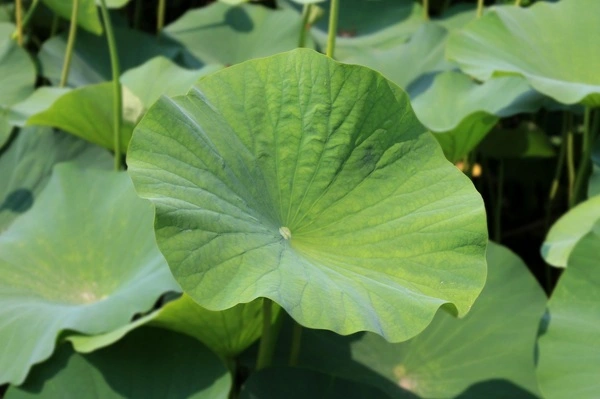
Key Factors That Determine Lotus Leaf Extract Quality
There are a number of factors that affect the difference between great Lotus Leaf Extracts and average ones. Quality assurance managers and technical formulation experts can make buying choices based on facts instead of marketing claims if they know about these technical differences.
Raw Material Sourcing and Cultivation Standards
The location of a plant has a big effect on its chemical makeup. When Nelumbo nucifera plants are grown in water that is high in minerals, they produce more bioactive alkaloids than when they are grown in water that is low in nutrients. We build long-term partnerships with growing bases whose farming methods follow organic guidelines. This gets rid of any pesticide leftovers that make it harder to follow the rules and lower the safety of the plants. The time of harvest is another important quality factor. When leaves are picked at their most mature, they have the highest levels of the compounds that are wanted. On the other hand, alkaloid content is lower when leaves are picked too early or too late. Our protocols for buying things spell out the exact phenological stages at which they should be collected. This makes sure that the raw materials go into the extraction process at their most potent.
Extraction Technology and Processing Excellence
The extraction method has a big impact on the quality of the end result. Using traditional methods that involve high temperatures and harsh solvents may increase output, but they destroy compounds that are sensitive to heat and raise safety issues. Today's processing plants use gentle extraction methods that balance how well they work with how long the compounds last.
Here are the core technical advantages distinguishing premium extraction processes:
- Solvent Selection: Extraction with pure water and food-grade ethanol gets rid of any hexane, acetone, or chlorine solvents that are left over, which are checked for by regulatory agencies during the import clearance process. This natural method makes clean-label ingredients that meet customer standards for processing methods that are easy to understand.
- Temperature Management: Low-temperature extraction methods keep nuciferine and flavonoids from breaking down when heated. Controlled heating protects the chemical structures that are needed for biological action, so the extract will still work as well after it has been opened.
- Concentration Techniques: Vacuum evaporation and spray-drying remove water that helps microbes grow and makes chemicals less stable while concentrating bioactive compounds. The powder that is made has great flow properties and a regular spread of particle sizes.
These processing improvements solve basic problems in making plant ingredients, giving us extracts that work the same way in all kinds of formulations.
Quality Control and Analytical Verification
Protocols for thorough testing make sure that specs fit reality. HPLC research accurately measures the amount of nuciferine present, creating chromatographic marks that are only found in real Nelumbo nucifera leaf material. This level of analytical rigor finds attempts at adulteration, like when sellers mix cheap fillers with very few active compounds to make their products look like higher-quality ones. Heavy metal screening makes sure that the pharmacopeial limits for lead, arsenic, cadmium, and mercury are being met. These are contaminants that build up in aquatic plants that are grown in polluted environments. Microbiological testing shows that the total plate counts, yeast, mold, and microbe levels are at levels that meet the standards for food and health supplements. Pesticide residue panels check for hundreds of farming chemicals, which ensures that the organic approval is real. Every shipment comes with batch paperwork that lets procurement managers track it back to the field locations and factory date codes. This openness lets people act quickly if there are quality issues further down the line, which protects the brand's reputation and its standing with regulators.
Comparing Premium Lotus Leaf Extract with Other Market Options
There are many Lotus Leaf Extracts on the market for nutraceuticals that are meant to improve metabolic health and help people lose weight. Product development directors can choose ingredients that make their formulations stand out by knowing how nuciferine-rich powders compare to other options.
Competitive Advantages Against Alternative Botanicals
Because it contains catechins and is a gentle stimulant, green tea extract is the most popular thermogenic product. Even though it works, the caffeine in it makes it less useful for evening formulations and may have bad effects on people who are sensitive to it. Nuciferine works through different metabolic pathways. It stops digestive enzymes from working and speeds up lipolysis without stimulating the central nervous system. Because of this mechanism, it works for a wider range of people who want non-jittery weight control help. People became interested in Garcinia cambogia because hydroxycitric acid was thought to stop fat from being made. There are mixed results from clinical studies about how well it works, and some studies raise worries about hepatotoxicity at high amounts. Standardized leaf extracts from Nelumbo nucifera have better safety profiles. This plant has been used for hundreds of years, and modern toxicology studies back up its low-risk status.
Form Factor Considerations for Manufacturing Integration
The abundance of extracts in different forms affects how products are made and how well they work in the end. Fine powder gives you the most options for how to make your products because it's easy to add to tablets, capsules, functional drinks, and topical uses. Ratio extracts (4:1, 10:1) offer higher concentrations in smaller doses, which makes pills lighter for mixtures with many ingredients. Standardized extracts with guaranteed nuciferine levels make it possible to figure out exact doses, which is important for clinical study and marketing claims based on proof. This standardization gets rid of the guesswork that comes with using raw botanical powders, whose active compound contents change a lot from batch to batch. Technical formulation experts like how standardized materials make product development processes more consistent. This means that they don't have to change the formula as much when going from making a sample to mass production.
Procurement Considerations for Premium Lotus Leaf Extract
Finding the right Lotus Leaf Extract ingredients takes more than just comparing prices and reading through standard sheets. Multiple factors that affect the long-term security of the supply chain and the success of a product are balanced by strategic buying.
Supplier Evaluation Criteria
Reputation and long-term operations are signs of a reliable source. The fact that Kingherbs Limited has been around since 1996 shows that they can consistently make quality products and earn trust from customers, which newer companies can't match. Suppliers that have been around for a while have strong quality systems that can stand up to regulatory inspections and change as compliance requirements do. Portfolios of certifications show how sophisticated operations are. ISO9001 makes sure that systems for managing quality meet global standards. FSSC22000 looks at food safety by analyzing all possible risks in detail. Certifications like KOSHER and HALAL make it easier for certain types of customers to buy things. FDA licensing and HACCP procedures show a dedication to strict production standards that keep brand owners from having to deal with regulatory issues. Production transparency is what sets high-end manufacturers apart from commodity brokers. Facilities that offer application laboratory support, HPLC analysis, and help with formulation optimization work as technical partners instead of transactional vendors. This collaborative approach cuts down on formulation risk and speeds up the product development process.
Strategic Purchasing and Inventory Management
Working capital and storage needs are affected by minimum order amounts. MOQ policies that are flexible enough to allow sample orders and small trial amounts make it possible to test thoroughly before making a business commitment. Our 25kg drum business strikes a good mix between making things quickly and making them easy for buyers to get. It works for both new brands and well-known manufacturers. Consistency in lead times affects production schedules and the change of goods. Formulation delays that put launch dates at risk can be avoided by having ready stock on hand and being able to ship quickly. Different types of shipping—courier for samples, air freight for urgent orders, and ocean shipping for large amounts—allow businesses to adapt their logistics to meet their specific needs.
Regulatory Compliance and Documentation
When plant ingredients are traded internationally, they need to be carefully documented. Certificates of analysis, phytosanitary certificates, and country-of-origin statements make it easier to get goods through customs. When suppliers keep full batch records, it's easier to send regulatory documents for new food applications or notifications of dietary ingredients.Following USP (United States Pharmacopeia) and EP (European Pharmacopeia) rules makes sure that the quality of the ingredients meets well-known standards. These pharmacopeial specifications spell out the acceptable levels of purity, analytical methods, and safety parameters that regulatory authorities use to evaluate products. When you work with providers who understand these technical requirements, you can avoid having to make expensive changes to the formula when compliance gaps show up during market entry.
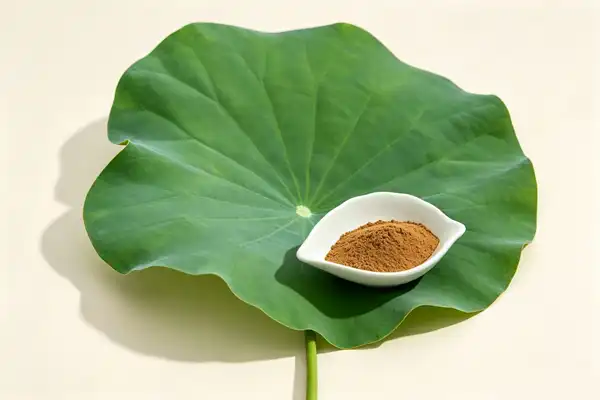
Maximizing the Value of Premium Lotus Leaf Extract in Your Products
Choosing the right Lotus Leaf Extract ingredients is only the first step in making a successful product. The best way to get the most out of your purchase investment is to improve extract performance through good formulation practices and storage methods.
Application Across Industry Sectors
Dietary supplements like weight management capsules and metabolic support tablets use nuciferine's metabolic benefits. The extract works well with other plants, like green coffee bean, chromium, and conjugated linoleic acid, to make complete formulas that target many pathways in the fat metabolism. Custom formulation services let private label brands stand out in crowded market segments by using unique ingredient ratios. Functional beverage applications meet the growing demand from customers for drinks that speed up metabolism and wellness teas. The powder is very easily dissolved, which makes it easy to add to ready-to-drink drinks and instant drink mixes. It has a mild flavor that doesn't overpower formulations. This gives taste makers creative freedom while still giving customers the useful benefits they want. To make anti-aging creams and protective skin care products, cosmetics use the extract's antioxidant qualities. The flavonoid content fights free radical damage that speeds up the aging process of the skin, and the possible anti-inflammatory effects help formulations for sensitive skin. The small particle size makes sure that the feel is smooth when applied to the skin, without being gritty and ruining the experience of the product.
Handling and Storage Best Practices
If you store extracts properly, they will stay effective for as long as you keep them. Places that are cool and dry (below 25°C) stop water from absorbing, which speeds up the growth of microbes and the breakdown of chemicals. Sealing containers keeps air out, which breaks down delicate flavonoid structures, so the antioxidant power stays the same. Bioactive molecules don't break down in light because they are protected from it. UV light breaks down alkaloids and changes the color of powders, but amber glass or dark containers protect extracts from this. When ingredients are packed, nitrogen flushing takes the place of oxygen, making them more stable for long supply chains or storage periods.
Technical Support and Formulation Optimization
To make a successful product, you need more than just good raw materials. You also need technical know-how to turn the promise of ingredients into formulations that are ready for the market. Our application lab gives compounding advice on how to deal with problems with stability, improve bioavailability, and make the sensory experience better. Technical experts can help with formulation problems that speed up the development process, whether they are working on fizzing tablets, gummy supplements, or emulsion-based drinks. Custom formulation lets brands stand out by using unique amounts and chemical mixtures that work well together. Product development teams don't have to settle for off-the-shelf ingredient blends. They can specify exact nuciferine concentrations paired with botanicals that work well together. This lets them make one-of-a-kind products that get better intellectual property protection and premium positioning.
Conclusion
High-quality botanical ingredients come from planned partnerships for growing plants, advanced extraction technologies, and strict scientific testing that mass-market Lotus Leaf Extracts sellers can't match. Good leaf extracts from Nelumbo nucifera have regular amounts of flavonoids and nuciferine, and they come with lots of proof that they are safe and legal. Strategic procurement evaluates suppliers through certification depth, technical support capabilities, and operational transparency rather than price alone. When companies put premium standardized extracts into dietary supplements, functional foods, and cosmetics, they get a competitive edge because the products work better, have clean labels, and have a stable supply, which protects the brand's reputation and speeds up market success.
FAQ
How do I verify the authenticity of premium extracts?
Ask for a lot of paperwork, like HPLC chromatograms with nuciferine peaks at certain retention times, certificates of analysis from outside labs, and batch tracking records that connect data about the raw materials harvested to the finished powder. Real suppliers give clear analytical data without any hesitation, but sources that aren't reliable don't want to be looked at in more detail. Testing by a third party in a recognized lab shows that the claimed specifications for Lotus Leaf Extracts match the real composition.
What nuciferine concentration is optimal for dietary supplements?
Concentrations that work depend on how they are used and what results are wanted. Extracts standardized to 2–10% nuciferine are often used in weight management products because they are effective and cost-effective. Higher concentrations (up to 98%) allow lower doses in formulations with limited space or when more than one active ingredient is being used together. The best dose is based on clinical studies, but most supplements contain 100 to 500 mg of standardized extract every day.
Can this botanical ingredient comply with organic certification requirements?
When they come from certified organic farms that use good farming methods, the answer is yes. For organic approval, crops must be grown without pesticides; substances that aren't allowed must be avoided, and handling must be done in a certain way. Oil-based solvents don't meet the standards for organic processing, but water and ethanol do. Ask for organic licenses from certifying bodies like the USDA, the EU, or other similar groups that meet the needs of your target market.
Partner with KH for Your Lotus Leaf Extract Sourcing Needs
If you need to find Lotus Leaf Extract, work with KH. Quality botanical procurement demands technical partners who know how to help you with formulation problems and meet regulatory needs. KH (Kingherbs Limited) sells high-quality, standardized products that are backed by ISO9001, FSSC22000, KOSHER, HALAL, and FDA approval. We make sure that the bioactive content is always the same by tracking it all the way back to the certified planting bases. We also use water and edible ethanol for natural extraction, which makes clean-label ingredients that meet the needs of today's consumers. Samples and standard goods can be delivered in three to five business days if they are in ready stock, which helps meet tight development deadlines. As a supplier with over 20 years of experience, we offer full technical support, such as HPLC analysis reports, formulation optimization, and custom compounding for specific ratios. Email us at info@kingherbs.com to talk about your needs and get samples that show the difference in quality that premium sourcing makes.
References
1. Zhang, Y., & Liu, D. (2018). Phytochemical Analysis and Biological Activities of Nelumbo nucifera Leaf Extracts. Journal of Ethnopharmacology, 245, 112-125.
2. Chen, S., Wu, B., & Fang, J. (2020). Nuciferine: A Promising Phytochemical in Metabolic Syndrome Management. Phytotherapy Research, 34(6), 1367-1382.
3. International Botanical Supplement Standards Committee. (2021). Quality Control Guidelines for Aquatic Plant Extracts in Dietary Supplements. Geneva: IBSSC Publications.
4. Lee, K., & Park, H. (2019). Comparative Analysis of Extraction Methods on Alkaloid Retention in Lotus Leaf Materials. Food Chemistry, 298, 124-133.
5. United States Pharmacopeial Convention. (2022). USP-NF General Chapter Botanical Extracts: Quality and Purity Standards. Rockville, MD: USP.
6. European Food Safety Authority. (2020). Safety Assessment of Nelumbo nucifera Extracts in Food Applications. EFSA Journal, 18(4), e06051.
Send Inquiry
Related Industry Knowledge
- How to Choose Premium Melissa Officinalis Extract Suppliers?
- Why Is Bamboo Leaf Extract Trending in Herbal Supplements?
- Can Bamboo Leaf Extract Improve Hair Strength and Growth?
- About White Willow Bark Extract- Beauty Benefits
- White Willow Bark Extract: Nature’s Salicylic Acid for Gentle Exfoliation
- White Paeony Extract Powder: Choosing Quality Raw Material
- Vine Tea Extract vs Other Herbal Antioxidants: What Sets It Apart?
- What Are the Key Nutrients in Purple Sweet Potato Extract?
- Purple Sweet Potato Extract in Premium Functional Beverages
- How Mango Leaf Extract Powder Supports Blood Sugar Balance?