_1762508637542.webp)
Why Is Bamboo Leaf Extract Trending in Herbal Supplements?
Jun 29, 2026
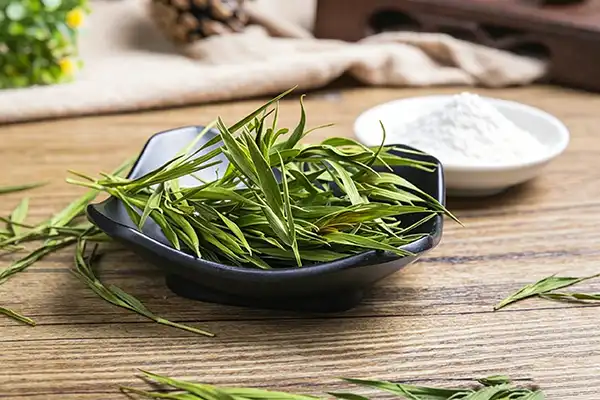
Bamboo Leaf Extract has become a strong ingredient that is getting a lot of attention from companies in the United States that make food supplements, nutraceuticals, and cosmetics. This is because people want plant-based products that are safe for them to eat, and scientists have confirmed that this particular plant has a lot of silica and flavonoids. This fine white powder comes from Bambusa vulgaris and is extracted using solvent-safe methods. It has been shown to help with collagen production and improve cardiovascular health, making it a flexible option for B2B buyers looking to stand out in crowded markets.

Understanding Bamboo Leaf Extract: Composition and Benefits
What Makes This Botanical Distinctive
When purchasing managers look at plant ingredients, knowing how each one is composed differently is what determines the success of the product. The plant extract from bamboo leaves has a lot of good nutrients that make it different from other plant powders. Unlike many plant products that only help in one way, this ingredient helps in two ways because it has both mineral and phytochemical parts.
We at KH only use pure water or food-grade ethanol in our extraction process. This way, there are no worries about leftover solvents that could damage the quality of the product. This method keeps the natural beneficial chemicals while also achieving the strict safety standards that quality assurance managers demand. The fine white powder that is made has between 10 and 75% organic silicon and 5 to 10 per cent of helpful flavonoids. This is proven by UV testing methods that make sure the uniformity of each batch.
Core Bioactive Components
Organic silica is the main mineral that makes up the structure of this plant product, and it is a very important part of making connective tissue. A study in the Journal of Nutrition, Health, and Ageing shows that taking silicon supplements helps make collagen by turning on hydroxylation enzymes. This has a direct effect on the processes of bone mineralisation and skin flexibility. This process explains why product development leaders are choosing silica from bamboo over manufactured options more and more in anti-ageing formulas.
The flavonoid profile includes orientin, homoorientin, vitexin, and isovitexin, which are all powerful antioxidants. Oxygen Radical Absorbance Capacity (ORAC) numbers from studies show that these flavonoids are often better at neutralising free radicals than standard antioxidants. This is important for brands that market their goods as protecting cells and extending life.
Documented Health Benefits
The scientific literature supports several different uses that address a range of consumer health issues. Clinical studies show that taking silica supplements on a daily basis increases the production of keratin, which makes hair and nails stronger and encourages healthy growth patterns. This benefit can directly be turned into selling claims for beauty-from-within product lines aimed at people who care about their looks.
Applications that help with bone and joint health are another big chance. Silicon helps calcium stick to the bone matrix and keeps connective tissue strong, which makes it useful for orthopaedic formulas. The extract is useful for cardiovascular health because it can keep the stability of elastic fibres in blood vessel walls. This helps keep arteries flexible and blood flowing properly throughout the body.
Silica's natural detoxifying traits come from its ability to help the body get rid of heavy metals while also helping metabolic processes and cell repair. All of these benefits give brands that want to stand out in busy supplement areas a lot of different ways to place themselves.
Comparing Bamboo Leaf Extract with Other Popular Antioxidants
Bamboo vs. Green Tea Extract
Green tea extract is the most popular antioxidant product because it contains catechins and has a long history of helping the metabolism. But when R&D leaders look at changes in makeup, Bamboo Leaf Extract shows clear benefits. Green tea has a lot of polyphenols, but it doesn't have the structural mineral support that silica does.
Bamboo leaf flavonoids are more stable at high temperatures than green tea catechins. They can keep their antioxidant activity at temperatures up to 250°C. This quality is very important for companies that make functional foods that put plants in baked goods, protein bars, or moulded goods, since heat-sensitive chemicals break down quickly.
Horsetail Extract Comparison
Horsetail (Equisetum arvense) has long been the main plant source of silica, but there are big changes in how much is in it and how well it works in the body. Horsetail usually has between 5 and 7 per cent silica in it, but high-quality bamboo products can have up to 70 per cent organic silica. Because of this difference in concentration, formulation experts need to use much smaller amounts of bamboo extract to get the same bodily benefits. This makes finished goods more cost-effective.
Bioavailability studies show that silica from bamboo is better at being absorbed than silica from horsetail. This is probably because the molecular structures that bind the two types of silica are different. Technical formulators are choosing bamboo specs more and more when they are optimising collagen support formulas and a product's success depends on how well it works.
Powder vs. Capsule Delivery Considerations
Manufacturing performance changes a lot depending on the shipping method, which affects how contract makers choose to buy things. Powder types give you the most options for mixing them into multi-ingredient mixes, protein shakes, or drink systems. The fine white powder look mixes in well with end goods and doesn't mess up the colours.
The capsule delivery method gives accurate dosing and ease of use to the customer, but it needs extra steps for packaging that raise the cost of production. When it comes to shelf life, powder forms are better than capsule shells when properly handled with moisture-proof walls and nitrogen washing. This is because capsule shells can become brittle when the humidity level changes. For large producers, huge powder packages are usually more cost-effective, while pill forms work better for brands that want to sell directly to consumers, where ease of use is a big factor in buying choices.
Sourcing Bamboo Leaf Extract: Trends and Best Practices for B2B Buyers
Quality Certifications That Matter
More and more, procurement managers are being pushed to check the qualifications of suppliers before making deals with them. The bamboo extract market needs extra attention because the quality varies from one purchasing area to the next. Some important certificates are ISO9001 for quality control systems, FSSC22000 for food safety, and speciality certifications like KOSHER, HALAL, and HACCP that let final goods reach more markets.
Following the rules and getting registered with the FDA gives companies more confidence to enter the U.S. market. This is especially important now that foreign plant products are being closely looked at. Independent testing by a third-party lab confirms that the amount of silica and flavonoids stated on the label matches what the product is actually selling. This keeps buyers safe from the risks of adulteration that are common in cheap plant markets.
Geographic Sourcing Considerations
China has the most advanced facilities for growing and preparing Bamboo Leaf Extract, and it makes about 70% of the world's industrial bamboo extract. Chinese sellers are appealing to buyers who want to save money because their supply lines are well-established, their mining technology is advanced, and their prices are low. But quality varies a lot between makers, which is why source monitoring is so important.
New bamboo manufacturing plants are opening in the US that focus on making high-quality products for sale in the US market. These providers usually charge more, but they have benefits like better contact, more consistent rules, and faster lead times for pressing orders. To find the best mix between saving money and making sure the supply chain is stable, strategic buyers often keep dual-sourcing relationships that cover both areas.
MOQ and Pricing Dynamics
By knowing the minimum order number limits, you can make more accurate budgets for buying rounds. Standard commercial orders usually need at least 25 kg of the product packed in drums, but innovative providers can handle sample requests and small-scale trial orders for formula development. KH knows that brands that are focused on research and development need to be able to test things before committing to large-scale production. That's why we offer samples and small kilogram trial orders without setting a minimum purchase amount that's too high.
Pricing is directly related to the amount of standardisation and the standards for getting certified. Basic ratio extracts are cheaper per kilogram than high-silica specs that are standardised to 70% content. Organic standards raise the base price by about 15% to 30%. Specialised testing paperwork for USP or EP compliance raises prices but makes the product more acceptable in more foreign markets.
Private Label Manufacturing Opportunities
Contract makers and brand owners are looking for complete solutions that include more than just supplying raw materials. Private label relationships allow for the creation of unique formulations, special mixing ratios, and labelled package solutions that set goods apart in stores that are very competitive. These deals are especially helpful for new brands that don't have their own production facilities but need to make unique branding claims.
For private label relationships to work, suppliers need to have technical knowledge that goes beyond just providing ingredients. Suppliers become strategic development partners instead of transactional sellers when they have application labs that can test for stability, suitability, and recipe optimisation. This consultative strategy cuts down on recipe risks that slow down product starts and speeds up time-to-market.
Application Insights: Using Bamboo Leaf Extract in Products
Dietary Supplement Formulations
The easiest ways to get bamboo ingredients into your body for daily health support are in the form of capsules and pills. For general supplementation, the recommended daily dose is between 150 mg and 300 mg, but different uses may need different amounts. Formulations for cardiovascular health often mix hawthorn berry, coenzyme Q10, and bamboo silica to help the blood vessels in a way that works better together.
More and more anti-ageing pill mixes use bamboo extract as a main ingredient to help the body make collagen from within. Usually, these formulas combine bamboo silica with vitamin C, hyaluronic acid, and marine collagen peptides to make complete beauty-from-within products that fight multiple signs of ageing at the same time. Silicon plays a big part in mineralisation processes, and bone and joint support goods often mix bamboo extract with calcium, vitamin D3, and glucosamine to make the structure stronger.
Functional Food and Beverage Integration
Herbal tea mixes either use bamboo leaves directly or use concentrated liquids to make the tea stronger. The mild, slightly sweet herbal note goes well with plants that go well with it, like mint, ginger, or green tea, without taking over the flavour profiles. Bamboo extract adds minerals and protects against free radicals, which are good for health drink powders that are meant to replace meals or help with sports nutrition.
Processing temperatures that break down heat-sensitive chemicals make it hard to make nutritional bars and snacks. Bamboo flavonoids are thermally stable, meaning they keep working at temperatures up to 250°C. This gets rid of the technical problem and lets formulators add meaningful antioxidant amounts to baked or moulded goods. Functional water products are new business possibilities where water-soluble flavonoid specifications dissolve easily without the sedimentation problems that happen with plant extracts that haven't been handled properly.
Cosmetic and Personal Care Applications
Bamboo silica's collagen-supporting qualities are used in anti-ageing skin care products by applying it to the skin. Skin care products like serums, creams, and lotions use the ingredient because it calms skin inflammation and protects against free radicals. The ingredient's proven ability to keep skin flexible makes it valuable for high-end makeup brands that market their products as having anti-ageing effects that can be seen.
Silicon's role in making keratin is used in hair strengthening treatments. Shampoos, creams, and leave-in treatments that target weak hair use bamboo extract. In the same way, hardening ingredients in nail care items make nails thicker and less likely to break. Combining natural beauty products with putting them on your skin creates complete treatment plans that appeal to people who want to improve their looks more naturally.
Regulatory Compliance and Labelling
To get into a market where regulations are strict, you have to pay close attention to legal standards. Novel Foods law in the European Union and Good Manufacturing Practices (GMPs) for food supplements in the United States set rules for how plant ingredients can be used. Labels that are easy to read and list the biological source (Bambusa vulgaris), the part of the plant that was used (the leaf), and the standardisation levels (silica %, flavonoid content) make sure that the product is honest and meets regulatory requirements.
Claims made in marketing materials need to be backed up by solid proof that follows FTC and FDA rules. Structure-function promises that can be made about food supplements must not be used to treat diseases and must properly describe the benefits that have been shown. Working with providers who provide detailed paperwork like batch analysis reports, safety data sheets, and recipe advice makes regulatory applications easier and lowers the risk of not following the rules.
Addressing Concerns and Ensuring Safety in Bamboo Leaf Extract Use
Safety Profile and Contraindications
Bamboo Leaf Flavonoids demonstrate excellent safety characteristics with minimal reported adverse effects in clinical literature. The ingredient appears generally well-tolerated across diverse populations when consumed within recommended dosage ranges. However, quality assurance managers must remain vigilant regarding potential contraindications for specific patient populations.
Individuals with silicon metabolism disorders or kidney dysfunction warrant caution due to mineral accumulation risks, though such cases remain rare. Pregnancy and lactation represent circumstances where conservative approaches prevail due to limited safety data specific to bamboo extract supplementation during these physiological states. Healthcare professional consultation remains advisable for consumers with pre-existing medical conditions or those taking prescription medications.
Quality Control Challenges and Solutions
Adulteration represents the primary quality concern in botanical ingredient markets. Economic incentives drive some suppliers to dilute premium extracts with cheaper fillers or misrepresent standardisation levels. Sophisticated buyers implement multi-layer verification protocols including certificate of analysis review, independent third-party testing, and periodic on-site supplier audits.
Advanced analytical testing using HPLC provides detailed component spectra revealing adulteration attempts that simpler UV methods might miss. At KH, each batch undergoes comprehensive testing in our in-house analytical laboratory equipped with UV and additional advanced instrumentation, verifying potency and purity before release. This investment in quality infrastructure protects downstream customers from formulation failures and regulatory violations.
Supplier Auditing Best Practices
Robust supplier relationships begin with thorough vetting processes examining manufacturing capabilities, quality systems, and regulatory compliance history. Site visits reveal operational realities often obscured in marketing materials, with particular attention to raw material traceability, processing controls, and documentation practices.
Long-term supply agreements should incorporate periodic re-auditing schedules ensuring continued compliance with evolving standards. Suppliers demonstrating proactive quality improvements and transparent communication during unexpected challenges prove most valuable for maintaining supply chain stability. Building partnerships rather than transactional relationships creates mutual incentives for quality excellence benefiting both parties.
Conclusion
The trending status of bamboo leaf extract in herbal supplements reflects converging factors: consumer demand for plant-based ingredients, scientific validation of health benefits, and superior compositional characteristics compared to alternative botanicals. Successful B2B buyers recognise that sourcing decisions extend beyond price considerations to encompass quality certifications, supplier reliability, and technical support capabilities. The ingredient's versatility across dietary supplements, functional foods, and cosmetic applications creates diverse revenue opportunities for brands willing to invest in formulation development. As market sophistication increases, suppliers offering comprehensive technical partnerships, rigorous quality controls, and flexible order quantities will capture growing demand from discerning manufacturers seeking competitive differentiation through premium natural ingredients.
FAQ
What standardisation options are available for bamboo leaf extract?
Standardisation specifications vary based on intended applications and target benefits. Silica-focused extracts range from 10% entry-level concentrations suitable for general wellness formulations up to 75% premium grades optimised for maximum collagen synthesis support in specialised anti-ageing products. Flavonoid-dominant specifications typically standardise between 5-10% total flavonoids, providing antioxidant activity for cardiovascular and neuroprotective formulations. Custom ratio extracts combining specific silica-to-flavonoid proportions accommodate unique formulation requirements where balanced benefits prove advantageous. UV testing methods verify active constituent levels, ensuring consistency across production batches. Procurement managers should specify standardisation requirements clearly when requesting quotations, as concentration levels directly impact pricing structures and minimum order quantities.
How does thermal stability affect formulation choices?
Thermal stability differentiates bamboo leaf extract from heat-sensitive botanicals like vitamin C or certain polyphenols that degrade rapidly during processing. The extract maintains antioxidant activity and structural integrity at temperatures reaching 250°C, enabling incorporation into baked goods, extruded nutrition bars, and other thermally processed products without significant potency loss. This characteristic proves particularly valuable for functional food manufacturers requiring ingredients that survive standard production conditions while delivering measurable benefits. Beverage applications involving hot-fill processes or pasteurisation similarly benefit from this thermal resilience, eliminating concerns about activity degradation during manufacturing. Formulation specialists should consider processing temperature profiles when selecting between bamboo extract and alternative botanicals for heat-exposed applications.
Partner with KH as Your Trusted Bamboo Leaf Extract Supplier
KH brings over 25 years of botanical ingredient expertise to every partnership, combining advanced extraction technology with comprehensive quality assurance that transforms raw materials into competitive advantages for your product portfolio. Our bamboo leaf extract specifications range from 10-75% silica and 5-10% flavonoids, verified through rigorous UV testing and supported by complete batch documentation including detailed HPLC analysis reports. We maintain ready stock, enabling prompt shipment within 3-5 business days for samples and regular orders, while accommodating both small trial quantities and commercial volumes starting at 25kg. Our ISO9001, FSSC22000, KOSHER, HALAL, and HACCP certifications ensure global market access, while our in-house application laboratory provides formulation optimisation support across supplements, beverages, and cosmetic systems. Contact our technical team at info@kingherbs.com to discuss your specific requirements and request samples demonstrating the quality difference that end-to-end traceability delivers.
References
1. Jugdaohsingh, R. (2007). Silicon and bone health. Journal of Nutrition, Health & Ageing, 11(2), 99-110.
2. Van Dyck, K., et al. (1999). Bioavailability of silicon from food and food supplements. Fresenius' Journal of Analytical Chemistry, 363(5-6), 541-544.
3. Zhang, Y., et al. (2015). Antioxidant activities and molecular mechanisms of bamboo leaf extract flavonoids. Food Science and Biotechnology, 24(6), 1853-1861.
4. Pennington, J.A. (1991). Silicon in foods and diets. Food Additives & Contaminants, 8(1), 97-118.
5. Lu, B., et al. (2010). Bamboo leaf flavone: A novel antioxidant compound with therapeutic potential. Journal of Agricultural and Food Chemistry, 58(4), 2239-2245.
6. Carlisle, E.M. (1986). Silicon as an essential trace element in animal nutrition. Ciba Foundation Symposium, 121, 123-139.
Send Inquiry

Related Industry Knowledge
- How Pure Should High-Quality Angelica Officinalis Extract Be?
- Nettle Extract Powder Uses and Plant Profile
- The Power of Blueberry Extract Powder in Cosmetics
- What Are the Benefits of Maca Extract Powder?
- How Rhizoma Coptidis Powder Supports Digestive Balance
- Can Rhizoma Coptidis Powder Promote Healthy Gut Function?
- Watermelon Powder for Electrolyte & Hydration Blends
- How Mulberry Leaf Extract Powder Supports Glycemic Response?
- Can Polygonum Cuspidatum Extract Improve Energy & Vitality?
- Why Japan Chooses China’s Purple Sweet Potato Natural Food Colorant?