_1762508637542.webp)
How Pure Should High-Quality Angelica Officinalis Extract Be?
Jun 4, 2026
A good Angelica Officinalis Extract should be very pure and contain a lot of medicinal substances. This is usually checked with HPLC, which shows that coumarins, ferulic acid, and polysaccharides are always present. Standardised ratio extracts, like 4:1 or 10:1, show how the concentration of the connection between the raw root material and the end powder works, so the strength can be predicted. Being pure is more than just having the right dose ratios. It also means not having any heavy metals, chemical leftovers, bacterial contamination, or fluid residues. This is done by trusted plant providers using strict testing methods and approved production methods that are in line with international drug standards such as USP and EP.
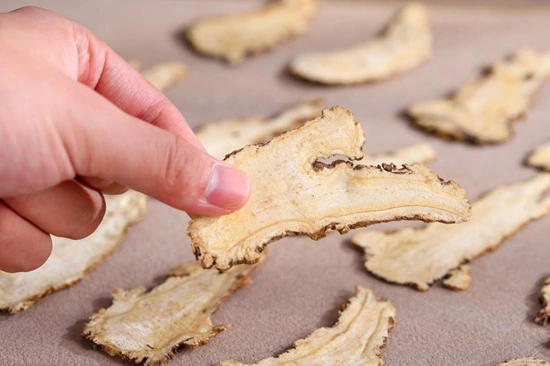
Understanding Purity in Angelica Officinalis Extract
When I talk to procurement managers about purity, the chat usually starts with a lot of questions. Purity isn't just a number; it's a full quality rating that tells you if your recipe will give your customers regular results or results that are hard to predict.
What Defines Purity in Herbal Extracts
When it comes to plant ingredients, purity is the sum of what is present and what is not present. The present side is all about the active chemicals that help with healing. The missing side checks for contaminants that make the product less safe or effective. An extract of angelica roots from Angelica archangelica L. includes ligustilide, ferulic acid, and angelicin, which are all unique marker chemicals. These beneficial chemicals give the extract its unique benefits, and they must be present in every batch in amounts that can be measured. When you get an analysis certificate with HPLC chromatograms on it, you're looking at a chemical record that proves the substance's identity and strength.
Key Purity Indicators and Measurement Standards
HPLC is still the best way to check the makeup of plant extracts. This way of analysing breaks down complicated plant chemicals into separate peaks, with each peak corresponding to a different phytochemical. For each production batch, our lab makes a thorough chromatogram that quality assurance teams can use to compare results to standard samples. Ratios like 4:1 and 10:1 show the amount of concentration. For example, a 10:1 extract means that ten kilograms of dried root make one kilogram of compressed powder. In addition to concentration ratios, testing procedures look at ash values, particle size distribution, moisture content, and solubility profiles. These factors have a direct effect on how well the extract works in different forms of delivery, such as pills and skin creams.
International Certifications That Guarantee Quality
Certifications for Angelica Officinalis Extract are proof from a third party that a product is made well. Along with FSSC22000 food safety rules, our plant follows ISO9001 quality control methods. KOSHER and HALAL approvals let formulators make changes that are suitable for a wide range of consumers. Critical control points are found throughout production using HACCP methods. This stops contamination before it happens. FDA registration shows that you are following the rules set by U.S. regulators. These licenses aren't just for looks; they show that controlled processes, trained staff, approved tools, and tracked supply lines exist, which is something that B2B buyers count on.
Why Purity Matters: Benefits and Risks in B2B Sourcing
Procurement decisions carry consequences that extend far beyond initial purchase prices. Choosing extract suppliers based solely on cost comparisons creates vulnerability to quality failures that damage brand reputation and customer relationships.
How Purity Influences Product Performance
Certifications are proof from a third party that a product is made well. Along with FSSC22000 food safety rules, our plant follows ISO9001 quality control methods. KOSHER and HALAL approvals let formulators make changes that are suitable for a wide range of consumers. Critical control points are found throughout production using HACCP methods. This stops contamination before it happens. FDA registration shows that you are following the rules set by U.S. regulators. These licenses aren't just for looks; they show that controlled processes, trained staff, approved tools, and tracked supply lines exist, which is something that B2B buyers count on.
Risks Associated with Low-Purity Ingredients
When purity is compromised, many dangers appear. Adding adulterants to food to make it taste better or make it look better can cause allergic reactions or other bad effects. Pesticides left over from uncontrolled farming build up in plant tissues that are fat-loving and stay there even after extraction steps are done, unless checked specifically. Heavy metals from dirty grounds build up during mining, and the end goods might have more than the safe limits. Microbial pollution from bad storage or drying shortens the shelf life of food and poses health risks to consumers. Product recalls have long-term effects on a company's image, which hurts sales in the future and costs money in the form of notice fees, disposal fees, regulatory scrutiny, customer compensation, and instant replacement costs. When new materials don't pass quality checks, batch-to-batch inconsistency throws off the production schedule. This causes delays and breaks customer promises. The scientific literature shows that the amount of cleanliness is directly related to how well the medicine works. According to research published in phytotherapy journals, angelica extracts with confirmed coumarin content show dose-dependent antioxidant activity, while extracts that aren't well characterised give mixed results. This proof makes it clear why smart buyers value analysis paperwork more than advertising claims.
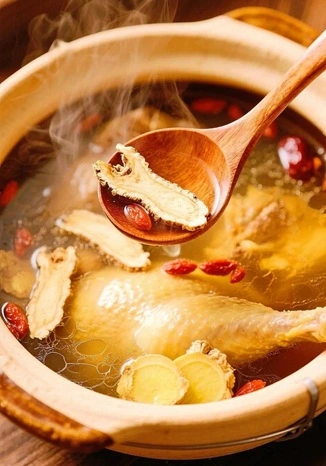
Purity Levels Compared: Angelica Officinalis Extract vs. Other Angelica Extracts
The Angelica genus encompasses multiple species with overlapping traditional uses but distinct chemical profiles. Understanding these differences prevents costly sourcing errors that compromise formulation goals.
Chemical Profile Differences Between Angelica Species
Angelica Officinalis comes from northern Europe and has special furanocoumarins and medicinal chemicals that make it different from Angelica Sinensis, which is from China and is used a lot in traditional Chinese medicine. Both kinds are good for the blood flow and hormones, but their active ingredient ratios are very different. Angelica Sinensis has a lot of ligustilide and Z-butylidenephthalide, which are chemicals that are thought to help make blood. Angelica Officinalis has different but related chemicals, like angelicin and imperatorin, that help the digestive system and the lungs. When making products that are meant to improve certain health results, these chemistry differences are important. When you switch from one species to another without changing the dose or the claims, the recipe fails, and you might be breaking the law.
Organic Versus Conventional Extraction Purity
Organic approval is more about the sources and methods used in farming than about the quality of the extract itself. Organic angelica roots are grown without using manmade fertilisers or pesticides, so there are fewer worries about residues. When farmers use good farming methods, and sellers use strict testing processes, conventional farming may be able to reach the same level of cleanliness. No matter if the source material is organic or standard, our extraction method uses only pure water or food-grade ethanol to make clean end products. Choosing between organic and standard often has more to do with how the brand is positioned and what the target market wants than with any real differences in the quality of the finished extract. When combined with thorough tests and clear paperwork, both ways of getting it can produce high-purity products.
Powder Versus Other Format Considerations
When it comes to steadiness, Angelica Officinalis Extract dry powder extracts are better than liquid concentrates. They last longer and are easier to store. The fine, yellowish-brown powder we make mixes easily with a wide range of recipe bases, from creams to drinks. Encapsulated forms make dosing easier because the dose is already calculated, but they also add excipient factors that change absorption. Formulators have the most freedom when it comes to changing amounts and mixing ingredients in powder forms. The spread of particle sizes affects both how well they can be made and how well they can be absorbed by the body. Our methods for grinding make particles of the same size that run smoothly through tools for making tablets and spread out evenly in liquid solutions.
Selecting the Right Purity Level for Your Business Needs
Matching extract specifications to intended applications optimises both performance and cost efficiency. Not every application requires pharmaceutical-grade purity, while certain uses demand the highest available quality.
Application-Specific Purity Requirements
Angelica extract is often used in skin care products to help with antioxidants and skin barrier functions. 4:1 ratio extracts work well because they provide functional ingredient amounts without being too concentrated. Anti-ageing serums for older skin may benefit from 10:1 extracts because they give more bioactives with less dose. Nutraceutical products that help women keep their hormones in balance usually list ratio extracts with confirmed marker chemical content instead of pure molecules that have been separated. Pharmaceutical uses need the highest standards of purity, along with a lot of data on stability and adherence to monograph requirements. Animal nutrition goods focus on purity levels that are both cost-effective and provide nutritional benefits while staying within a tight budget. By knowing these application-specific limits, you can avoid over-specification, which raises costs without making things better.
Verifying Supplier Claims Through Testing
Certificate of analysis documents provided by suppliers represent claimed values rather than guaranteed results. Independent verification through third-party laboratories offers additional confidence, particularly when establishing new supplier relationships. Requesting retention samples from each production batch enables retrospective testing if quality issues emerge. Our quality assurance processes include stability studies demonstrating how extract characteristics change over time under various storage conditions. This data helps procurement teams establish appropriate retest dates and storage specifications. We provide detailed HPLC chromatograms showing not just marker compound percentages but complete chemical fingerprints that reveal adulteration or species substitution.
Balancing Quality Standards with Budget Constraints
Wholesale pricing for botanical extracts reflects multiple cost factors including raw material sourcing, extraction complexity, testing intensity, and certification maintenance. Higher ratio extracts require more starting material and longer processing times, increasing per-kilogram costs proportionally. Bulk purchasing at 25kg minimum order quantities provides better unit economics than smaller packages, though this requires adequate storage capacity and predictable usage rates. Our flexible ordering system accommodates sample requests and trial quantities for initial formulation development, transitioning to commercial volumes as products scale. Strategic planning around purity specifications during product development prevents costly reformulation when scaling from prototype to production. Matching purity levels to functional requirements rather than defaulting to maximum concentration achieves cost optimisation without sacrificing performance.
Ensuring Quality: Working with Trusted Angelica Officinalis Extract Suppliers
Supply chain reliability determines whether your production schedule runs smoothly or suffers from quality holds and material shortages. Selecting suppliers based on comprehensive capabilities rather than isolated price quotes builds long-term competitive advantage.
Characteristics of Reputable Manufacturers
Established Angelica Root Extract botanical ingredient manufacturers demonstrate deep technical knowledge extending beyond simple procurement and resale. Our nearly three decades of experience since 1996 provide institutional expertise in extraction optimisation, analytical method development, and application support. Source-to-shelf traceability starting from cultivation partnerships ensures consistent raw material quality. We control planting base relationships, monitoring variety selection, soil conditions, and harvest timing to maximise active constituent content. Advanced extraction technology employing solvent-free processes using only water or food-grade ethanol produces cleaner, safer products with superior solubility characteristics. Responsive technical support distinguishes true manufacturing partners from commodity brokers—our application laboratory assists with formulation optimisation, stability testing, and custom blend development.
Due Diligence in Supplier Selection
Initiating supplier relationships begins with thorough capability assessment. Requesting facility documentation including certification copies, process flow diagrams, and testing protocols provides insight into operational sophistication. Site audits conducted by your quality team or independent auditors verify that documented procedures match actual practices. Our facility welcomes customer audits as opportunities to demonstrate our commitment to transparency and continuous improvement. Sample evaluation should precede any commercial commitments. We offer sample quantities and small trial orders specifically for this purpose, allowing you to validate compatibility with your formulation and verify analytical claims through independent testing. References from existing customers provide valuable perspective on day-to-day working relationships, communication responsiveness, and problem-resolution approaches.
Logistics and Preservation of Extract Quality
Proper handling during transportation preserves the quality achieved during manufacturing. Our standard 25kg drum packaging with food-grade inner bags protects contents from moisture and contamination. Smaller quantity options from 100g to 10kg accommodate varied order sizes. Multiple transportation modes, including courier, air freight, and ocean shipping, provide flexibility based on urgency and volume. Ready stock availability enables 3-5 business day delivery for standard specifications. Storage recommendations specify cool, dry conditions away from direct sunlight, with a 24-month shelf life when properly maintained. Understanding customs requirements and documentation needs for international shipments prevents delays at borders. We provide comprehensive export documentation supporting smooth customs clearance worldwide.
Conclusion
Purity in botanical extracts represents a multifaceted quality concept encompassing active compound concentration, contaminant absence, manufacturing process control, and analytical verification. Successful B2B procurement of Angelica Officinalis Extract requires understanding these interconnected elements and selecting suppliers capable of delivering consistent quality backed by robust documentation. Ratio specifications, certification portfolios, extraction methodologies, and testing protocols all contribute to the purity profile that determines whether ingredients meet your formulation requirements. Balancing purity standards with application needs and budget realities optimises both product performance and commercial viability. Establishing partnerships with experienced manufacturers offering technical support, flexible ordering, and transparent traceability creates supply chain resilience that supports business growth.
FAQ
How can I verify extract purity before placing a large order?
Request certificates of analysis showing HPLC chromatograms and full microbial, heavy metal, and pesticide testing results. Order sample quantities for independent laboratory verification. Examine supplier certifications including ISO, FSSC, and organic credentials. Review retention sample policies that allow retrospective testing. Conduct supplier audits to verify documented processes match actual manufacturing practices.
When is higher purity extract necessary versus standard grades?
Pharmaceutical applications and clinical research require highest purity levels with extensive validation data. Premium cosmeceutical brands targeting sophisticated consumers benefit from concentrated extracts. Standard ratio extracts suit most dietary supplement and functional food applications. Animal nutrition and agricultural uses typically employ cost-effective purity levels. Match specifications to functional requirements rather than defaulting to maximum concentration.
What supplier certifications matter most for botanical ingredients?
ISO9001 demonstrates quality management system maturity. FSSC22000 confirms food safety protocols. KOSHER and HALAL certifications enable broad market access. HACCP indicates preventive contamination control. Organic certifications validate cultivation practices. FDA registration shows U.S. regulatory awareness. GMP compliance particularly matters for pharmaceutical applications. Multiple certifications indicate comprehensive quality commitment.
Partner with KH for Premium Angelica Officinalis Extract
KH combines nearly three decades of botanical expertise with cutting-edge extraction technology and comprehensive quality systems. As a trusted Angelica Officinalis Extract manufacturer, we control every step from cultivation partnerships through final packaging, ensuring consistent purity and authenticated raw materials. Our standardised 4:1 and 10:1 ratio extracts deliver reliable bioactive profiles verified through detailed HPLC analysis with each batch. We maintain ready stock for prompt shipment, accommodating both sample requests and commercial volumes starting at 25kg. Our application laboratory provides formulation support, stability testing, and custom blending services that extend beyond basic ingredient supply. Contact our technical team at info@kingherbs.com to request samples, review our comprehensive analytical documentation, and discover how our Angelica Officinalis Extract supplier capabilities can strengthen your product development and production reliability.
References
1. European Medicines Agency. (2020). Assessment report on Angelica archangelica L., radix. Committee on Herbal Medicinal Products.
2. Sigurdsson, S., & Gudbjarnason, S. (2007). Inhibition of acetylcholinesterase by extracts and constituents from Angelica archangelica and Geranium sylvaticum. Zeitschrift für Naturforschung C, 62(9-10), 689-693.
3. Nivinskiene, O., Butkiene, R., & Mockute, D. (2005). Chemical composition of seed (fruit) essential oils of Angelica archangelica L. growing wild in Lithuania. Journal of Essential Oil Research, 17(4), 373-377.
4. Sarker, S. D., & Nahar, L. (2004). Natural medicine: The genus Angelica. Current Medicinal Chemistry, 11(11), 1479-1500.
5. Wichtl, M. (2004). Herbal Drugs and Phytopharmaceuticals: A Handbook for Practice on a Scientific Basis. Medpharm Scientific Publishers, Stuttgart.
6. Záveská, E., Fér, T., Šída, O., Krak, K., Marhold, K., & Leitch, I. J. (2012). Polyploidy in phenotypically distinct early-flowering plants from mountain sites of the Balkans. AoB Plants, 2012, pls029.
Send Inquiry
Related Industry Knowledge
- Blueberry Extract Powder: Unlock the Power of Wild Blueberries
- Can Valerian Root Extract Powder Help With Stress?
- Why Rhizoma Coptidis Powder Is a Natural Health Game-Changer
- Does Watermelon Powder Retain Fresh Fruit Nutrients?
- How Wild Yam Extract Powder Helps Maintain Body Balance
- Is Wild Yam Extract Powder the Future of Hormone Care?
- Sustainable Growth Support with Macleaya Cordata Extract
- Is Valerian Root Extract Powder Safe for Everyday Use?
- Macleaya Cordata Extract in Modern Phytogenic Feed Additives
- Is Olive Extract Powder Effective for Inflammation Control?