_1762508637542.webp)
Why Rhizoma Coptidis Powder Is a Natural Health Game-Changer
Apr 30, 2026
Rhizoma Coptidis Powder is a huge chance for companies that make food supplements and nutraceuticals, and are looking for natural, scientifically-proven ingredients that work well as medicine. This fine brown powder comes from the roots of the Coptis chinensis plant. It has a lot of isoquinoline alkaloids, mostly berberine, coptisine, and palmatine, which help with metabolic problems, inflammatory conditions, and bacteria that are resistant to antibiotics. Unlike synthetic options, this plant extract has full-spectrum synergistic effects, uniform batch-level quality, and regulatory compliance benefits that make it easier for R&D-driven brands to get what they need in the competitive U.S. natural health market.
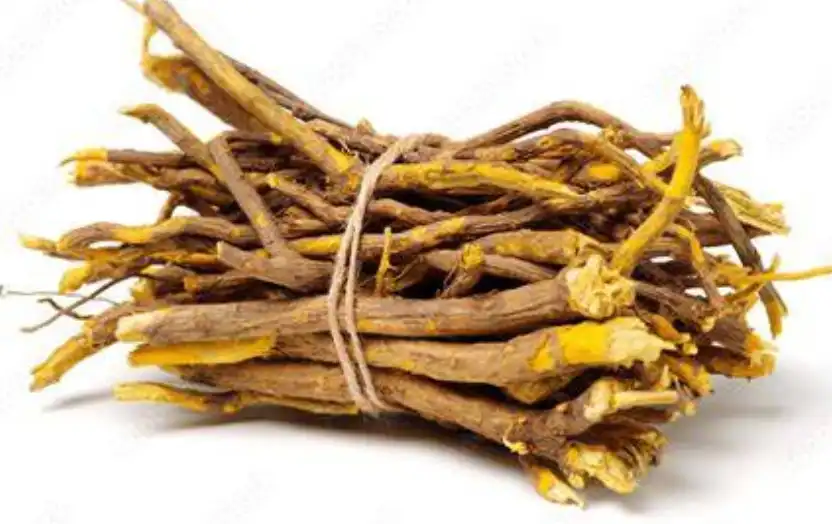
Understanding Rhizoma Coptidis Powder – Nature's Powerful Herbal Remedy
Chinese Goldthread has been an important part of Traditional Chinese Medicine for more than 2,000 years. Its use in modern medicinal and nutritional products is growing thanks to strong scientific proof. The processed root powder contains high levels of bioactive substances that stay stable in a wide range of formulations, from functional drinks to supplements in capsules.
Botanical Origins and Traditional Applications
During its three to five-year growth cycle in hilly areas, the root of Coptis chinensis builds up strong alkaloid levels. Traditional Chinese medicine (TCM) used to recommend huang lian for "draining dampness" and "clearing heat," which are similar to how we now understand antibacterial and anti-inflammatory processes work. When picked at the right time and dried under controlled conditions, this plant source always gives the same mix of phytochemicals. Our Rhizoma Coptidis Powder from Coptis chinensis keeps the purity of the plant parts from root extraction, making sure that the whole range of alkaloids makes it into the finished product.
Clinical Validation Supporting Modern Applications
New studies that were reviewed by experts in the field support how standard uses work. A study on metabolic health in 2020 showed that berberine turns on AMP-activated protein kinase (AMPK), which makes insulin sensitivity measures better in people who are at risk of developing prediabetes. Separate antibacterial studies published in pharmaceutical journals showed that the powder was effective against Helicobacter pylori, Staphylococcus aureus, and antibiotic-resistant strains. This proved that the powder could be used in gastrointestinal formulas. Studies on anti-inflammatory substances show that the alkaloid complex changes NF-κB signaling pathways, which lowers the production of inflammatory cytokines without the bad side effects that come with NSAIDs. These clinical results give procurement managers the scientific proof they need to submit products to regulators and back up marketing claims in the competitive U.S. dietary supplement market.
Comprehensive Benefits and Uses for Modern Health Solutions
Product development teams that want to stand out are becoming more and more aware that herbal ingredients with multiple target processes work better than single-compound options when it comes to treating complex health problems. The high level of alkaloids makes the profile useful for a wide range of formulations, from metabolic health supplements to pet food.
Multifaceted Health Benefits Backed by Research
Support for the digestive system is one of the most scientifically proven uses. The natural bitter chemicals increase the production of gastric juices and bile, which improves the activity of digestive enzymes and the uptake of nutrients. Studies that change the gut microbiota show that the alkaloid complex supports good bacterial communities while blocking harmful species, which helps keep the intestinal barrier strong. AMPK activation pathways are used in metabolic health applications to help control glucose metabolism and handle lipid profiles. These are important functions for formulas that aim to maintain blood sugar and circulatory health. It can help with inflammation in more places than just the digestive tract. It might also be useful in dermatology, where the action of Propionibacterium acnes needs natural antibacterial help. Support for immune function comes from several sources, such as increasing the activity of macrophages and antioxidants that keep cell structures safe from reactive stress.
Dosage Guidelines and Safety Considerations
When formulating consumer goods, formulators can use set safety standards to help them. Berberine doses in clinical studies are usually between 900 mg and 1,500 mg per day, spread out over several doses to improve absorption. Formulators take into account the full range of alkaloids, not just berberine, when figuring out the equivalent amounts of Rhizoma Coptidis Powder. This is because they know that synergistic compounds can improve medicinal results while possibly lowering individual alkaloid needs. According to safety profile studies, the drug is well-tolerated at recommended doses. The main worry at high intake levels is stomach discomfort, which can be easily fixed with the right dosing procedures and enteric-coating technologies.
Processing Excellence and Quality Assurance
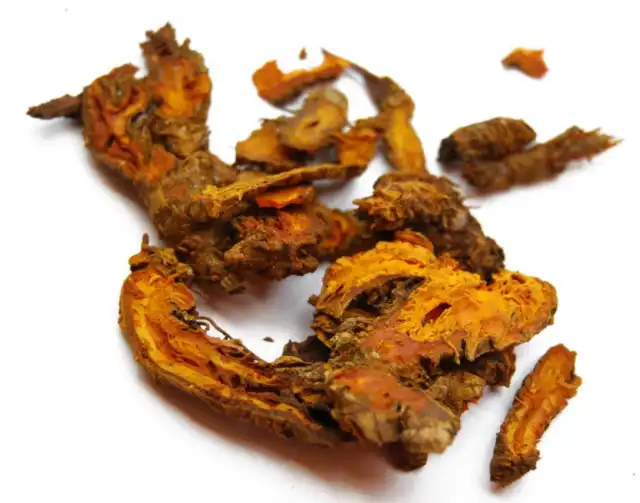
Manufacturing dependability starts with being able to track down the raw materials and goes through all stages of processing. Multiple quality control points are built into the powder production process to make sure that the botanicals are real, that the moisture content stays below 12.0%, and that the particle sizes are all the same (the 80–200 mesh range is best for most uses). Our natural extraction method only uses pure water or food-grade ethanol. We don't use any dangerous solvents that could risk safety or leave behind contaminants. This method of clean processing creates powder that is easily dissolved and has a neutral color that works well with a wide range of formulation materials.
How Rhizoma Coptidis Powder Compares to Alternatives in the Market
When procurement leaders look at different ingredient choices, they need clear competitive positioning data that shows how the products offer more than just basic specs. Strategic buying choices are based on knowing how full-spectrum plant extracts stack up against isolated chemicals and other herbal sources.
Full-Spectrum Botanical Profile vs. Isolated Berberine
Some market areas are dominated by products that only contain berberine hydrochloride, but a new study shows that whole-plant alkaloid complexes have important health benefits. When berberine, coptisine, palmatine, and jatrorrhizine work together, they make it more bioavailable through different ways of absorption. This may also lower the side effects that come with taking a lot of berberine by itself. Pharmacokinetic studies show that coptisine improves the uptake of berberine by cells by changing P-glycoproteins. This means that smaller amounts of each alkaloid have better therapeutic effects. Full-spectrum powders are also better for some uses because of how they are made. Isolated berberine can be used to accurately figure out doses, but it lacks the bitter taste-altering chemicals that are found in full plant extracts, which are important when making traditional formulation types. When manufacturing goals match moderate-potency, multi-alkaloid delivery profiles, the cost structure usually benefits plant powders with 5–7% berberine over 97% isolated berberine. When you sell clean-label items that have "whole-plant benefits" instead of synthesized or highly refined single chemicals, you can use brand positioning to your advantage.
Differentiation from Other TCM Herbal Powders
When it comes to ingredients used in Traditional Chinese Medicine, goldthread extract stands out because it has higher alkaloid concentrations and is less expensive than Western options like goldenseal (Hydrastis canadensis). A direct analysis of the berberine content of different herbs shows that quality-grade Rhizoma Coptidis Powder has concentrations of 5–7% compared to goldenseal's usual 2–4% range. This is a big difference that affects the cost of preparation and the ease of dosing. Another competitive benefit is that the supply chain is stable for Coptis chinensis cultivation systems, which allow for scalable production amounts that meet industrial manufacturing needs. On the other hand, sustainability issues with goldenseal make large-scale buying less reliable. Premium-grade plant ingredients are different from common herbal powders because they can be certified organic and have different levels of phytochemical standards. KH's relationship with controlled-environment farming bases makes sure that the soil conditions are always the same, that the harvest happens at the best time, and that the varieties are properly identified. This gets rid of the phytochemical variability that comes from botanical sources that are wild-harvested or badly documented. This level of accuracy in farming gives formulation chemists the batch stability they need for stable manufacturing processes and consistent performance of final products.
Market Positioning Against Pharmaceutical Alternatives
More and more, companies that make natural health products are going after people who want options to synthetic drugs for metabolic health, gut health, and inflammatory diseases. Concerns about antibiotic resistance can be addressed by the plant extract, which also has therapeutic effects on multiple targets that aren't possible with single-action drugs. Natural antimicrobial botanicals are easier to get than traditional antibiotics, which need a prescription and pose the risk of antibiotic resistance. They can be used to support immune systems and keep digestive health in good shape within the rules that govern dietary supplements. The anti-inflammatory qualities are another way that this product can be distinguished from NSAIDs, which have well-known risks for the heart and digestive system that make long-term use impossible. Inflammatory pathways can be changed by botanical alkaloids in ways that work with pharmaceutical interventions rather than against them. This means that natural health products are better for maintaining health rather than treating acute diseases.
Sourcing and Procurement Guide for Rhizoma Coptidis Powder
To buy strategic ingredients, you need to evaluate suppliers in a planned way that checks their quality control, supply chain stability, and ability to follow regulations. Structured assessment systems that cover important qualification criteria help procurement managers find their way in the plant extract market.
Identifying Reliable Suppliers and Quality Standards
Verification of approval is the first step in qualifying a supplier. ISO9001 quality management systems show that a company is dedicated to using consistent methods and following rules for ongoing growth. The FSSC22000 certification is all about food safety management and makes sure that factories follow the principles of hazard analysis critical control point (HACCP) and keep up with cleaning standards to keep food from getting contaminated. Getting KOSHER and HALAL approvals makes it easier for brands to reach customers who have to follow religious food rules. FDA registration shows that you know about U.S. regulations and are ready to follow American compliance standards. In addition to looking at licensing paperwork, the technical capability evaluation also looks at the infrastructure for analytical testing. Reliable providers have their own labs that can do HPLC tests for pesticide residues, microbial contamination, heavy metals, and alkaloid amounts. These labs can quickly release batches and fix quality problems. Our application laboratory offers more than just basic ingredient supply. They also offer compounding advice for drinks, tablets, pills, and cosmetic systems, as well as stable testing services that cut down on the time it takes to develop new products.
Practical Procurement Considerations
Different business sizes can be accommodated by minimum order quantities (MOQs). It is known that new brands and R&D teams need small amounts to test new formulas, so KH is happy to take sample orders and small-kilogram trial amounts before they buy in bulk. A standard industrial MOQ of 25 kg per drum strikes a good balance between making things efficiently and making them easy for small to medium-sized businesses to start using. When hygroscopic powder is stored and shipped in 25 kg fiber drums with double-lined polyethylene bags, it stays dry during storage and transport. Pricing models take into account many factors, such as the level of alkaloid standardization, the number of orders, the certification standards, and the specifics of the customization. When purchasing managers use KH's one-stop buying for extracts, chemicals, and vitamins, they can get the best value by getting multiple botanical ingredients at once. Negotiating payment terms is usually easy when you already have a business relationship with someone. You can offer choices like advance payment for new accounts or net-30 or net-60 terms for qualified buyers who can show they are creditworthy.
Future Prospects and Strategic Value for Your Business
Market research shows that plant ingredients likeRhizoma Coptidis Powderthat help with metabolic health, gut health, and natural antimicrobial uses will continue to grow. Brands can take advantage of these trends by working with strategic ingredient partnerships to make unique products that are backed by clinical proof and quality evidence.
Growing Global Demand for Natural Herbal Ingredients
More and more people around the world want natural herbal ingredients. This is expanding the market for plant extracts in several product categories. The global berberine supplement market grows by more than 10% every year as people learn more about metabolic health, and research writing about the benefits of alkaloid supplements reaches a wider audience. As more clinical proof comes in, Western markets are slowly allowing traditional plant ingredients to be used. This gives brands that use scientifically-proven natural ingredients early on the chance to stand out. The antimicrobial resistance problem raises the need for natural options that support digestive health and immune function without adding to the growth of antibiotic resistance. More and more, public health groups see plant antimicrobials as useful components of all-around infection prevention plans. This means that they might be used in more places than just dietary supplements, like functional foods and health routines for prevention.
Opportunities for Brand Differentiation
Product development teams use plant ingredients that have been shown to work in clinical studies to make recipes stand out in supplement categories that are already very crowded. Instead of just fighting on price with generic multivitamins or herbal blends, new brands build their marketing around specific health results that are backed up by clinical studies on the ingredients. There is a lot of clinical research on berberine and Coptis that supports structure-function claims that help with blood sugar control, digestive comfort, and heart health. These claims are appealing to health-conscious people looking for natural answers. Being able to make custom formulations increases the chances of standing out. Working together technically with partners who know how to build applications speeds up the innovation process. This lets brands come up with new ways to send products, mix ingredients that work well together, and use targeted-release technologies that improve bioavailability and the customer experience. Our formulation optimization support and stable testing services turn ingredient providers from just people who fill orders into development partners who help make products successful.
Conclusion
In conclusion, there are many reasons why adding high-quality botanical alkaloid extracts to your product line is a good idea. These include clinical proof to back up marketing claims, better synergistic benefits than isolated compounds, a reliable supply chain from certified manufacturers, and a wide range of uses, from dietary supplements to functional foods and cosmetics. Buying things that put supplier technical skills, quality documentation infrastructure, and collaborative development support at the top of the list helps brands take advantage of growing market opportunities while keeping consistency and following the rules that give them a long-term edge in the growing natural health market that is growing.
FAQ
What safety considerations apply to long-term supplementation?
Clinical tests show that the drugs are very safe at the suggested doses, with few side effects. Gastrointestinal sensitivity can happen at high doses, but it goes away when the amount is lowered. People who are pregnant or who are taking prescription drugs should talk to their doctors because alkaloids may combine with some drugs.
How does the powder benefit digestive health specifically?
Bitter alkaloid chemicals increase the production of digestive juices and bile, which improves enzyme activity and nutrient uptake. Antimicrobial traits get rid of harmful bacterial populations, and studies on the gut flora support good species. This helps keep the intestinal barrier strong and lowers inflammation markers in digestive tissues.
What procurement criteria ensure consistent quality?
Check the supplier's credentials, such as ISO9001, FSSC22000, and any credentials that are special to your market. Ask for batch-specific HPLC analysis results that show the amount of alkaloids, as well as data on microbial tests, heavy metal screening, and pesticide residues. For full supply chain openness, look at traceability methods that prove the authenticity of botanicals and cultivation source paperwork.
Partner with KH for Premium Chinese Goldthread Extract Supply
The combined capabilities of KH make it a good choice for procurement teams that need a Rhizoma Coptidis Powder provider that can provide consistent alkaloid concentrations, full quality paperwork, and technical formulation support. From choosing the seeds to making sure the crop is the best, our controlled-cultivation partnerships make sure that the plants are real and that the phytochemicals are consistent. Using pure water or food-grade ethanol for natural extraction gets rid of worries about solvent waste while keeping the full alkaloid range. Samples and standard goods can be delivered in three to five business days if you have ready-stock merchandise. This speeds up the development process. Our application laboratory offers advice on combining, formulating, and testing for safety in both supplement and cosmetic systems. Comprehensive qualifications, such as ISO9001, FSSC22000, KOSHER, HALAL, HACCP, and FDA registration, along with batch-specific HPLC analysis results, meet strict quality standards. Flexible MOQ allows for orders ranging from samples to industrial amounts of 25 kg, and it's possible to make changes to meet specific alkaloid standardization levels. You can talk to our technical team at info@kingherbs.comabout your individual formulation needs, ask for HPLC analysis results, or set up a sample review for your next product development project.
References
1. Mechanisms of Action and Clinical Applications. Journal of Ethnopharmacology, 284, 114785.
2. Current Knowledge and Pharmacological Profile of Berberine: An Update. European Journal of Pharmacology, 761, 288-297.
3. Antimicrobial Activity and Mechanisms of Coptis chinensis Alkaloids Against Drug-Resistant Bacteria. Frontiers in Microbiology, 10, 2465.
4. Tissue Distribution of Berberine and Its Metabolites After Oral Administration in Rats. Fitoterapia, 145, 104635.
5. Berberine and Coptidis Rhizoma as Potential Anticancer Agents: Recent Updates and Future Perspectives. Journal of Ethnopharmacology, 239, 111910.
6. Treatment of Type 2 Diabetes and Dyslipidemia with the Natural Plant Alkaloid Berberine. Journal of Clinical Endocrinology & Metabolism, 93(7), 2559-2565.
Send Inquiry

Related Industry Knowledge
- The Science Behind Couch Grass Rhizome Extract Benefits
- Bacopa Monnieri Extract Powder Benefits You Should Know
- Organic Sea Buckthorn Seed Oil Benefits for Skin Health
- What Is Isatis Root Extract? Uses and Functions
- Sustainable Growth Support with Macleaya Cordata Extract
- Macleaya Cordata Extract for Natural Gut Health Solutions
- Watermelon Powder with Natural Citrulline for Performance
- Watermelon Powder: Heart Health & Hydration Support
- How Couch Grass Rhizome Extract Boosts Kidney Function?
- China TCM Ingredient Guide: White Paeony Extract For Global Beauty Brands