_1762508637542.webp)
How Rhizoma Coptidis Powder Supports Digestive Balance
Apr 7, 2026
You can keep your gut system healthy by taking Rhizoma Coptidis Powder. It has a lot of berberine and other isoquinoline alkaloids. These all work together to calm the bacteria in your gut, lower the swelling in your gut, and speed up the natural digestion processes in your body. Animal tests have shown that this high-quality plant extract from Coptis chinensis stems can help with a number of stomach issues. It also gives people who work in sourcing a reliable, standard ingredient that can be used in gut health supplements and drugs.
Introduction
The global digestive health market is growing because more people are learning about the link between gut health and overall health. It's still hard for people who work in finding plant ingredients for the nutraceutical and pharmaceutical businesses to find plant ingredients that work, are legal, and have regular therapeutic benefits. The roots of the Coptis chinensis plant have been used to treat stomach problems for more than 2,000 years. Careful scientific study in the present day backs up these past uses. Businesses can make their products better by adding natural solutions that really work if they learn how traditional plant ingredients like coptis root extract help keep the digestive system in check. It will be very helpful for brands that can successfully use organic ingredients in their recipes, as more people look for alternatives to manmade drugs that come from plants. There is a lot of information in this guide about how to buy coptis chinensis powder, what it does, and how it works. It gives people who need to make choices the facts they need to make smart purchases that follow market rules and government rules.
Understanding Rhizoma Coptidis Powder and Its Role in Digestion
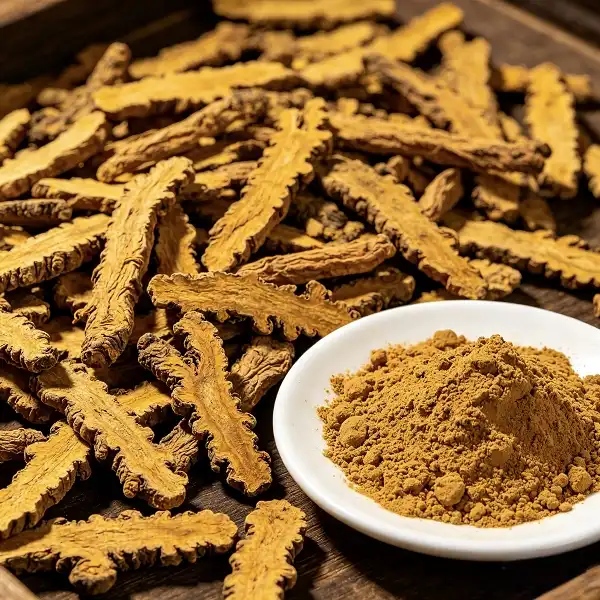
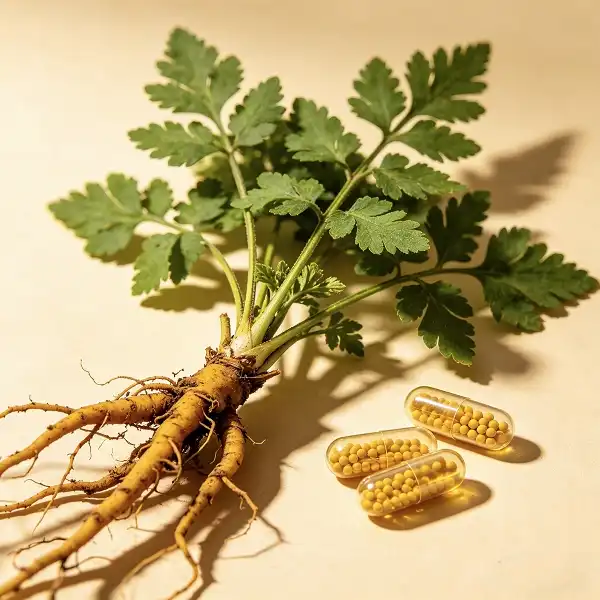
Rhizoma Coptidis Powder is a normal plant extract made from the dried rhizomes of Coptis chinensis, which is also called Chinese goldthread. There are a lot of useful chemicals in this fine brown powder. The main ingredient in the medicine is berberine. It is followed by coptisine, palmatine, and epiberberine. The plant source, Coptis chinensis, grows best in some hilly places where the weather is good for making alkaloids. The place of the source is an important quality factor for people who work in buying because of this.
Botanical Origins and Processing Methods
Very careful handling of the root material during extraction and preparation is used to keep the alkaloids pure and get the best particle size distribution. They don't use strong chemical solvents that might make the product less clean. Instead, they use water or food-grade ethanol to get rid of the oil. It turns into a powder that has a sour taste, which means the alkaloid content has been preserved. If stored properly, the powder stays stable for a long time.
Mechanisms of Digestive Support
Researchers have found that berberine and other chemicals like it, such as Rhizoma Coptidis Powder, change more than one thing about how digestion works. These hormones help the gut move in a way that lets the body absorb nutrients well. They also control how much acid the stomach makes and how much bile it makes. Healthy microorganisms that are important for digestion are protected, while dangerous bacteria are killed. This helps keep the balance of bacteria in the gut.
Traditional Applications in Modern Context
Traditional Chinese Medicine practitioners have historically prescribed huang lian (the Chinese name for coptis) to clear "damp heat" conditions affecting the digestive system. Modern interpretation of these traditional concepts aligns with current understanding of inflammatory processes and microbial imbalances that contribute to digestive dysfunction. This historical validation, combined with contemporary research findings, provides a strong foundation for incorporating coptis extract into evidence-based formulations.
Key Benefits and Safety Considerations of Rhizoma Coptidis Powder
The product of Coptis chinensis is good for your digestive system in many ways and can help with common stomach problems. This plant ingredient has been used for a long time and has been shown to help with a wide range of stomach problems. It is a good addition to formulas for gut health in general because of this.
Primary Digestive Health Benefits
The high amount of alkaloids helps get rid of stomach pain fast and keeps the digestive system healthy over time. Most people notice less bloating, more regular bowel movements, and generally better gut health within a few days of regular use. It's easier for the body to break down food and receive nutrients when the gut enzymes are made more by the natural bitter chemicals.
Antimicrobial and Anti-inflammatory Properties
Animal tests have shown that berberine can kill many types of common gut bacteria, including H. pylori, E. coli, and different kinds of fungi. This natural antibacterial action helps restore a healthy balance of bacteria in the gut without the bad effects that come with drugs made by people. At the same time, the anti-inflammatory drugs reduce the swelling in the bowels that can cause stomach problems that last for a long time.
Safety Profile and Dosage Considerations
Clinical tests have shown that standardized coptis products are safe when used in the amounts that are suggested. Between 500 mg and 1500 mg per day works well most of the time, but it varies depending on the amount of alkaloid and the healing benefits that are wanted. There are times when enteric-coated versions are better than bitter ones because the bitter taste could make sensitive people sick. They make sure that the amount of alkaloid stays the same and that there are no impurities that could lower the safety grade.
Drug Interactions and Contraindications
If you work in buying, you need to think about how different medicines might interact with each other. This is especially true for medicines that are broken down by cytochrome P450 enzymes. Berberine may work better with some heart drugs and can also make drugs that lower blood sugar work better. All of these points make it clear how important it is for consumer goods with a lot of berberine to have clear labels and medical advice.
Comparing Rhizoma Coptidis Powder with Alternative Digestive Herbs and Supplements
There are a lot of natural and man-made gut health goods on the market, and each has its own pros and cons. These differences help you pick the best places to buy things that fit the style of your product and the tastes of your target market.
Coptis Versus Goldenseal Extract
Both of these plant sources contain berberine as their main ingredient, but Rhizoma Coptidis Powder generally has more alkaloids and costs less. There are concerns about the longevity of goldenseal because it is collected too much. On the other hand, coptis grows well because farming methods that have been used for a long time make sure that there is a steady supply. These sources have different kinds of alkaloids, which may change how well treatment works. Coptis has more chemicals that work well with each other.
Whole Herb Powder Versus Isolated Berberine
You can get the same amount of berberine from isolated sources, but whole herb extracts have more chemicals that work together. Whole plant extracts often have an "entourage effect" that makes medicines work better and may have fewer side effects than using different chemicals. This is especially important when showing off a high-end item, since the complexity makes it seem more valuable.
Organic Versus Conventional Sourcing
Organic goods are more expensive, but people who care about their health and are willing to pay more for what they think is clean like them. The way the plants are grown changes both their approval status and how consistently high in alkaloids they are. As an example, using organic farming methods can make alkaloid ratios change more often. If you want to buy something, you should think about how much it costs, what the target market likes, and how they like to be positioned.
Procurement Insights: Sourcing High-Quality Rhizoma Coptidis Powder for B2B Clients
When looking for providers of plant goods, you need to do more than just compare prices if you want to find the best ones. A stable supply chain, good quality, and following the rules are all important for a product's long-term success and brand image in markets that are competitive.
Supplier Evaluation Criteria
They make sure that the quality of the raw materials stays the same by keeping track of them all the way from growing to the end. Some important approvals are ISO9001, FSSC22000, and organic standards that are similar. Certifications for things like KOSHER and HALAL make the market more open. Suppliers need to keep detailed HPLC records that show how much alkaloid is in each batch of output. This will let the effects of the planning be consistent.
Pricing and Order Considerations
Prices for coptis extract on the market vary a lot based on how much alkaloid it has, how it is handled, and what certifications are needed. For business reasons, the least amount you can order is usually 25 kg. When you order in bulk, the price per unit is generally lower. Samples can be ordered so that recipes can be tried and quality can be checked before bigger orders are made. This lowers the risk of buying things and makes sure that the new items can be used with the way things are made now.
Logistics and Storage Requirements
Coptis powder soaks up water, so it needs to be carefully packed and kept so that the quality stays the same while it is being sold. When it's packed properly in cases that don't soak up water, it stops breaking down, and when it's being shipped, temperature-controlled storage keeps the alkaloid content. You can choose from different shipping options from reputable companies, like express, air, and ocean freight, so you can get your package quickly and at a low cost.
Quality Assurance and Documentation
Good paperwork helps people follow the rules and make smart decisions about how to build products. Reports on heavy metals, bacterial safety, chemical waste, and certificates of analysis are all important pieces of paper. These steps for quality assurance keep the brand's image safe and keep buyers safe for as long as the product is in use.
Practical Applications and Case Examples of Rhizoma Coptidis Powder in the Global Market
Police say that coptis extract can be used in a lot of different products and for a lot of different types of customers. Procurement workers can use examples of successful integration to come up with new recipes or make existing product lines better.
Nutraceutical Product Integration
Some of the best supplement companies mix pure coptis extract with other plants that are good for the digestive system, like ginger, fennel, and bacteria, to make full digestive health drinks. The antibacterial and anti-inflammatory properties of Rhizoma Coptidis Powder are used in these multi-ingredient ways to improve gut health in several ways. Bitter tastes need careful preparation work, and brands that do well use enteric coating or technologies that hide flavors.
Functional Food Applications
Food and drink companies that are on the cutting edge are looking into how to use coptis extract to make useful products that are meant to improve gut health. Since the bitter taste is what people expect, tea mixes are a good place to use it. Encapsulated types let you add them to protein bars and functional drinks. Because it doesn't change when cooked, coptis extract can be used in a lot of different ways in food.
Veterinary and Animal Nutrition Markets
More and more, farming companies are switching from manufactured drugs to natural ones. This means that coptis extract can be used in animal feed. Research shows that stomach problems in animals can be lessened, and their overall health can be better. For this application, you need to follow certain rules. Sellers who can do this can make a lot of money in the medical business.
Market Trends and Future Outlook
As more people look for natural and traditional ways to stay healthy, the market for plant extracts will continue to grow. Governments are learning more about the chemicals that are used in traditional treatment. This means that goods can be made based on proof. People around the world are living longer, and the cost of health care is rising. This makes more people want natural health products that can help them stay healthy.
Conclusion
Rhizoma Coptidis Powder is clearly good for your gut health. Because of this, this traditional plant ingredient can be useful in modern medicines and health products. The normal alkaloid profile, especially the high berberine content, works well as a medicine and meets people's growing desire for natural health choices. To make buying plans work, sources need to be carefully looked at, processing needs to be known in a way that keeps bioactive compounds safe, and quality papers need to be looked at. Adding coptis extract to gut health goods in a smart way helps brands stand out and draws on a use that goes back thousands of years and has been proven by modern research. Because it is safe and works in more than one way, this plant-based chemical can be used in many situations. It can be taken on its own or as part of a full gut health plan made just for certain types of customers.
FAQ
What standardized alkaloid content should I expect from quality suppliers?
Premium Rhizoma Coptidis Powder contains a minimum 5% berberine calculated on a dry basis, with concentrated extracts ranging from 10% to 97% depending on processing methods. Quality suppliers provide detailed HPLC analysis reports for each batch, ensuring consistent alkaloid profiles that support reliable formulation outcomes.
How does particle size affect bioavailability and processing?
The best particle size range is between 80 and 200 mesh. This makes the processes more efficient and also helps the particles absorb more. Smaller pieces help dissolve and absorb more quickly, and making sure they are the right size keeps manufacturing issues from happening when the capsules or tablets are being made.
What storage conditions maintain alkaloid stability?
It should be kept below 25°C in containers that won't leak and out of direct sunlight since it soaks up water. The amount of alkaloid will stay the same for 24 to 36 months if you store it the right way. Double-lined plastic bags inside fiber drums are the safest way to store and ship things for a long time.
How does coptis extract compare to synthetic digestive aids in manufacturing?
When it comes to marketing, natural coptis extract helps with "clean label" positioning, and it has more healing effects than man-made drugs that only target one target. Because the alkaloid profile is so complicated, it may work better when used together, but quality control is harder to do when it's standardized than when it's made from chemicals.
Partner with KH for Premium Rhizoma Coptidis Powder Supply Solutions
Kingherbs Limited stands as your trusted Rhizoma Coptidis Powder supplier, delivering over 25 years of botanical extraction expertise to discerning procurement professionals worldwide. Our vertically integrated supply chain ensures consistent quality from cultivation partnerships through final processing, backed by comprehensive certifications including ISO9001, FSSC22000, KOSHER, HALAL, and FDA compliance standards. We understand the critical importance of alkaloid standardization and provide detailed HPLC analysis documentation with every shipment. Our ready stock inventory enables prompt delivery within 3-5 business days for samples and standard orders, while flexible MOQ options accommodate both trial quantities and commercial-scale requirements starting at 25kg. Beyond ingredient supply, our application laboratory provides formulation support, stability testing, and technical guidance to optimize your product development processes. Contact our procurement specialists at info@kingherbs.com to request samples, explore custom extraction specifications, or discuss partnership opportunities that elevate your digestive health product portfolio with premium botanical solutions.
References
1. Zhang, Y., Li, X., Zou, D., et al. "Treatment of type 2 diabetes and dyslipidemia with the natural plant alkaloid berberine." Journal of Clinical Endocrinology & Metabolism, vol. 93, no. 7, 2008, pp. 2559-2565.
2. Habtemariam, S. "Berberine and inflammatory bowel disease: A concise review." Pharmacological Research, vol. 113, 2016, pp. 592-599.
3. Chen, C., Yu, Z., Li, Y., et al. "Effects of berberine in the gastrointestinal tract - a review of actions and therapeutic implications." American Journal of Chinese Medicine, vol. 42, no. 5, 2014, pp. 1053-1070.
4. Xu, J.H., Liu, X.Z., Pan, W., et al. "Berberine protects against diet-induced obesity through regulating metabolic endotoxemia and gut hormone levels." Molecular Medicine Reports, vol. 15, no. 5, 2017, pp. 2765-2787.
5. Wang, Y., Campbell, T., Perry, B., et al. "Hypoglycemic and insulin-sensitizing effects of berberine in high-fat diet- and streptozotocin-induced diabetic rats." Metabolism Clinical and Experimental, vol. 60, no. 2, 2011, pp. 298-305.
6. Liu, Y.T., Hao, H.P., Xie, H.G., et al. "Extensive intestinal first-pass elimination and predominant hepatic distribution of berberine explain its low plasma levels in rats." Drug Metabolism and Disposition, vol. 38, no. 10, 2010, pp. 1779-1784.
Send Inquiry

Related Industry Knowledge
- Macleaya Cordata Extract for Antimicrobial Support
- Why Choose Organic Valerian Root Extract Powder for Wellness?
- Does Polygonum Cuspidatum Extract Promote Healthy Circulation?
- Vine Tea Extract Benefits: Science-Backed Health
- Couch Grass Rhizome Extract: Natural Support for Urinary Health
- How Macleaya Cordata Extract Supports Immune Function?
- Vine Tea Extract vs Other Herbal Antioxidants: What Sets It Apart?
- Can Lespedeza Capitata Extract Promote Healthy Fluid Balance?
- Mulberry Leaf Extract Powder for Advanced Blood Sugar Support
- China TCM Ingredient Guide: White Paeony Extract For Global Beauty Brands