_1762508637542.webp)
Dill Seed Extract Applications in Food, Cosmetics, and Wellness
Sep 23, 2026
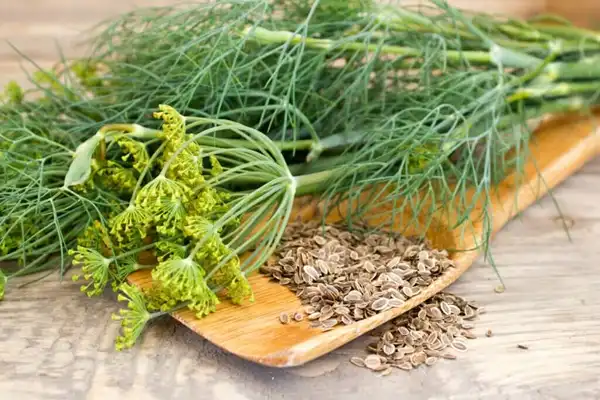
Dill Seed Extract is a highly concentrated product made from the Anethum graveolens plant. It contains several beneficial compounds like limonene, carvone, flavonoids, and phenolic acids. These natural substances give it a wide range of uses. It can be used in food preservation, cosmetics, and health products. Dill Seed Extract is reliable because it consistently shows strong antioxidant effects and effective antibacterial properties. This makes it a valuable ingredient for B2B formulators working on different products, whether it's a functional food, a natural beauty product, or a clean-label digestive aid. Its versatility and strong performance make it a great choice for many applications.
What Makes Dill Seed Extract Formulation-Ready?
Phytochemical Profile and Extraction Standards
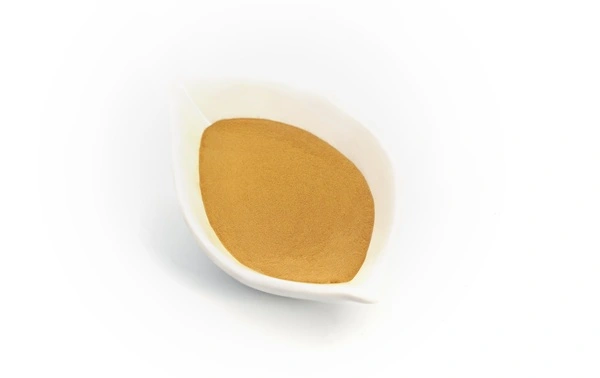
Dill seed extract comes from the seeds of Anethum graveolens. It is made by using water or food-grade ethanol, not strong chemicals like hexane or acetone. The process follows USP and EU Directive 2009/32/EC standards, which means the amount of leftover chemicals is safe and meets clean-label rules. The final product is a fine brownish-yellow powder that smells warm and spicy. It has a bulk density of 0.45 to 0.65 g/ml and particles small enough to pass through an 80-mesh screen.
This dill seed extract is available from KH in two strength ratios: 4:1 and 5:1.
Every batch comes with a detailed HPLC report that checks for flavonoids, carvone, and limonene. The supplier meets the basic requirements that most buyers check before they can work with them. They have certifications like ISO9001, FSSC22000, Kosher, Halal, HACCP, and FDA registration.
Product Form Comparison
Selecting the right form of Dill Seed Extract depends entirely on your manufacturing system. Here is a clear breakdown of how the main formats differ in practice:
- Ratio Powder (4:1 / 5:1): The most procurement-efficient format. It blends seamlessly into capsule, tablet, and dry beverage premix applications. It offers superior thermal stability up to 120°C and a shelf life of 24–36 months when stored correctly.
- Liquid Tincture / Oleoresin: Preferred for functional beverages and liquid softgel applications where flavor delivery matters. KH offers water-dispersible grades using emulsifying carriers that eliminate sedimentation and oil-ring defects in clear drink matrices.
- Encapsulated Softgel: Available as a finished product format for brands seeking turnkey solutions without investing in in-house encapsulation lines.
These format options allow R&D directors and product development teams to match material specifications directly to their processing environments, reducing reformulation risk and time-to-market.
Dill Seed Extract in the Food Industry
Even though it's tough to find one ingredient that can do two things in food making today, Dill Seed Extract can do both. It also works as a clean-label preservative and has another use. The spice has a mix of monoterpene compounds, especially carvone and limonene, which give a warm scent in things like pickling brines, marinades, and spice mixes. Plus, the phenolic compounds in it help stop fats from going rancid and make the food last longer without needing any fake ingredients.
Dill seed extract is used in making meat and baked goods to stop harmful bacteria like Staphylococcus aureus and Escherichia coli from growing. A study published in the Journal of Food Protection in 2018 showed that the natural chemicals from dill can greatly reduce the amount of bacteria in processed foods. Because of this, food makers now have a safer and more transparent option for labelling without risking food safety.
Dill seed extract is also used in digestive teas, gut health drinks, and prebiotic beverages because it helps with digestion.
Market research on health supplements shows that dill seed extract is a popular and scientifically supported choice. These studies show that people prefer natural, plant-based options for supporting digestion.
Dill Seed Extract in Cosmetics and Personal Care
The market for personal care products has acknowledged that the multi-use active component Anethum graveolens seed extract has anti-inflammatory, antioxidant, and conditioning effects on the scalp. Formulators are progressively substituting botanical actives with synthetic ones that have scientific support and clean-label credibility in response to the rising demand for natural ingredient transparency among consumers.
Many different methods of administering personal care products incorporate Dill Seed Extract. A few examples of the most popular areas of use in the business world are:
- For sensitive or post-procedure skin, the flavonoid fraction in facial serums and moisturisers, especially vicenin and orientin, helps reduce redness and neutralise reactive oxygen species.
- Shampoos and treatments for the scalp: Dandruff and seborrhoeic dermatitis are treated with anti-inflammatory monoterpenes and antimicrobial action against the microbiota that resides on the scalp, avoiding the irritation that is sometimes associated with typical antifungal actives.
- Creams for the eyes and other anti-aging products: Carvone's ability to scavenge free radicals helps preserve collagen and lessen the look of oxidative skin ageing.
These applications show a demand for formulations. To assist your team in bringing compliant and effective products to market more quickly, KH's application laboratory offers stability testing and compounding assistance for emulsion, gel, and surfactant-based systems.
Wellness and Nutraceutical Applications?
Data from clinical and preclinical studies support the use of Dill Seed Extract as a credible ingredient for the control of metabolic processes, the support of mild anxiety, and the maintenance of digestive. A 2014 investigation published in the Journal of Ethnopharmacology demonstrated that aqueous preparations of dill seeds increased insulin sensitivity markers in animal models, supporting the use of dill seeds in creating glycaemic control supplements.pplements.
A reasonable beginning dosage for digestive and antioxidant health claims is between 250 and 500 milligrams per capsule of dill seed extract with a ratio of 4:1 or 5:1. This is the recommended dosage for supplement producers. When compared to dill essential oil, the powder form of the herb provides much higher oxidative stability and safer handling in industrial blending situations. There is evidence in traditional European phytotherapy literature that suggests that Dill Seed Extract exhibits a considerable synergistic carminative effect when it is mixed with fennel or caraway extract in a digestive mixture.
Procurement Guide: Sourcing Dill Seed Extract at Scale
Prior to committing to commercial quantities, procurement managers evaluating providers of Dill Seed Extract should adopt a standardised set of qualification criteria. To guarantee quality and adhere to regulations, the following standards must be met:
- Confirm carvone and limonene content using GC analysis against a supplier-provided certificate of analysis (CoA). Batch-level documentation should be standard, not optional.
- Solvent residue: Obtain it in writing that they used nothing except water or food-grade ethanol for the extraction. Usage Specification \<467> must be met by residue levels.
- Lead should be confirmed at 3.0 ppm, Arsenic at 1.0 ppm, Cadmium at 1.0 ppm, and Mercury at 0.1 ppm according to the results of the heavy metal screening using ICP-MS.
- To ensure microbiological compliance, the product must meet the following standards: a Total Plate Count of 1000 CFU/g and the confirmed absence of Salmonella and E. coli, according to USP ~<2021>.
- Credentials and accountability: Multi-standard certification, such as ISO9001, FSSC22000, HALAL, KOSHER, HACCP, and FDA, signals operational discipline. Please request documentation that shows the process from farm to extract.
KH has Dill Seed Extract in stock and can mail it out quickly. Businesses can choose between air, courier, or ocean freight for orders larger than 25 kg drums. Get your hands on a sample or place a modest trial order with a turnaround time of just three to five business days.
Conclusion
The Dill Seed Extract holds a unique position in the market for botanical ingredients since it may be used as a food-grade preservative, as an active ingredient in cosmetics, and as a nutraceutical that is clinically proven. The Dill Seed Extract is a high-value ingredient for any brand that prioritises both efficacy and label integrity, characterised by a clean extraction profile, a measured phytochemical content, and the ability to be applied across several applications. It does not matter if you are expanding a digestive supplement line, building a natural personal care range, or searching for a clean-label food preservative; Dill Seed Extract from a certified and traceable provider will provide the consistency that your formulations require.
FAQ
How does Dill Seed Extract differ from dill essential oil?
Dill Seed Extract in spray-dried powder form offers significantly greater oxidative stability than dill essential oil. Micro-encapsulation protects volatile terpenes from rancidity, extending shelf life to 24–36 months. The extract is safer to handle in industrial blending and delivers more predictable active compound concentrations batch to batch.
Is Dill Seed Extract suitable for clean-label food products?
Yes. When extracted using water or food-grade ethanol, it meets clean-label and natural positioning requirements. Always request a solvent declaration from your supplier confirming the absence of acetone, hexane, or methanol residues.
What certifications should a qualified Dill Seed Extract supplier hold?
Look for ISO9001, FSSC22000, HALAL, KOSHER, HACCP, and FDA registration as a baseline. Batch-level CoA with HPLC or GC data is mandatory for nutraceutical and pharmaceutical applications.
Can Dill Seed Extract be blended with other herbal extracts?
It is highly synergistic with fennel, anise, and caraway in digestive formulas. Due to its hygroscopic nature in powder form, silica levels should be adjusted when blending with other moisture-sensitive botanical powders.
Partner with KH for Certified Dill Seed Extract Supply
KH has supplied premium botanical ingredients since 1996. As a trusted Dill Seed Extract manufacturer, we offer 4:1 and 5:1 ratio powders with full batch documentation, clean-label extraction, and certifications meeting USP and EP standards. Sample orders ship within 3–5 business days. Contact our technical team at info@kingherbs.com or visit www.kingherbs.com to request your sample today.
References
1. Kazemi, M. Chemical Composition and Antimicrobial Activity of Anethum graveolens Seed Essential Oil. Journal of Essential Oil Bearing Plants, 2015.
2. Nair, R., & Chanda, S. Antibacterial Activities of Some Medicinal Plants of the Western Region of India. Turkish Journal of Biology, 2007.
3. Tapsell, L.C., et al. Health Benefits of Herbs and Spices: The Past, the Present, the Future. Medical Journal of Australia, 2006.
4. Hajhashemi, V., & Abbasi, N. Hypolipidemic Activity of Anethum graveolens in Rats. Phytotherapy Research, 2008.
5. Al-Mofleh, I.A., et al. Gastroprotective Effect of Dill Seed Extract in Experimental Gastric Ulcer Models. Journal of Ethnopharmacology, 2014.
6. Burt, S. Essential Oils: Their Antibacterial Properties and Potential Applications in Foods — A Review. International Journal of Food Microbiology, 2004.
Send Inquiry
You may like